

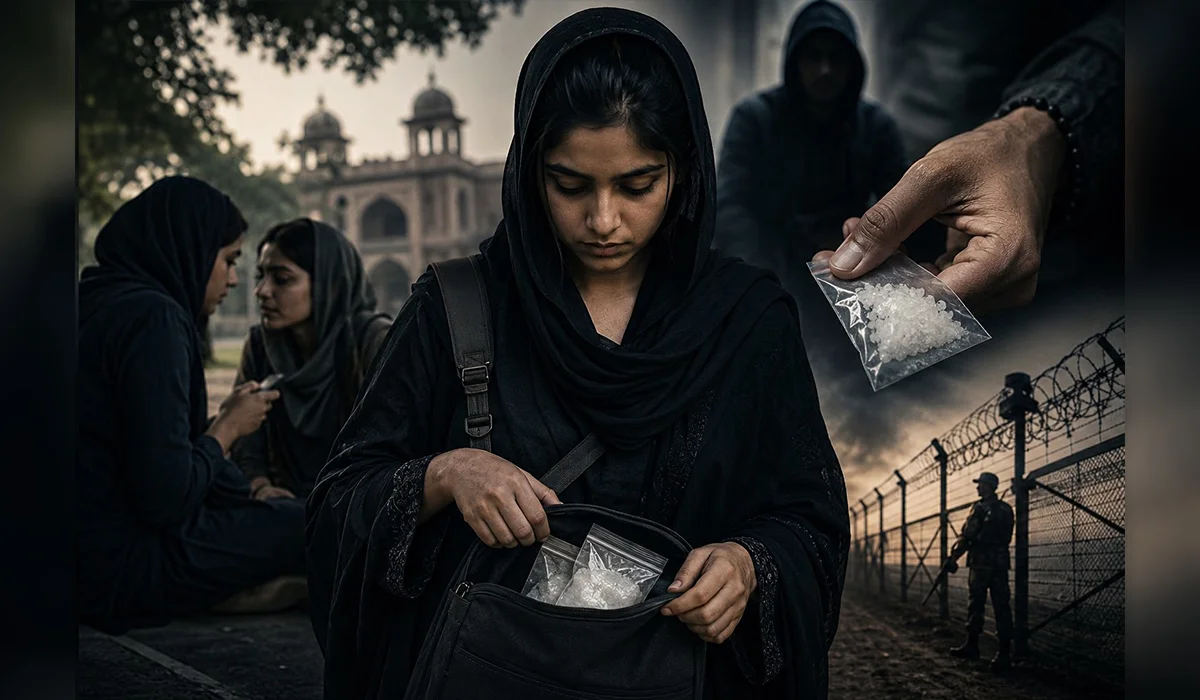

In May 2026, police in Faisalabad, Pakistan, released a startling statistic. During the first five months of the year, more than 80 women and 20 men were arrested in drug trafficking cases. According to police, several of these women were part of networks supplying synthetic drugs such as crystal meth (“Ice”) and cocaine to students in colleges, universities, and hostels.
This is not merely a police story. It raises a larger question: Is the nature of drug trafficking in South Asia changing? Are criminal networks increasingly using women as a new operational tool?
For Punjab, the question carries particular significance. Indian Punjab and Pakistani Punjab are connected not only by a border but also by shared history, language, and social ties. When drug trafficking patterns change across the border, ignoring them may not be wise.
Are Women Becoming the New Face of Drug Trafficking?
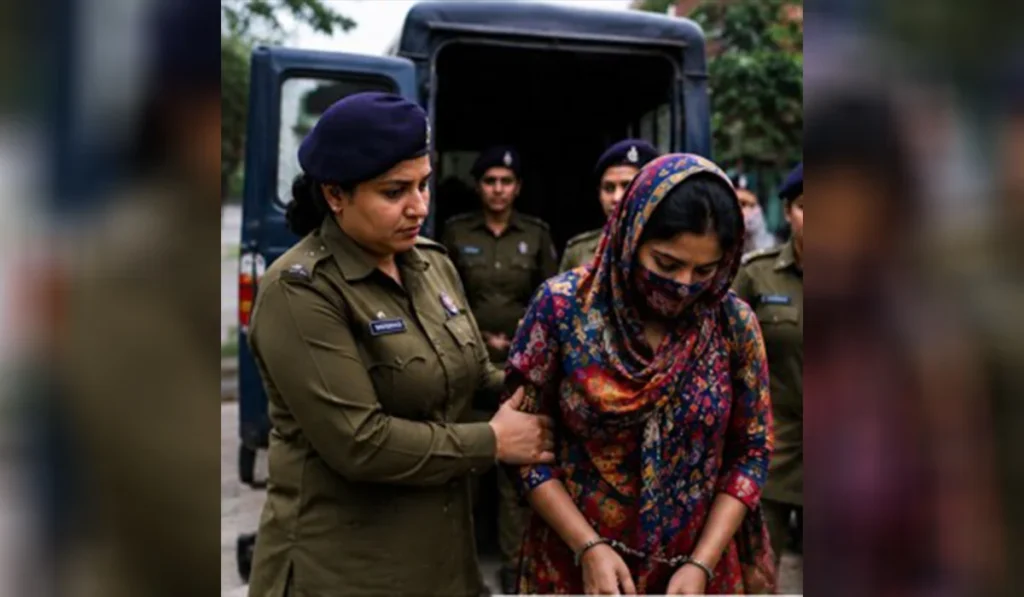
For decades, drug trafficking was largely perceived as a male-dominated activity. Popular culture, films, and media reports have typically portrayed traffickers as men. However, the figures emerging from Faisalabad challenge that assumption.
Nor is this the first indication of such a shift. In 2023, authorities in Uttarakhand reported an increase in the number of women arrested under the NDPS Act. In Jammu and Kashmir, police observed growing involvement of women and couples in narcotics networks and responded by creating specialized anti-narcotics teams.
Men still constitute the majority of traffickers, but one trend is becoming increasingly clear: trafficking networks are evolving. Large centralized gangs are increasingly being replaced by smaller, decentralized groups that operate through social media, WhatsApp, and personal connections. In such systems, individuals who attract less suspicion often become valuable assets.
Society’s Assumptions Are Becoming a Criminal Advantage
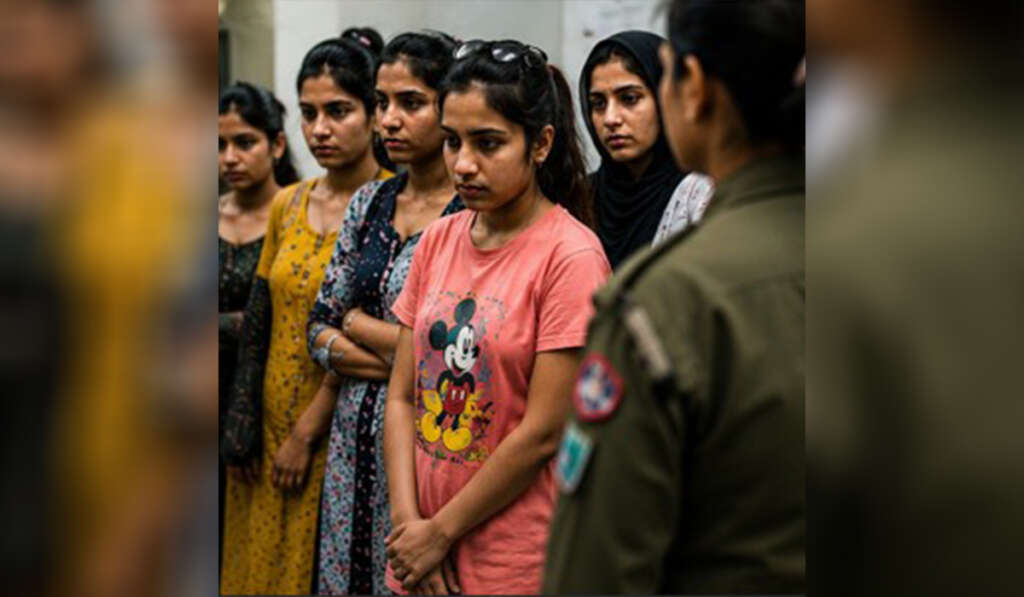
Experts argue that one of the biggest reasons behind this trend lies in social perception itself. Women are often viewed primarily as mothers, daughters, students, or teachers. As a result, they frequently attract less suspicion—not only from society but sometimes even from law enforcement.
A 2016 study found that several female drug dealers believed their gender helped shield them from police scrutiny. Criminal organizations understand who society suspects and who it does not. They exploit those assumptions.
Faisalabad police have similarly stated that many women involved in trafficking networks took advantage of environments such as colleges and urban social circles where they were perceived as unlikely suspects.
Drug traffickers do not merely sell narcotics; they study social behavior. If society assumes that “women would never do such things,” criminal networks may use that assumption to their advantage. A Global Trend, Not Just a South Asian Story
This phenomenon is not limited to India and Pakistan.
Across Latin America, where powerful drug cartels operate, women are increasingly visible within trafficking networks. According to reports published in 2023, the number of women arrested in drug-related offenses has steadily risen. Most of these women are not cartel leaders. Instead, they often serve as couriers, facilitators, or low-level distributors.
Researchers note that women frequently occupy the most vulnerable positions within criminal networks. Poverty, unemployment, debt, family pressure, or coercion often push them into these roles. In many cases, they are not decision-makers but individuals trapped within larger criminal systems.
More Than Crime: A Reflection of Social Realities
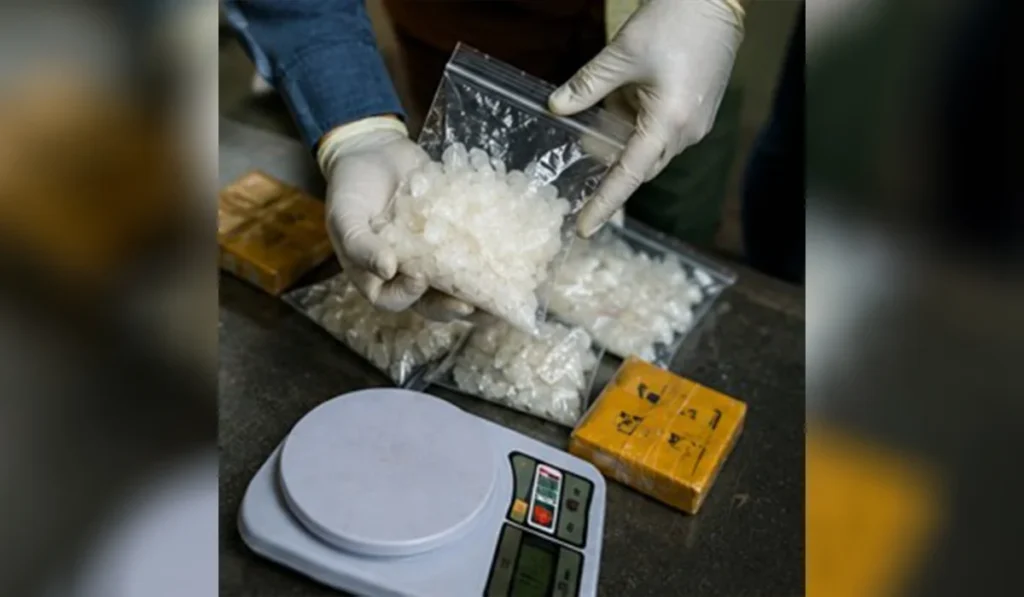
It is important to maintain perspective. In the eyes of the law, a crime remains a crime. However, research suggests that many women enter such networks under circumstances shaped by economic hardship, social vulnerability, or coercion.
The need to support a family, repay debts, find employment, or respond to pressure from powerful individuals can push people toward dangerous choices.
For this reason, experts argue that rising female involvement in drug trafficking should not be viewed solely through a criminal lens. It must also be understood within broader social and economic contexts.
What Lessons Does This Hold for Punjab?
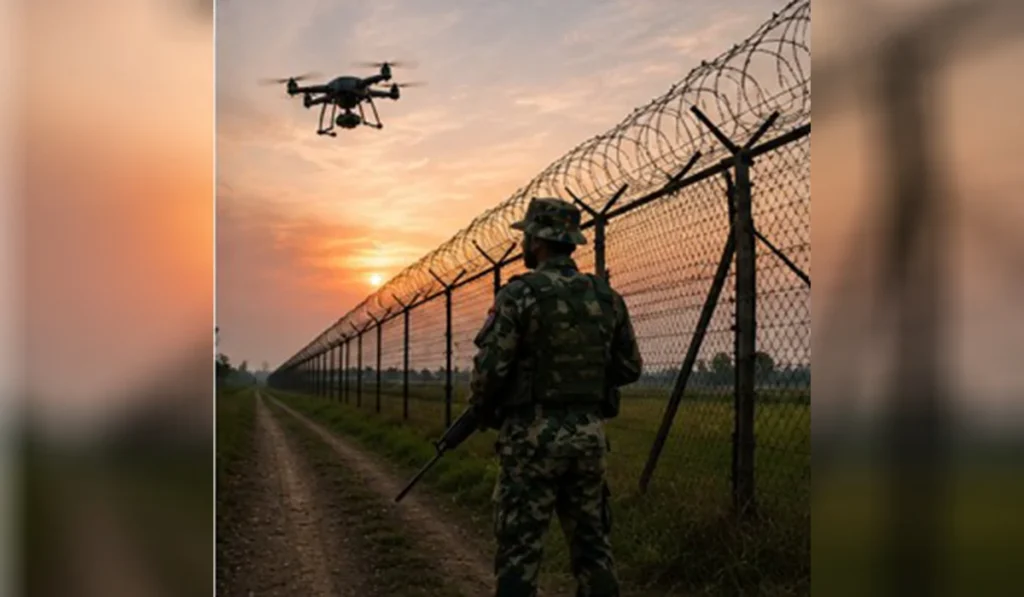
Punjab has been battling drug abuse and trafficking for years. Today, the challenge has become even more complex with drone-based smuggling, social-media-driven distribution networks, and the rise of synthetic narcotics. Modern traffickers are not only changing routes; they are changing personnel.
If criminal networks believe that women are less likely to attract suspicion, recruitment patterns may increasingly reflect that calculation. It would be premature to claim that Punjab is witnessing exactly the same phenomenon. However, developments across the border deserve careful attention.
The larger lesson for Punjab is that the fight against drugs cannot be won through border security alone. Social awareness, women’s economic empowerment, employment opportunities for young people, and stronger community support systems are equally important components of the solution.
Recognizing the Changing Faces of Crime
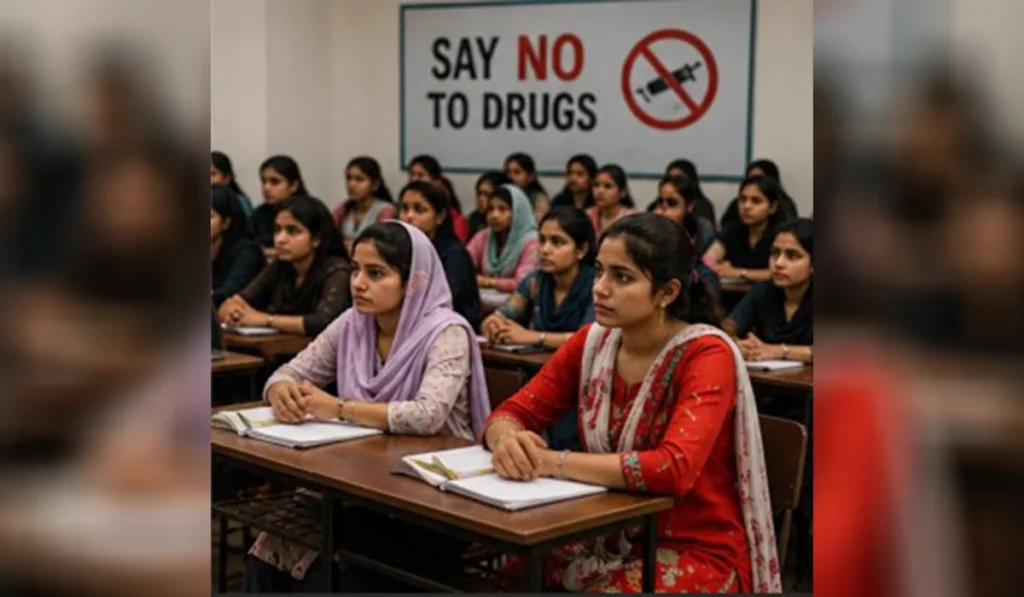
The Faisalabad story is not simply about 80 women who were arrested. It is a story about a criminal ecosystem that is evolving faster than many public perceptions. Sometimes the most important signal is not the quantity of drugs seized but the changing profiles of those being drawn into the trade.
For Punjab, this development is both a warning and an opportunity. A warning because trafficking methods are constantly changing. An opportunity because understanding these shifts early can help policymakers, law enforcement agencies, and communities respond more effectively.
The real challenge is not merely intercepting drugs—it is recognizing how the networks behind them are adapting. And that is a challenge Punjab cannot afford to ignore.


Leave a Comment