
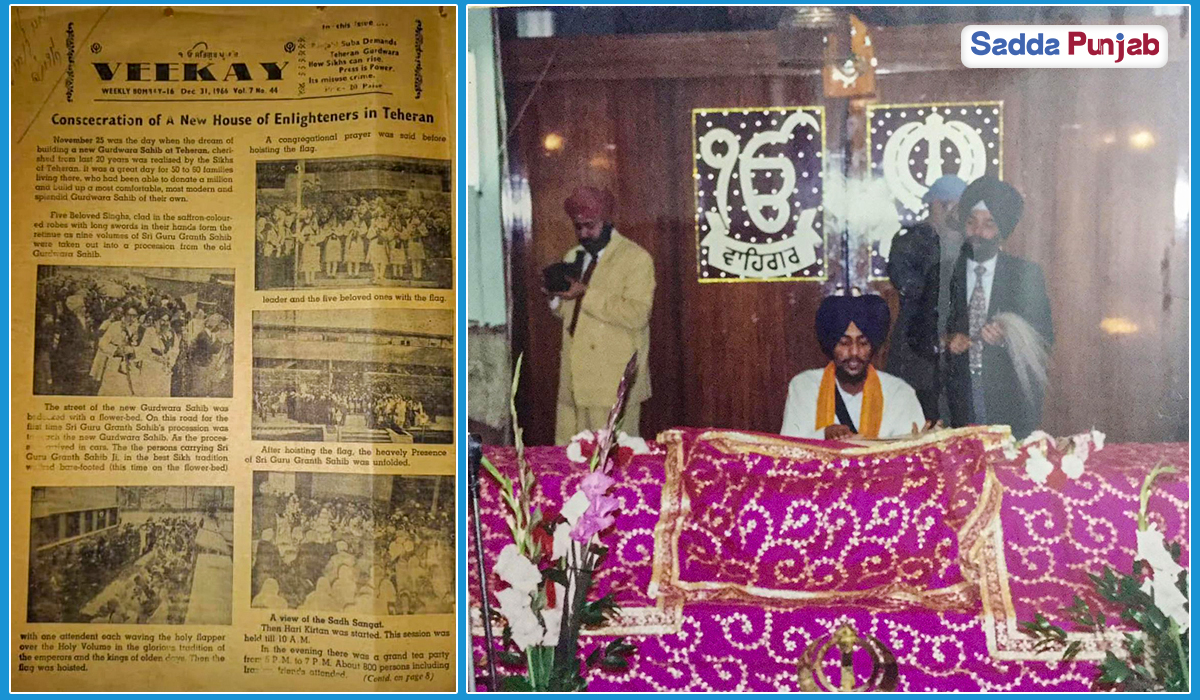

Since the beginning of the 20th century, the Sikh community has built its identity in every corner of the world through hard work and courage. One of those important countries is Iran. Iran, once known as Persia, is globally recognized for its rich heritage, art, and culture. Today, when the Middle East has become a center of wars and political instability, it becomes especially important to understand the challenges and lives of the Sikh community living there.
Gurleen Kaur, who was born and raised in Iran and is currently living in Mohali, Punjab, has shared important insights about Sikh life in Iran and its historical connections.
The Background of Sikh Settlement in Iran
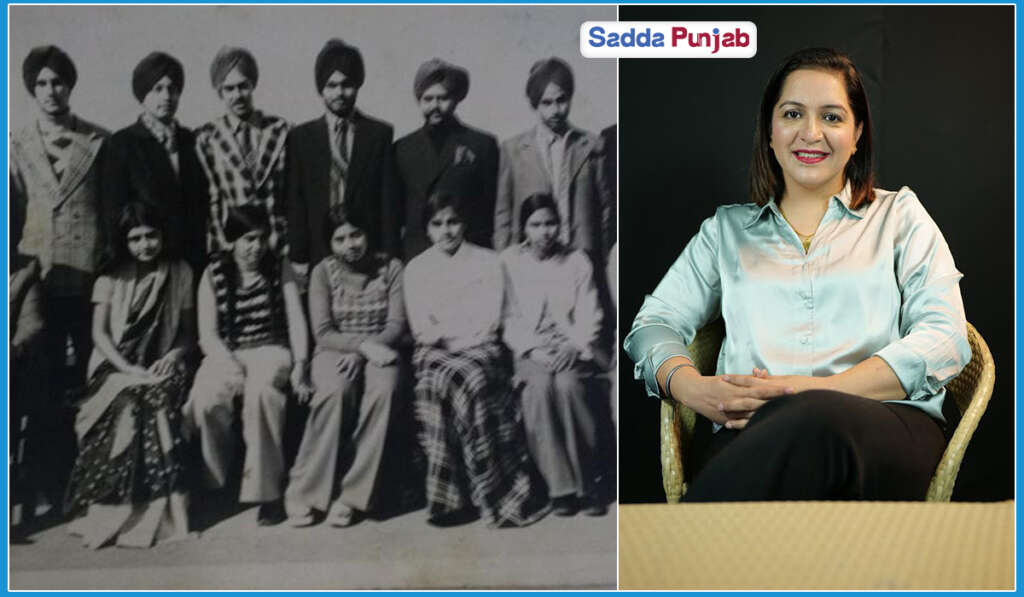
The story of Sikhs settling in Iran goes back to the period before Partition. Gurleen Kaur says that her grandfather often traveled to the land of Persia for trade and transport. At that time, because of the movement of goods, it was common for people to travel between countries. Her grandfather liked the land of Iran and the nature of its people so much that he decided to settle there permanently.
In this way, generation after generation, Sikh families settled in different cities of Iran. Although the Sikh community in Iran is very small, it is highly organized and closely knit with mutual affection. The main strength of this community is its habit of standing with each other in times of joy and sorrow and remaining connected to its roots.
Tehrani and Zahedani: Two Cities, One Identity
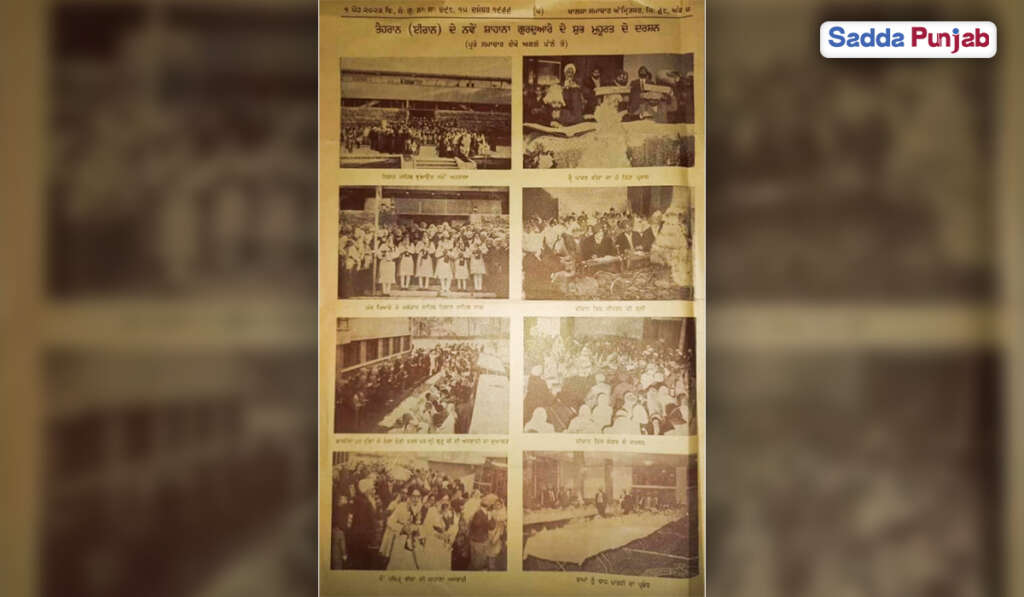
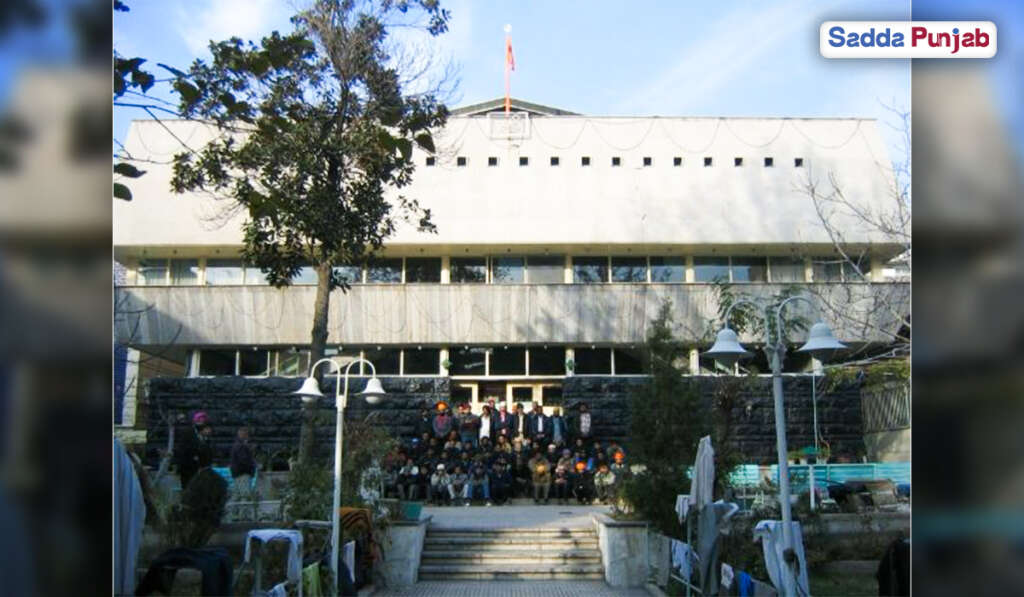
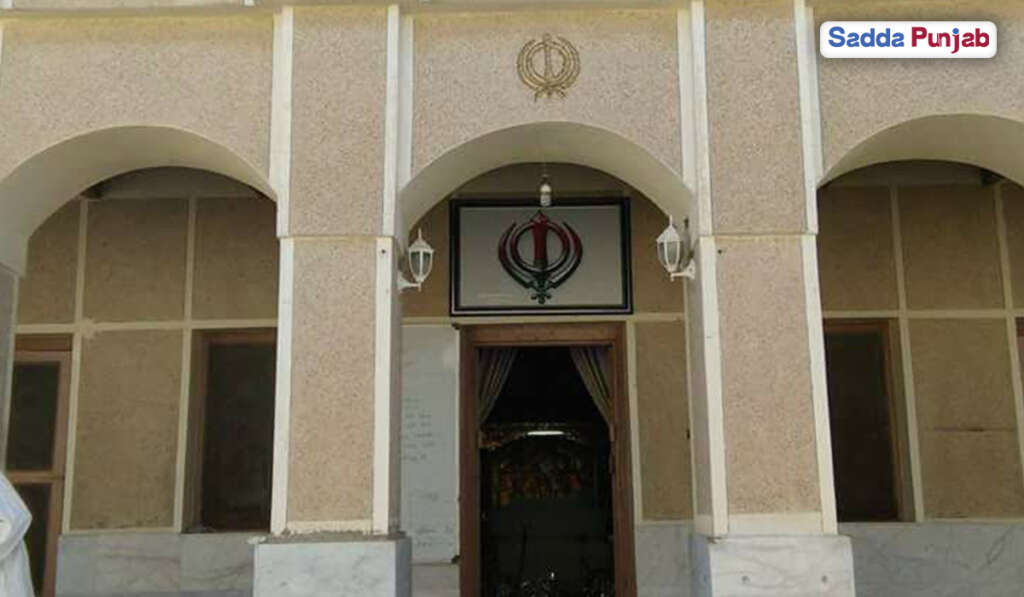
Gurleen Kaur describes her identity as a blend of Zahedani and Tehrani. Zahedan is a border region of Iran that was historically considered somewhat underdeveloped, but Sikhs contributed to its growth through their hard work. Tehran, on the other hand, being the capital of Iran, is a more global city where the Sikh population is larger and cultural activity is greater. The main center of the Sikh community in Tehran is the local Gurdwara Sahib. This gurdwara is not just a religious place, but also a school of values for Sikh children living there.
Gurdwara Sahib and the Spirit of Seva
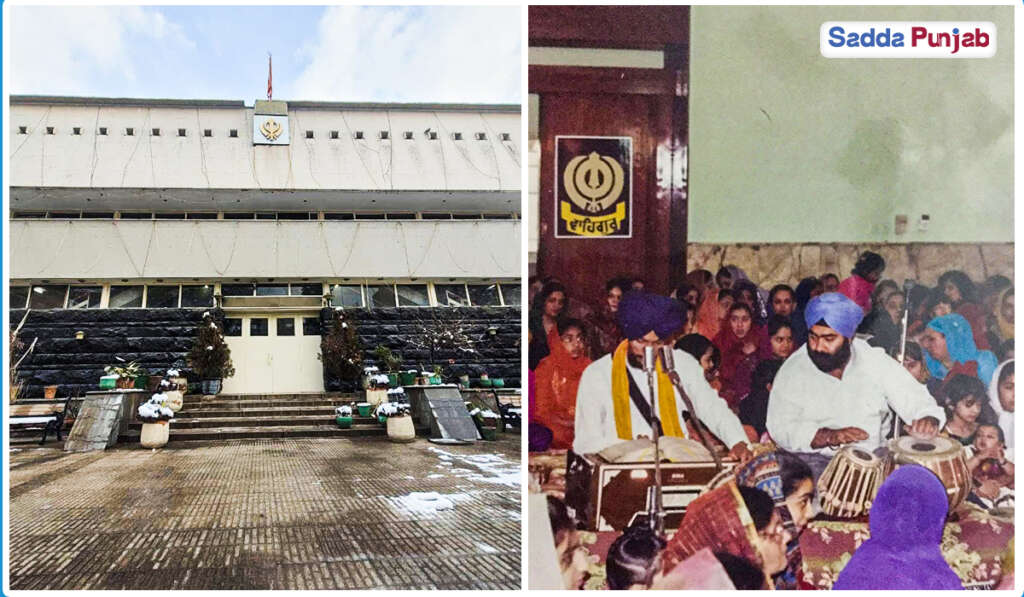
The wall of the Gurdwara Sahib stands next to the Indian Senior Secondary School. Gurleen Kaur studied at the Indian Senior Secondary School, affiliated with CBSE and Guru Harkrishan Public School, Delhi, and from those days developed a strong bond with the gurdwara.
One day every week in school was dedicated to service at the Gurdwara Sahib. Children would serve there from morning till night. This included preparing langar, making prashad, cleaning, and reciting paath. This is why the spirit of service and devotion toward the Guru runs very deep in the hearts of Iranian Sikhs. It is this spirit of seva that keeps them connected to their original heritage.
Shared Traits Between Punjabi and Iranian Culture

According to Gurleen Kaur, Iranian culture and Punjabi Sikh culture have many similarities. Both cultures may appear traditional in their customs and family values, but that too is part of a disciplined way of life.
Just as Punjabi families value respect and modesty toward elders, the same grace can also be seen in Iranian culture. Gurleen says that just as Punjab lives in our soul, Iran too is part of our soul. We can never separate Iran from our hearts, because our homes, families, and memories are there.
The Historical Relationship Between Sikh Heritage and the Persian Language
The relationship between Sikhism and Iran is not limited to the 20th century. It is centuries old. The greatest influence on the land and people of Punjab came from the bani of Baba Farid Ji. His verses are included in the Sri Guru Granth Sahib, and the sweetness of his language brought people closer to God.
“Fareeda sakkar khand nivaat gur maakhiou maanjha dudh.
Sabhe vastu mithiaan rab na pujan tudh.”
This sweetness emerged from a blend of Persian and Punjabi. There was a time when Persian was the dominant language across North India. Even today, we speak many words in everyday life that are actually of Persian origin, such as: darbar, baba, deg-teg-fateh, and Punjab.
The Need for Persian to Preserve Heritage
From Guru Nanak Dev Ji to the reign of Maharaja Ranjit Singh, Persian remained both the official and the common language. When Guru Nanak Sahib traveled to Iran, he shared spiritual teachings with the people there in their own language.
Many important documents of Sikh history are in Persian. The Zafarnama written by Guru Gobind Singh Ji to Aurangzeb is in Persian. The entire work of Bhai Nand Lal Ji is also in Persian, and it is sung in gurdwaras in kirtan form. In addition, the inscription on the coins of Baba Banda Singh Bahadur was also in Persian.

Gurleen Kaur believes that if we truly want to understand our heritage and history in depth, we need to pay attention to learning Persian and translating Persian texts. That is the only way to properly understand the rule of Maharaja Ranjit Singh and many overlooked historical developments of that time.
The Message of Humanity
In today’s time, when wars are increasing distances, this bond between Punjab and Iran creates a new hope. The message of humanity that Guru Nanak Dev Ji carried to the land of Iran remains just as meaningful today.
Wars and political borders may be temporary, but cultural relationships, linguistic connections, and human affection endure. Iranian Sikhs like Gurleen Kaur are still living ambassadors of that bond. They remind us how deeply our history and our future are linked with one another. We need to recognize this shared heritage and preserve it for future generations.

Leave a Comment