
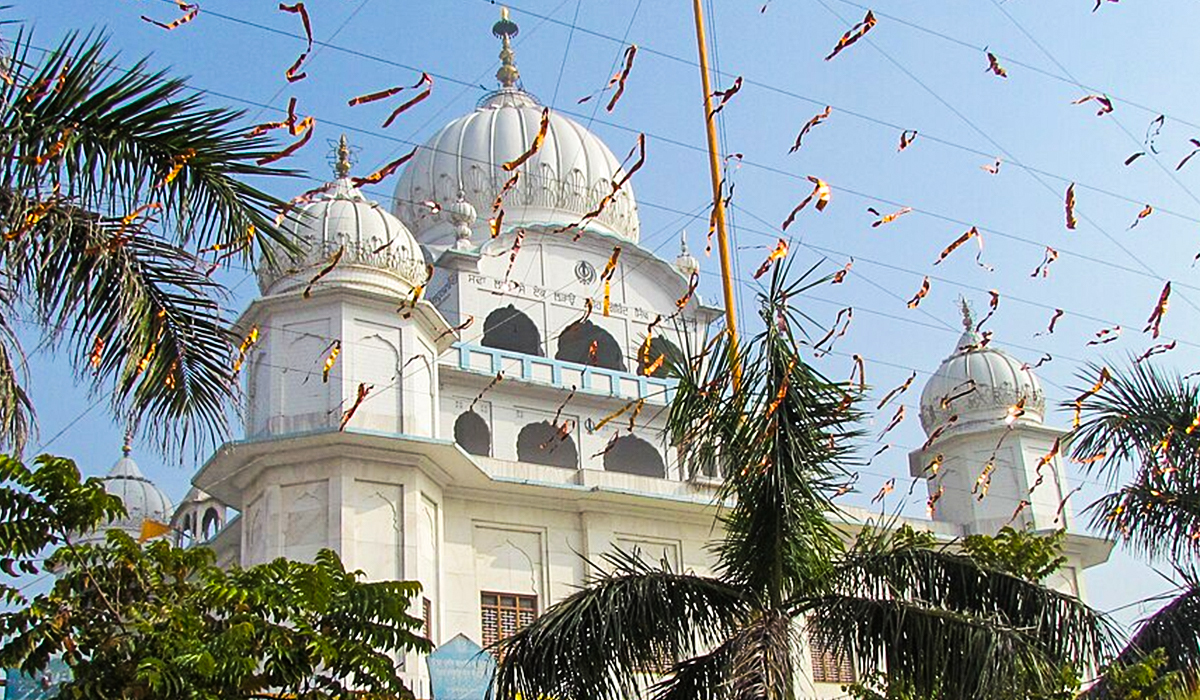

The month of Poh holds great importance in the Sikh tradition. No celebrations or joyous events are observed during this month. In particular, the period from 7 Poh to 13 Poh is referred to as the “Black Nights.”
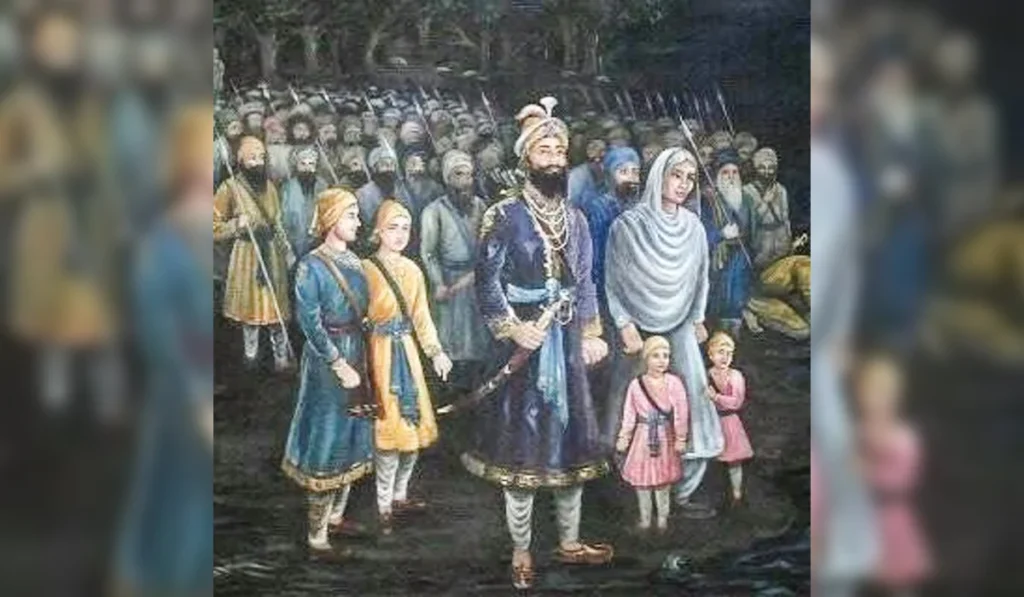
On the intervening night of 6–7 Poh (5–6 December 1705 CE), Sri Guru Gobind Singh Ji left Anandpur Sahib. Heavy battles were fought along the way between the Sikhs and Mughal forces. During these events, the Guru’s family became separated.
The younger Sahibzadas and Mata Gujri Ji proceeded towards the village of Saheri with the Guru’s cook Gangu Brahmin, while the elder Sahibzadas accompanied Guru Gobind Singh Ji and the Singhs toward Chamkaur Sahib. Guru Ji’s household—Mata Sundri Ji and Mata Sahib Kaur Ji—left for Delhi along with Bhai Mani Singh Ji.
Chamkaur Sahib and the Fort (Garhi)
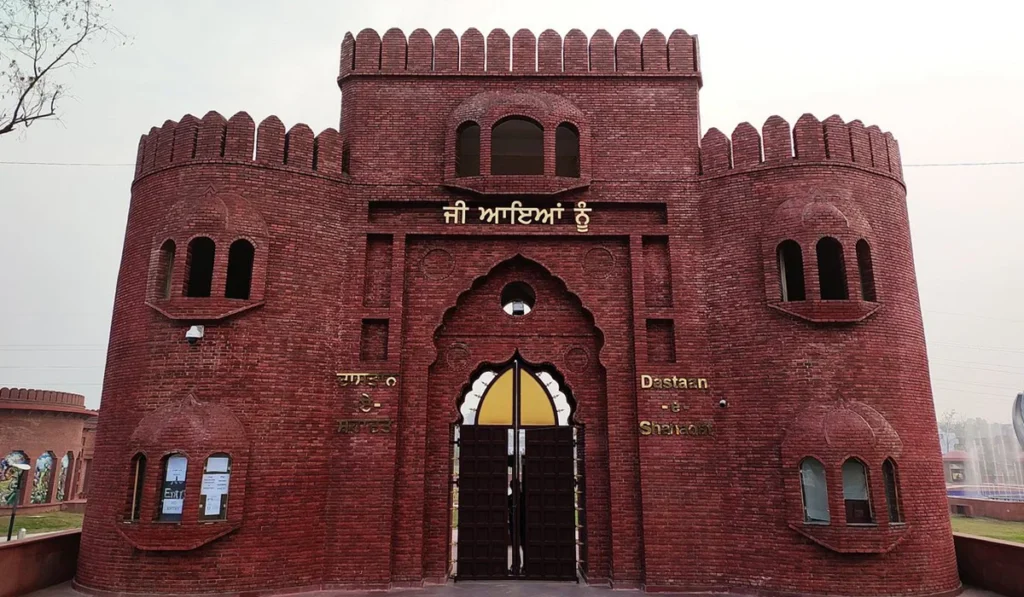
Chamkaur Sahib is a historic town located in present-day Rupnagar district. At Chamkaur stood the haveli (fortified house) of Jagat Singh. Guru Ji sent five Singhs to request the fort so that it could be used to resist the enemy forces, but Jagat Singh refused out of fear of the Mughal army.
Guru Ji even offered rent and later full payment for the fort, but Jagat Singh still declined. However, his younger brother Roop Singh agreed to give his share of the fort. This garhi was situated on elevated ground and was strategically the safest location for battle. Guru Ji entered Roop Singh’s garhi and arranged strict night watches, assigning duties to all the Singhs.
“The Satguru seated everyone at proper positions,
posted guards on every bastion and wall.”
The Battle Begins
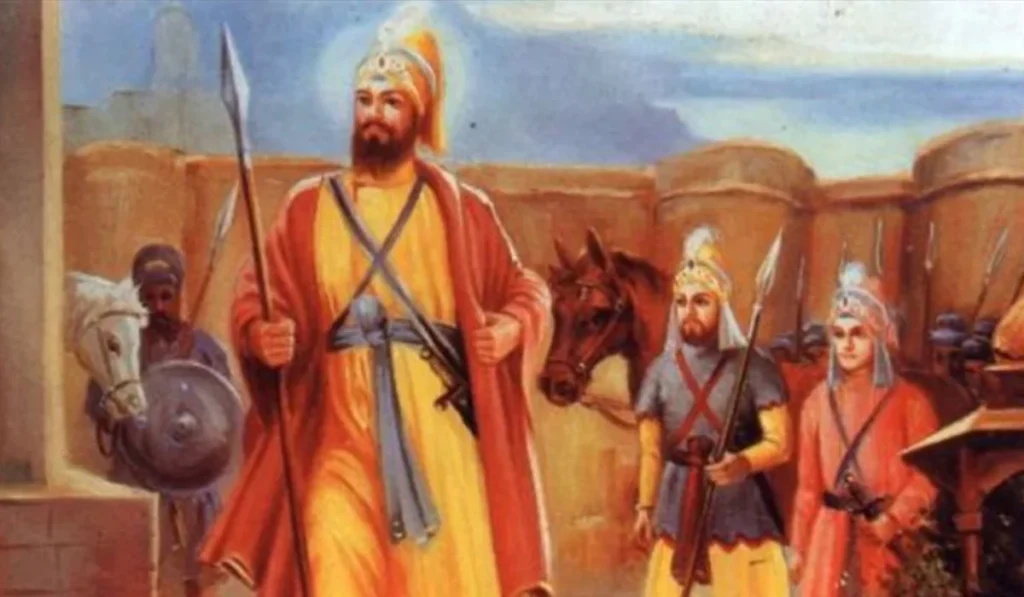
The next day, the battle began. Sikh warriors went out in groups, fought bravely, killed many enemies, and attained martyrdom. With Guru Ji’s permission, Sahibzada Baba Ajit Singh Ji entered the battlefield. It is said that when he appeared before the enemy, his radiance alone caused fear among them. When Baba Ji swung his sword, the enemies fainted in terror.
The contemporary poet Kavi Senapati, who lived in Guru Ji’s court, praised Sahibzada Ajit Singh’s bravery extensively. Although he mistakenly wrote the name as Ranjit Singh instead of Ajit Singh, his testimony remains significant due to his contemporaneity.
According to Senapati, when Baba Ajit Singh Ji’s sword broke, he began piercing enemies with a spear as easily as fruit hanging on branches. He rode through the battlefield, encouraging other Singhs. Wherever he went, the Mughal forces fled. Guru Gobind Singh Ji watched his beloved son’s valor from atop the garhi.
The poet Allah Yar Khan Jogi also described this scene, praising the courage of Guru Gobind Singh Ji’s son.
Eventually, the enemy surrounded Sahibzada Ajit Singh Ji from all sides, and on 8 Poh, Samvat 1761 Bikrami, he attained martyrdom at Chamkaur Sahib before the eyes of his father.
Martyrdom of Sahibzada Jujhar Singh Ji
When Sahibzada Baba Jujhar Singh Ji witnessed his elder brother’s martyrdom, he requested permission to enter battle. Guru Ji personally prepared his young son for war. Sahibzada Jujhar Singh Ji fought fiercely, creating chaos among the Mughal army. Even the greatest Mughal generals were astonished at his bravery.
Seeing a single young Singh killing dozens of soldiers, enemy commanders ordered a collective attack. Surrounded on all sides, Sahibzada Jujhar Singh Ji continued fighting and killed many enemies before being struck from behind by an arrow and attaining martyrdom.
Guru Ji raised the Fateh cry from the garhi and thanked the Almighty.
Guru Ji’s Departure from the Garhi
After consultation, the remaining Singhs urged Guru Ji to leave the garhi, stating that while Guru Ji could create millions of Singhs, millions together could not create another Guru Gobind Singh Ji. Guru Ji agreed but insisted that he would not leave secretly—he would challenge the enemy openly.
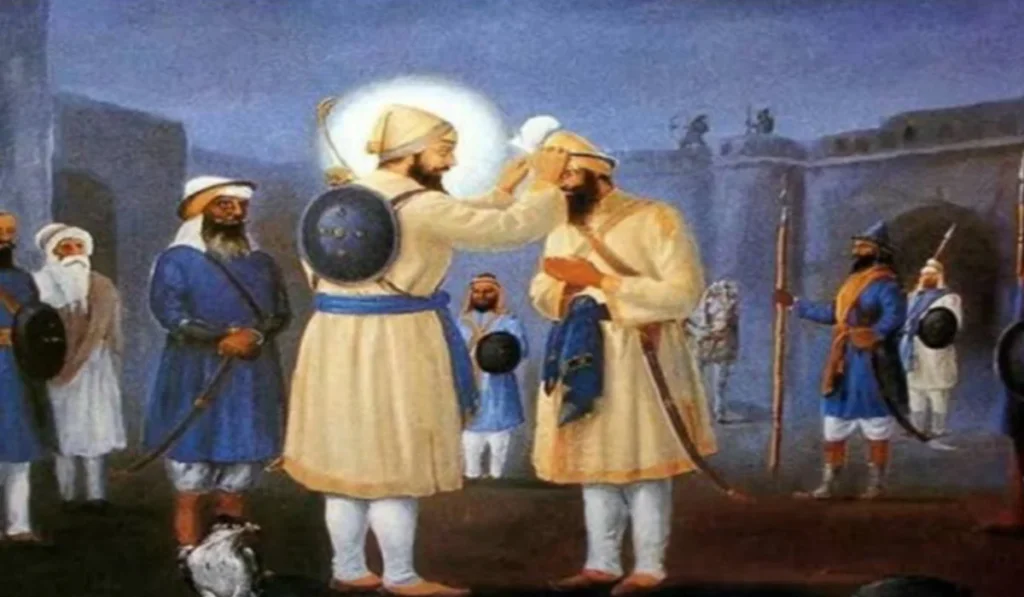
Guru Ji ordered Bhai Daya Singh Ji, Bhai Dharam Singh Ji, and Bhai Man Singh Ji to leave with him. Before departing, Guru Ji dressed Bhai Sangat Singh Ji—who closely resembled him—in his plume and attire, causing the enemy to believe Guru Ji was still inside. For this reason, the site is also called Tilak Asthan.
It is here that Guru Ji proclaimed:
“The Khalsa is the Guru, and the Guru is the Khalsa.”
At the time Guru Ji departed, eight Singhs remained inside the garhi, stationed at different bastions, along with the drummers Bhai Jeevan Singh Ji and Bhai Katha Singh Ji.
Guru Ji’s Final Challenge
Among the besieging Mughal army was Khwaja Mardood Khan, who boasted that he would capture Guru Ji alive. Knowing this, Guru Ji openly challenged him, clapping his hands beneath a peepal tree and declaring:
“Pir-e-Hind ja raha hai”
(The spiritual master of India is departing.)
This declaration caused confusion and panic in the enemy camp. Believing reinforcements had arrived, the Mughal soldiers fought among themselves in the darkness. Only later did they realize that Guru Ji had already departed.
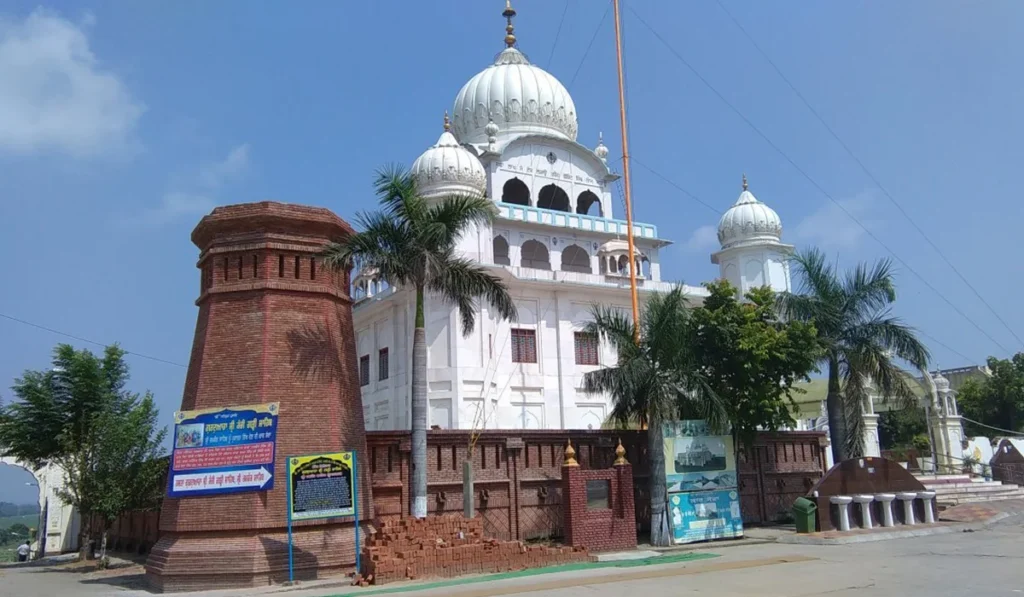
Today, Gurdwara Taadi Sahib marks the spot where Guru Ji clapped and challenged the enemy. Gurdwara Garhi Sahib stands at the site of the fort, and Gurdwara Katalgarh Sahib commemorates the cremation of the martyrs. Excavations at the site uncovered weapons and battle remains, now preserved for devotees.
Every year on 6, 7, and 8 of 10th month, a Shaheedi Jor Mela is held, drawing lakhs of devotees from India and abroad.
Poet Allah Yar Khan Jogi praises Chamkaur Sahib as a sacred site, comparing it to a spiritual Kaaba for the Khalsa.

Leave a Comment