

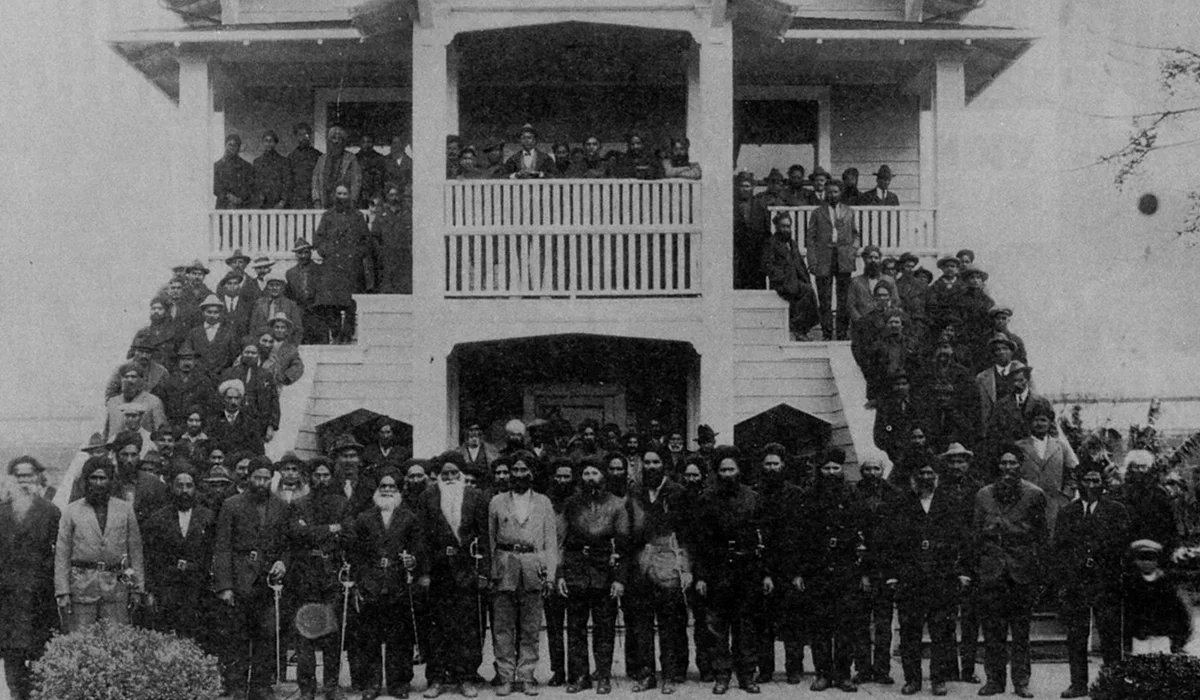

In India’s struggle for independence, the name of the Ghadar Party is written in golden letters. It was not just a political organization, but a symbol of a human ideology that sacrificed body, mind, and wealth to break the chains of slavery. The Ghadar revolutionaries were not only focused on driving the British out of India, but also on building a society where every individual would have equal rights.
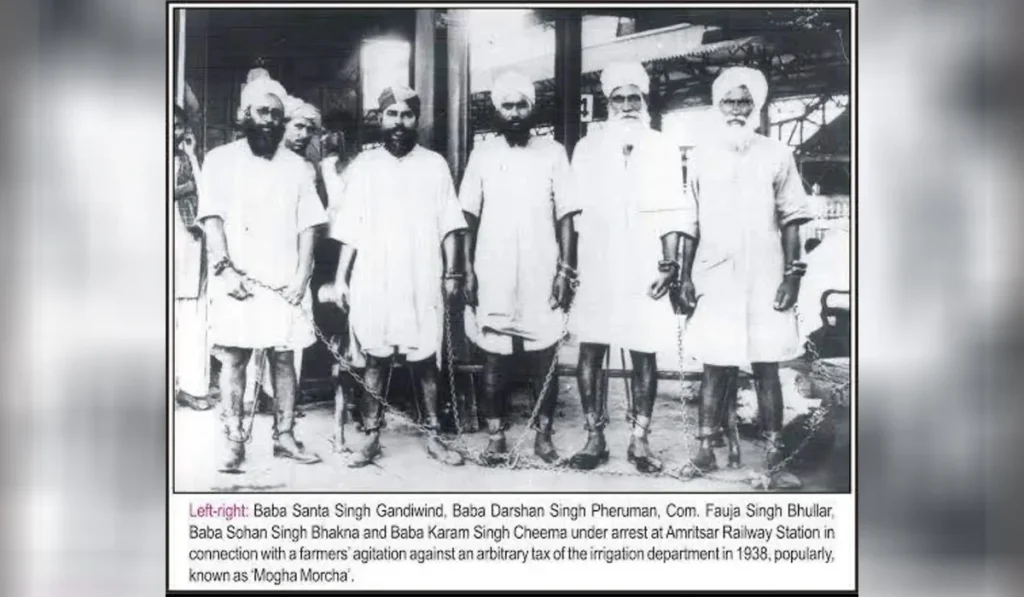
The ideology of the Ghadar Party was deeply progressive and humanistic. The party clearly declared that true freedom from British rule must mean social justice. Their dream was to build an India where the gap between rich and poor would disappear. They wanted laborers to receive full wages for their work, and those who built grand palaces to have dignified homes of their own.
They believed that farmers, who feed the entire population, should not die hungry but live with prosperity. These ideas remain as relevant today as they were a hundred years ago. It was this forward-thinking ideology that ignited deep patriotism among Indians living abroad, inspiring them to dedicate their earnings and even their lives to the nation.
Formation of the Ghadar Party, the ‘Ghadar’ Newspaper, and Its Humanist Ideology
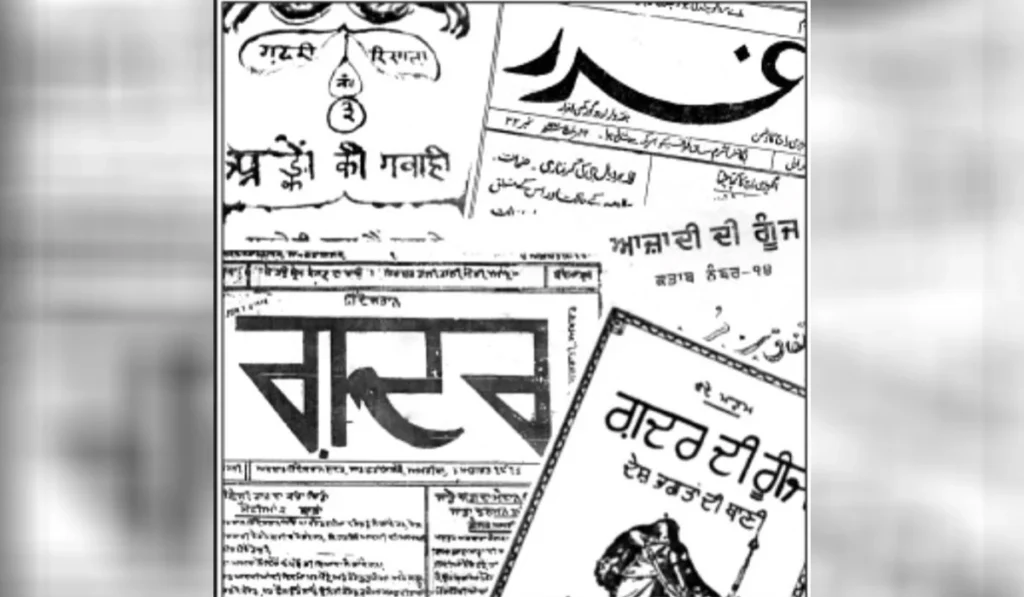
The foundation of the Ghadar Party was laid on 21 April 1913 in Astoria (USA) under the name Hindi Pacific Association. To spread its ideas, the party launched a newspaper called “Ghadar.” Its influence grew so rapidly that the organization itself came to be popularly known as the Ghadar Party.
The leadership structure included committed figures such as:
* Baba Sohan Singh Bhakna (President)
* Baba Kesar Singh Thathgarh (Vice President)
* Lala Hardayal (General Secretary)
* Lala Thakar Das Dhuri (Joint Secretary)
* Pandit Kanshi Ram Madroli (Treasurer)
Later, Bhai Jawala Singh was appointed Vice President. The executive committee also included revolutionaries like Kartar Singh Sarabha, Bhai Santokh Singh, Karam Singh Cheema, Nidhan Singh Chuggha, and Baba Vishakha Singh. A special three-member committee was formed for secret operations.
Organized Planning and Division of Responsibilities
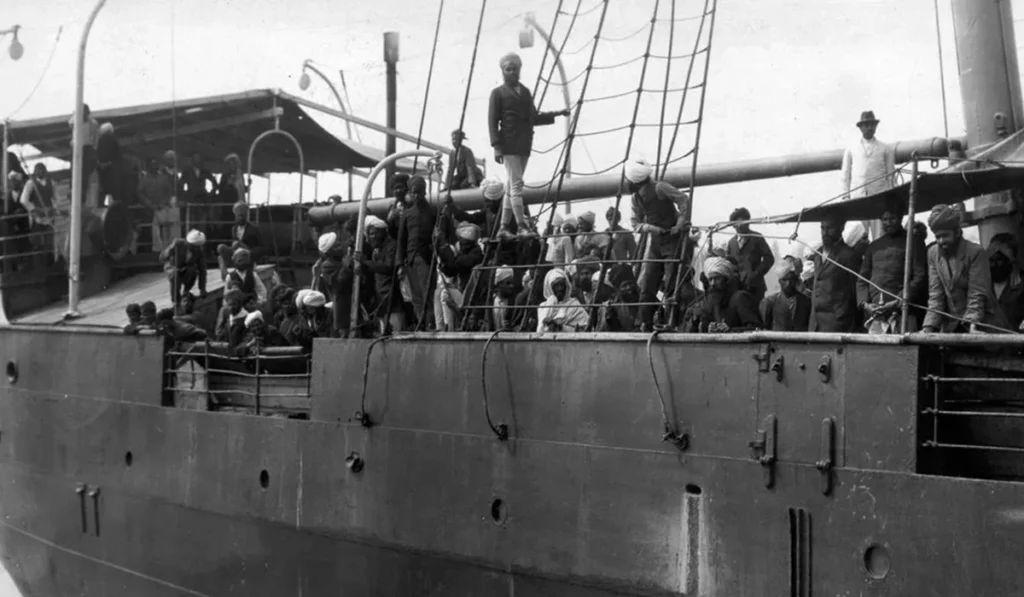
The Ghadar Party was highly disciplined, with clearly defined roles:
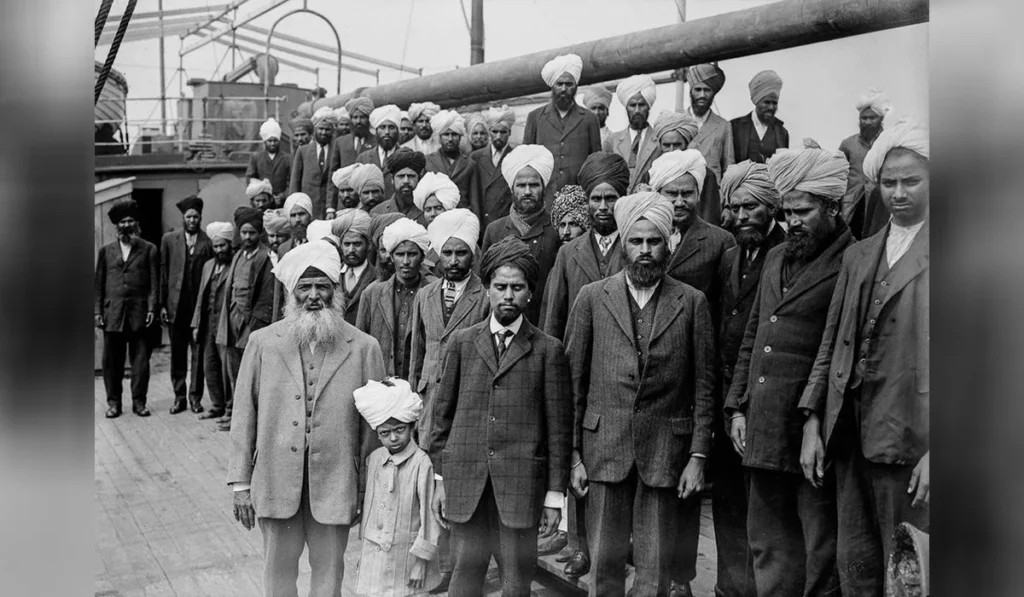
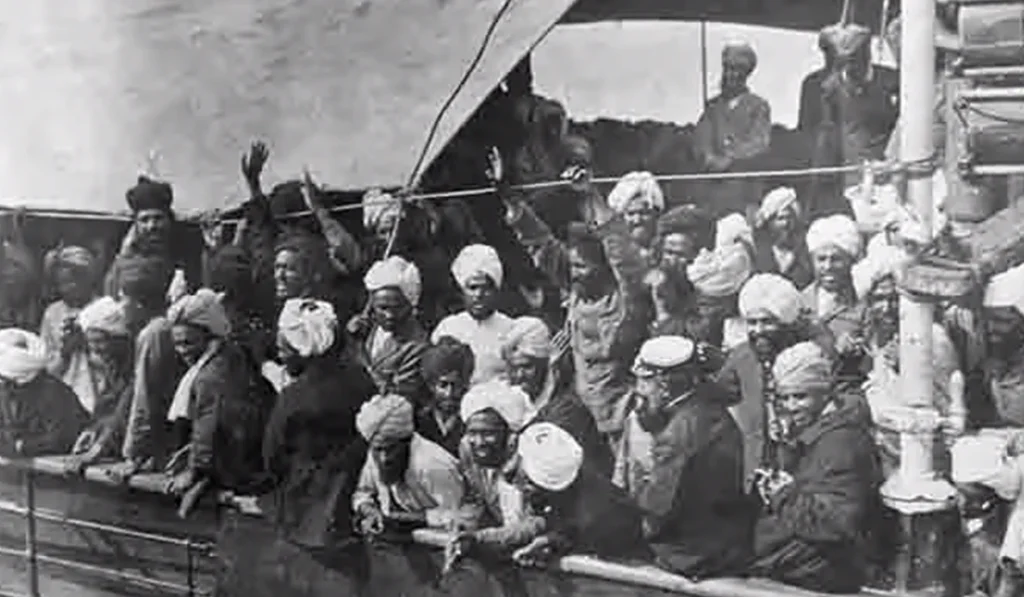
* Baba Sohan Singh Bhakna was sent to Yokohama to inspire passengers of the Komagata Maru ship.
* Kartar Singh Sarabha trained in aviation and engineering.
* Udham Singh Kasel took charge of military training.
* Bhai Harnam Singh Kotla specialized in making bombs.
* Pandit Sohan Lal Pathak led operations from Burma and Siam.
* Maulvi Barkatullah was sent to Afghanistan to seek support from the king.
This showed how the party built an international network against British rule.
World War I and the Return to India
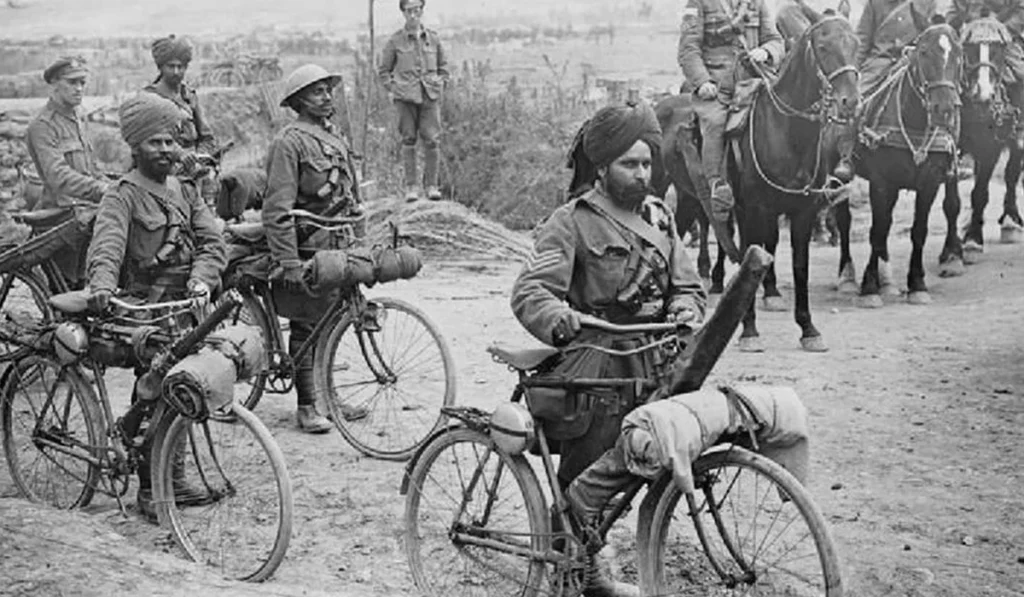
The Ghadar revolutionaries believed that during World War I, the British would be weakened, creating an opportunity for rebellion in India. Thousands of Ghadarites began returning from abroad.
However, the British got wind of the plan and arrested many leaders at ports. Still, revolutionaries like Kartar Singh Sarabha, Bhai Prem Singh, and Jagat Singh Sur Singh managed to reach India. They reorganized the movement and established contacts within military cantonments.
A rebellion was planned for 19 February 1915, but informers leaked the plan. The British conducted raids and arrested hundreds of revolutionaries.
Despite the failure, the Ghadarites did not give up. They continued efforts to gather arms and eliminate informers. The Singapore mutiny by Indian soldiers on 15 February 1915 was another major act of rebellion, though it was brutally suppressed.
202 Freedom Fighters Martyred by British Rule
The British responded with extreme brutality:
* Around 202 revolutionaries were executed
* 316 were sentenced to life imprisonment or deported to the Cellular Jail (Kala Pani)
* Hundreds lost their property
These sacrifices became a powerful chapter in Indian history and later inspired revolutionaries like Bhagat Singh.
A Forgotten Vision in Independent India
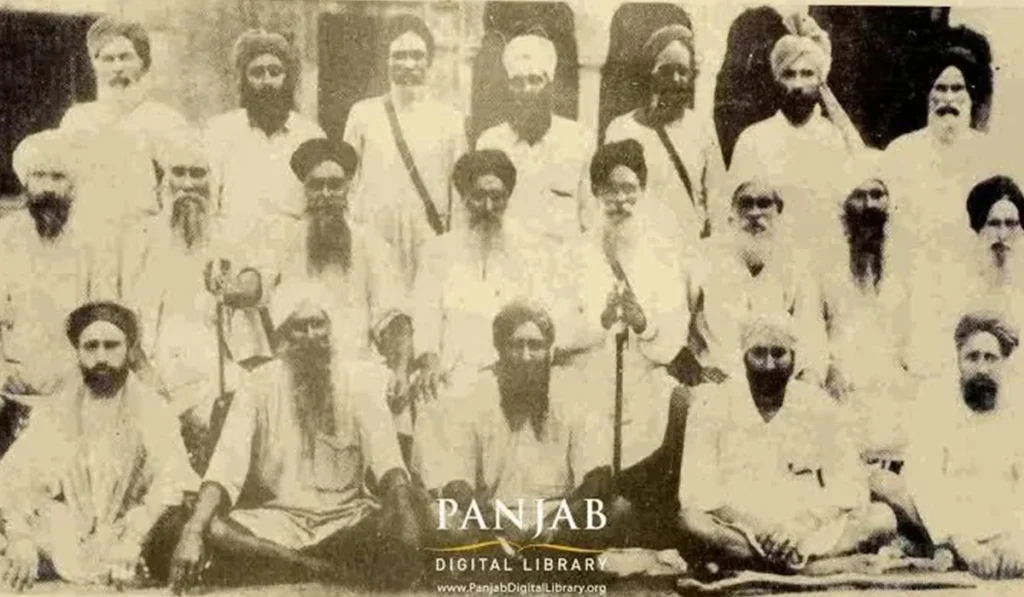
Although the Ghadar movement did not fully succeed at that time, it ignited a fire of independence that never died. Their sacrifices triggered a larger national awakening.
However, it is unfortunate that post-independence governments have largely forgotten the original vision of the Ghadar revolutionaries. Their dream was not just political freedom, but social and economic equality.
Even today:
* The gap between rich and poor continues to widen
* Farmers struggle and commit suicides
* Workers fight for fair rights
What the Ghadar Movement Teaches Us
The Ghadar movement reminds us that patriotism is not just about slogans, but about service to humanity and the pursuit of equality.
Until society ensures:
* Equal rights for every individual
* Fair wages for every worker
the dream of the Ghadar revolutionaries will remain incomplete.

Leave a Comment