
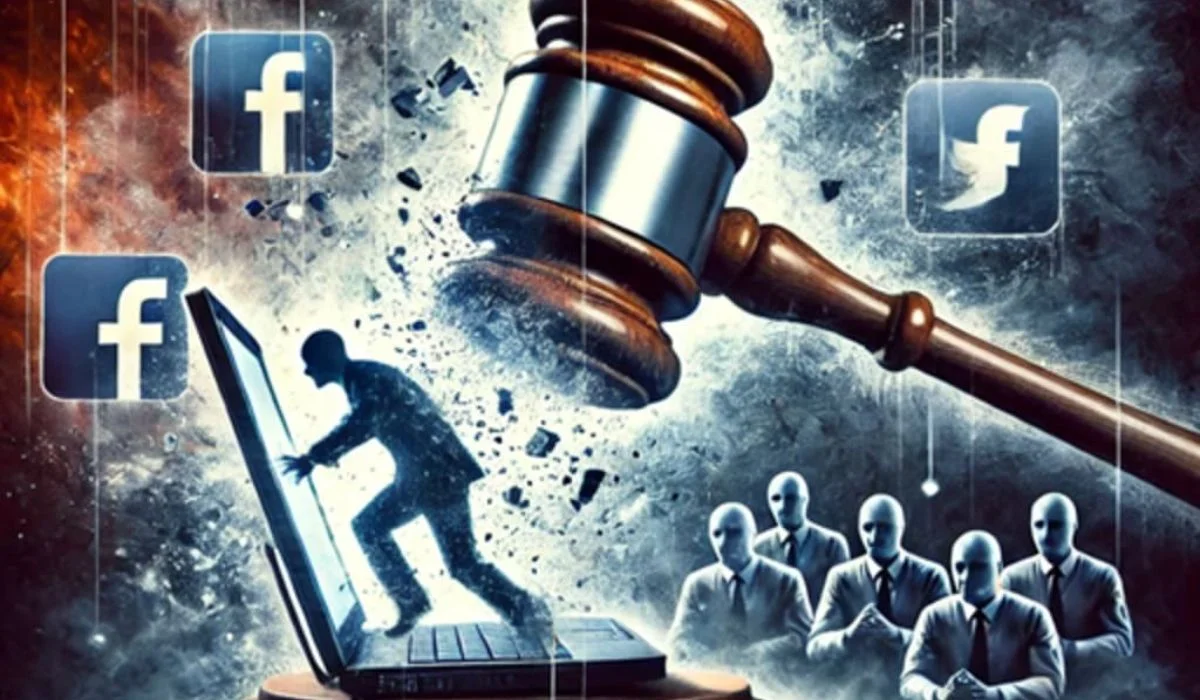

When anger and accusations spread faster than evidence on social media, this film reminds us that, in the end, it is human beings who pay the price of public suspicion. The moment an allegation becomes public, a person’s life can change within minutes. Careers suddenly stall, relationships begin to tremble, and reputations built over decades start collapsing—often long before any investigation has even been completed. While watching the film Accused on Netflix, it became painfully clear how terrifyingly familiar this reality has become in the age of viral judgment.

The film revolves around a respectable professional woman whose life begins to fall apart when allegations are made against her. But the film does not simply ask whether those allegations are true or false. Instead, it tries to understand the uncomfortable reality of what happens to a person, their relationships, and their reputation when accusations become public before the truth is known.
In today’s world, allegations rarely remain private for long. Something raised in a conversation can become news within hours and then turn into a storm of outrage on social media. Once that process begins, the consequences become visible immediately—often long before any investigation is complete.
The most frightening part of an allegation is not always the legal process
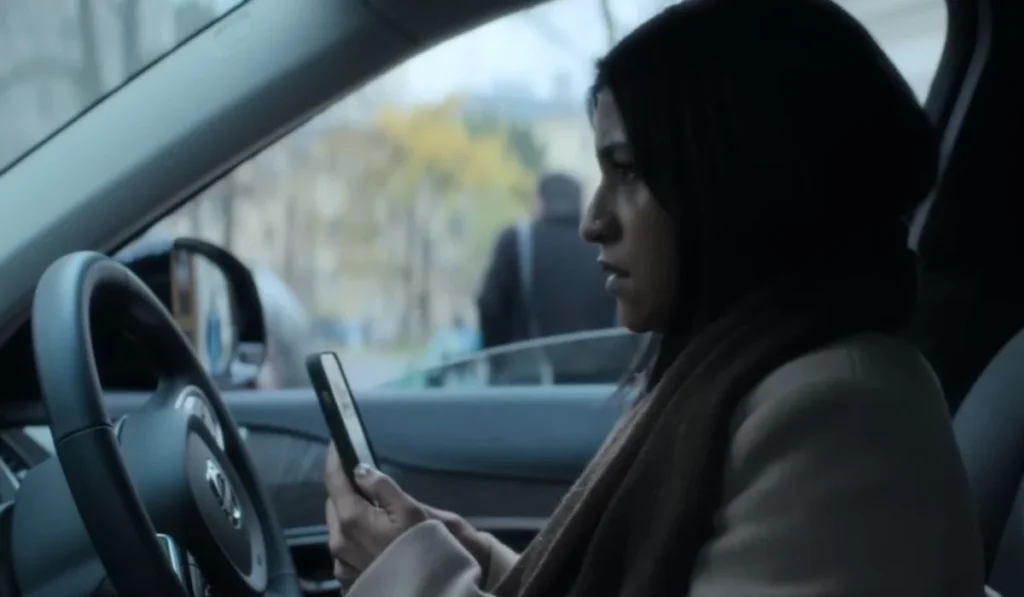
While watching Accused, I also felt that the most frightening part of an allegation is not always the legal process itself. The real fear begins the moment suspicion enters everyday life. Friends slowly begin to drift away. Colleagues start speaking cautiously. People who once met openly suddenly fall silent. The accused person begins to live in a haze of uncertainty, while those around them are unable to decide what to believe.
This tension is not just the story of a film. In recent years, researchers too have begun studying how public allegations affect social behavior, especially in the age of digital media.

A 2021 study published in the journal Nature Human Behaviour found that posts expressing moral outrage spread much faster on social media and encourage others to join in the same pattern of condemnation. According to the researchers, posts containing anger or moral judgment receive far more engagement than neutral information. In simple terms, allegations can spread across the internet at extraordinary speed, often through people who do not even know the full facts of the case. Put plainly, the internet rewards outrage. That is why the situation shown in Accused has become increasingly visible in real life as well.
How quickly speculation can turn into public accusation in the digital age

In the digital age, public platforms often begin to behave like courts, where judgments are delivered instantly. One disturbing example emerged after the 2013 Boston Marathon bombings in the United States. While authorities were still searching for suspects, internet users began examining photographs on their own and trying to identify the attackers. Within hours, online communities mistakenly started portraying a missing college student, Sunil Tripathi, as a suspect. His photograph and name spread rapidly across social media and even appeared on some news channels. In reality, Tripathi had no connection to the attack. For his family, the experience was deeply traumatic. At a time when they were searching for their son, his name was being circulated across the world as a suspected terrorist. The case remains a sharp reminder of how quickly speculation can turn into public accusation in the digital age.
Another example surfaced in 2019, when a short video clip of American high school student Nick Sandmann went viral on social media. Based on that brief clip, millions of people formed instant opinions. Later, when the full video emerged, it became clear that the situation was far more complex. Sandmann later filed defamation cases against several media organizations, arguing that rushed reporting had damaged his reputation. These cases reveal a larger pattern: once accusations enter public conversation, reputational harm can occur regardless of what the final truth turns out to be.
Remaining uncertain or neutral often feels difficult

Psychologists say this happens because human beings naturally seek moral clarity. When allegations of wrongdoing emerge, people feel an immediate need to take sides. Remaining uncertain or neutral often feels difficult. But the justice system works very differently. Courts move deliberately and slowly. Evidence is examined carefully. Testimonies are scrutinized. It may take months or even years to reach a legal conclusion. The problem begins when public judgment starts moving far faster than legal process.
Researchers at Yale University in the United States have also studied how people form moral judgments online. They found that those who publicly express strong opinions about a case on social media become less willing to change their views later, because publicly admitting error feels difficult. This psychological tendency often makes major controversies even more polarized.
When suspicion enters relationships

Another important aspect of Accused is how allegations affect personal relationships. The film shows, with great subtlety, how trust begins to erode once suspicion enters relationships. Sociologists refer to this as “secondary stigma.” When serious allegations are made against someone, the stain does not remain limited to that one person. It spreads to their family, partner, and friends as well. According to research from Cambridge University, family members of accused individuals often face social isolation, shame, and psychological pressure. In many cases, they feel compelled either to defend their loved one publicly or to distance themselves. The emotional burden of such situations can be extremely deep.
In today’s world, outrage spreads faster than evidence
That is why stories like Accused feel so powerful. They hold up a mirror to a world in which judgment is no longer shaped only in courtrooms, but also through social media posts, television debates, and suspicious private conversations. The film offers no easy answer. But it does place an uncomfortable truth before us: once an allegation becomes public, the damage may begin from that very moment. In an age when outrage spreads faster than evidence, the greatest challenge before society is not only justice, but fairness as well.
Perhaps the most responsible step is to pause, think, and wait for the facts instead of rushing to deliver a verdict. Because once a reputation falls under public suspicion, rebuilding it often takes far longer than the few seconds in which the allegation went viral.


Leave a Comment