
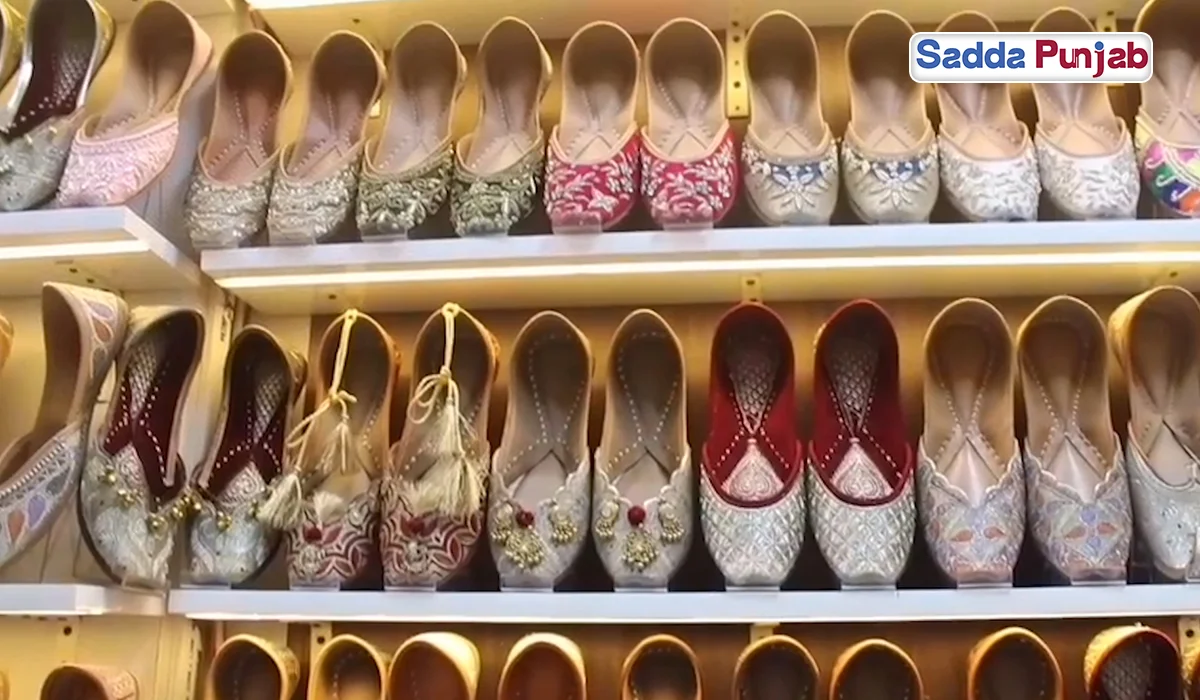

Patiala, the royal city of Punjab, is known across the world for its rich heritage and traditional craftsmanship that dates back to the era of kings and maharajas. Whenever Patiala is mentioned globally, its iconic footwear—the Patiala jutti—comes to mind. It is not merely footwear, but a symbol of Punjabi culture and the identity of handcrafted artistry.
Its origins trace back to the royal courts of Patiala, where kings and nobles wore it as a mark of prestige. Even today, Patiala’s famous Jutti Bazaar remains the hub of this craft, where hundreds of artisans continue to keep this traditional trade alive through tireless effort.
Handcrafted Art: How is the Jutti Made?
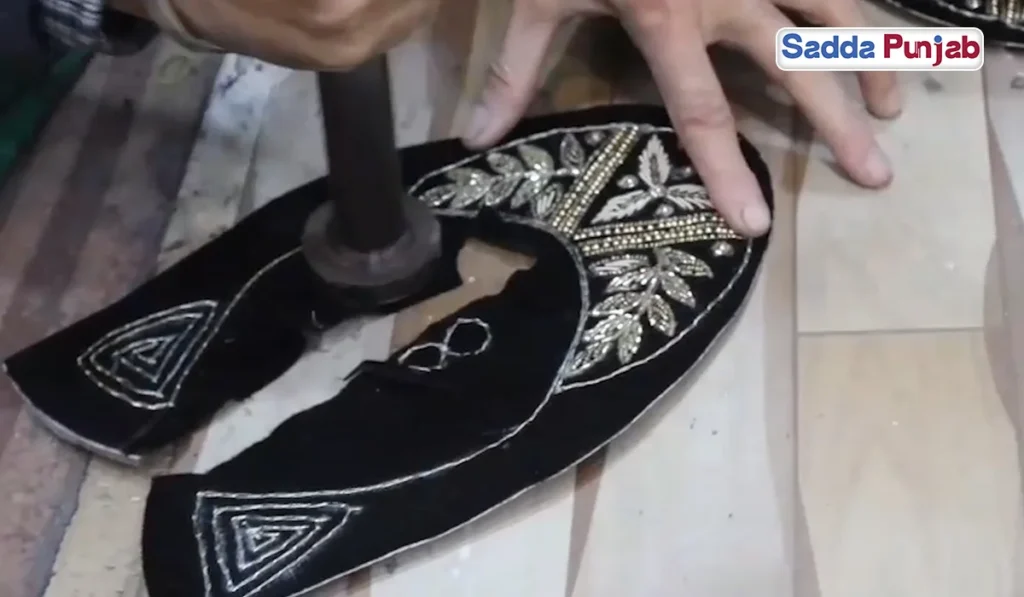
The most distinctive feature of the Punjabi jutti is that it is entirely handmade. The process is labor-intensive and requires precision.
First, the upper portion of the jutti is prepared. Artisans explain that intricate embroidery such as haadi and dabka work is done on it. During preparation, canvas is fixed using chemicals, followed by the addition of piping.
Once the upper part is ready, the sole is crafted and a leather base is attached underneath. The jutti is then shaped on a mold to achieve the correct form. Every stitch is done by hand, which makes it stronger and distinct from machine-made footwear.
A Legacy Craft and Historical Roots
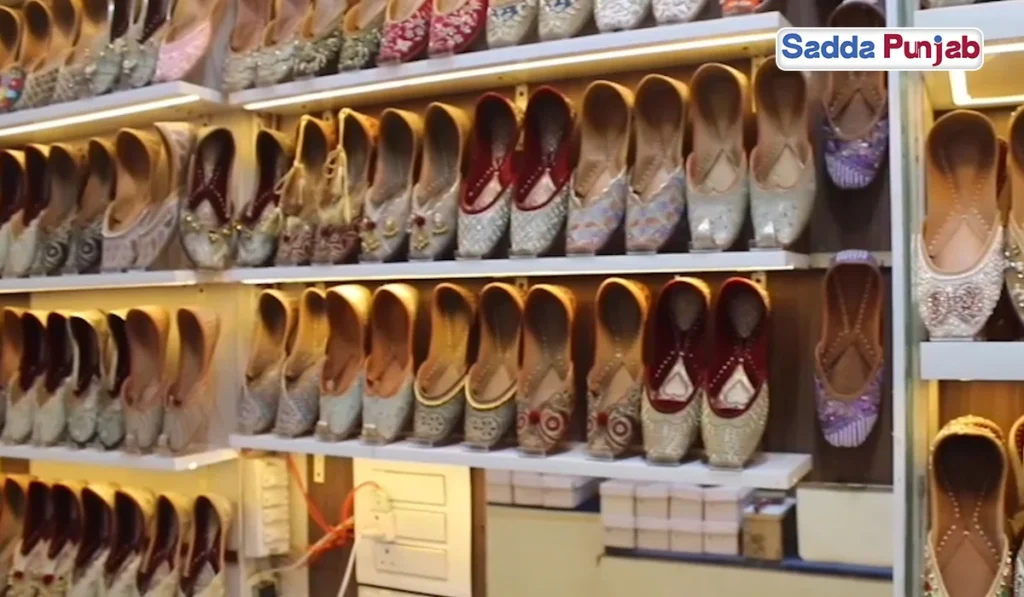
Many families working in Patiala’s Jutti Bazaar have been associated with this craft for generations. Their history is closely linked with the golden era of the Patiala princely state.
According to artisans, their forefathers initially made leather saddles for royal horses. Over time, they began crafting footwear for royal families. Many artisan families migrated from Rajasthan to Patiala. Initially, around 35 households were involved in this craft, which has now grown to thousands.
Today, these families are taking Patiala’s craftsmanship to global markets through their dedication and skill.
Economic Challenges
Despite its global recognition, the financial condition of the artisans remains weak. They say they work tirelessly day and night, yet do not receive fair value for their labor.
If four family members work together from morning till night, they manage to earn only around ₹700–800 per day. Sustaining a household on such income is extremely difficult. Artisans feel that their hard work does not translate into economic stability.
They demand government support so that they can secure their children’s future and expand this traditional craft.
Machine Age vs Handmade Craft
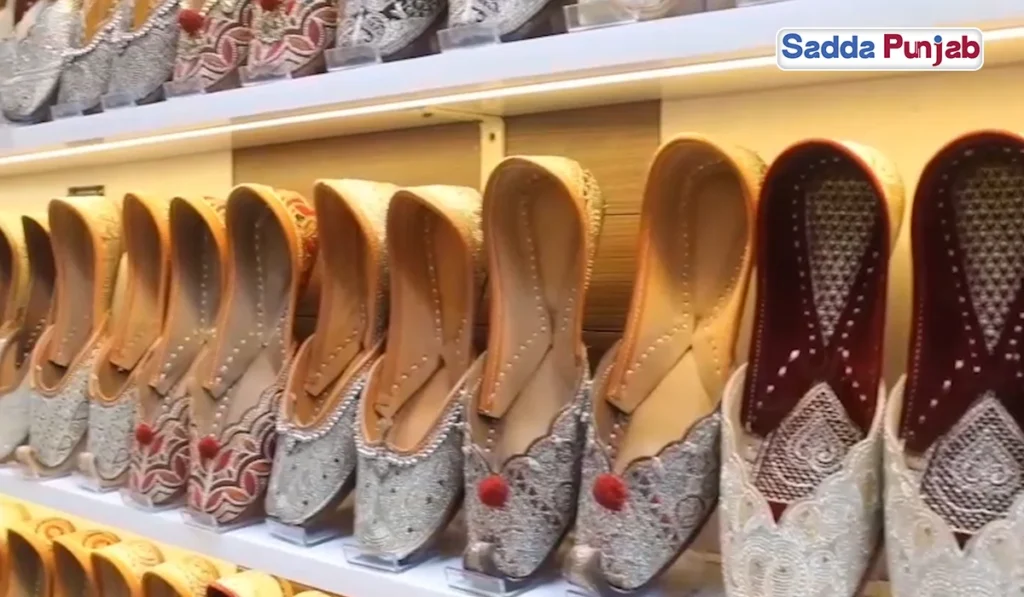
In today’s industrial era, handmade juttis face stiff competition from cheaper, machine-made footwear. While a handcrafted pair takes one to two days to produce, machines can manufacture hundreds in half a day.
Machine-made footwear is available in the market for ₹500–600, whereas authentic handmade leather juttis cost several thousand rupees. Shopkeepers believe machines have reduced the perceived value of handcraft.
However, true enthusiasts still prefer handmade juttis for their superior fit, comfort, and durability—qualities machines cannot replicate.
New Trends: Comfort and Design Evolution
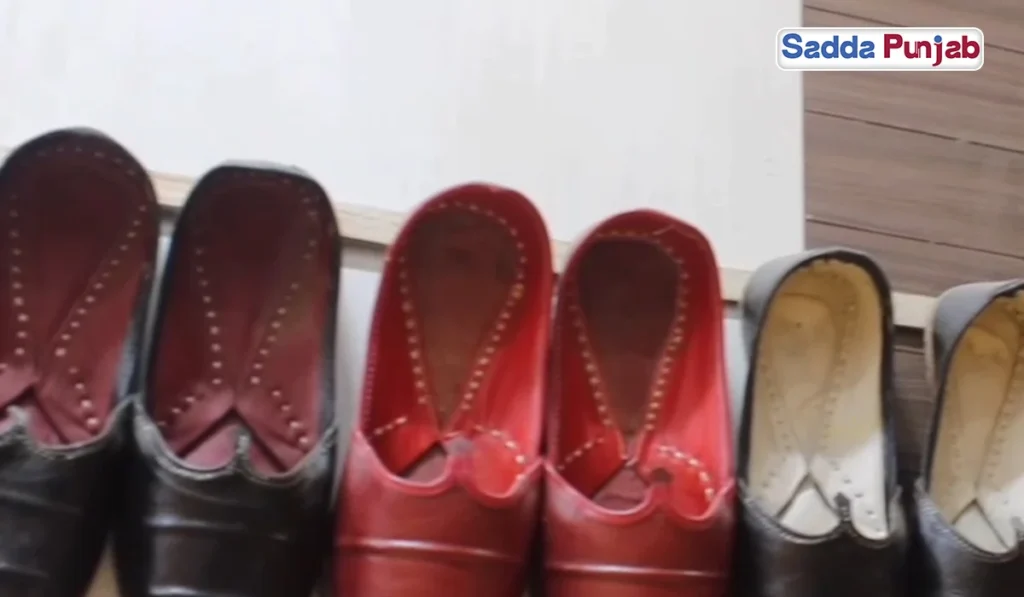
Earlier, one common complaint was that juttis were uncomfortable and stiff. However, modern juttis are now much softer and more comfortable. They can be worn like socks due to their leather inner lining.
In terms of design, besides the traditional round shape, U-shape and V-shape styles are now available. For women, floral embroidery, patchwork, and varied designs are trending. Back-open juttis have also gained popularity due to their ease of wear.
Global Demand and Popularity
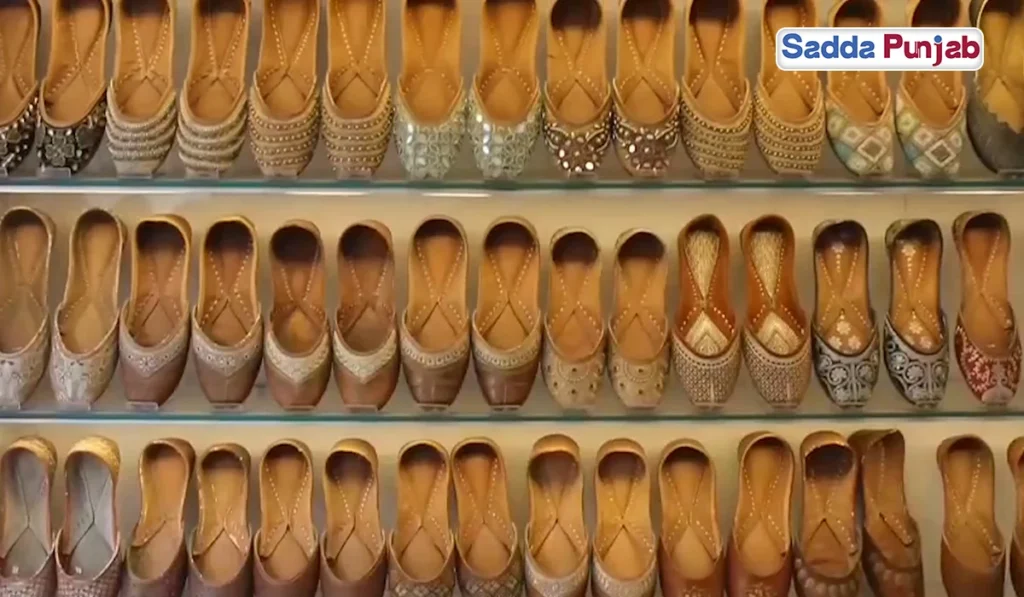
Patiala juttis are no longer limited to Punjab; they are now globally popular. Punjabis living abroad, especially in countries like Canada and the United States, often buy them during visits to India, particularly for weddings.
Juttis are no longer just party wear—they are increasingly worn as casual footwear. Phulkari juttis and loafer-style designs are especially popular internationally.
Declining Interest Among the Younger Generation
Senior artisans and shopkeepers express concern that the younger generation is losing interest in this craft. Due to high effort and low income, many young artisans are moving away from this hereditary profession.
If this trend continues, only a handful of craftsmen may remain in the future. Shopkeepers urge people to support handmade leather juttis so that this centuries-old craft does not disappear.
The Need to Preserve Heritage
The Patiala Shahi jutti is an essential part of Punjabi culture. This craft has been passed down through generations—from grandfathers to fathers and now to the present generation.
However, to keep this heritage alive, it is important not to forget handmade artistry in the lure of machines. We must promote this pride of Punjab and respect the hard work of artisans so that the royal jutti continues to adorn Punjabi feet for generations to come.

Leave a Comment