
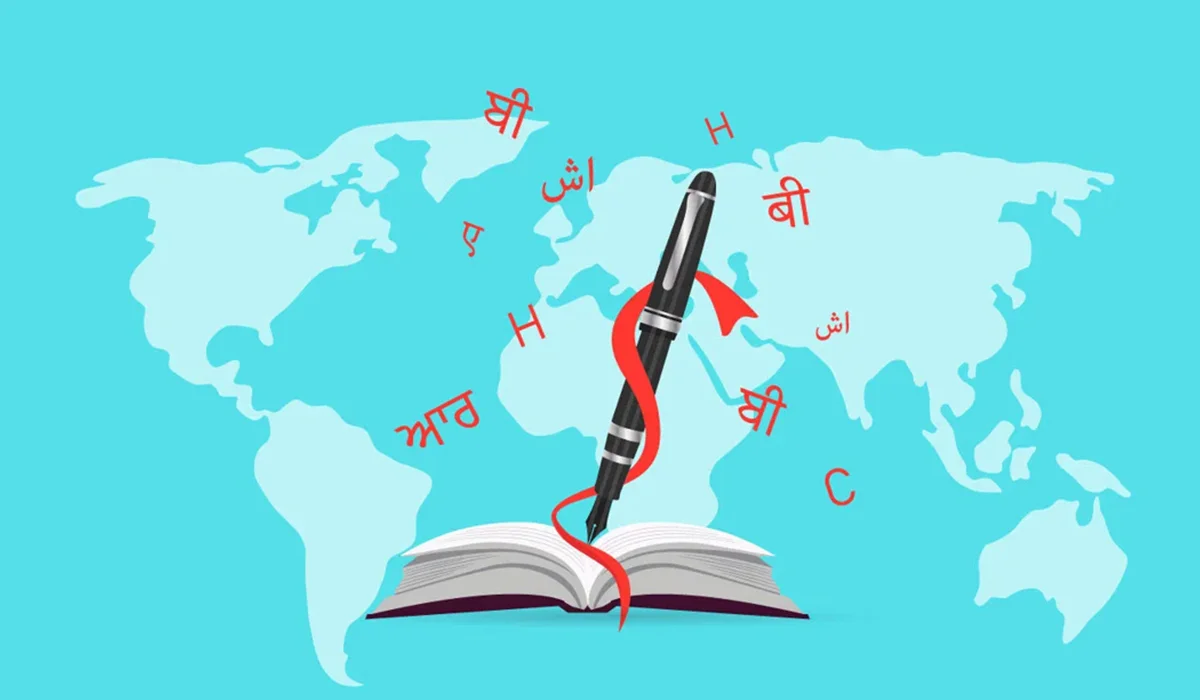

Language is the essence of our existence – the lullabies we heard in childhood, the songs that shape our values, and the heritage that passes from one generation to the next. Celebrated every year on February 21, International Mother Language Day not only promotes linguistic and cultural diversity but also conveys the message of preserving lesser-spoken languages across the world and encouraging multilingualism.
UNESCO declared International Mother Language Day in 1999 and today it has become a major global movement for the preservation of languages. Especially in a diverse country like India, where there are 22 official languages and thousands of dialects, this day reminds us to safeguard our mother tongue, Punjabi. Research shows that children acquire their mother tongue more naturally and rapidly than any other language. Education imparted in the mother tongue helps develop a child’s original thinking abilities. A mother tongue preserves folk songs, idioms, stories, and history. When a language disappears, the entire culture associated with it also fades away.
A Person Learns Their Mother Tongue in Their Mother’s Lap
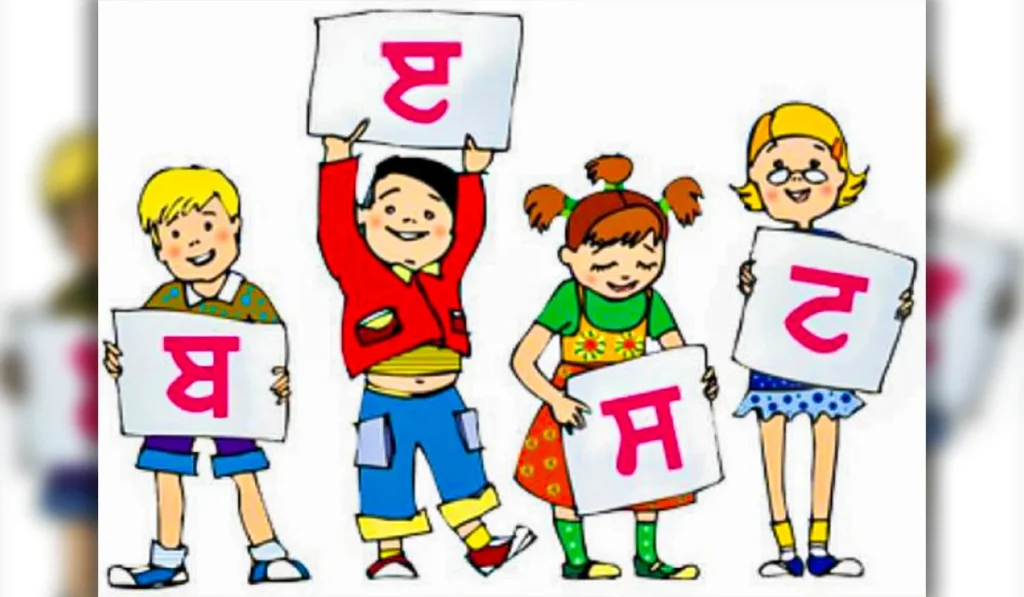
The mental peace and self-confidence that come from speaking in one’s mother tongue cannot be experienced in any other language. A mother tongue is the language a person learns after birth, in the lap of their mother. It is not merely a medium of communication but an inseparable part of one’s culture, heritage, and identity. To recognize the importance of mother tongues worldwide and to create awareness about them, International Mother Language Day is observed every year on February 21.
Historical Background of International Mother Language Day
The origin of this day lies in a struggle-filled history. In 1952, in Bangladesh (then East Pakistan), students launched a major movement demanding that their mother tongue, Bengali, be recognized as a state language. On February 21, 1952, police opened fire on students at Dhaka University, and several young protesters were martyred. In remembrance of their sacrifice and to promote linguistic diversity, UNESCO declared February 21 as International Mother Language Day in 1999. This movement played a crucial role in the recognition of Bengali as a state language and later became a foundational moment in Bangladesh’s struggle for independence.
43% of the World’s Languages Are at Risk
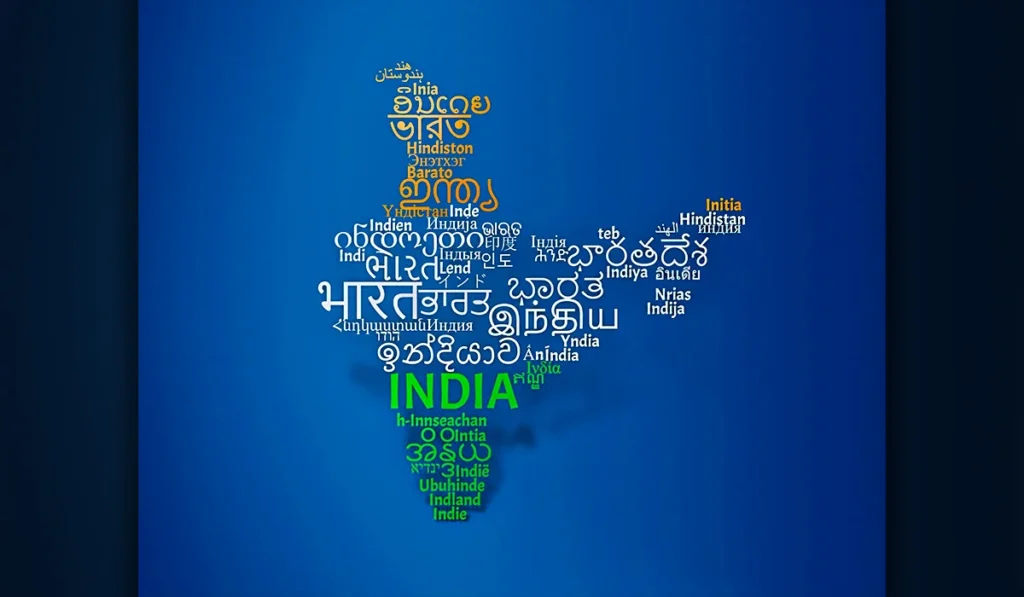
Today, this day is observed worldwide to promote language preservation and diversity. It is estimated that around 7,000 languages are spoken worldwide, but according to UNESCO reports, 43% of them are endangered. This day reminds us that languages are not only tools of communication but also essential carriers of culture, history, and identity.
By preserving linguistic diversity, we promote shared development, peace, and inclusive societies. In India, where Punjabi, Hindi, Tamil, and many other languages reflect immense diversity, this day encourages the use of mother tongues in education and daily life. Punjabi, which resonates in the verses of Guru Nanak Dev Ji and the poetry of Sufi saints, today faces challenges due to globalization.
How to Preserve the Mother Tongue: A Social Message
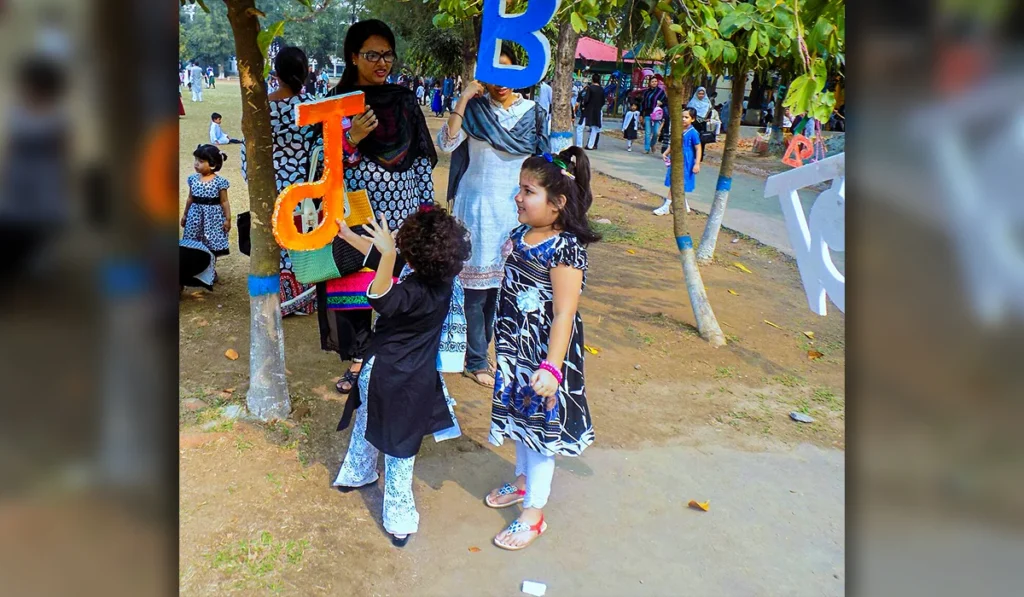
In today’s globalized world, the dominance of English and other major languages is putting smaller languages at risk. However, we can take several steps to preserve our mother tongue. Speak to children in your native language. Connect them to it through lullabies, stories, and songs. This will teach them the sweetness of the language and keep the culture alive.
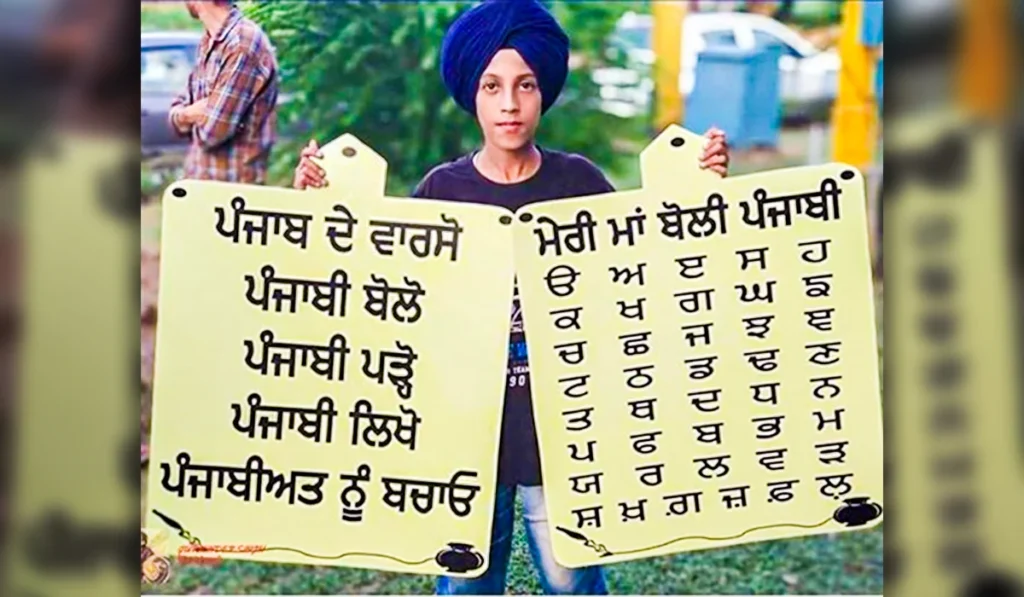
Introduce mother tongue education in schools and universities. In Punjab, making Punjabi compulsory at the primary level can help preserve it. UNESCO also promotes multilingual education.
Read Punjabi books, newspapers, and watch Punjabi films. Post in Punjabi on social media to engage the younger generation. Encourage writers and artists. Urge governments to frame policies for language preservation, such as establishing language academies and providing funding. Organize community workshops and festivals. Modernize the language through digital tools like apps and online courses.
Learn other languages, but do not forget your mother tongue. Multilingualism fosters development, but roots must remain strong.
A mother tongue is the voice of our soul. Preserving it is not only the responsibility of governments but our moral duty. On International Mother Language Day, let us pledge to cherish our mother tongue, uphold its dignity, and pass this rich heritage on to future generations.

Leave a Comment