


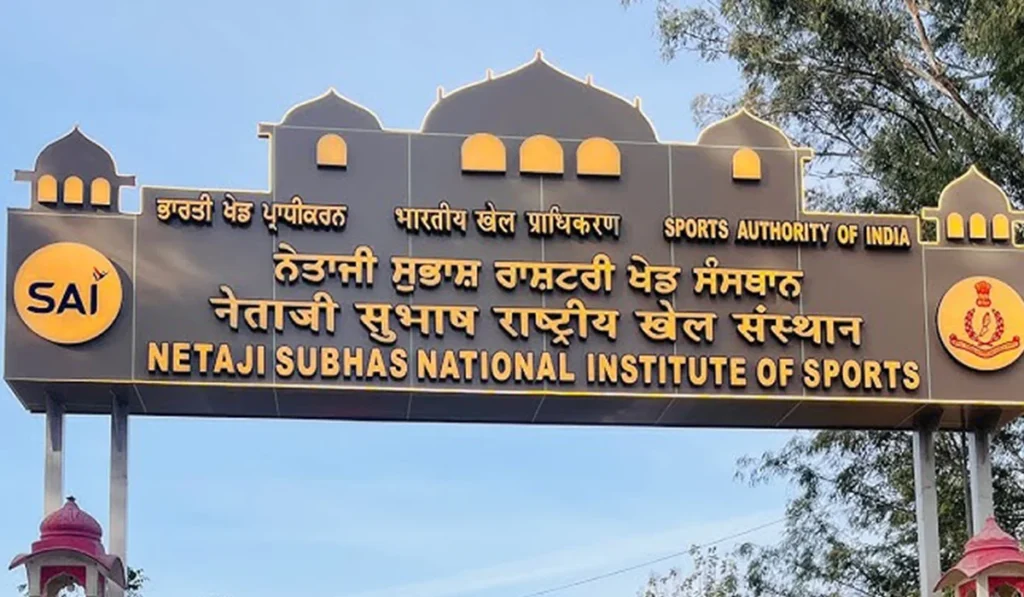
The land of Punjab has for centuries been associated with bravery, strength, and a deep sporting spirit. The youth of this region have consistently proven their excellence in wrestling, hockey, athletics, and other sports. However, when it comes to modern sports infrastructure, scientific training, and preparation at the international level, the first name that comes to mind is the Netaji Subhas National Institute of Sports (NIS), Patiala. This institution is not merely a sports centre; it is the foundational pillar of India’s sporting strength.
The institute is regarded as the oldest and most prestigious sports training centre in the country. Here, athletes are not only trained to run, jump, or compete, but are also provided scientific understanding of sports psychology, nutrition, strength training, and strategy. For this reason, NIS Patiala is often regarded as the premier centre of Indian sports Before major international competitions such as the Olympic Games, Asian Games, and Commonwealth Games, national team camps are frequently organized here.
The contribution of this institution is not limited to athletes alone. Thousands of coaches trained here are today promoting sports across various states of India. Operating under the Sports Authority of India (SAI), the institute has established India as a strong sporting nation on the global map by providing training aligned with international standards. For Punjab, it is a matter of pride that such a historic and prestigious sports centre is located on its soil, having taken youth from village playgrounds to the world stage.
History and Establishment
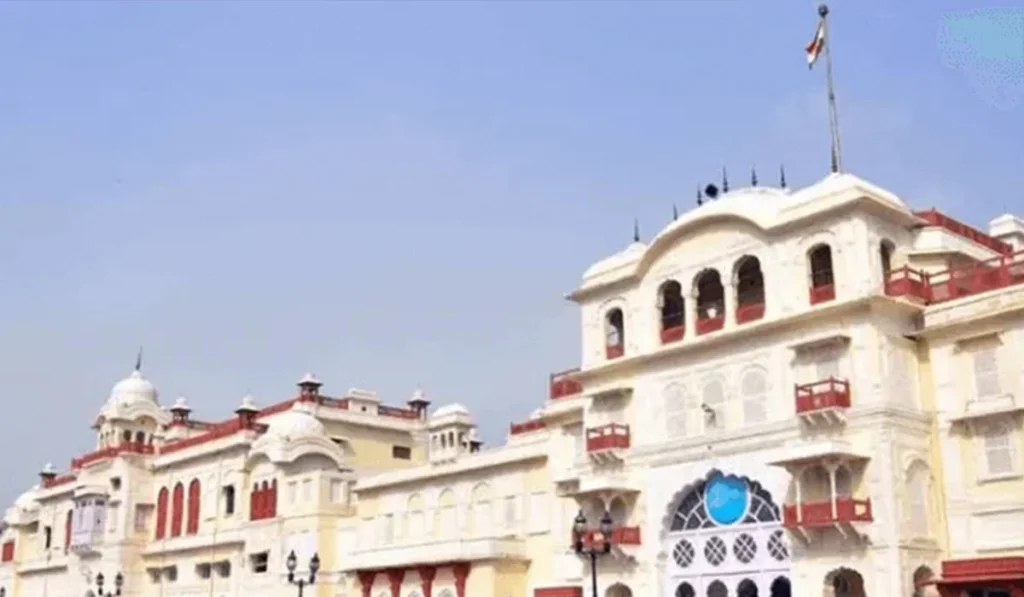
The Netaji Subhas National Institute of Sports was established on 7 May 1961. Its primary objective was to provide a scientific foundation to sports in India and to develop international-level athletes and coaches. In the post-independence period, the country required a centre where athletes could receive structured and modern training. With this vision, Patiala was chosen as the site for this important institution.
The institute is located in the historic Moti Bagh Palace in Patiala. Moti Bagh Palace was originally the grand residence of the royal family of Patiala. Surrounded by expansive gardens, royal architecture, and open grounds, the palace is renowned for its architectural beauty and historical significance. It was later dedicated to the welfare and bright future of the nation’s athletes, marking a significant step in Punjab’s sporting tradition.
Spread across approximately 268 acres, this vast campus has become a central hub for Indian sports preparation. It presents a beautiful blend of historic royal structures and modern sports facilities. On one side stands architecture marked by history; on the other are synthetic tracks, hockey fields, gymnasiums, and sports science laboratories. The institute is not merely a training centre but an important chapter in India’s sporting history, having strengthened the nation’s presence on the international stage for decades.
Notable Athletes and Achievements
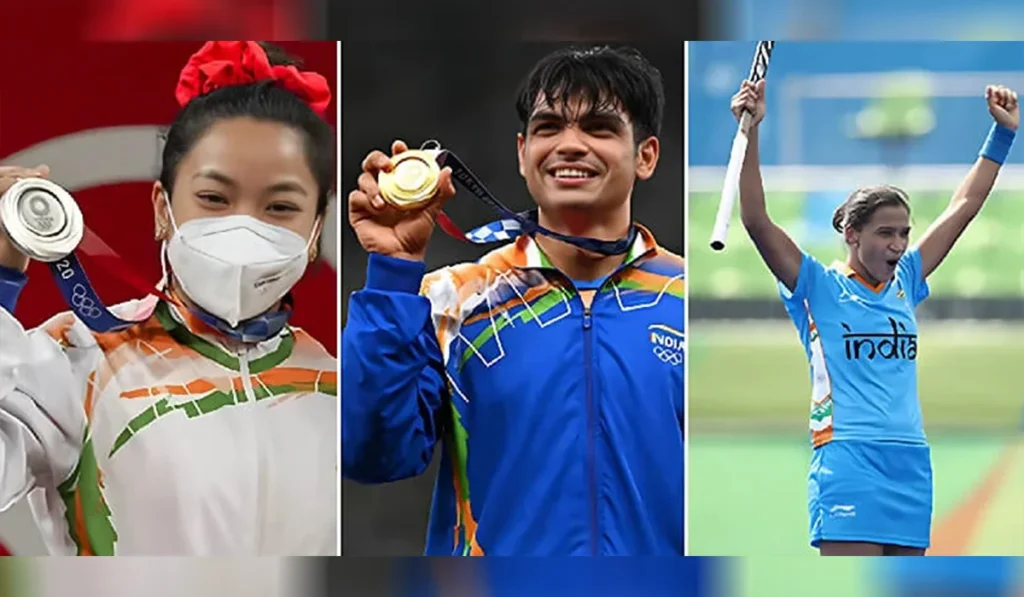
Several internationally renowned athletes have been associated with NIS Patiala and have enhanced India’s prestige globally. In athletics, Neeraj Chopra wrote a new chapter in India’s history by winning an Olympic gold medal. Significant phases of his training took place at NIS Patiala, where he refined his skills through scientific training and expert coaching.
In hockey, legends such as Ajit Pal Singh and Balbir Singh Senior brought pride to the nation by leading India to World Cup victories. These players shared a strong association with the institute, and its rigorous training contributed to strengthening their performance.
In boxing, Mary Kom, a six-time world champion, frequently trained here during national camps. Similarly, Vijender Singh brought new recognition to Indian boxing by winning an Olympic medal. In wrestling, the Phogat sisters, Geeta Phogat and Babita Phogat, also trained here during national camps and won medals at the Commonwealth Games.
In addition, numerous athletes from athletics, weightlifting, wrestling, hockey, and boxing have trained at this institution. Their achievements demonstrate that NIS Patiala is not merely a training centre, but the strong foundation from which many of India’s sporting stars have shone on the global stage.
Coaching Courses and Education
The institute is considered the most prestigious centre for coaching education in the country. The National Coaching Diploma Course offered here is among the highest-level and most recognized certifications for becoming a coach in India. Admission to this course involves a rigorous selection process, including a written examination, practical tests, and interviews. Selected trainees are taught not only the technical aspects of sports, but also training planning, long-term athlete development strategies, and international coaching standards.
Specialized coaching programs are conducted for various sports disciplines, with equal emphasis on theory and field practice. Trainees are also educated in sports management, team leadership, anti-doping regulations, athlete safety, and discipline. The institute regularly organizes refresher courses and advanced workshops to ensure that coaches remain updated with emerging technologies and the latest research in sports science.
In this way, the institution not only produces athletes but also develops capable and professionally trained coaches who strengthen India’s sports system and play vital roles in various states and national teams.
Infrastructure and Scientific Approach
The infrastructure of the institute is designed according to international standards. The athletics synthetic track is constructed with a specialized rubberized surface to provide athletes with optimal grip and safety. For hockey, there is an astro-turf field as well as a professional grass ground. Modern gymnasiums, weightlifting platforms, and indoor halls have been developed keeping professional standards in mind. Proper drainage systems, accurate leveling, and regular maintenance ensure uninterrupted training throughout all seasons.
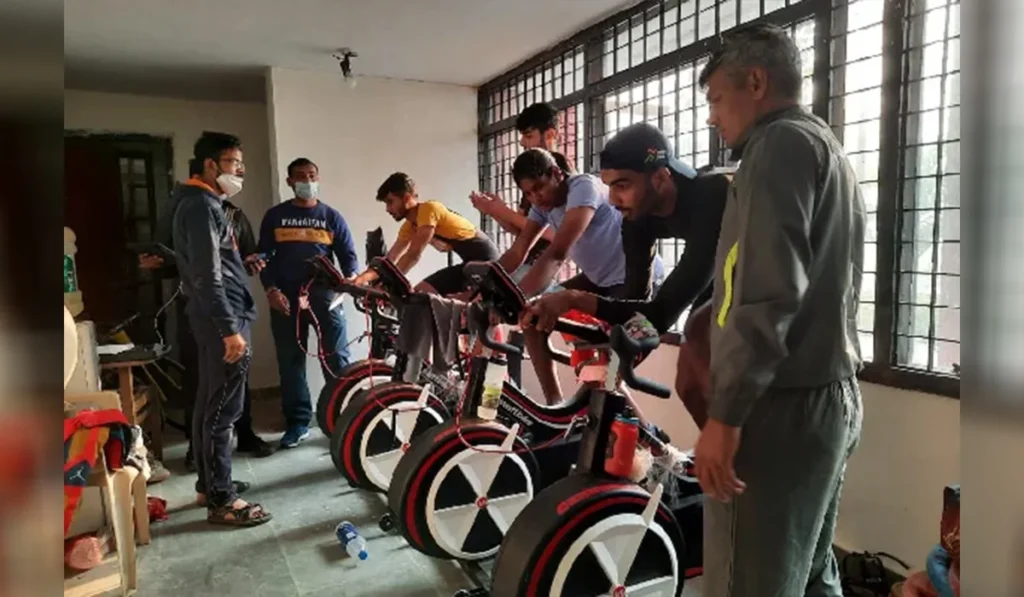
Alongside infrastructure, the institute’s scientific approach is its greatest strength. In sports science laboratories, athletes’ strength, speed, and endurance are evaluated. Biomechanics and video analysis are used to refine technique, while sports psychology and nutrition departments prepare athletes mentally and physically. A data-driven system monitors each athlete’s progress, enabling them to compete effectively at the international level.

Leave a Comment