
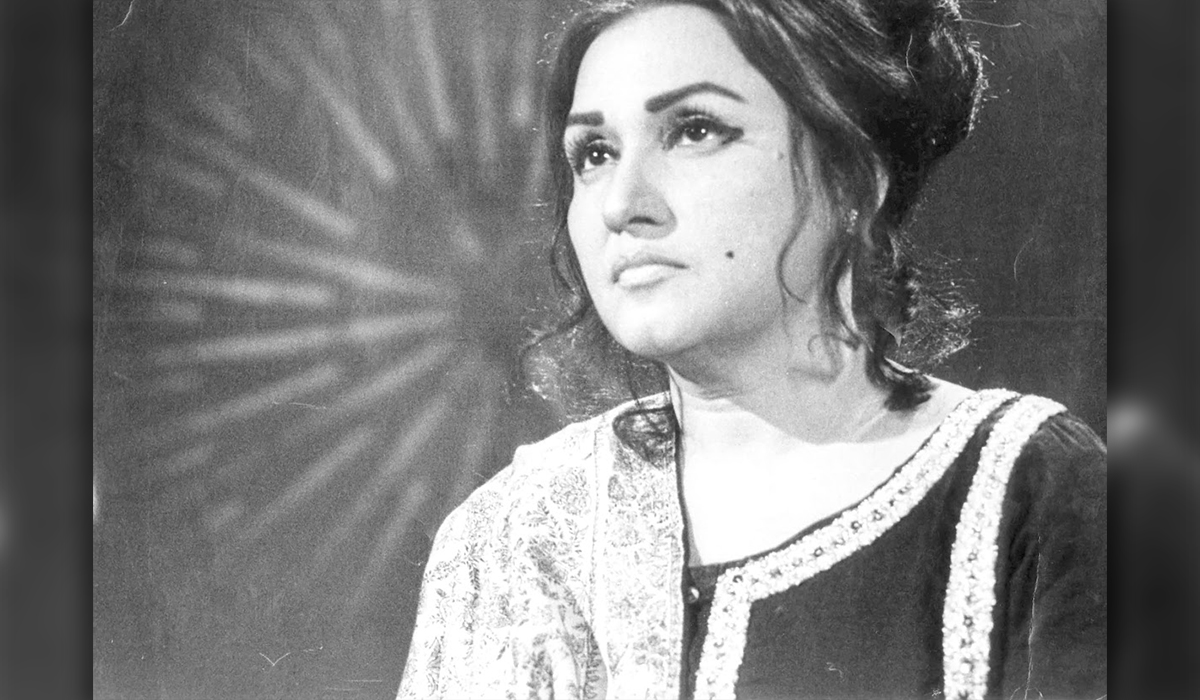

Eastern and Western Punjab share a great deal in common. Just as the legendary singer Bibi Surinder Kaur is called the Nightingale of Punjab on the Indian side, the celebrated Punjabi and Urdu singer Noor Jehan, known as Malika-e-Tarannum (Queen of Melody), reigned supreme in Western Punjab. Noor Jehan recorded nearly 30,000 songs in various languages, including Urdu, Punjabi, Sindhi, and others. She was also widely known as the Nightingale of the East, the Queen of Hearts, and the Nightingale of Punjab.
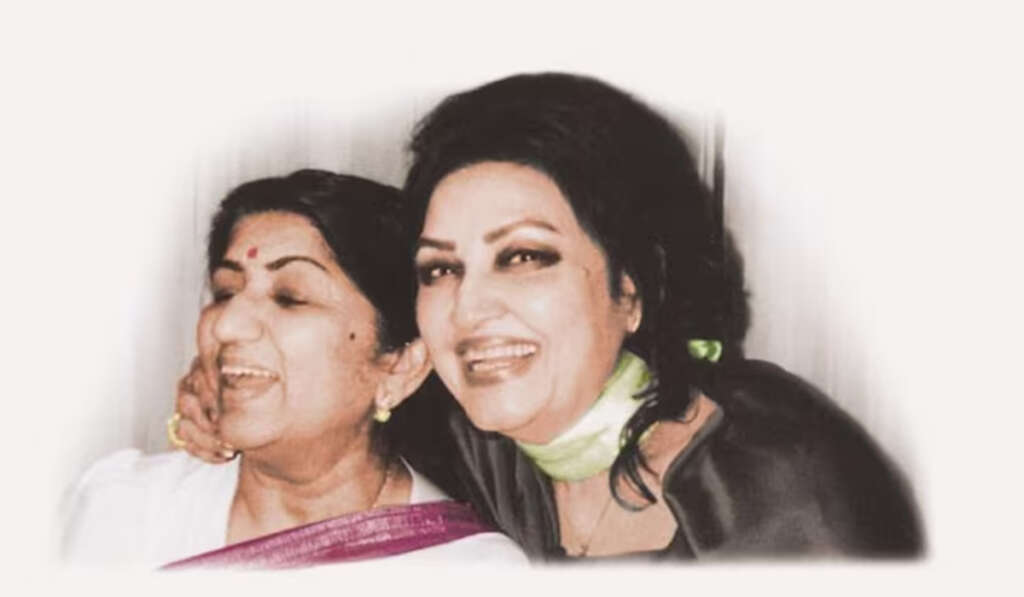
If we speak of India, there was no parallel to the Swar Samragni Lata Mangeshkar in any medium. Similarly, in the neighbouring country, Noor Jehan—renowned as a playback singer, music composer, actor, and director—needed no introduction. While she is often remembered for her captivating style and certain well-known anecdotes, here we focus only on her personal life and artistic brilliance.
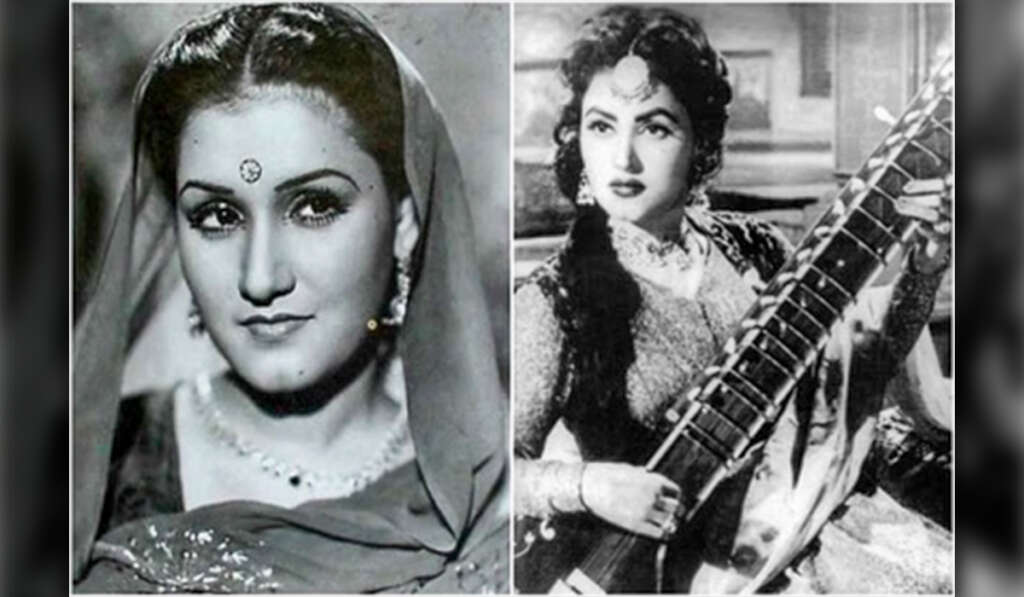
Noor Jehan was born on 21 September 1926, before the Partition of India, in a neighbourhood of Kasur, a city of undivided Punjab. She was born to Fateh Bibi and Madad Ali. Her family had long been associated with music, which is why Noor Jehan began singing at the tender age of five or six. Recognising her talent, her mother sent her to learn music under Ustad Ghulam Ali Khan, where she received training in Indian classical music, thumri, dhrupad, and khayal.
Malika-e-Tarannum Noor Jehan
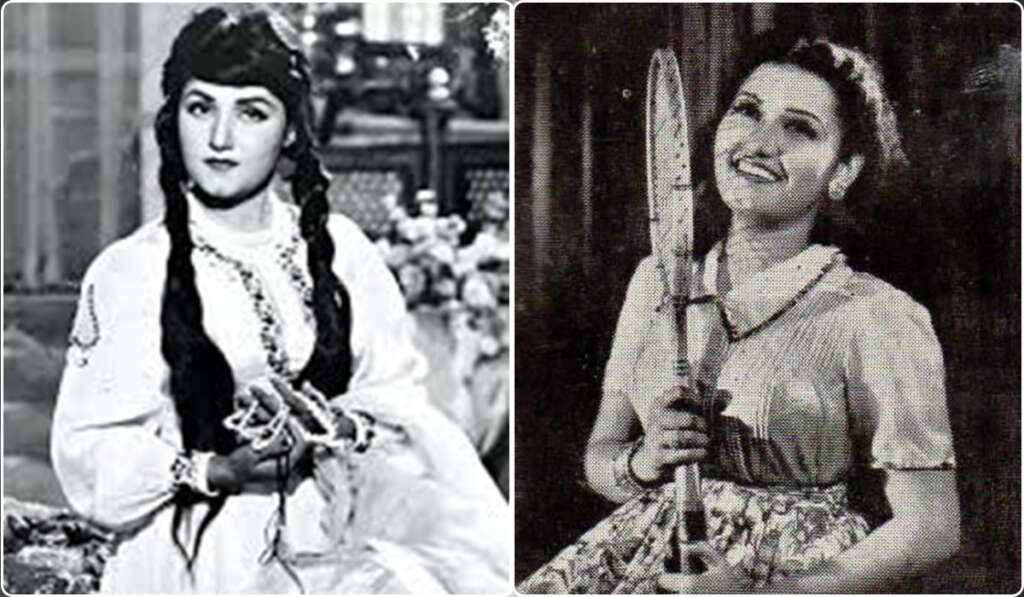
Noor Jehan came to be remembered as Malika-e-Tarannum. In the early 1930s, hoping to develop the film careers of Noor Jehan and her elder sisters Eiden Bai and Haider Bandi, the entire family moved to Calcutta with theatre owner Diwan Sardari Lal. There, Mukhtar Begum encouraged the sisters to enter film companies and recommended them to various producers.
Most of Noor Jehan’s childhood was spent in Calcutta. Growing up in a deeply musical environment, she began acting in films at the age of six, under the name Baby Noor Jehan. In 1935, she performed impressively with her sisters in the Punjabi film “Pind Di Kudi”, directed by K.D. Mehra, and also sang songs for the film, including:
“Around my neck is a red scarf,
Beloved, I ask to be with you.
Whether good or bad, my dear,
Come cross the Chenab ferry.
I sacrifice myself for your name, my love,
Come cross the Chenab ferry.”
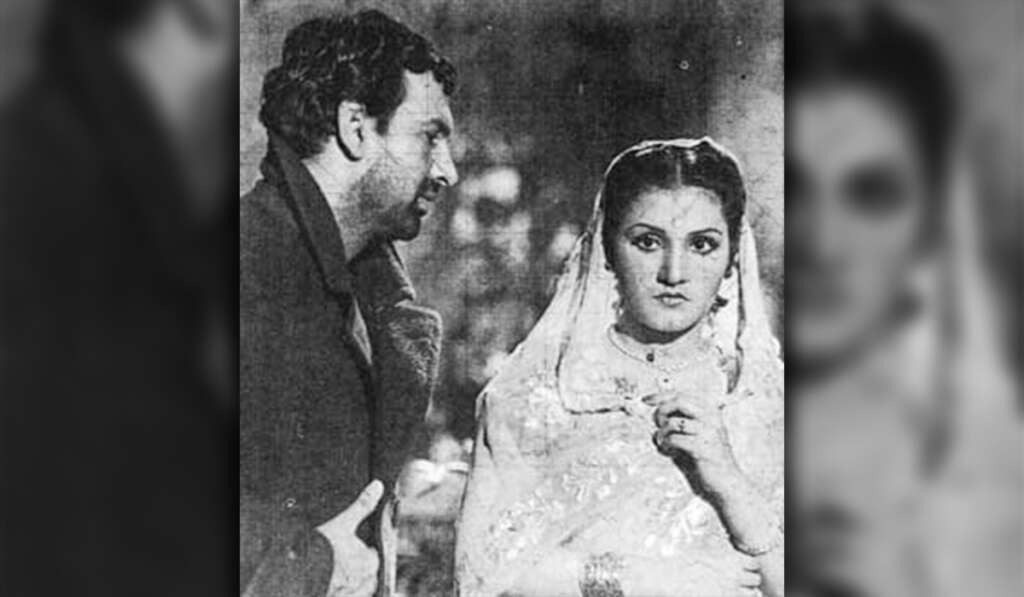
This film became one of her early hits. She later acted in “Misr Ka Sitara” (1936), singing for composer Damodar Sharma, and played the childhood role of Heer in “Heer-Siyal” (1937). Although Noor Jehan began her journey primarily as a singer, she later earned great acclaim as an actor as well.
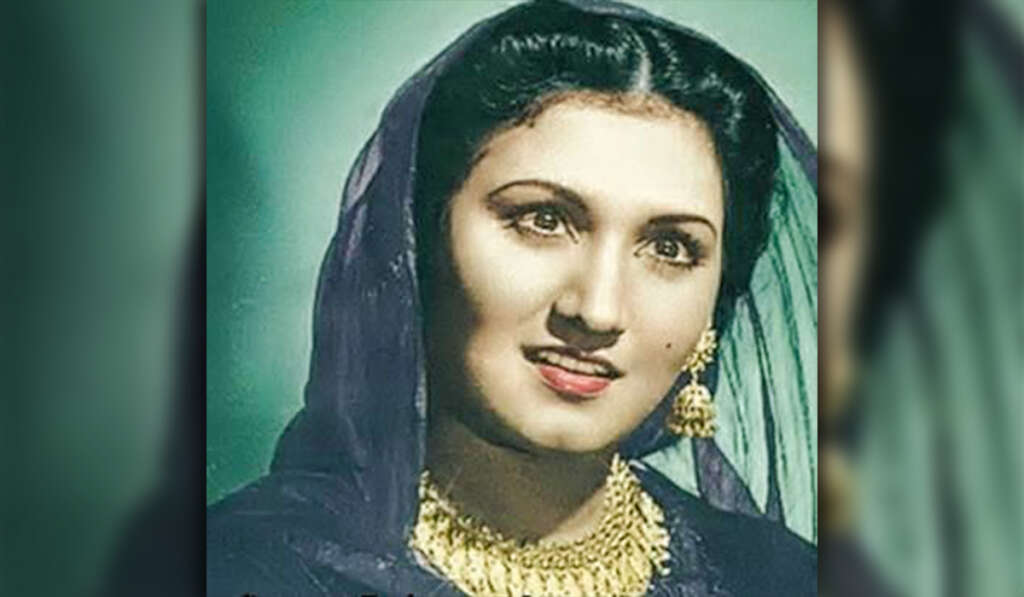
Initially working in Punjabi films, she later ventured into Hindi cinema and achieved success with her first Hindi film “Khandan.” After the Partition of 1947, she moved to Pakistan with her husband Shaukat Hussain Rizvi and settled in Lahore, where she continued acting in films and recording songs. Noor Jehan’s songs were like blessings of wandering saints—sometimes echoing the loneliness of desolation, sometimes travelling long paths toward spiritual annihilation (fanaa). Lines such as:
“Your paths and my searching eyes,
By God, you are nowhere to be seen,”
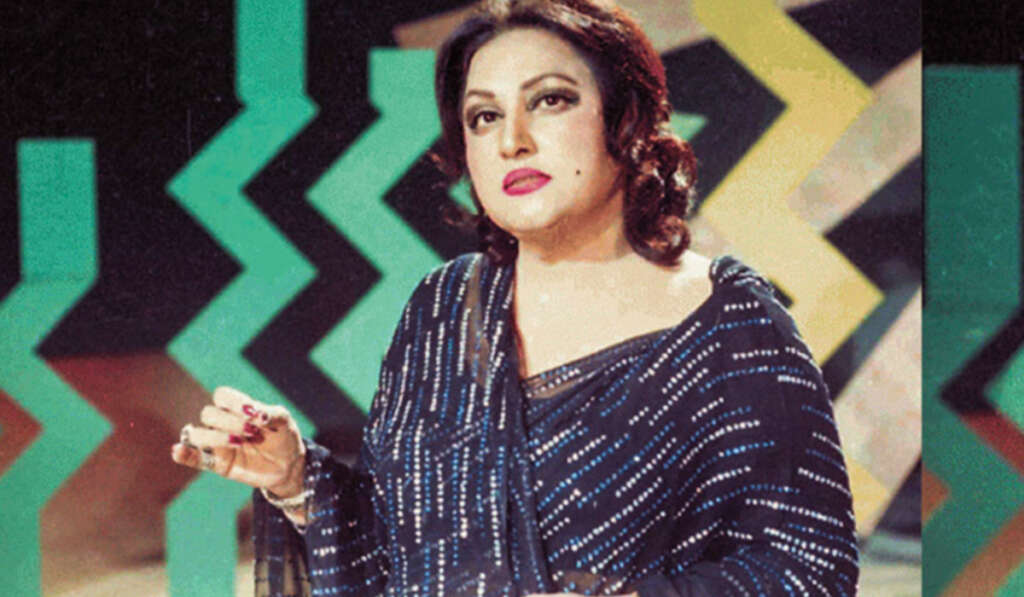
Noor Jahan summed up in words the play of Sheikh Farid and others which bestows the light of nature on the soul at the place of destruction. When Noor Jehan sang devotional verses, her voice carried a purity and depth reminiscent of great Sufi saints. She sang in many shades— from playful folk rhythms like “Kikli Kaleer” to the storms of youth and longing. Her voice reflected innocence, playfulness, beauty, pride, separation, and fear. Songs she sang for warriors and martyrs made her immortal, including:
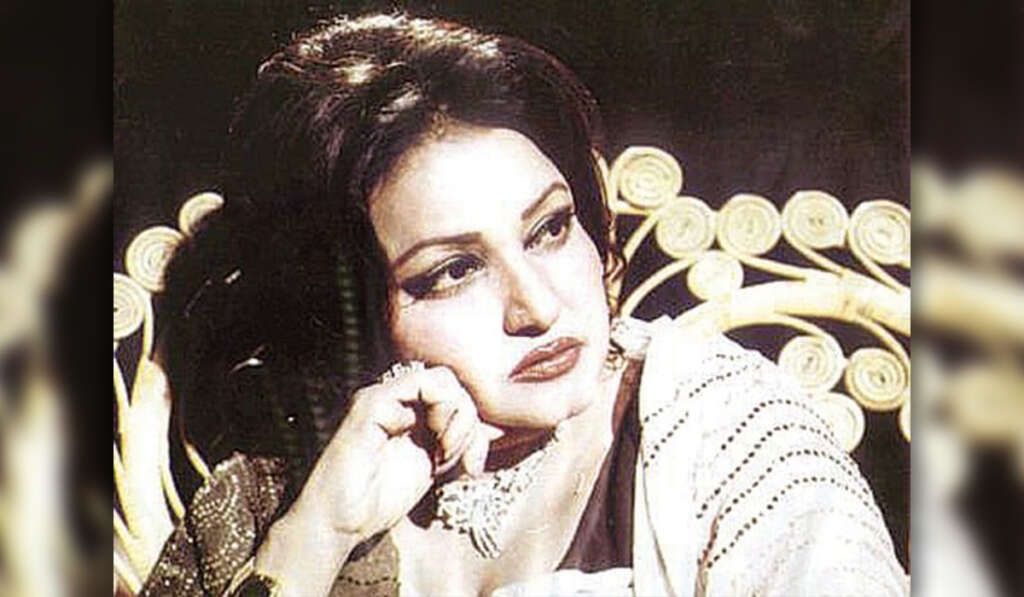
“These sons are not sold in markets,
You search for them in bazaars, girl.
This bargain is not even paid in cash,
Yet you seek it on credit, girl.”
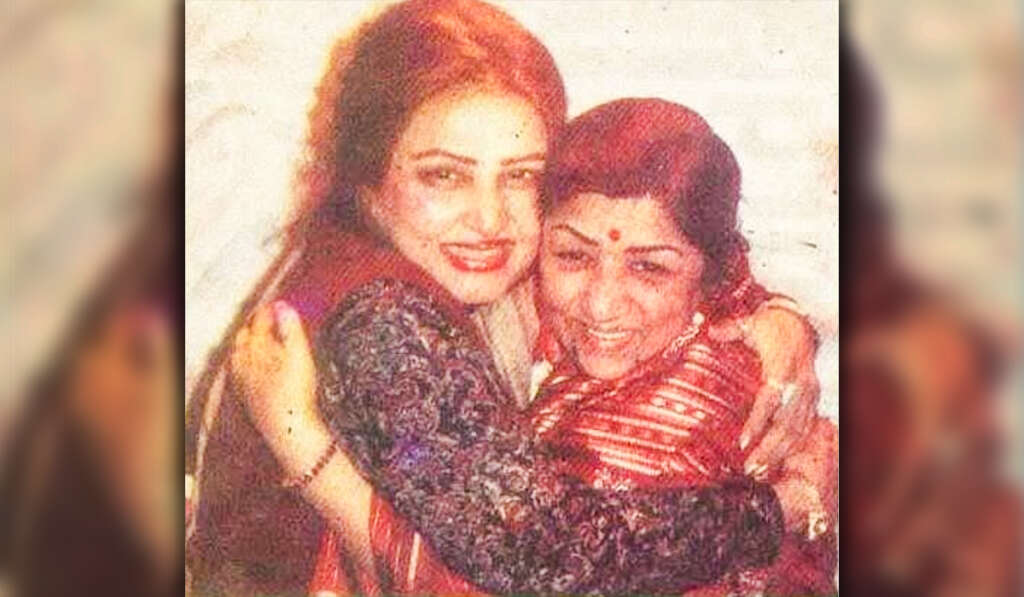
In 1982, after a gap of 35 years, Noor Jehan visited Mumbai and mesmerised audiences once again, reviving memories of a bygone era. She achieved greater fame than many of her contemporaries, including Mukhtar Begum, Kajjan Bai, Suraiya, and Begum Akhtar. Lata Mangeshkar herself remained deeply influenced by Noor Jehan’s singing since childhood.
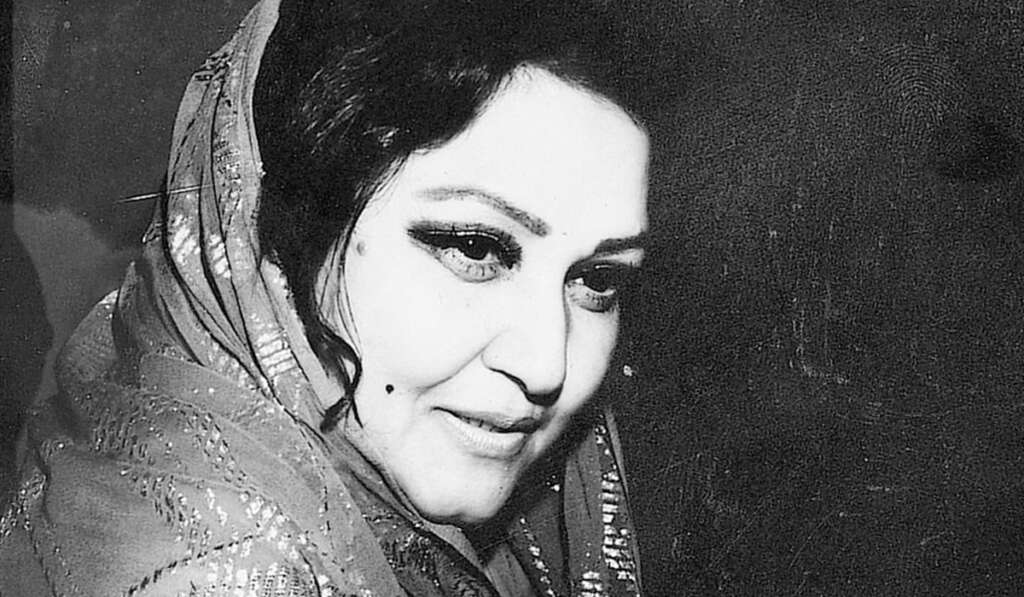
Beyond being a legendary singer and beloved actress, Noor Jehan was a warm-hearted, compassionate, socially conscious, and cheerful woman, deeply sympathetic toward the underprivileged. She wished to build a hospital in Kasur, but time did not permit her to realise this dream. Finally, the Malika-e-Tarannum bade farewell to the world on 23 December 2000, at the age of 74, in Karachi.

Leave a Comment