
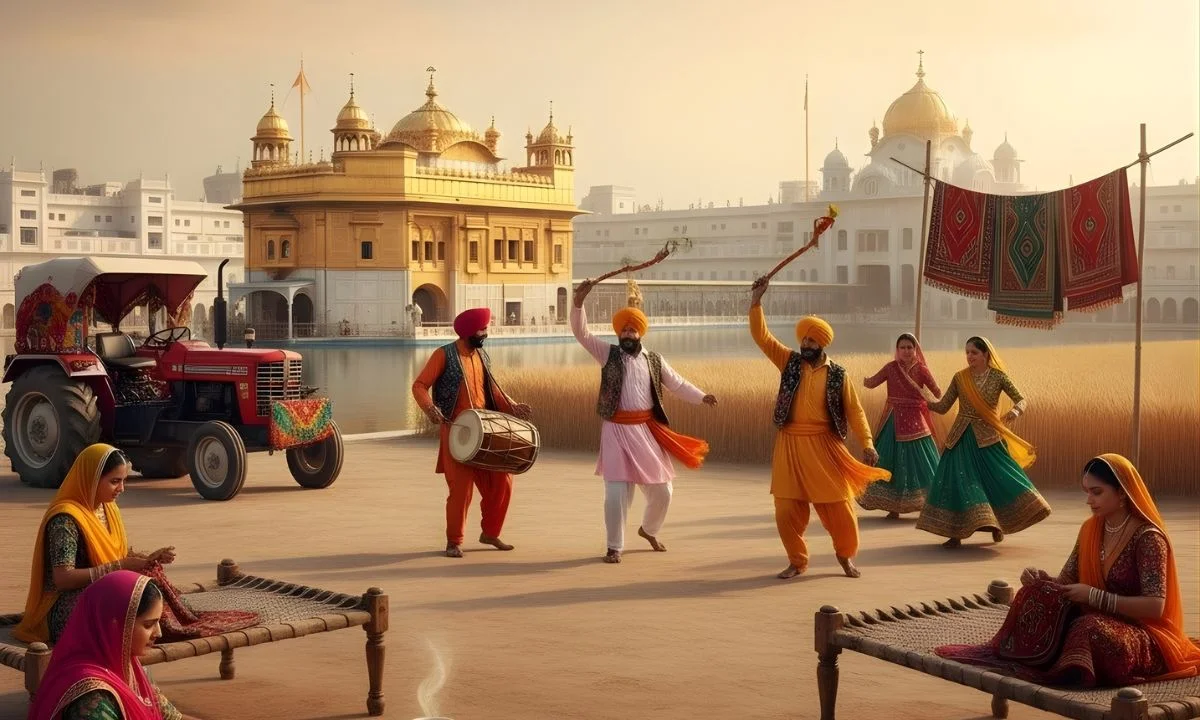

I started journalism in the late 1990s and within a few years I got the opportunity to report from Punjab. In those days, the state was emerging from the era of terrorism, but even in that era of struggle, the spirit of ‘Charddi Kala’ could be felt here. Charddi Kala is a bright and progressive meaning. It means always remaining positive, maintaining courage, passion and hope in every situation. In fact, it is something ingrained in the Punjabi lifestyle that inspires them to immerse themselves in their culture and struggle in difficult times.
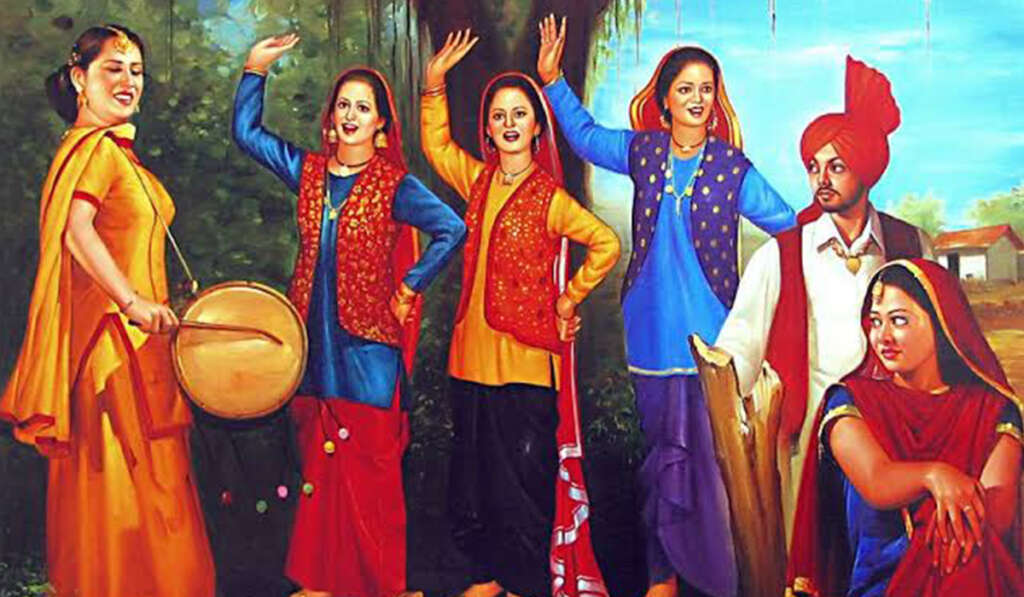
This same Charddi Kala is found everywhere in Punjabi art and literature – in the enthusiastic beat of folk songs, in the energy of Bhangra and in the spirit of Sufi poetry. This state has borne the brunt of the partition of the country in 1947. Even so, Punjabis and especially Sikhs, though they lost their homes and suffered the pain of being separated, did not let their art and culture go down. With the passage of time, the songs, music, dance and art of life in the ancient style adapted themselves to the changing times. This is the reason why that art is still alive and well in both new and old forms.
Folk art and the spirit of tradition
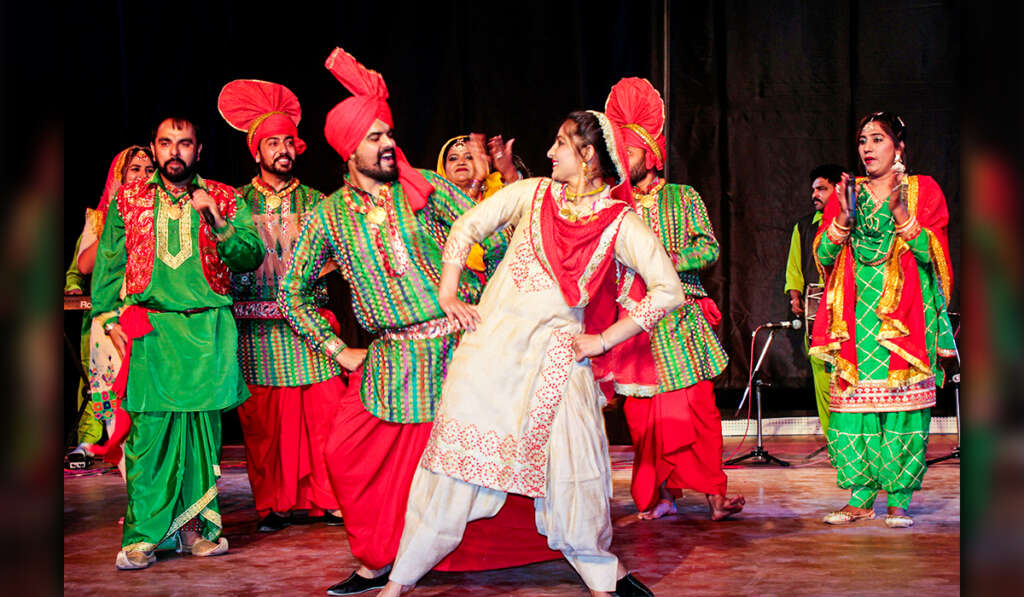
We can also feel the energy of Punjabi society through folk dances like Bhangra and Giddha. Punjabi dances, which are a living representation of our culture and which have always shown the joy of farmers during the harvest season, are today making waves on international stages. Tappe, Mahiya and Bolian in folk songs are the voice of the hearts of the Punjabi nation. Every color of life – love, love, humor, satire – is clearly visible in them. These styles, spreading the fragrance of rural culture, have not only given a good identity to Punjabi cinema but also to Hindi Mumbai films like Nikah, Naukar, Veerjaara, Jab Vi Met and Dil Dhadakne Do.
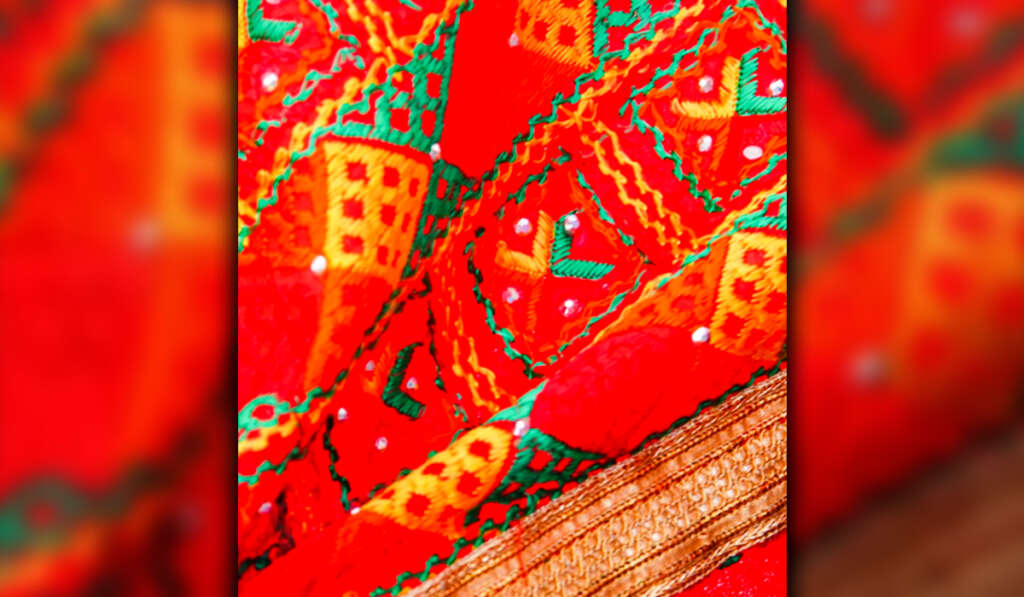
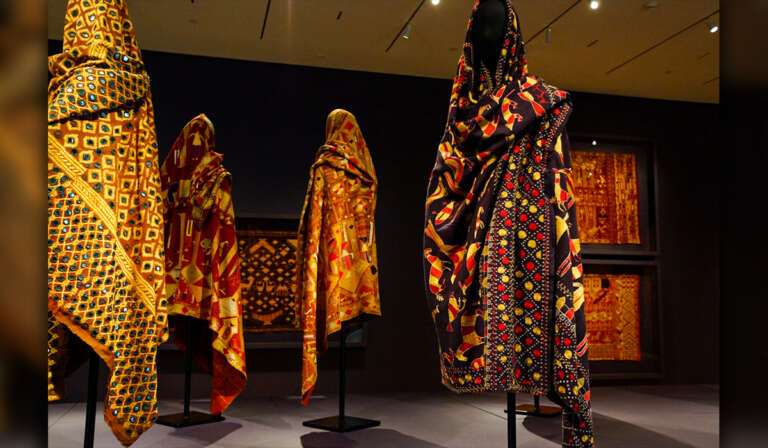
If we talk about handicrafts, then it seems incomplete without mentioning Phulkari. Embroidery done with colorful threads seems no less than a story. This art, which once flourished in the laps of grandmothers, is today walking on the fashion ramp. This art is prevalent in the villages of the rising and falling Punjabs, but Amritsar, Ferozepur and Patiala are its big centers. Not only this, Phulkari art has become a symbol of the pride of Punjabi culture all over the world, along with the UK, Canada, America and New Zealand. The Victoria and Albert Museum in London has preserved the ancient Phulkari embroidery style.
Skills and Crafts: The Magic of Clay
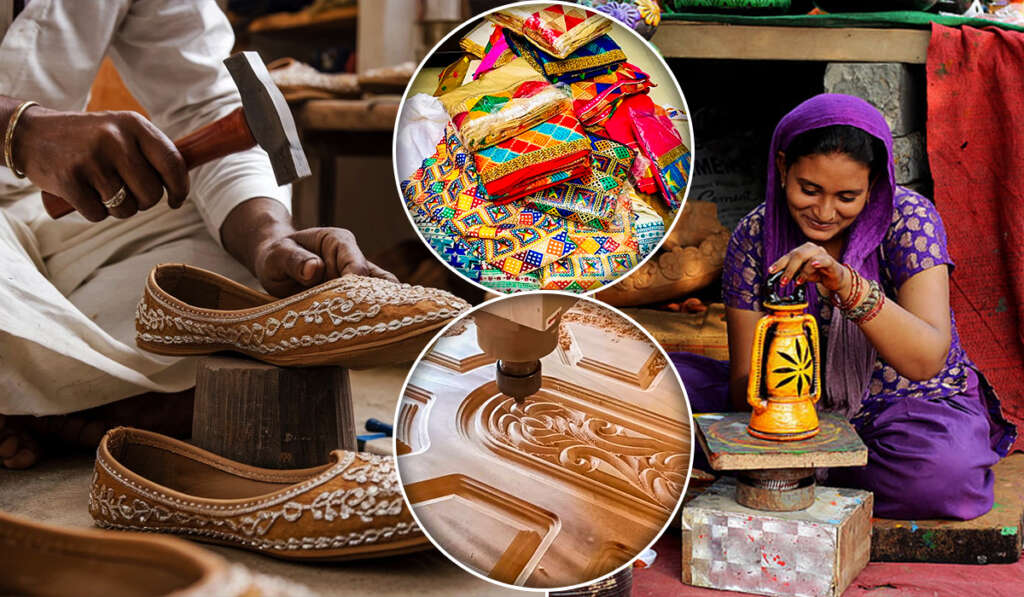
If Punjab’s art and crafts have reached international level despite being constantly modernized, it is because of the skilled artists and their creativity. Phulkari embroidery, shoe carving, fine woodwork and metal art – all these are traditions passed down from generations. Earlier, these arts were confined to homes and villages, but today young artists are reshaping them. Artists like designers Rupinder Kaur and Ravinder Kaur have transformed Phulkari into high fashion, with which the traditional skill has now reached the international market.
The modern transformation of music
Even when the country was partitioned, the common heritage of Punjab continued to flourish on both sides of the line. But the artists of Punjab in Pakistan got real love and respect only in our Punjab. Be it folk singer Alam Lohar, Sufi maestro Nusrat Fateh Ali Khan or Abida Parveen or anyone else. Punjabi art has reinvented itself but has not lost its soul. In the year 2000, I met Sufi singer Barkat Sidhu in Moga who introduced me to the subtleties of Sufi poetry and the art of artists living across the border.
After that, I met Hakam Sufi and many talented artists in Gidderbaha near Muktsar, which is also the native area of Punjabi singer Gurdas Maan. While Gurdas Maan adapted to the market style, Hakam Sufi, a teacher of fine arts, continued to sing in the villages in his own humble style. In the meantime, I read about singers like Surinder Kaur and Prakash Kaur who transformed women’s emotions into songs.
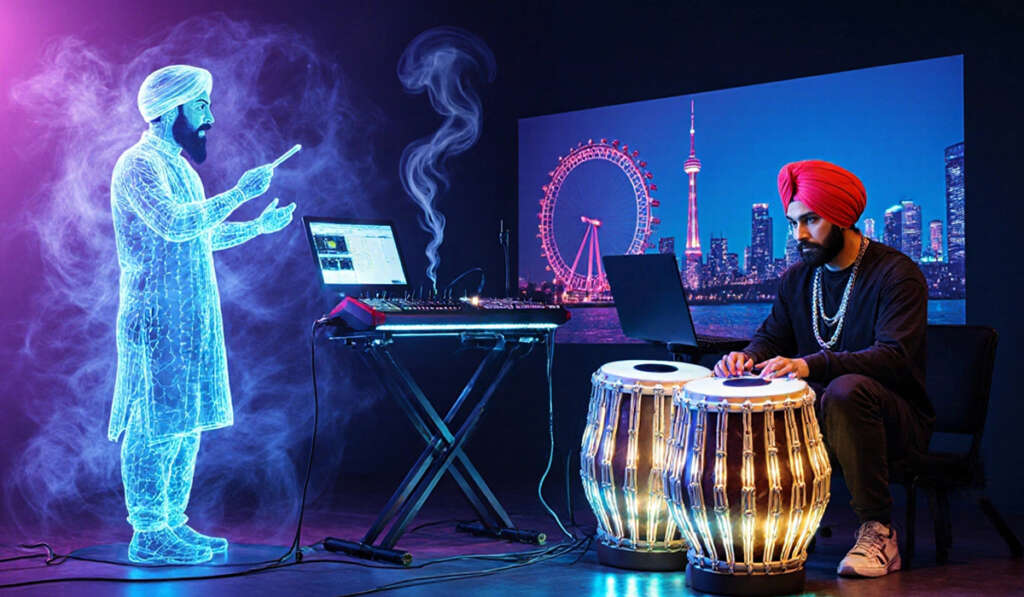
By meeting and learning about these artists, it was only after meeting them that I came to know how Punjabi songs, music and Giddha-Bhangra reached the international stages. In fusion music, the beat of the drum combined with electronic beats creates new magic. There was a period of Gurdas Maan and Daler Mehndi, then artists like Jasbir Jassi molded Punjabi folk songs into modern tunes and gave them a global identity.
New generation singers like Diljit Dosanjh, Guru Randhawa, Hardy Sandhu, Amrit Maan and Satinder Sartaaj are working as a bridge between tradition and modernity. Satinder Sartaaj’s Sufi songs combine the depth of Punjabi poetry with modern music. At the same time, artists like Diljit Dosanjh are seen dancing and singing effortlessly between Bhangra and pop.
Theatre, Painting and Modern Art
The theatre and painting world of Punjab is no less rich. Playwrights like Gursharan Singh brought social stories to the stage and made art a medium for social change. Today, new generation artists like Navdeep Kaur, Harinder Ghoshal are combining folk tales with modern stage and digital art. In painting, modern paintings based on traditional clay colors and Sufi themes are now seen in galleries, which are a modern depiction of the soul of Punjab.
The great Punjabi theatre legend Gursharan Singh, known as the Baba Bohar of Punjabi theatre, produced actors like Om Puri and Pawan Malhotra who left an indelible mark on the acting world by working in films both in the country and abroad.
Modernity connected to roots
The beauty of Punjabi art lies in the fact that it does not stand still but is constantly in flux. It is both old and new: traditional and experimental. It is an art that changes colour with time but never loses its earthy aroma.

Leave a Comment