
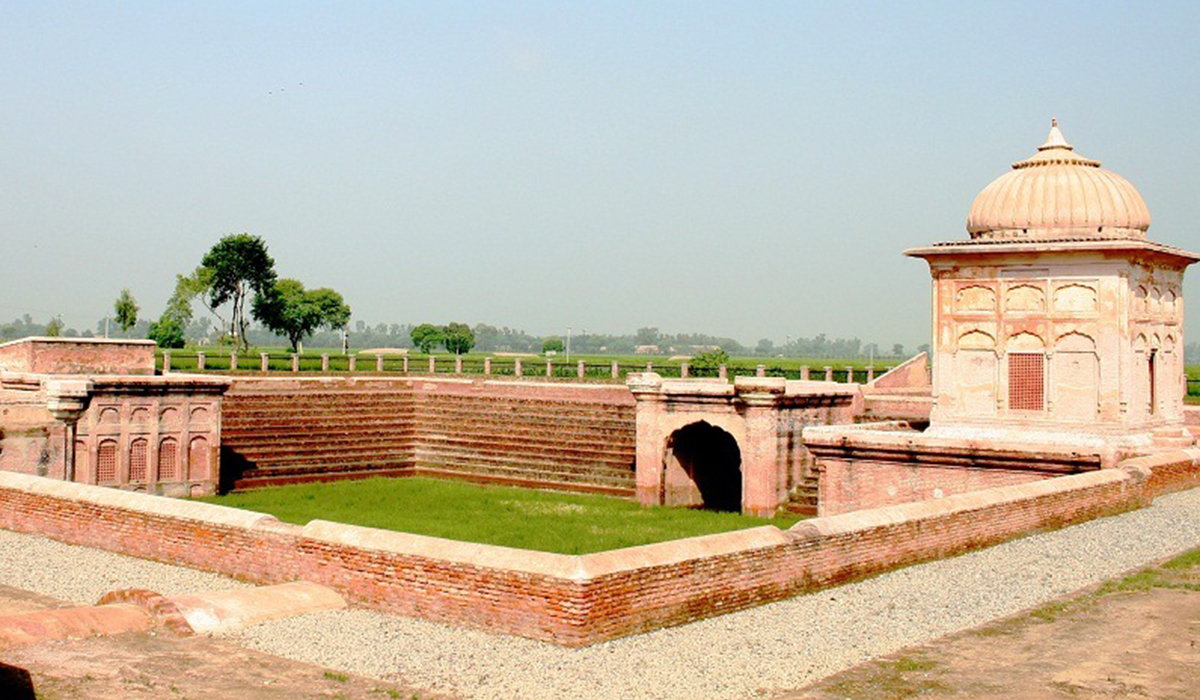

Amritsar, which is regarded as the center of Sikh history and culture, holds within it many historic structures that have been buried under the dust of time. One such remarkable and historic site is Pul Kanjri. Located very close to the India-Pakistan border, this place stands as a living symbol of the grandeur, love, and justice associated with the reign of Sher-e-Punjab Maharaja Ranjit Singh. It is often called the “Taj Mahal of Punjab” because it is, in many ways, a precious love story written in stone.
The Historical Background of Pul Kanjri
The history of Pul Kanjri is linked to the early 19th century, when Maharaja Ranjit Singh ruled Punjab. This site is located about 35 kilometers from Amritsar, near the Wagah border. Maharaja Ranjit Singh frequently traveled between Amritsar and Lahore, and during these journeys, he would stop at this place to rest. Gradually, it developed into an important military outpost as well as a resting place.
The Interesting Story Behind the Name “Pul Kanjri”
People are often surprised when they hear the name of this place. There is a very interesting folk tale behind it. It is said that Moran, a well-known dancer from Makhanpur village near Amritsar, used to visit Maharaja Ranjit Singh’s court to perform. Once, while she was traveling to Lahore, one of her silver shoes fell into the water while crossing a canal.
At that time, there was no proper bridge over the canal. Moran refused to move ahead and presented her problem before Maharaja Ranjit Singh. The Maharaja immediately ordered the construction of a permanent bridge over the canal. In those days, dancers were often referred to by the term “kanjri” as a profession rather than as a mark of respect. Because of this, the bridge came to be known as Pul Kanjri.
Architecture and Important Structures
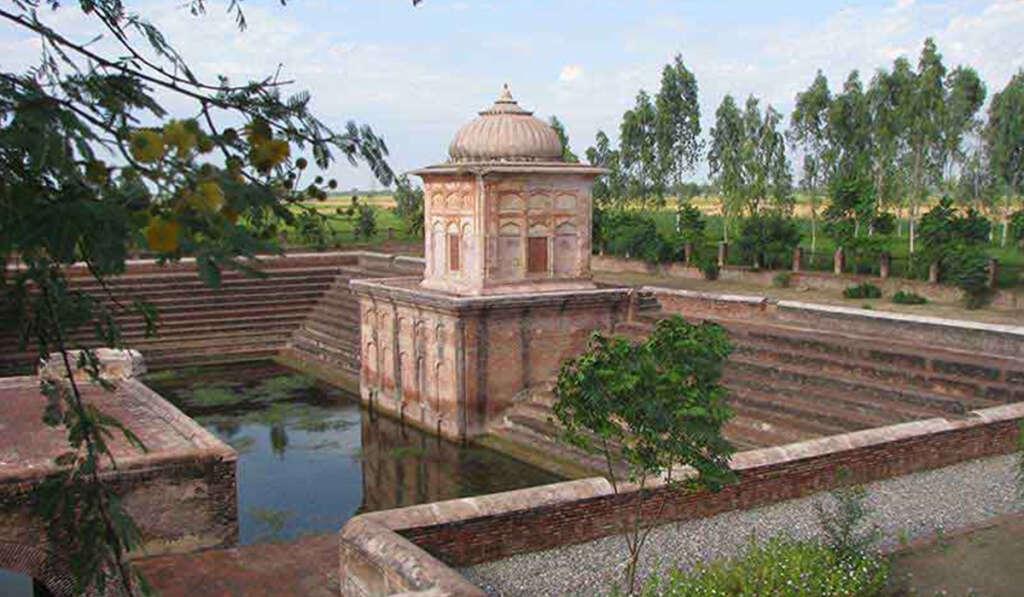
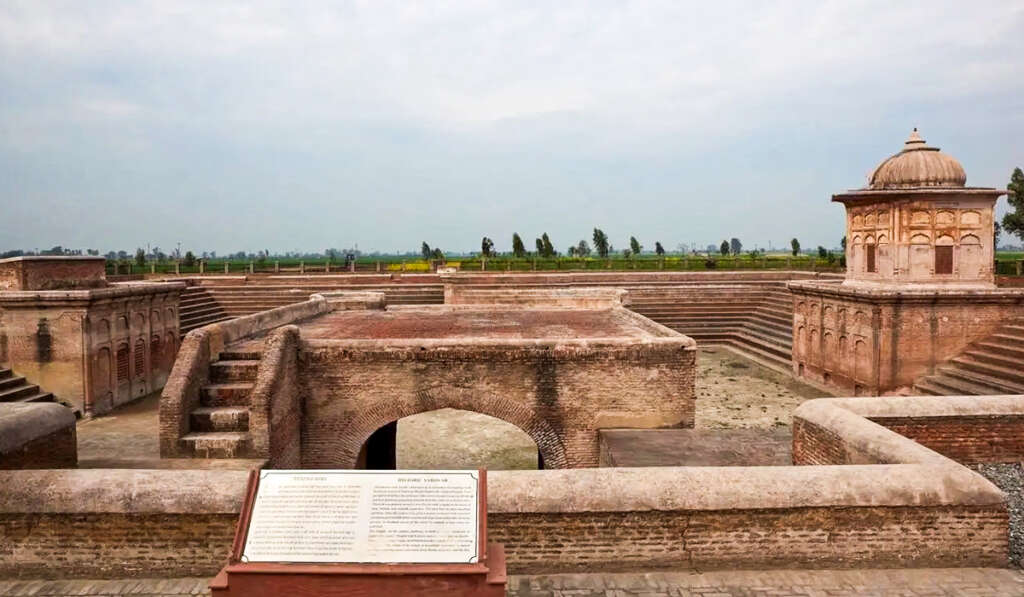
Pul Kanjri is not just a bridge. It is actually a full complex that includes several historic buildings:
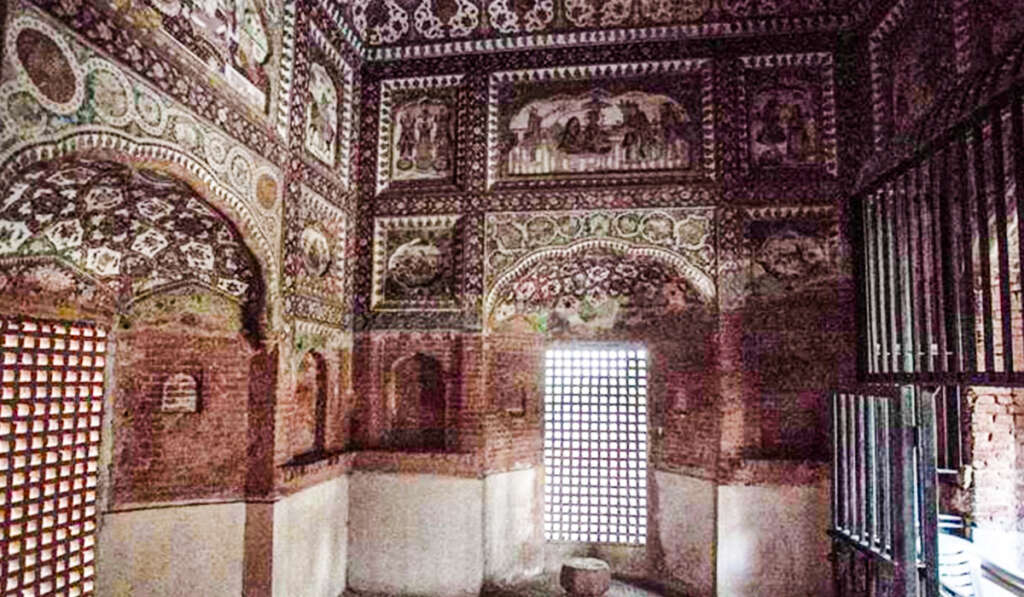
Shiv Temple: There is a very beautiful temple here, whose walls still carry examples of fresco painting from that time. The temple still preserves Hindu mythological imagery and artistic expressions of that era.
Baradari: This was Maharaja Ranjit Singh’s preferred resting place and was also used for royal affairs. The Baradari was built with Nanakshahi bricks and Mughal-style stonework.
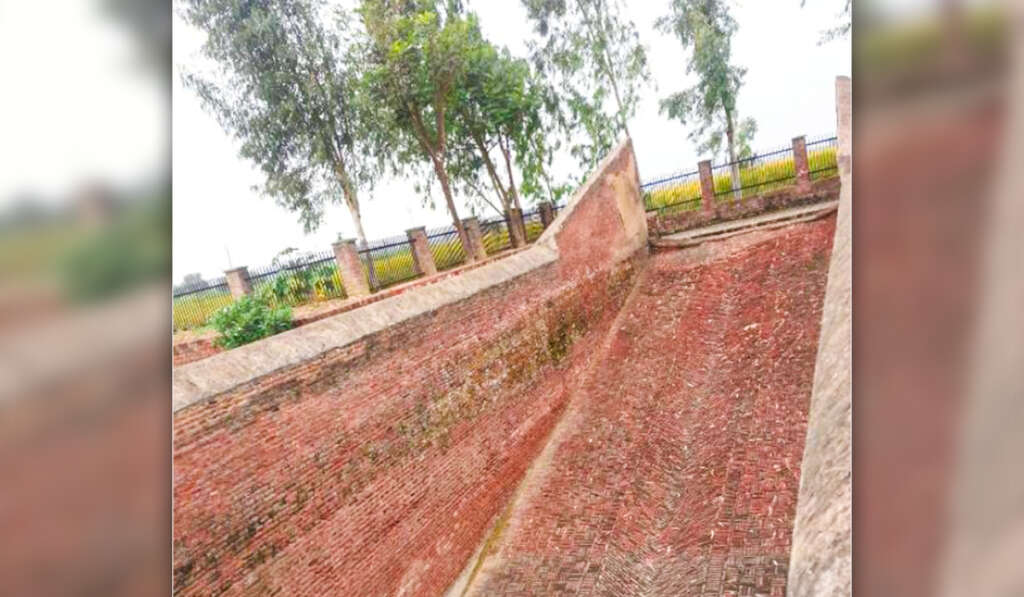
Sarovar: There is a large water tank here that was used for storing water and for bathing. The steps and the surrounding structure present a beautiful blend of Mughal and Sikh architecture.
Mosque: The complex also contains a small mosque, which shows that Maharaja Ranjit Singh respected all religions.
These four structures together reflect the Maharaja’s inclusive style of governance. The presence of buildings associated with different faiths clearly points to the religious tolerance of that time.
A Witness to the Wars of 1965 and 1971
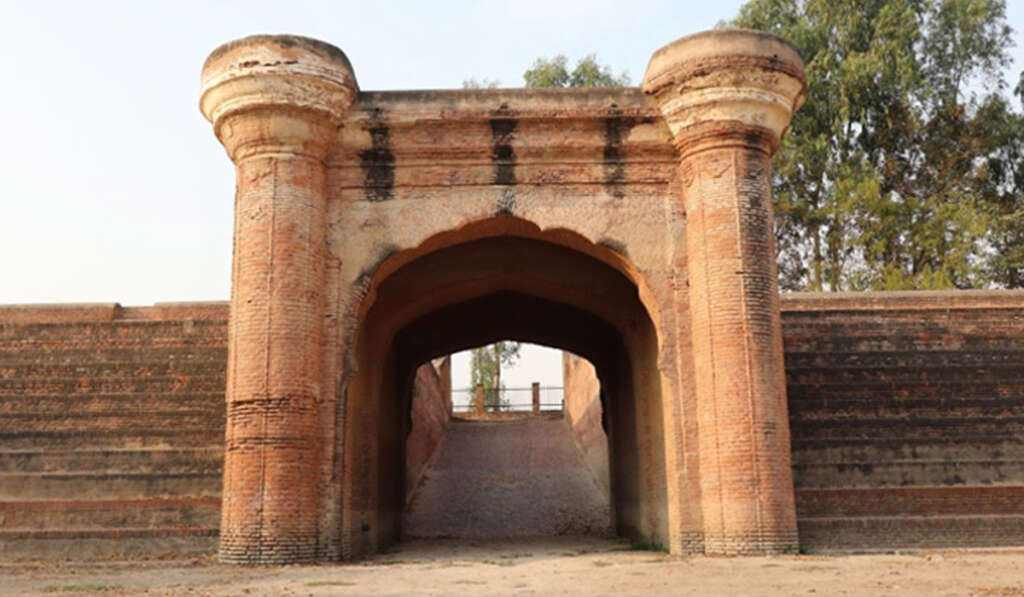
The significance of Pul Kanjri is not limited only to the time of Maharaja Ranjit Singh. After the Partition of India and Pakistan, its location near the border made it strategically very important. During the wars of 1965 and 1971, heavy fighting took place here. For some time, Pakistani forces had also captured the site, but brave Indian soldiers reclaimed it by risking their lives. A memorial has been built here in memory of those martyrs.
A Neglected Heritage and Its Revival
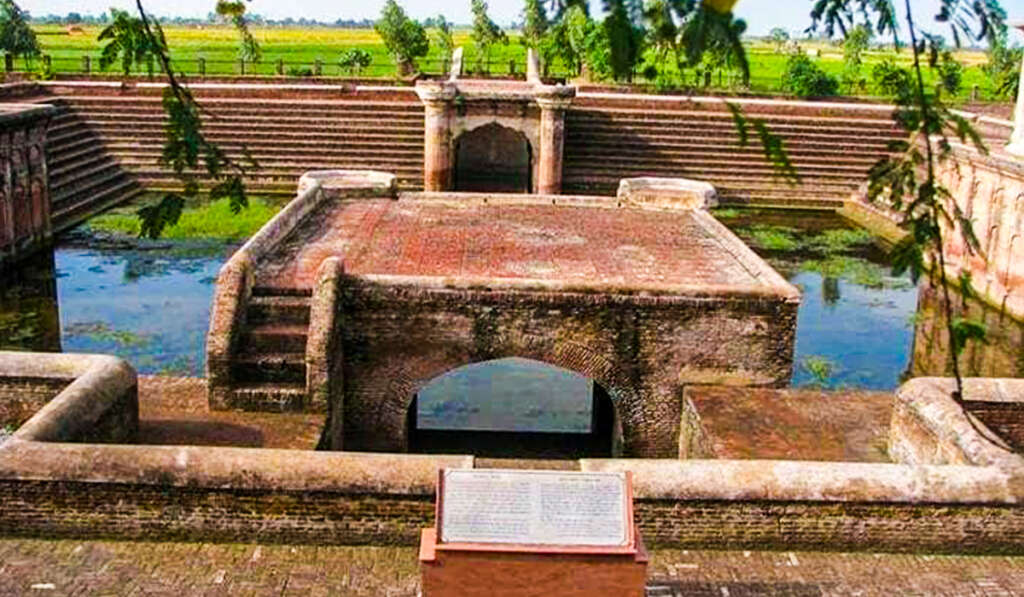
For many decades, this site remained neglected and gradually turned into ruins. But in recent years, the Archaeological Survey of India (ASI) and the Punjab Tourism Department have recognized its importance and started restoration work. It is now being developed as a tourist destination so that the younger generation can become familiar with its rich history.
Restoring the carvings and wall paintings on this structure is a major challenge because the passage of time has blurred many valuable details. The government is also considering initiatives like a light and sound show here so that history can be presented through art.
A Major Attraction for Tourists
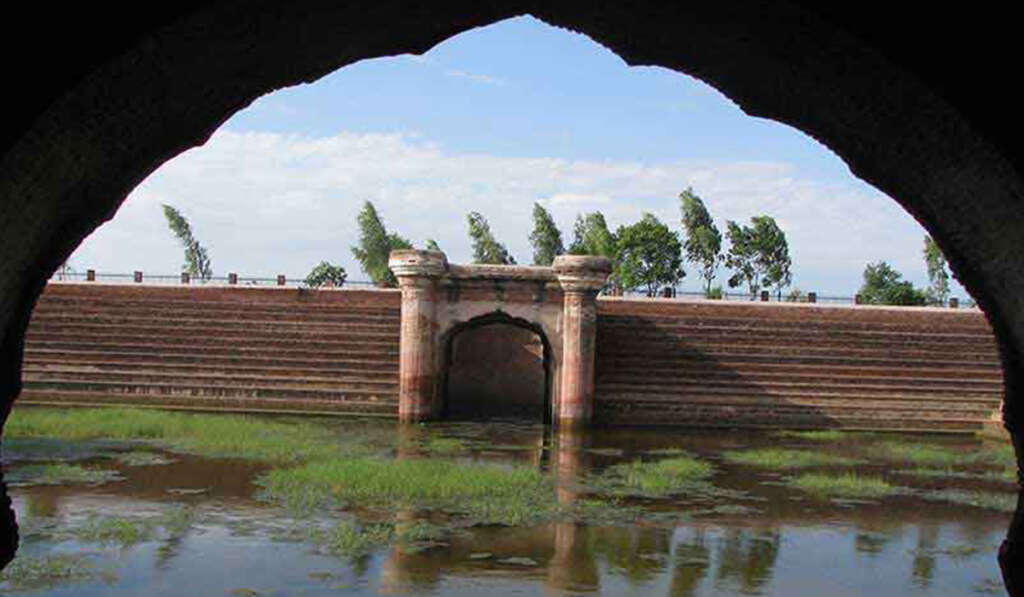
Today, Pul Kanjri is a favorite destination for those who seek a peaceful and historic atmosphere away from the crowds. Tourists visiting Amritsar, especially those going to watch the parade at the Attari border, often stop at Pul Kanjri on the way. The calm surroundings, old brick walls, and open fields seem to narrate stories from history.
A visit here allows tourists not only to enjoy ancient architecture but also to feel a sense of patriotism because of its location near the border. Situated amidst fields, this place is nothing less than a treasure for photography enthusiasts and lovers of history.
Cultural Significance
Pul Kanjri is not merely a structure of bricks and stone. It is a symbol of the fair governance of Maharaja Ranjit Singh and his love for art. This site also reflects the status of women and the social structure of that era. It tells us how liberal Maharaja Ranjit Singh’s rule was, where a bridge was built from the royal treasury in honor of a dancer.
This story offers one of the finest examples of justice and human values in the Sikh kingdom.
Pul Kanjri is that neglected jewel of Amritsar’s history whose lost brilliance urgently needs to be restored. It reminds us that history does not remain confined to the pages of books alone; it also lives in these ancient structures.

Leave a Comment