
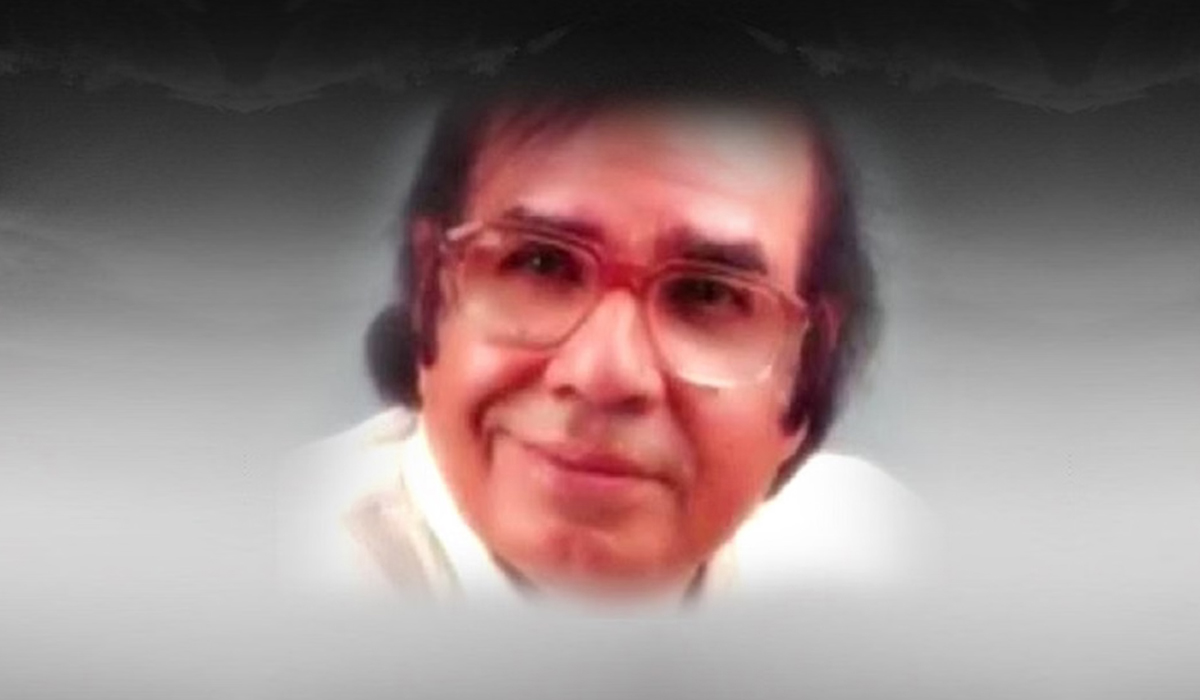

In the world of Urdu poetry, there are voices that don’t make much noise, yet echo deeply within the heart. Sudarshan Faakir was one such voice. He did not write much, nor did he speak often—but whatever he wrote has lived on, quietly and powerfully, in people’s memories. His poetry carries the bitterness of life, the tenderness of love, and the silence that resides within the human soul.
Sudarshan Faakir was born in 1934 in Ferozepur, Punjab. His real name was Sudarshan Kamra. He belonged to a Sikh family, but his love for Urdu poetry was so deep that he saw Urdu not merely as a language, but as an emotion. At a time when Urdu was often associated with religion, Faakir proved that Urdu is the language of the heart—it belongs to no single faith.
Childhood, Education, and the Beginning of Poetry
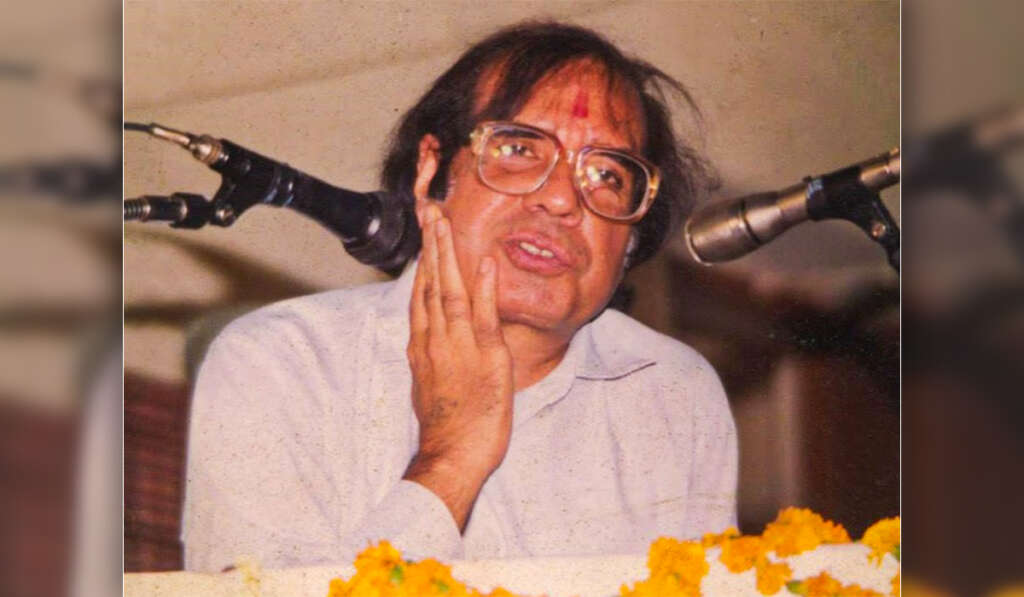
He spent his childhood playing in the streets of Ferozepur. From an early age, he loved reading books, watching plays, and listening to poetry. His family wanted him to pursue a stable career after his education, but his heart was drawn elsewhere.
He completed his early education in Ferozepur and later moved to Jalandhar, where he graduated from DAV College. For some time, he also taught at Doaba College, but his mind was more immersed in imagination than academics. Poetry was not just a hobby for him—it was as essential as breathing.
During this time, he got a job at All India Radio, Jalandhar. The radio station was not just a workplace for him—it was a space where his poetry could breathe. Sitting there, he observed people, listened to conversations, and absorbed life. Perhaps that is why his poetry feels so genuine and never artificial.
Begum Akhtar and the Turning Point
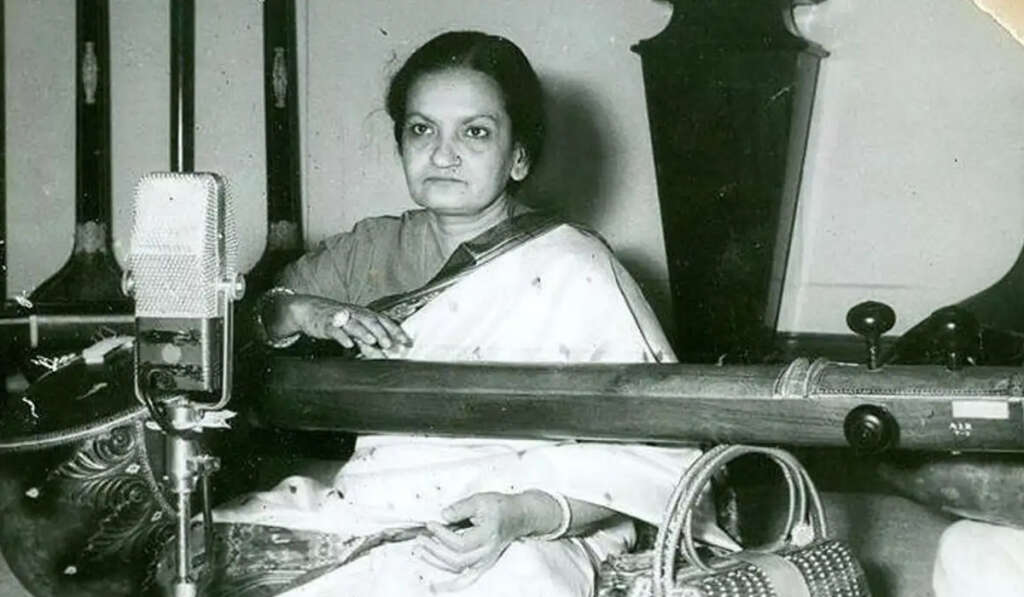
The biggest turning point in Faakir’s life came when the legendary singer Begum Akhtar visited All India Radio, Jalandhar. The station director asked Faakir,
“Go to Skylark Hotel and bring Begum Sahiba.”
They met at the hotel. Begum Akhtar asked,
“Go to Skylark Hotel and bring Begum Sahiba.”
Faakir replied modestly,
“I write a bit of poetry now and then.”
She smiled and said,
“Then recite something.”
Hesitantly, Faakir recited a couplet:
“Kujh duniya diyan bewafaiyan ne dil tod ditta,
Te kujh halaatan di karwahat ne dil tod ditta.”
Begum Akhtar fell silent. Then she said,
“Write the full ghazal.”
There was no paper available, so Faakir wrote the entire ghazal on the hotel’s letterpad.
When “Faakir” Echoed on the Radio
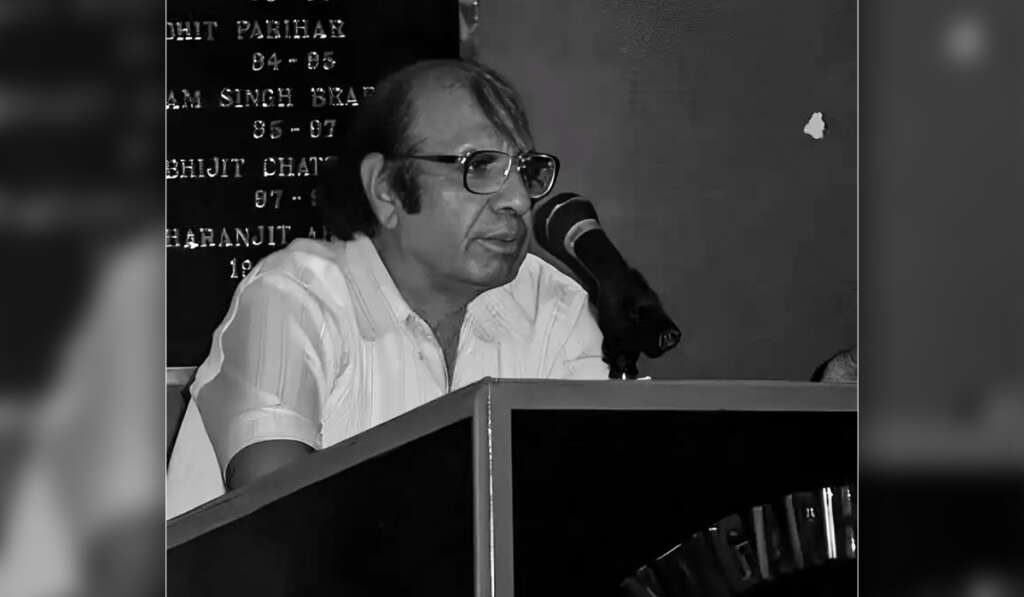
When Begum Akhtar’s program began on the radio, she announced:
“Now I will present a ghazal by Sudarshan Faakir.”
Faakir, sitting in the duty room, was stunned. The way she sang the ghazal left the entire station in stunned silence. After the program, people began congratulating him.
Begum Akhtar came out, placed her hand on his shoulder, and said,
“What are you doing here? Come to Bombay. Your poetry belongs there.”
That moment gave wings to Faakir’s journey.
Mumbai: The City of Dreams, Struggle, and First Success
Faakir left his radio job and moved to Mumbai. A new city, a new world—but his poetry remained the same: honest and profound.
In Mumbai, he got his first break with the film “Dooriyan.” He wrote his first song:
“Zindagi mere ghar aana…”
Sung by Bhupinder, the song touched countless hearts. In 1980, it won the Film World Award. It was a remarkable achievement—Faakir became one of the rare lyricists to receive such recognition for his very first song. He later received major recognition, including film industry awards.
“Woh Kagaz Ki Kashti” and Friendship with Jagjit Singh
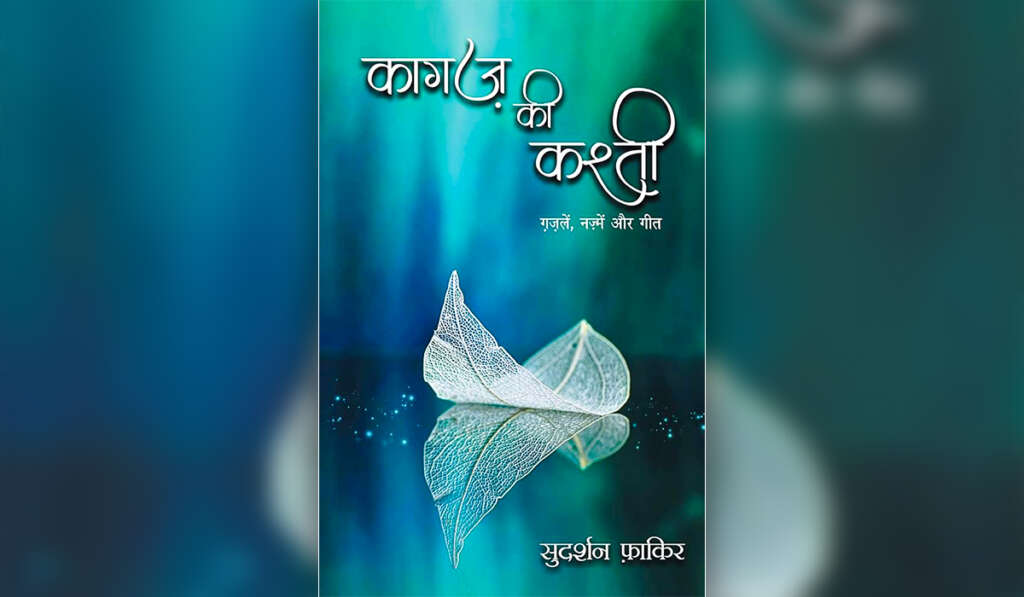
His friendship with Jagjit Singh brought a new dimension to Faakir’s poetry.
“Woh kagaz ki kashti” became more than just a song—it turned into a story of lost childhood and broken hearts.
Their gatherings were legendary. They would spend hours discussing poetry and refining every verse.
Some of Faakir’s memorable lines:
“Jo saamne hai, log usse bura kehte hain,
Jise dekha nahi, usse khuda kehte hain.”
“Mera qaatil hi mera judge hai,
Woh mere haq mein kya faisla dega?”
“Ishq ishq hai, eh koi mazaak nahi
Kujh palan vich koi faisla na lavo.”
Final Journey and a Living Legacy
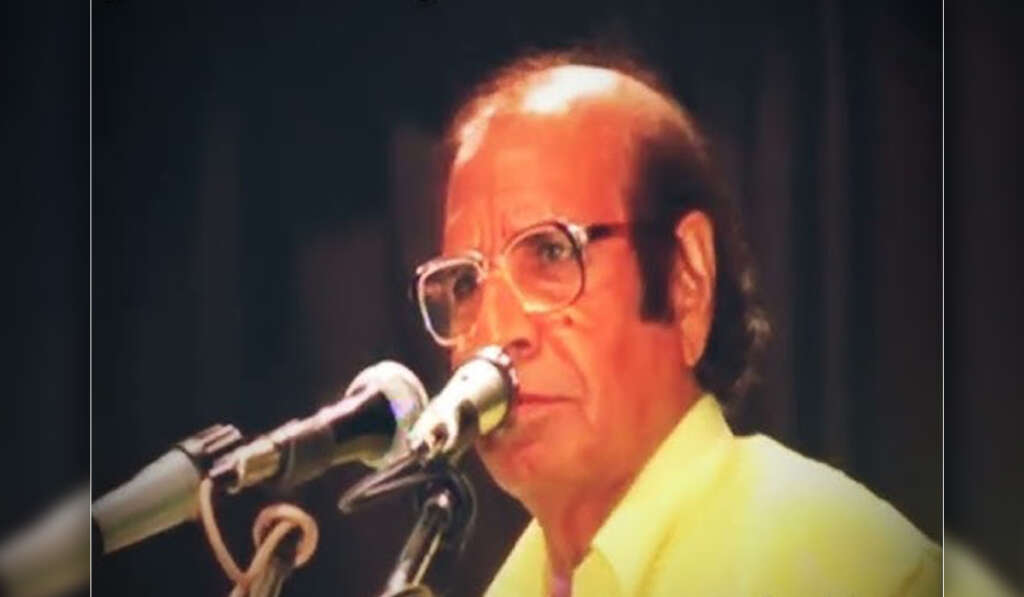
On February 19, 2008, Sudarshan Faakir passed away in Jalandhar at the age of 74. Yet, his poetry continues to live on—in songs, in memories, and in hearts.
Sudarshan Faakir may have written little, but whatever he wrote became immortal. That, perhaps, is the essence of true fakiri—saying little, yet leaving something eternal.

Leave a Comment