
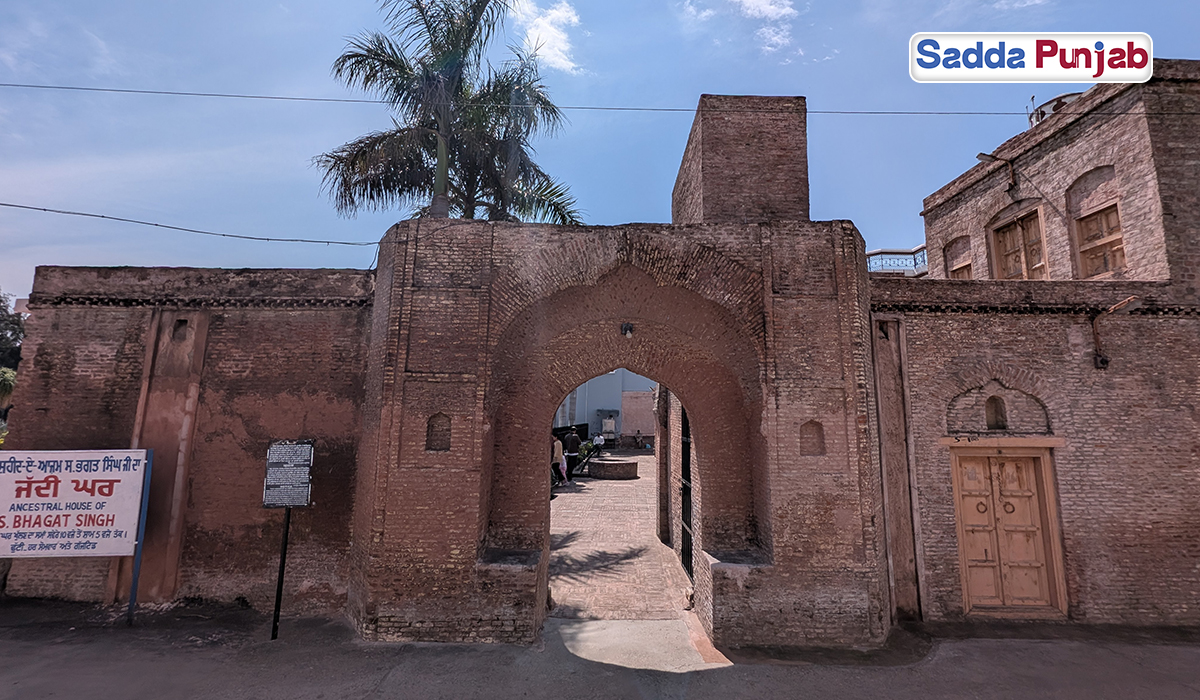

The day of 23 March 1931 is certainly recorded in golden letters in the history of India, but this day also brings with it such a pain that even today the eyes get wet when hearing it. In fact, this was the day when the three heroes of Mother India Bhagat Singh, Rajguru and Sukhdev, at the age of just 22-23, kissed the noose while laughing for the freedom of the country.
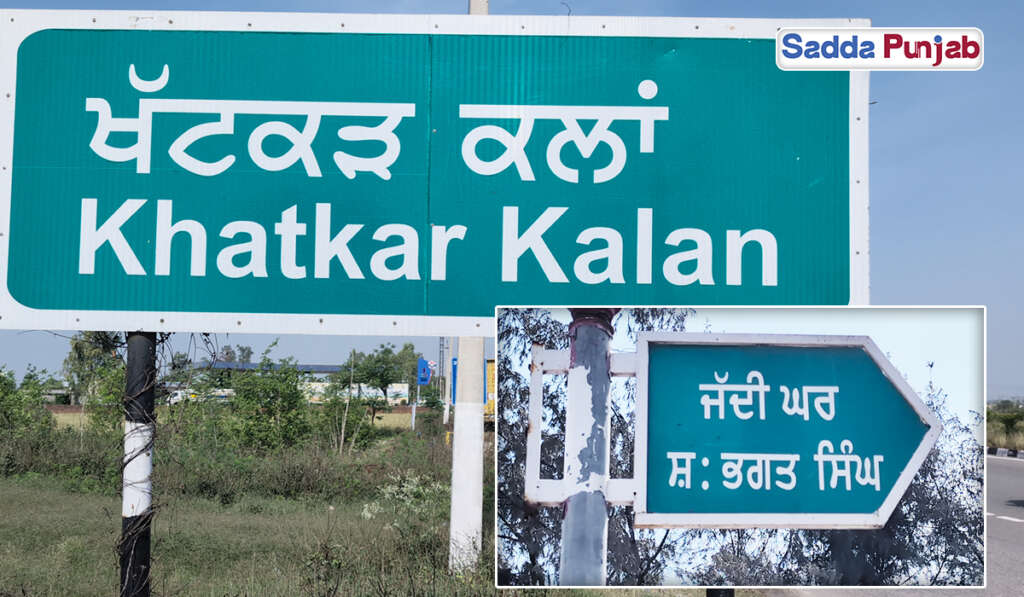
This unparalleled martyrdom of theirs created such a wave of revolution in the entire country, which completely shook the roots of the British rule. This is the reason why today when we set foot on the holy land of village Khatkar Kalan located in Nawanshahr district of Punjab, the same echo and passion of patriotism is felt in the air even today.
Shaheed Bhagat Singh’s ancestral home: A glimpse of heritage
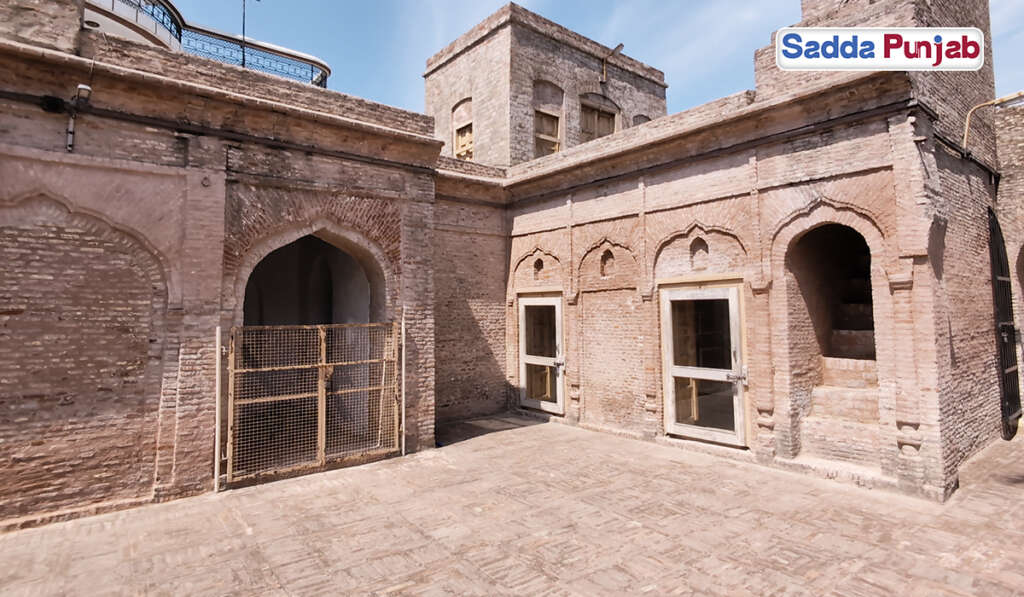
Shaheed Bhagat Singh’s ancestral home is not just an ordinary building, but a living witness to our revolutionary history. Although Bhagat Singh himself did not spend much time in this house, his roots are still deeply connected to this soil. The foundation of this historic house was laid by his great-grandfather in the year 1858, after which Bhagat Singh’s parents and his entire family spent a major part of their lives in this house.
If we look at the historical background, it is known that around the year 1900, this family migrated from here and went to Lyallpur (now in Pakistan), where Bhagat Singh was born. But after the partition of the country in 1947, this family returned to their native village Khatkar Kalan. The special thing is that even today this house has been preserved by the Archaeological Department exactly as it was a hundred years ago. While the other houses around have succumbed to the glamour of modernity, this house still stands in full glory due to its simplicity and historical identity.
Structure of the house and ancient heritage
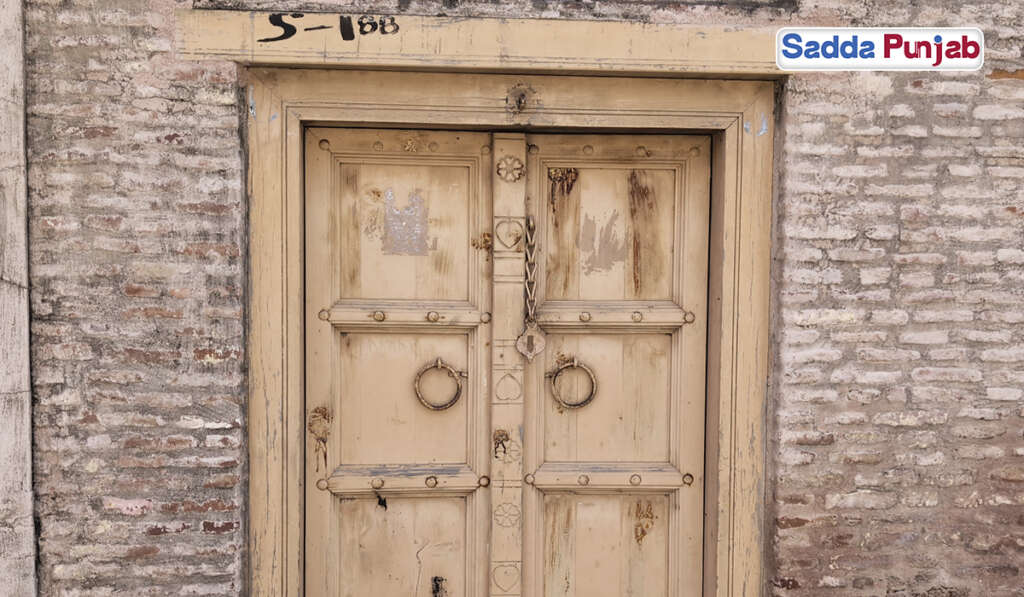
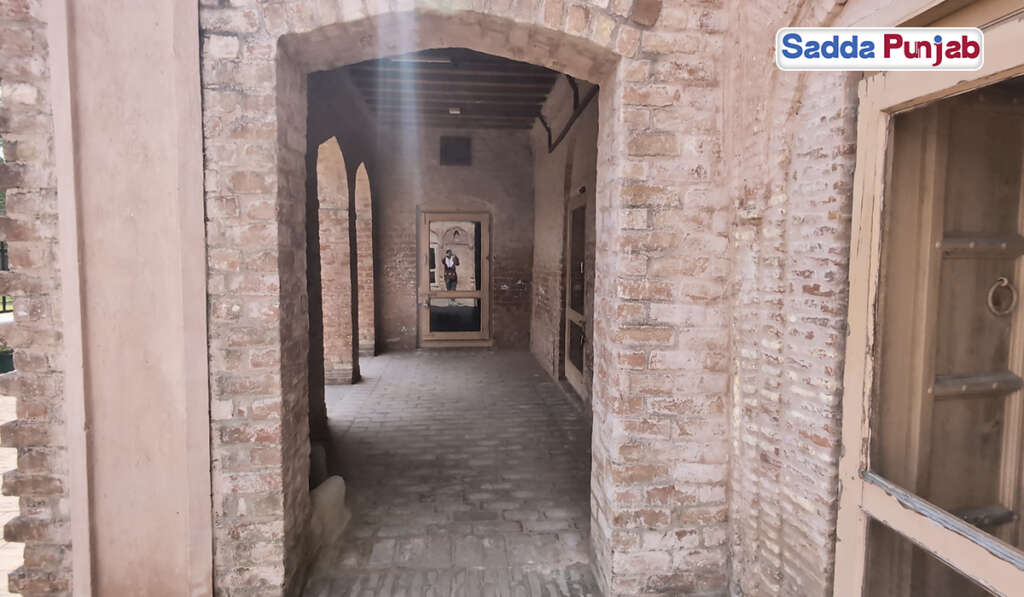
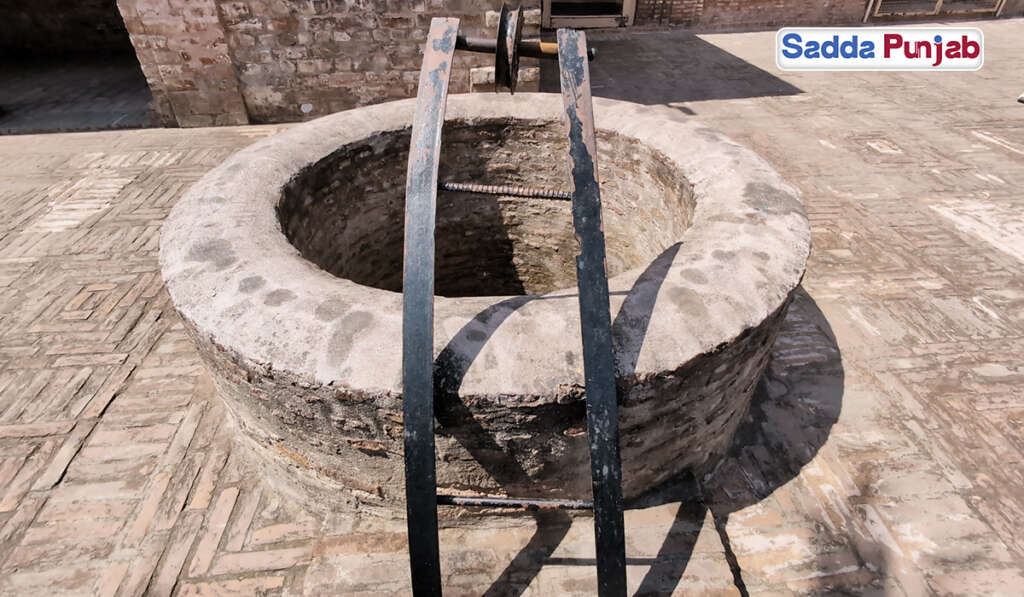
The structure of this house reminds us of old Punjab. This house is made of small bricks. Its walls are thick, which naturally kept the house cool from inside. As soon as you enter the house, you see a well in front, which was once filled with water. Today, it is empty, but it tells the story of the daily life of that time.
While roaming around the different parts of the house, we find many historical things:
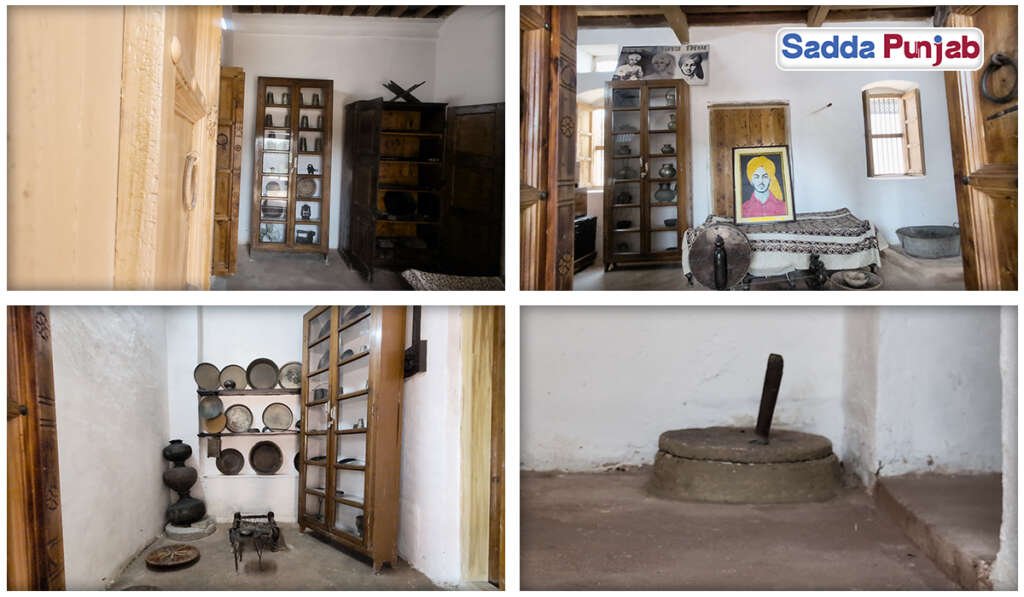
Ancient kitchen: There is a clay stove here, where Bhagat Singh’s mother used to cook rotis.
Flour mill: There is a flour mill in the other room, where his mother probably used to grind flour.
Charkha and bed: There is also a charkha and bed in one corner, on which is a picture of Bhagat Singh.
Everyday things: The house also has old utensils, stoves and old-fashioned electric switches, which show us a picture of that era.
Family courage and memories
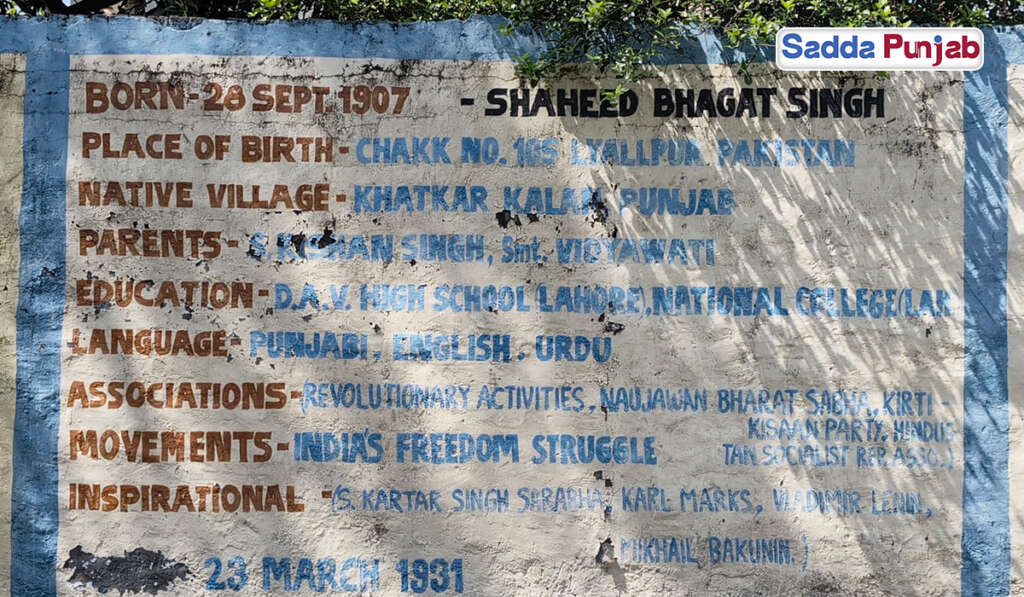
The elders of the village still do not get tired of talking about that great family. Bhagat Singh’s entire family was very tall not only in terms of height but also in terms of their revolutionary spirit. Bhagat Singh’s four brothers, all of whom were six feet tall, and three sisters. Not only this, the stories of his mother’s courage are still told with great pride. It was the result of their upbringing that a young man like Bhagat Singh chose the path of the country’s independence instead of his personal life.
Streets of Khatkar Kalan: Museum
When we walk through the historical streets of Khatkar Kalan, it feels as if Shaheed Bhagat Singh is still here somewhere. Not only this, the revolutionary slogans carved with great enthusiasm on the walls of the village, Bhagat Singh’s pictures and his invaluable thoughts still inspire the younger generation.
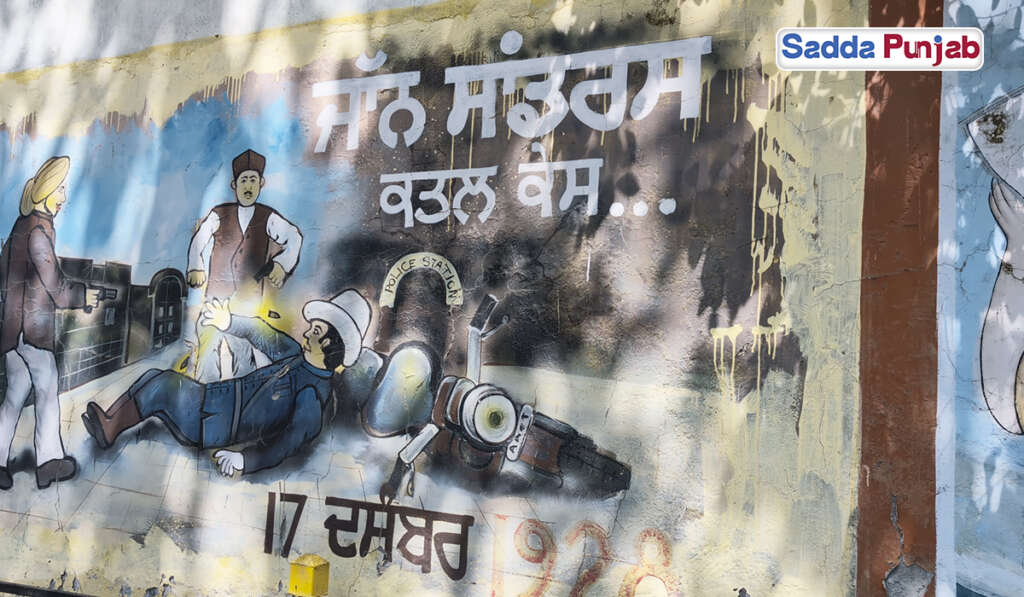
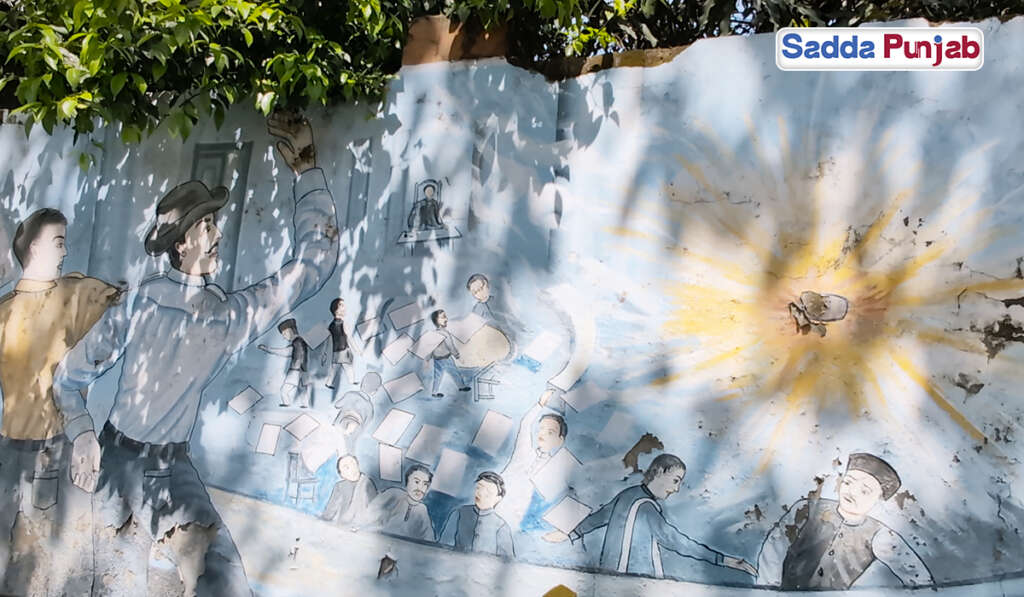
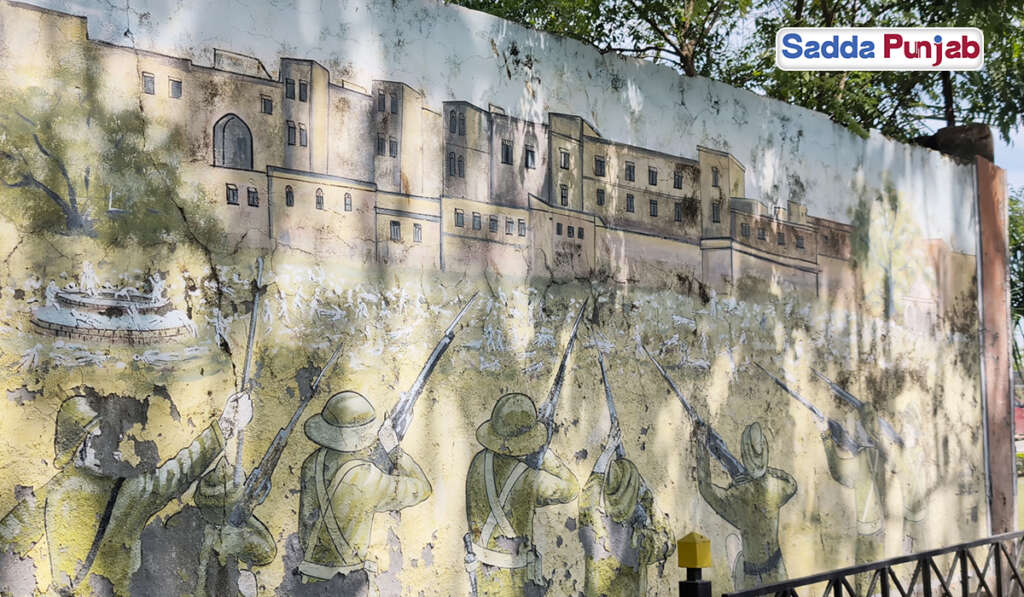
Along with this, a complete “family tree” has been made on one of the walls to make the new generation aware of his background and lineage. Notably, the main events of his struggling life, be it the assassination of J.P. Saunders in 1928 or the incident of throwing a bomb in the Delhi Assembly in 1929, all these historical moments have been beautifully depicted through paintings on the walls of the village.
Shaheed-e-Azam Museum: A treasure trove of history
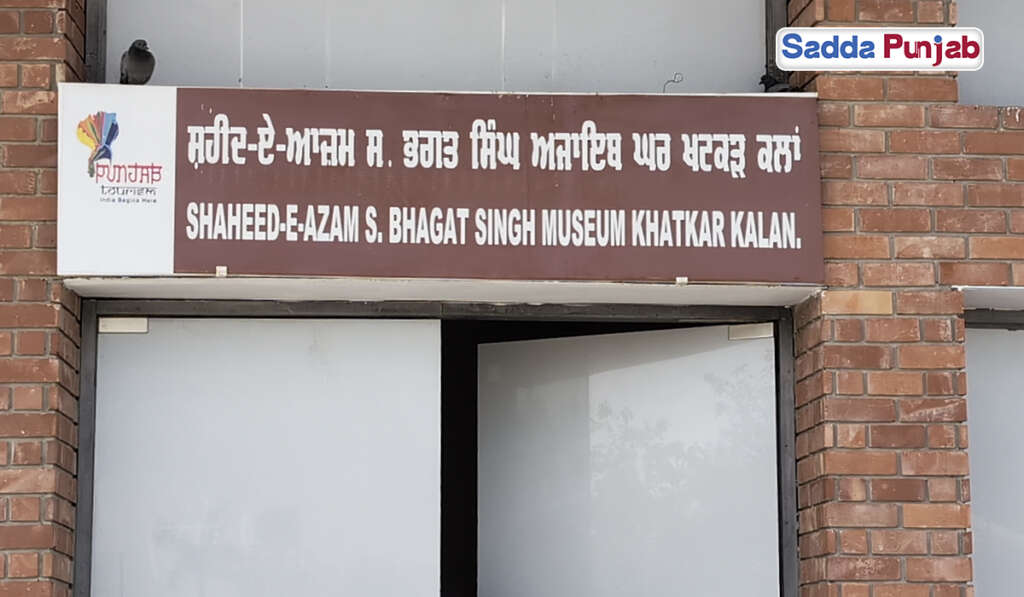
The Shaheed-e-Azam Bhagat Singh Museum built on the outskirts of the village is a very important place. Here the personal belongings of Bhagat Singh, Sukhdev and Rajguru are kept with great respect. Here are:
- The clothes they wore.
- Their favorite books, which they used to read in jail.
- Letters written by them, in which the depth of their thoughts is clearly reflected.
- Copies of old newspapers of that time.
But there is one thing in this museum that can break the heart of any Indian, there is soil soaked with the blood of Bhagat Singh. This is the soil that his sister had collected, in which the holy blood of the martyr is mixed. This soil reminds us how heavy and unparalleled the price of our freedom today was.
Khatkar Kalan is not just a village, but a place of pilgrimage for every Indian who believes in revolution and freedom. Bhagat Singh’s thinking still lives in these streets today. In today’s era, when we are forgetting our heritage, places like Khatkar Kalan tell us what it means to sacrifice everything for the country. Coming here, one feels that Bhagat Singh never died, he has become immortal in the thoughts of everyone.

Leave a Comment