
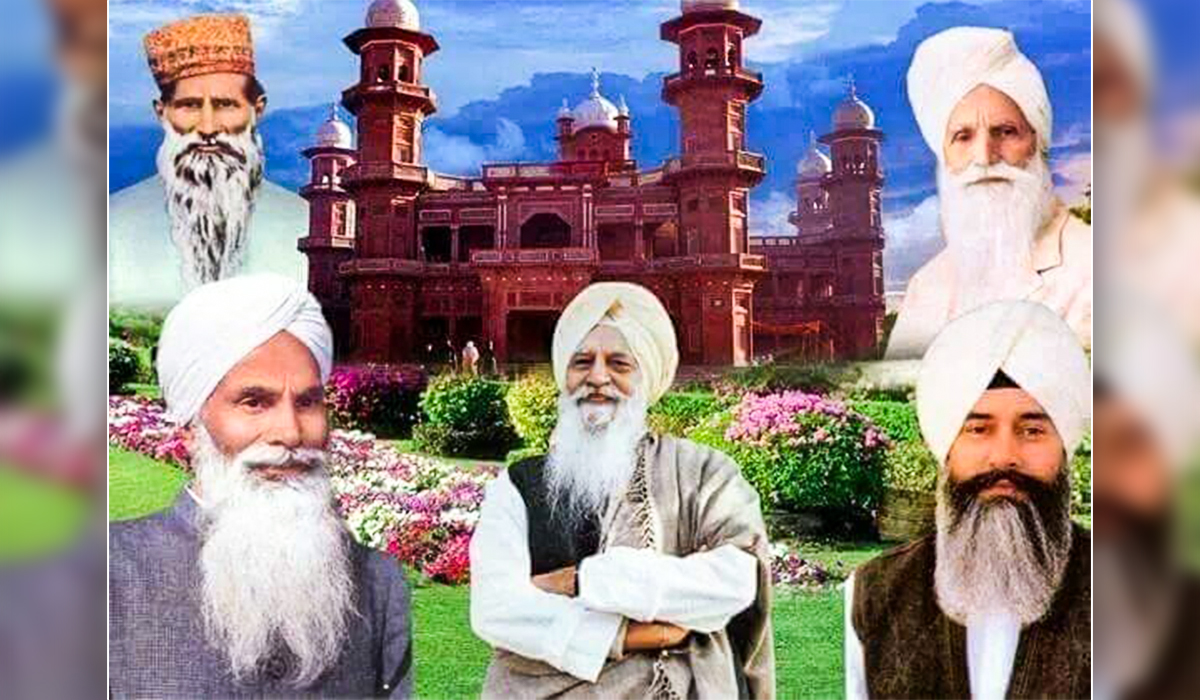

Deraas have their own unique identity in Punjab, although from a political point of view they are seen only as a vote bank. But, in reality these deras have a wide identity at the religious and social level- activities mainly include public welfare works. It is these works that attract more and more people to the deras. The followers of these deras are mostly people from the Dalit community who, after feeling neglected in some way or the other, are attracted by the environment of unity in the deras. There are more than 9000 deras in Punjab, including the private deras of Sikh, Hindu, Sufi and Christian priests. These are such deras where people who are uncomfortable with the leaders of the religious places feel at ease. With the increasing trend of these deras, a new social and religious division is also seen in Punjab. The old Sikh organizations consider these deras against the principles of Sikhism, they believe that these deras are misleading the Sikhs.
Social Security and Support
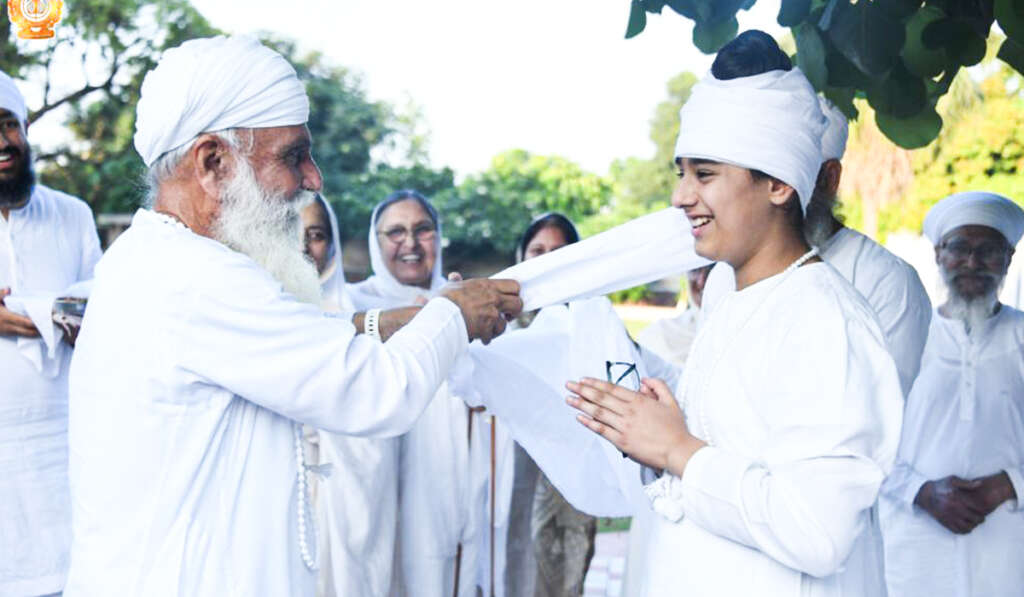
People in rural areas are troubled by poverty and unemployment and these deras connect such people with their faith. The deras assure them of social security and support. Most of the people who believe in these deras are people from the Dalit community, those people who do not get the respect and dignity they deserve due to caste discrimination are attracted to these deras. These deras mostly include people from the Ravidasi community and the Valmiki community. These deras work in the field of education, health, social equality. Dera Sachkhand Ballan of Jalandhar deserves a special mention in this list. These deras with Dalit influence run their own gurdwaras, hospitals, schools and colleges. And, they give a sense of respectability to the downtrodden of society, which is the reason for the growing trend and political importance of these deras. Political importance itself gives them all-round importance. Deras or sects are as old as Sikhism. Although their followers come from all castes, they are mainly dominated by Dalits and other backward classes. In Punjab, the word dera is often used for religious and social centers established by a saint or spiritual guru. These deras have a profound impact on the social and political structure of Punjab. Apart from imparting spiritual education to their followers, these deras also carry out various social works like education, health and community service. These deras or sects, especially those led by self-proclaimed babas, have taken advantage of the social tensions between traditional Sikhs and others. Many other deras also came into existence after the 19th century. The specialty of the new deras was that they became centers for the mobilization of the Dalit community, where they started adopting Sikhism by separating from the Hindu caste. Due to the increasing dominance of the Akal Takht Sahib and the Shiromani Committee, which controlled the Sikh religion and its associated gurdwaras and other institutions, people were drawn to non-Sikh deras. According to a study in 2006-07, there were thousands of Sikh and non-Sikh deras in the rural areas of Punjab. Many deras were also established in the neighboring states of Haryana, Rajasthan and Uttar Pradesh. And this is why their importance increases so much during elections that even the top ministers and leaders of the various political parties come to pay obeisance in these deras.
Deraism in Punjab
If we talk about the Sikh majority, then Punjab is the only state that can be considered the center of Sikhism, but here too, Deraism works as an authority equal to the government. It is not just a spiritual center, it is a vote bank whose key also belongs to them. If we talk about the establishment of deras in Punjab, then according to the dera administrators, deras are a means of religious and social welfare work. According to political experts and sociologists, the prevalence of deras in Punjab started during the British era. When the British took over India, Punjab was the biggest obstacle. The reason for entering Punjab after 100 years was the courage, courage and boldness of the Punjabis. Sikh political expert and former president of the Global Sikh Council Gurpreet Singh says that “Punjab did not have a physical Guru, the Sikhs accepted the influence of the Shabad Guru ‘Sri Guru Granth Sahib’. Punjab has a majority Sikh population. It was also due to the lack of Sikh institutions that the deras were allowed to flourish. Due to the absence of casteism and other social evils in the deras, the deras increased in Punjab and their dominance continued to be maintained. Now their influence has increased to such an extent that they have started influencing politics as well.”
Special deras of Punjab
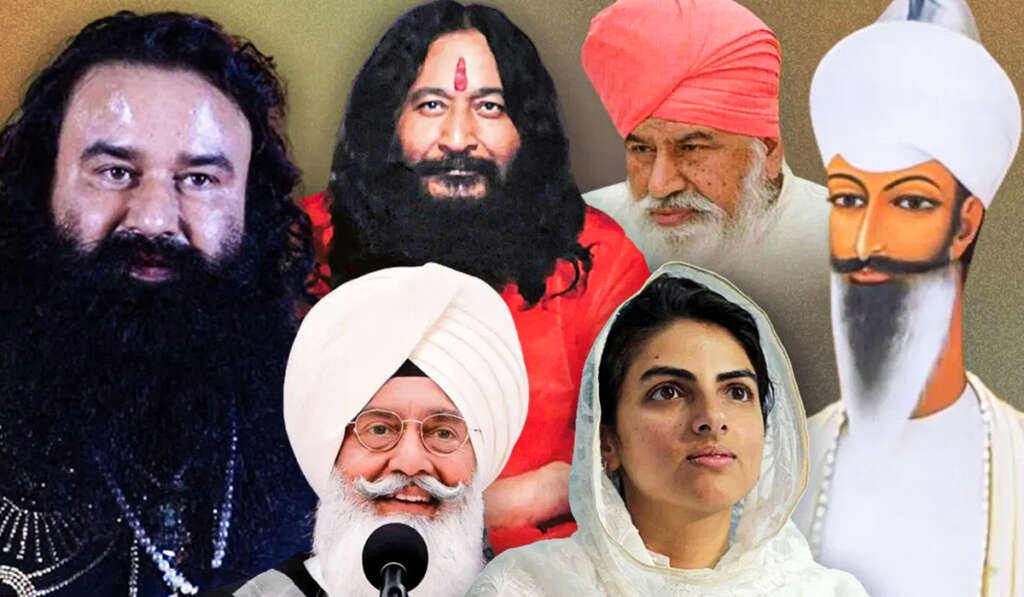
According to the information and statistics available, the estimated population of Punjab is 3.81 crore, of which 62.52% lives in the rural areas. The literacy rate of Punjab is 75.8%, while the literacy rate of India is 73%. Spread over an area of 50,365 square kilometers, Punjab has 29 universities, out of which 16 are in the private sector, and 31 educational institutions considered equivalent to universities. Punjab has 276 degree colleges, 9559 high/higher secondary schools, 5097 middle schools and 13801 primary schools. Punjab is not backward in terms of education. Punjab has 58.09% Sikhs, 38.49% Hindus, 1.93% Muslims and 1.25% Christians. If we talk about the deras in Punjab, then there are more than 9000 deras of all classes, out of which 300 are active; In 12 such deras, the number of followers of the sect is more than one lakh per dera. The branches of the sects are in all 12581 villages of Punjab. If we talk about gurdwaras, then about 30 thousand gurdwaras are said to exist, from one to 6 in each village and similarly, there are sects in every village and town, whose heads use the sects to fulfill personal interests. Actually, there are thousands in Punjab, but the ones that speak volumes are ‘Dera Radha Soami’, ‘Sachkhand Ballan Dera’, ‘Dera Sirsa’, Dera Bhaniare Wala, ‘Noor Mahal Dera (Divya Jyoti Jagriti Sansthan), ‘Sant Nirankari Mission’, ‘Naamdhari Dera’ etc. Some are also known as ‘Shivir’ and some as ‘Niwas’. Apart from this, churches are also a form of sects. These sects exert full influence on 56 to 68 seats of Punjab during elections. That is the attraction that brings politicians to these deras.
Dera Beas
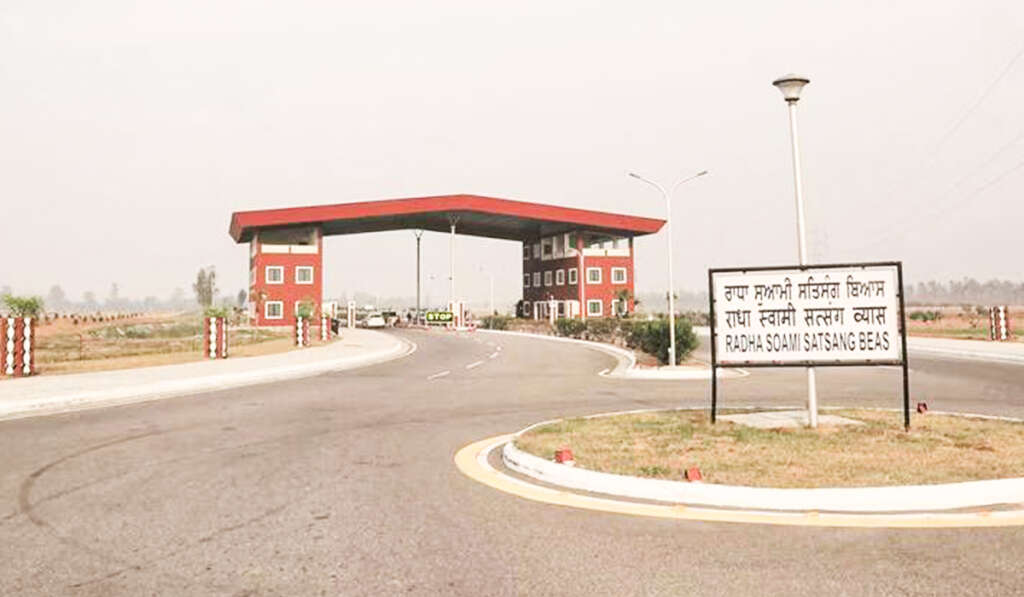
Established in 1891, Dera Beas has more than 5000 centers in the country, and it is spread in about 90 countries. The specialty of this camp, located on the banks of the Beas river in Amritsar district, is that until recently, this camp has remained away from politics and show. The influence is so great that the sometimes most of the central and state cabinet members visit here.
Dera Sacha Sauda
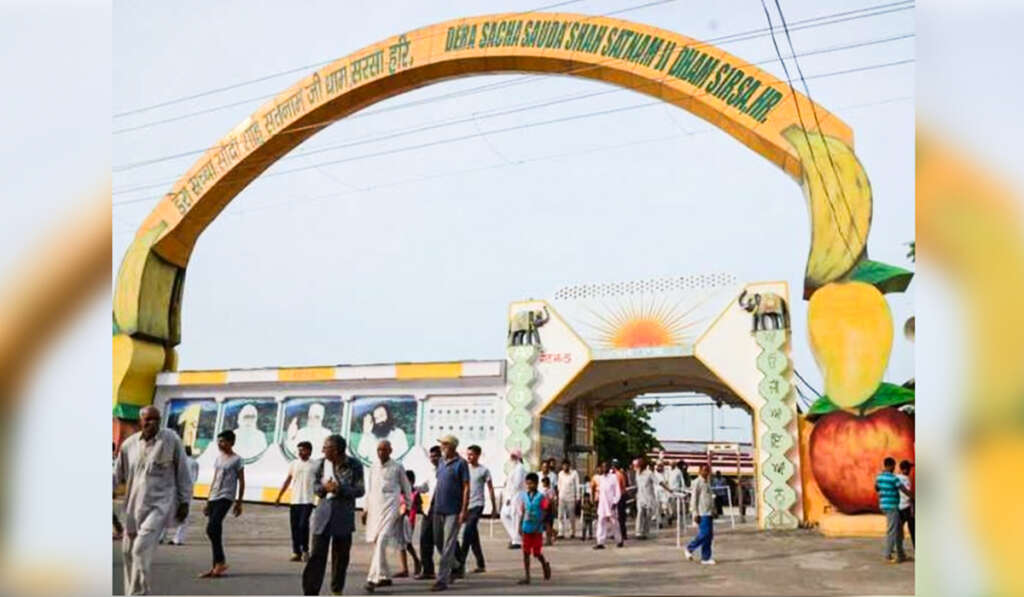
Although Dera Sacha Sauda is known as Dera Sirsa of Haryana, its hold in Punjab is not hidden from anyone. This Dera has full influence especially in the Malwa belt, even though the Dera chief is serving a jail sentence in many cases, but the faith of the people remains intact. This faith is the reason that the followers vote for the party or candidate as per the directions of the dera chief. This Dera was established on 29 April 1948 by the founder Shah Mastan on the orders of Sant Sawan Singh. According to the data of the Dera website, 22 records of Dera Sirsa are registered in the Guinness Book of World Records, 44 in the Asia Book of Records, 3 in the Limca Book of Records and 7 in the India Book of Records. Dera Sirsa has 46 ashrams across the country and about 6 crore followers.
Dera Sachkhand Ballan
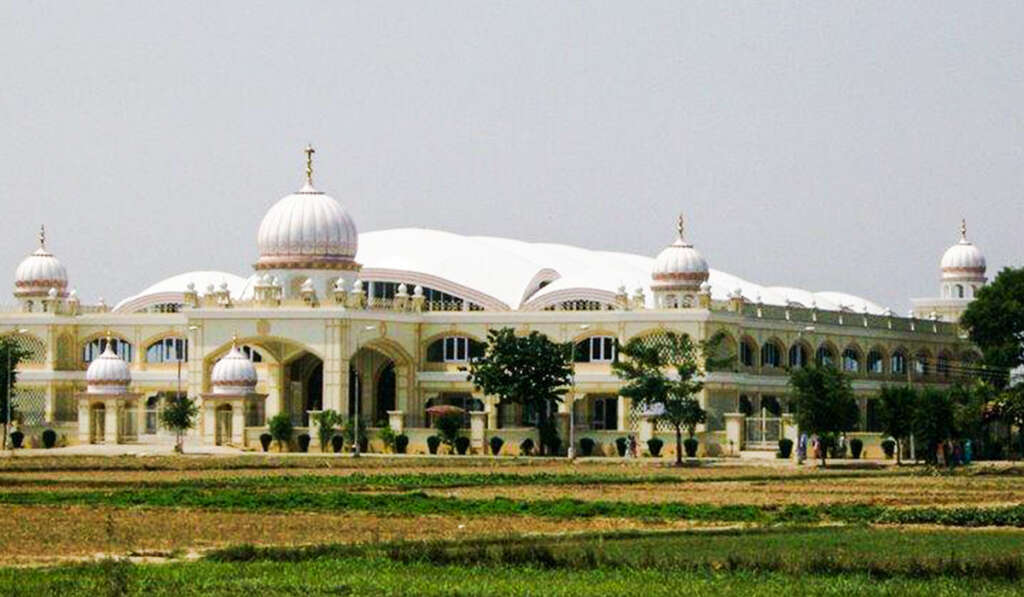
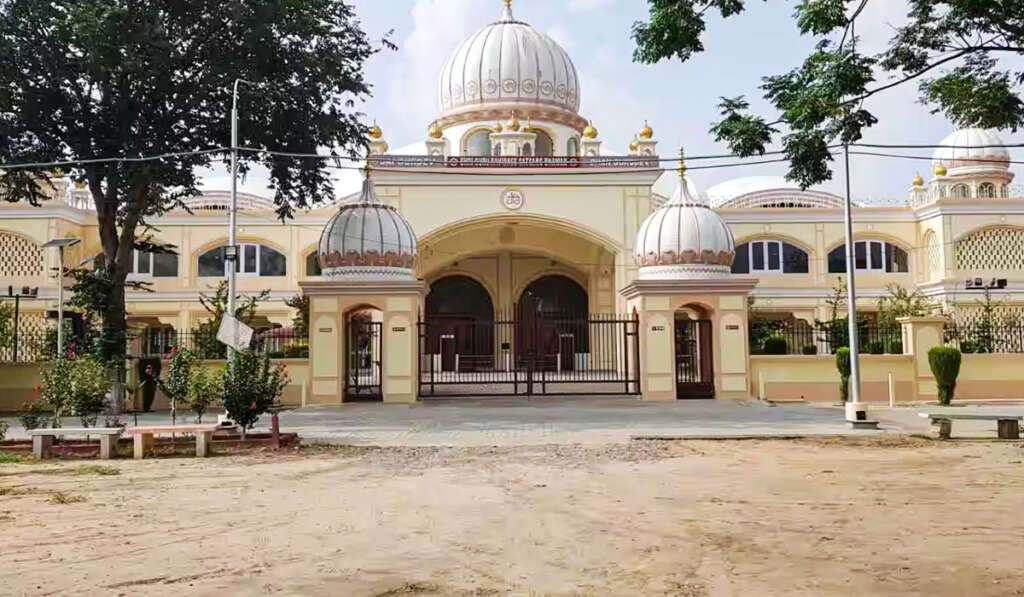
Dera Sachkhand Ballan is considered the center of politics. Punjab is dominant in the entire Doaba region. Because the Dalit population lives here in large numbers. The Ravidasia community is the largest segment of the 32 percent Dalit population of Punjab, a large portion of which is associated with this dera. The recent Padma Shri award given to Dera Chief Sant Niranjan Das and visit of country’s top leaders’ visit to the dera further increase its importance. This dera was established in 1900 by Sant Pippal Das.
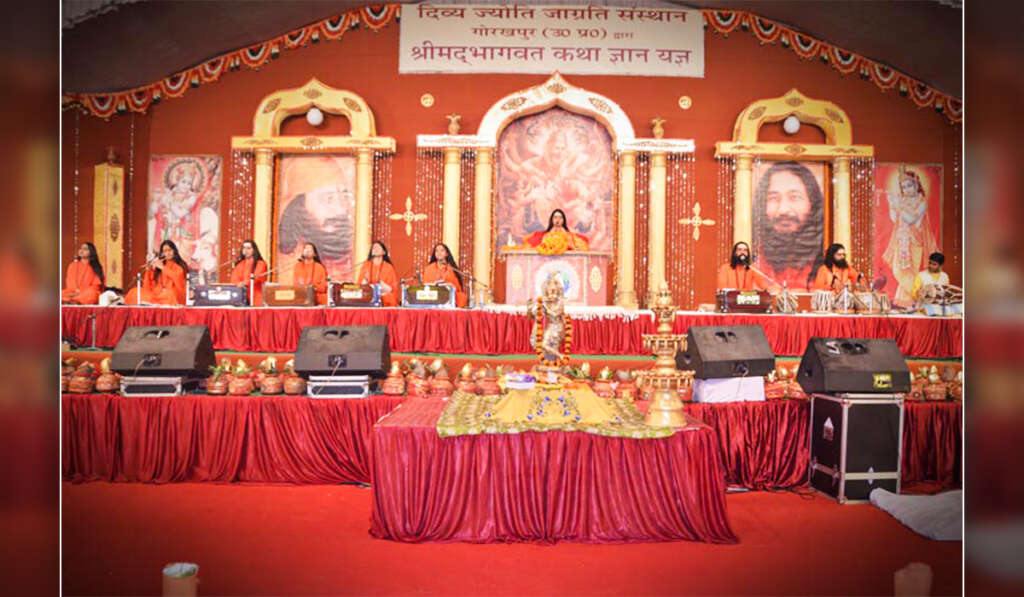
Dera Noor Mahal (Divya Jyoti Jagriti Sansthan)
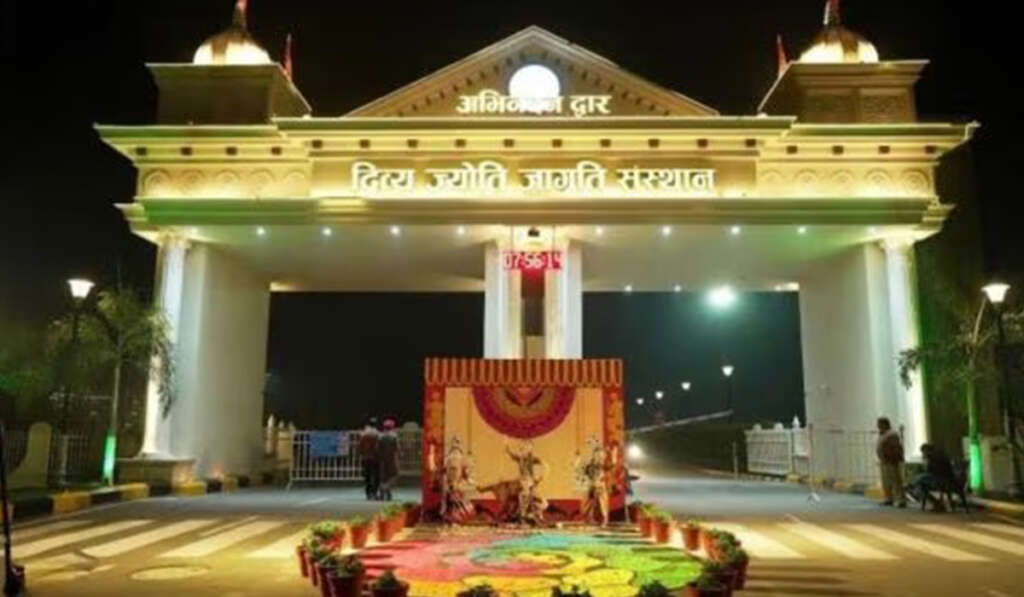
After Dera Chief Ashutosh Maharaj went into samadhi in 2014, the influence of this dera has not diminished at all. This dera has a good influence in Jalandhar and Ludhiana. Let us also mention here that the court had declared the samadhi of Dera Chief Noor Mahal as dead, but the devotees denied this from the beginning. According to the website of Divya Jyoti Jagriti Sansthan, Dera Noor Mahal was established in 1983. This dera is associated with urban Hindus and OBCs.
Apart from these, in 2001, the name of Bhaniare Wale Baba became very famous, and there are many such deras where the Dalit community gets equality, comfort and peace. This is the reason for the growth and prosperity of these deras.
Leave a Comment