
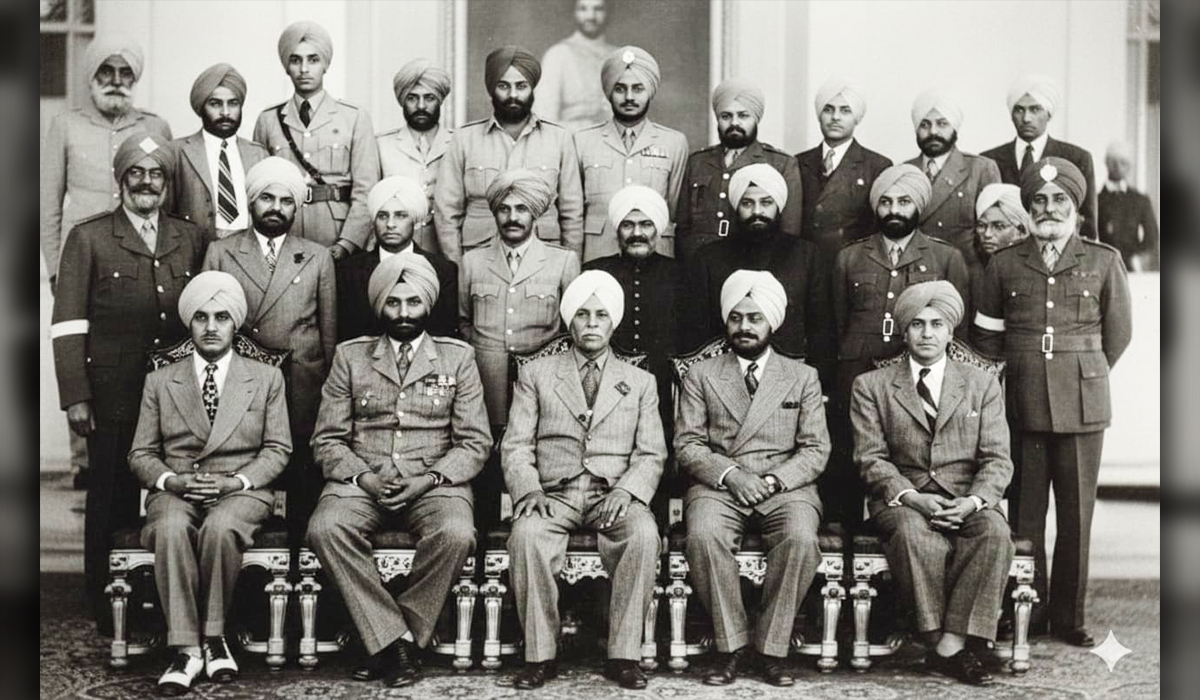

India gained independence from British rule on 15 August 1947, and Partition divided eastern Punjab into two parts. Soon after, by merging the Sikh princely states of Patiala, Nabha, Faridkot, Kapurthala, Jind, Kalsia, Nalagarh, along with the Muslim-ruled state of Malerkotla, a new state called PEPSU was formed on 15 July 1948.
The Full Story of PEPSU
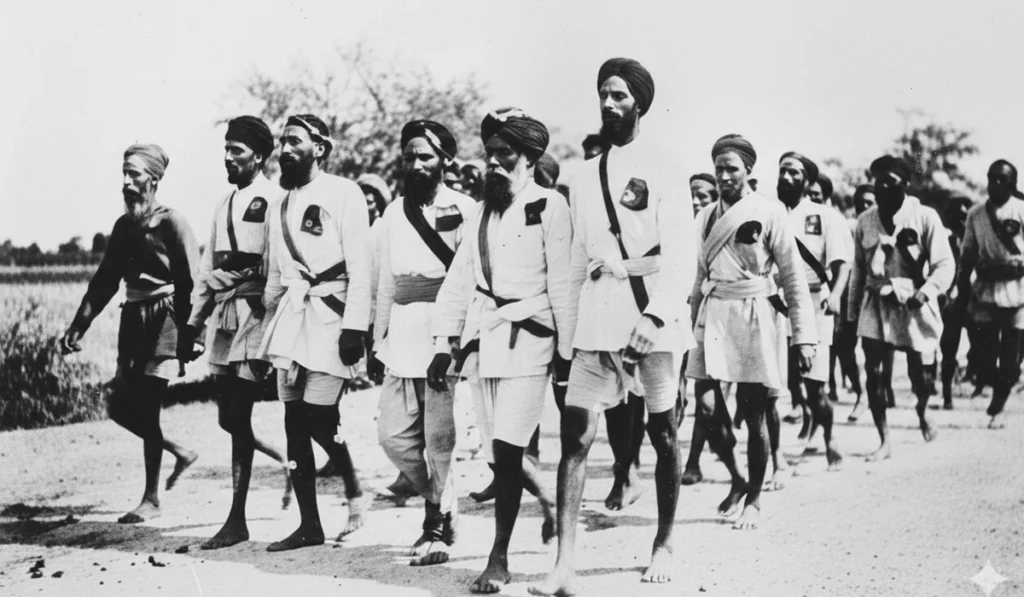
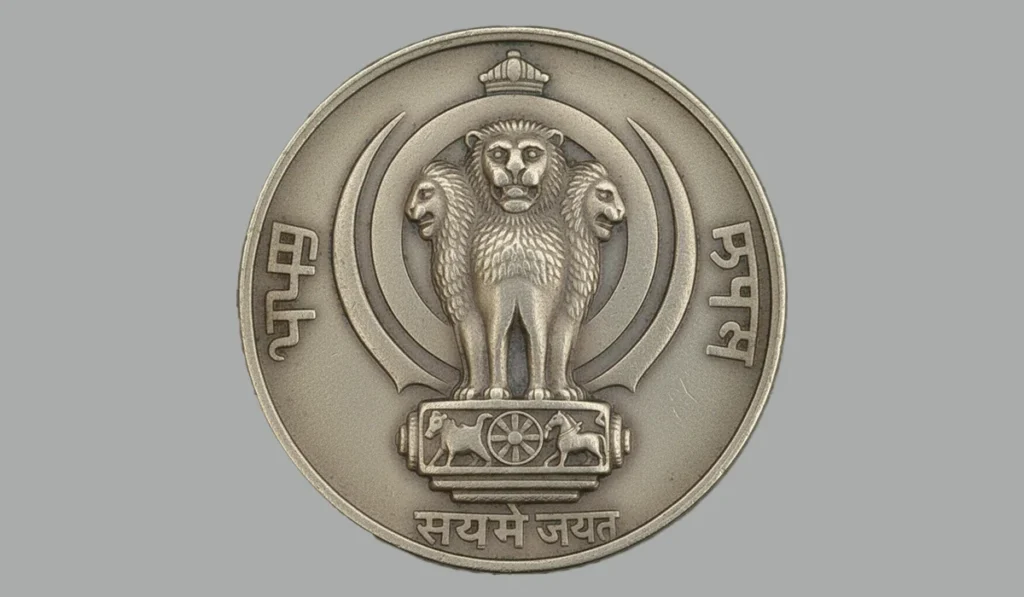
PEPSU, whose full name was Patiala and East Punjab States Union, was an important phase in the formation of modern Indian Punjab. It was created by merging eight princely states left behind after the end of British rule in 1947—Patiala, Jind, Nabha, Faridkot, Kalsia, Malerkotla, Kapurthala, and Nalagarh. The state came into existence on 15 July 1948 and was granted full statehood in 1950.
The capital of PEPSU was Patiala, and its total area was 26,208 square kilometres, which also included hilly regions of present-day Himachal Pradesh such as Shimla, Kasauli, Dharampur, and Chail. Thus, at that time, two states existed in the Punjab region: Punjab (India) and PEPSU.
PEPSU’s administrative system was unique. Initially, it was divided into eight districts—Patiala, Barnala, Bathinda, Fatehgarh, Sangrur, Kapurthala, Mahendragarh, and Kohistan—which were merged into five districts in 1953. In terms of language policy, Punjabi (in Gurmukhi script) was selected as the language of the Punjabi zone. The Punjabi Formula was applied in the Punjabi-speaking areas, while the Sachar Formula was applied in the Hindi-speaking zones.
Population of PEPSU
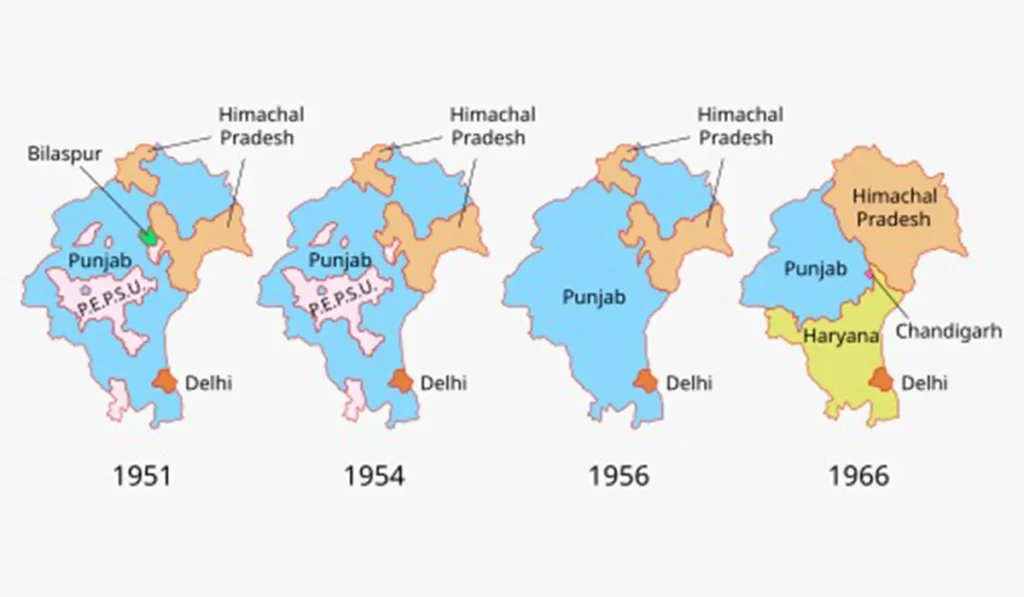
According to the 1951 Census, PEPSU had a population of 3,493,685, of which 19% lived in urban areas. The average population density was 133 persons per square kilometre. However, this regional arrangement did not last long. On 1 November 1956, during the linguistic reorganization of states, PEPSU was fully merged into Punjab. Thus, PEPSU existed for only eight years.
Who Was PEPSU’s First Chief Minister?
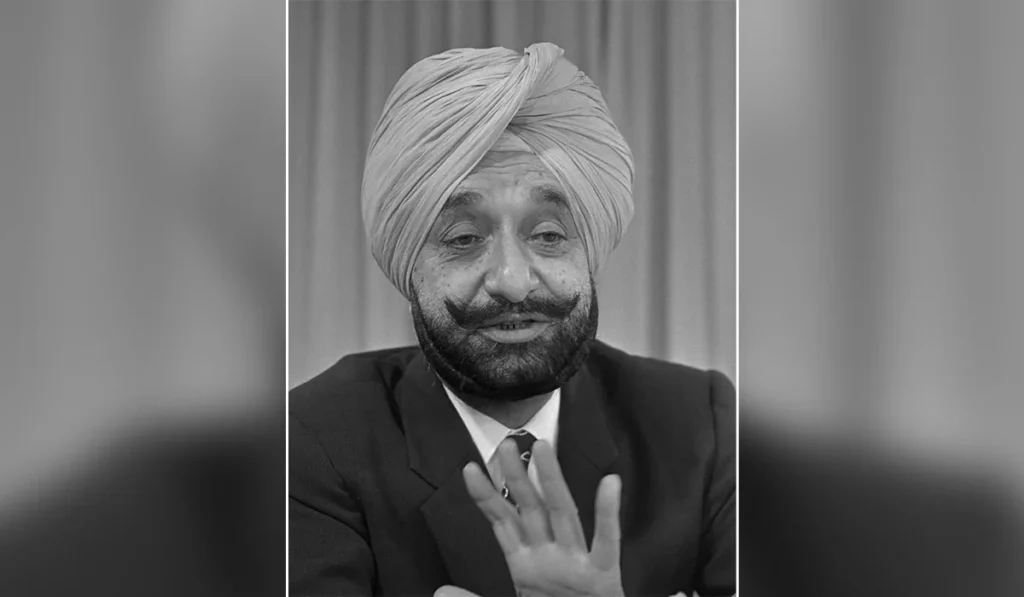
Gian Singh Rarewala became PEPSU’s first Chief Minister on 13 January 1949, while Colonel Raghbir Singh served as the second Chief Minister from 23 May 1951. Rarewala led India’s first non-Congress government after independence and represented the Sikh community.
Gian Singh Rarewala was born on 16 December 1901 at his maternal home in the village of Bhari, Ludhiana district. His ancestral village, Rara, was also in Ludhiana district. His father, Sardar Ratan Singh, was a Bisvedar (revenue official) in the Patiala state and a noted Sikh historian who authored works such as Prachin Panth Prakash.
Rarewala held several senior posts in the Patiala state, including Municipal Committee President, Excise Commissioner, High Court Judge, and Minister for Revenue and Agriculture.
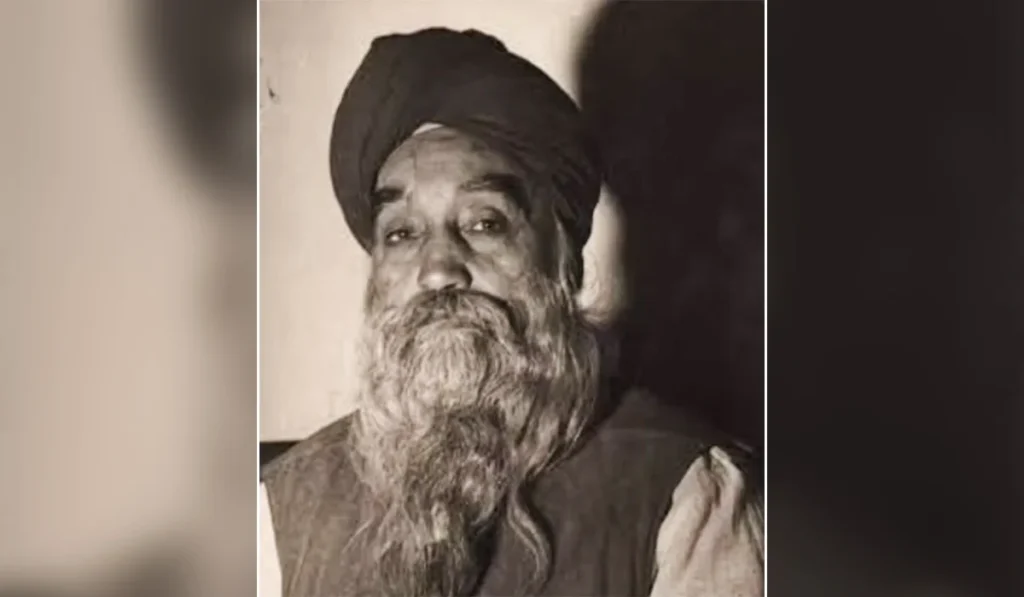
The Maharaja of Patiala, Yadavinder Singh, was appointed Rajpramukh, while Maharaja Jagatjit Singh of Kapurthala was appointed Deputy Rajpramukh. Gian Singh Rarewala was appointed Prime Minister and took oath as Chief Minister on 13 January 1949, heading a non-elected government.
The First Elections and Political Developments
India’s first general elections were held in 1952. While the Congress Party under Jawaharlal Nehru won in most states, in PEPSU the Akali Party, led by Master Tara Singh, formed a non-Congress government in alliance with the United Front. On 20 April 1952, Gian Singh Rarewala became PEPSU’s first elected Chief Minister. This was India’s first elected non-Congress state government and made Rarewala the first elected Sikh Chief Minister.
Rarewala transformed Patiala into a centre for scholars, poets, saints, and educators who had migrated from West Punjab. He worked for the promotion of the Punjabi language and encouraged students along with Master Tara Singh. However, his tenure was short-lived. Following an election petition, the High Court ruled against him, resulting in the loss of his legislative membership. Consequently, President’s Rule was imposed in PEPSU on 5 March 1953—the first time an elected state government was dismissed in independent India.
Many historians link this episode to Nehru’s intolerance toward non-Congress governments.
Later Political Life
Rarewala later participated in the Punjabi Suba Movement. In 1955, when the movement reached its peak and thousands of Sikhs were jailed, he led Akali protest groups to Amritsar and was elected President of the SGPC the same year. Though personally opposed to the Regional Formula, he supported it in the Akali Dal General Body meeting on 11 March 1956, leading to the merger of PEPSU with Punjab on 1 November 1956.
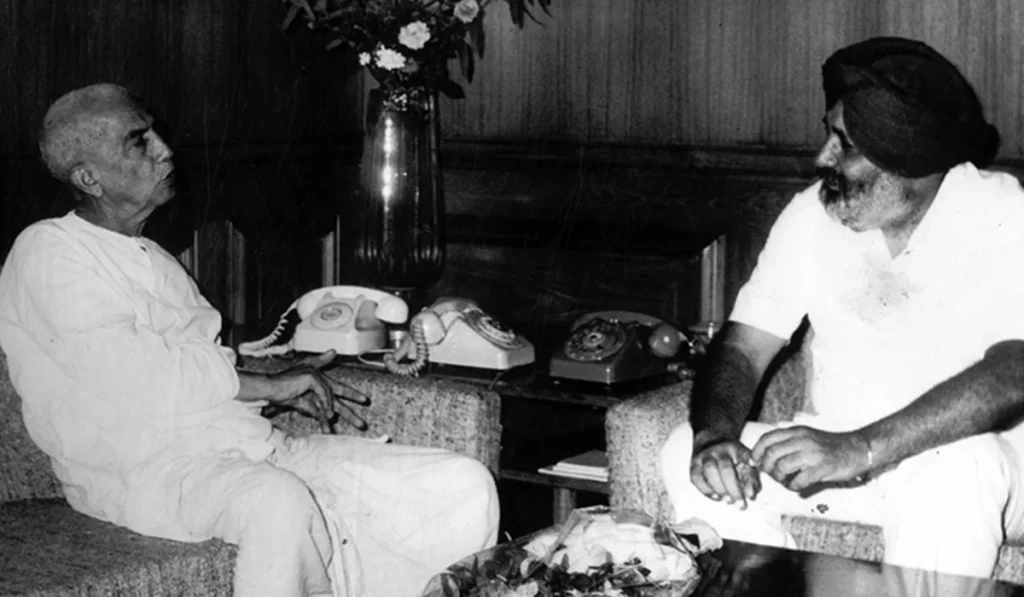
In the 1957 elections, the Akali Party merged with the Congress. Leaders like Rarewala, Parkash Singh Badal, and Giani Kartar Singh were elected on Congress tickets. On 3 April 1957, Rarewala became Minister for Irrigation and Power in Partap Singh Kairon’s cabinet, significantly expanding irrigation and power projects and strengthening agriculture. He was re-elected in 1962 and 1967.
On 31 August 1965, he convened a meeting of Sikh legislators to strengthen the demand for a Punjabi Suba. This demand was accepted, and on 1 November 1966, Punjab and Haryana were formed as separate states. He later served as Leader of the Opposition in an Akali government.
When Lachhman Singh Gill formed a Congress-backed government and declared Punjabi the state language, Rarewala withdrew support, leading to the government’s collapse and President’s Rule. Rarewala was arrested in Amritsar while supporting Darshan Singh Pheruman, who sacrificed his life demanding Chandigarh’s inclusion in Punjab.
After retiring from politics, Rarewala devoted his time to social service in his village along with his daughter Nirlep Kaur, who remained politically active. After a prolonged illness, he passed away in Delhi on 31 December 1979.
Leave a Comment