
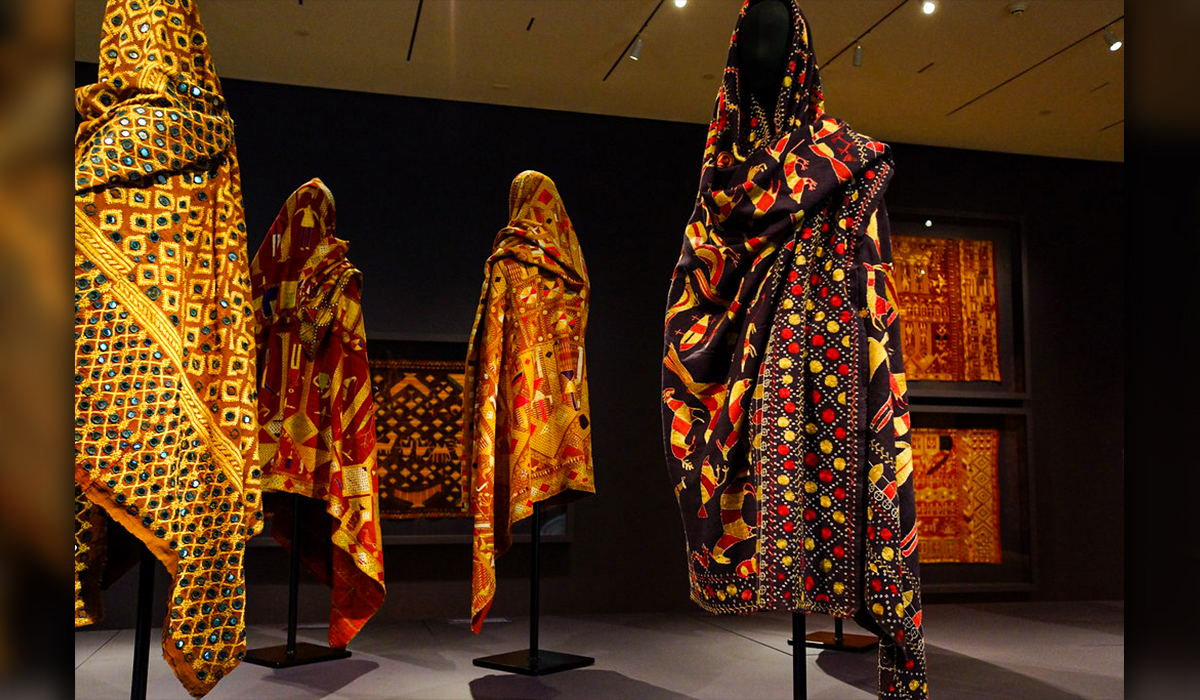

“Phulkari”, which literally means “flower work”, is an iconic, densely woven art form of Punjab. It features bright geometric and floral motifs embroidered with silk thread, primarily on thick khadi cloth. Once central to Punjabi life (in wedding dowries, ceremonial gifts and home textiles), the art began to fade in the 20th century due to declining demand due to industrialized clothing and changing social structures.
However, in recent years, a new wave of Punjabi designers and enterprising artisans have begun to revive Phulkari. Notably, they are preserving its artisanal techniques, while adapting its visual energy into contemporary silhouettes, internationally-ready products and new value chains.
Key reasons for Phulkari’s revival
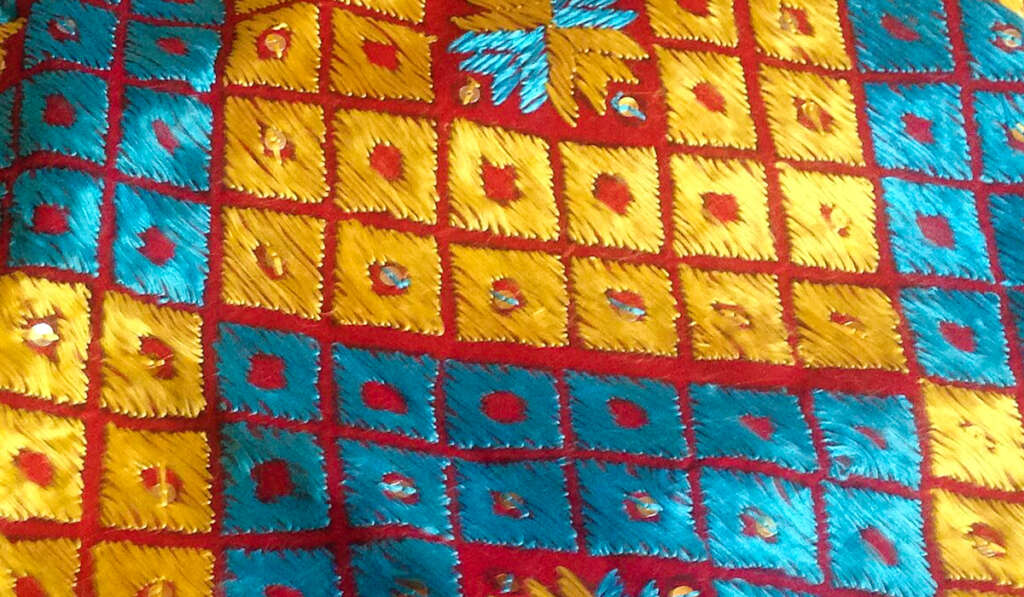
Three practical forces are converging to make Phulkari’s rebirth possible:
Heritage awareness and legal protection: Phulkari received Geographical Indication (GI) status in India, bringing focus to its authenticity and the rights of Punjabi artisans. This legal protection has strengthened its unique identity.
Market interest in craftsmanship and ethical sourcing: Global consumers are looking for handmade, transparent supply chains and authentic origins of artisans. This demand is perfectly aligned with Phulkari’s handmade story, giving it a global market.
Digital marketing and new distribution channels: Social media, D2C (direct-to-consumer) websites and online marketplaces have allowed small labels and artisan cooperatives to reach buyers in India and abroad without costly middlemen. This has made it easier for new designers to start a business.
New techniques and product innovations by young designers
Young Punjabi designers and emerging labels are modernizing phulkari in four key ways:
Reimagining silhouettes
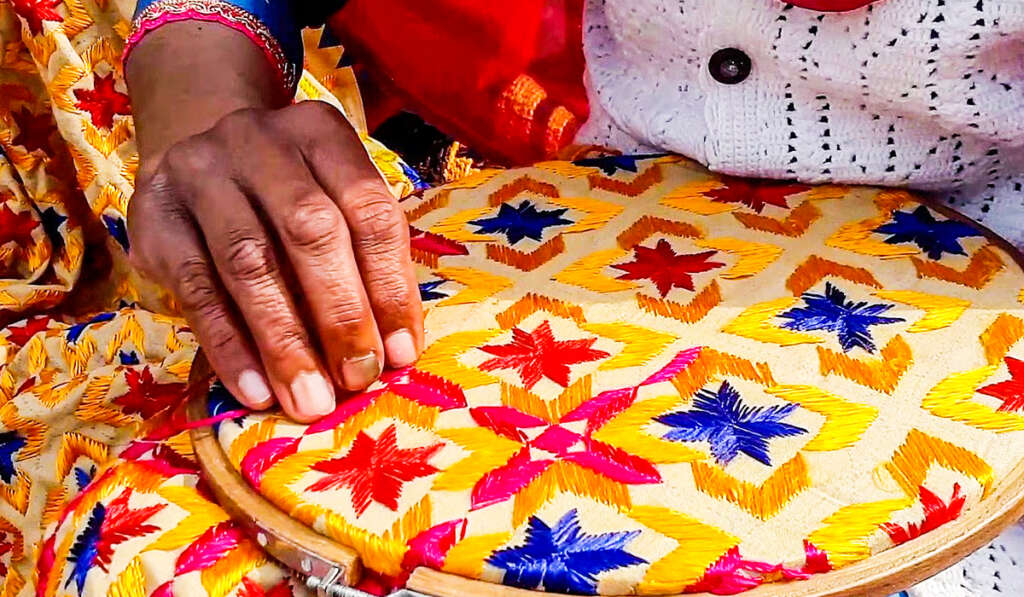
Instead of confining phulkari to dupattas and traditional suits, designers are adding embroidered panels to jackets, dresses, shirts, contemporary kurtas and even western-style separates. This makes the art wearable for urban and international wardrobes.
Experimenting with materials and scale
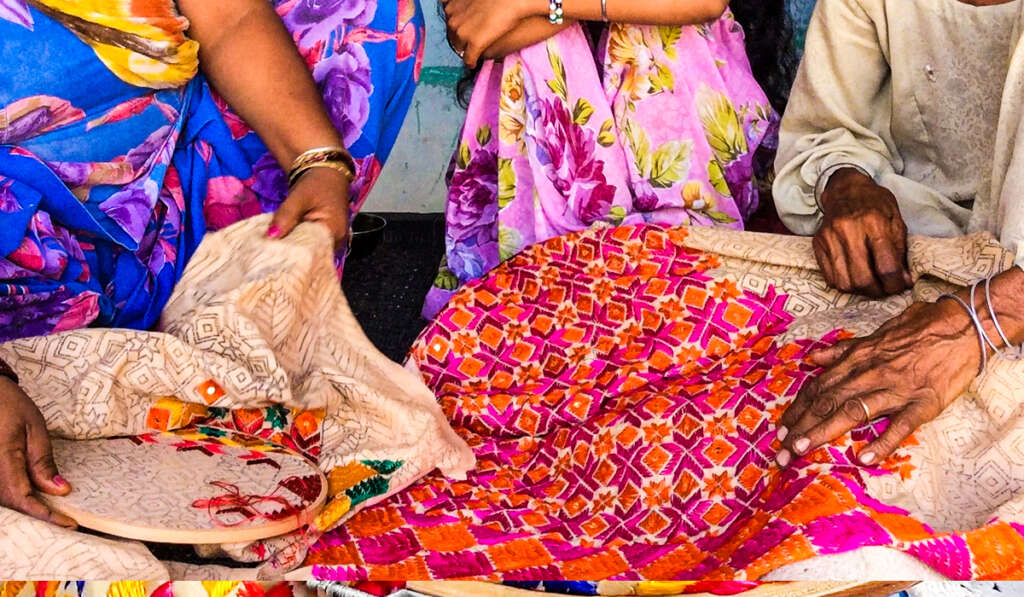
Instead of the traditional khadi and thick thigh silk threads, lighter base fabrics such as cotton-silk, chiffon and fine silk are now being used. Sometimes machine-assisted techniques that retain hand patterns are also used to reduce production time. In addition, designers use smaller patterns for subtle everyday wear pieces and larger “statement” panels for couture.
Collaboration with artisan groups and cooperatives
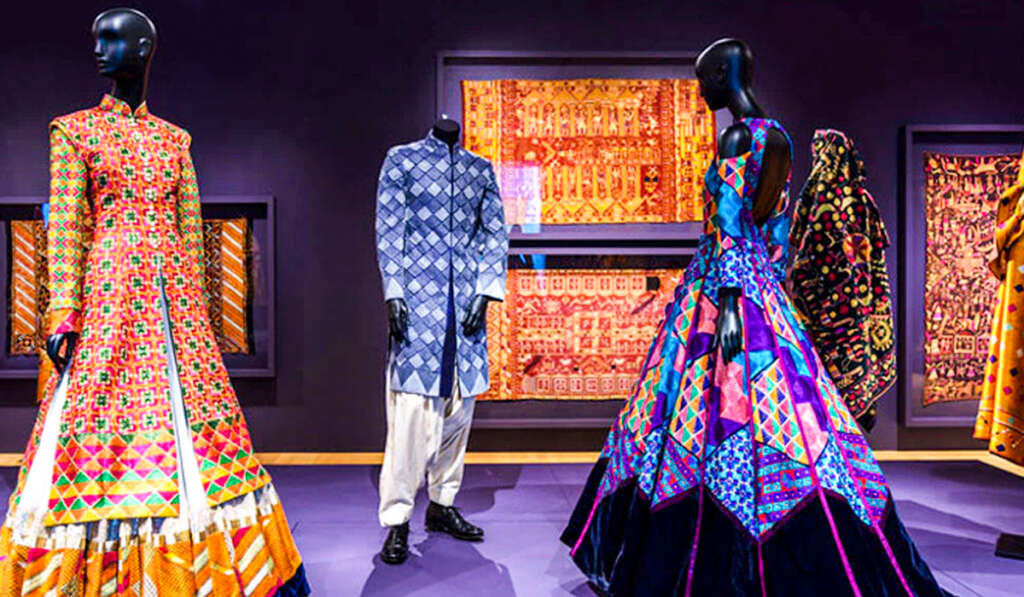
Instead of outsourcing work to anonymous suppliers, many young labels are partnering directly with village artisans, self-help groups and collectives (sometimes supported by government training programs). They invest in fair wages, training and design development. These partnerships help keep traditional techniques alive, while making new product lines suitable for export markets.
New Categories: Lifestyle and Decor
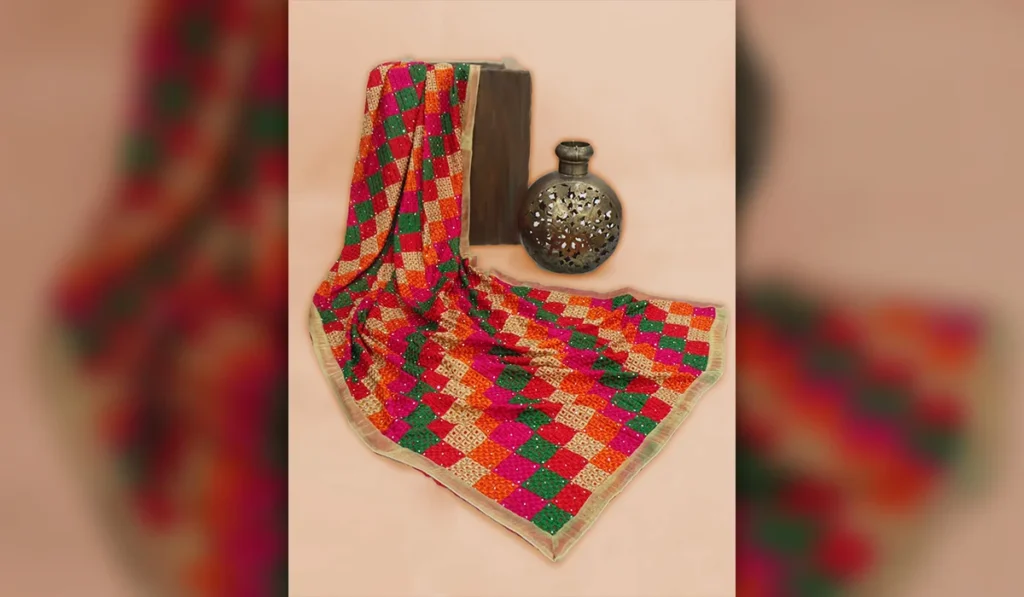
Phulkari motifs are now also appearing on handbags, shoes, homewear, cushions and small leather goods. These are categories that allow for high margins and broad global appeal. This diversification helps artisans earn a steady income in addition to seasonal wedding demand.
Real-world success and case studies
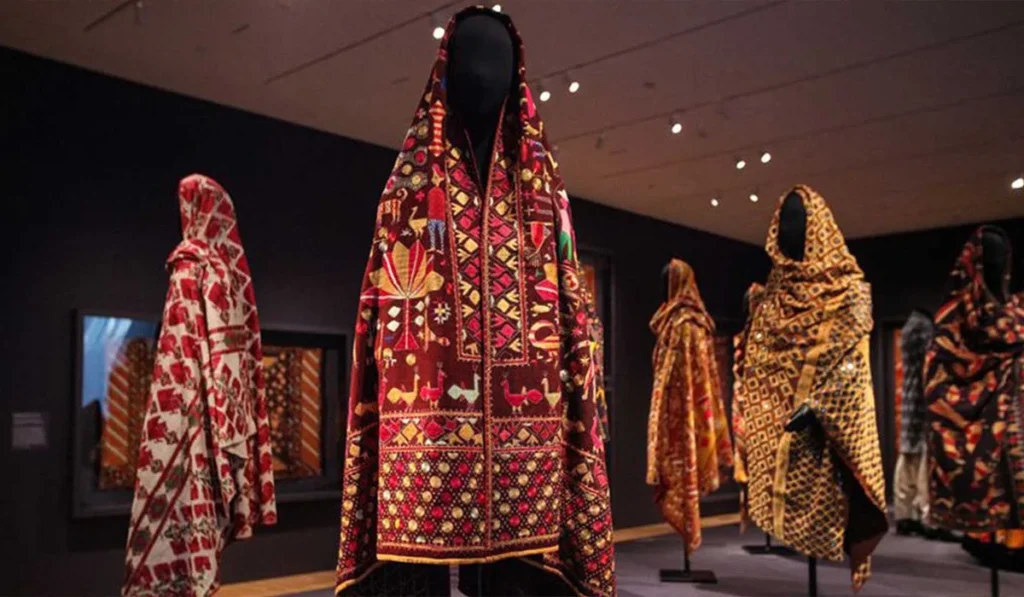
Here are some concrete examples that demonstrate these trends in action:
Aab – Shreya Mehra: This Amritsar-based label has built a business around phulkari by working directly with rural artisans and creating contemporary collections while maintaining the integrity of hand-embroidered fabrics in modern silhouettes. The media cites Aab as a clear example of “Phulkari 2.0.”
Artisan Delegations and International Exhibitions: In 2025, groups of Phulkari artisans and related initiatives took their work to trade shows and exhibitions abroad (such as in London after exhibitions in Germany and Dubai). This shows that there is international interest in authentic Phulkari product lines with the right management and market support.
The power of digital groups and social media: Instagram pages, specialty boutiques and D2C sites dedicated to modern Phulkari have proliferated. This is helping small designers and home-based artisans find customers directly. It is an important distribution channel for young designers who do not have the same budget as big brands.
Key challenges of the new era
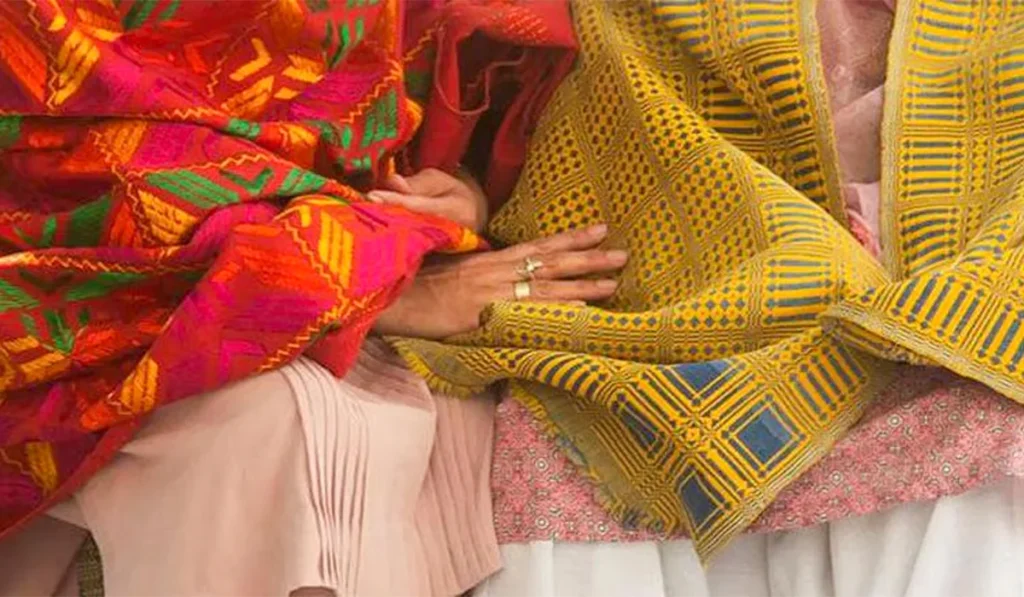
The revival holds great promise, but it is not without risks:
Time and cost: Hand-pulled phulkari is labor-intensive, with a delicate balance between scaling up production while keeping prices affordable.
Authenticity vs. adaptation: Designers must avoid cultural appropriation. Modern updates should recognize and financially benefit artisan communities. GI regulations and origin labeling help, but a continued commitment to ethical supply chains is needed.
Skill transfer: Many older artisans have experiential knowledge (free-hand patterns, traditional stitches). At the same time, training younger artisans while maintaining quality is crucial and resource-intensive.
Global and local significance
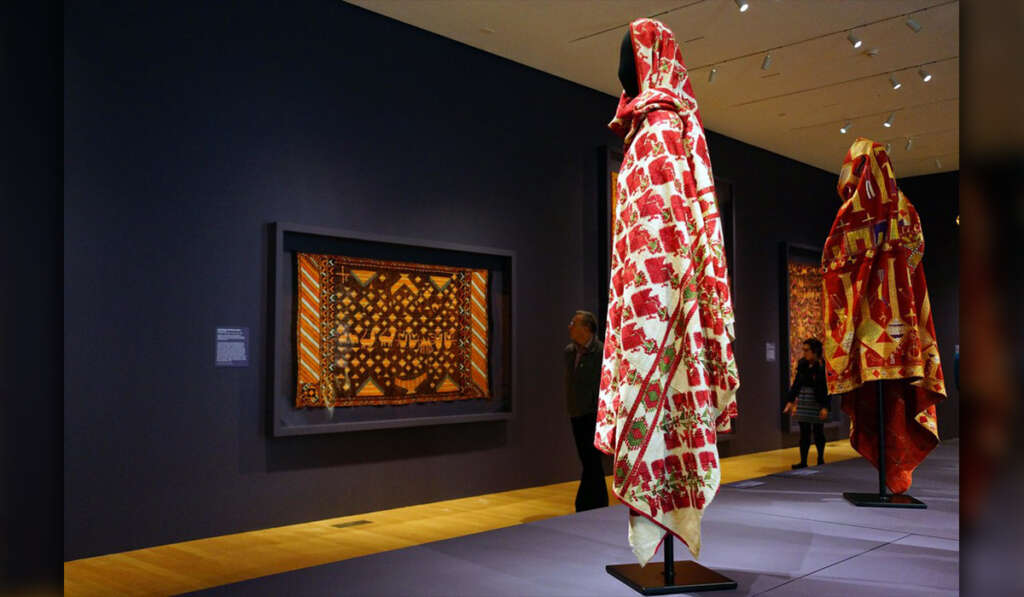
For global fashion, phulkari offers a unique visual vocabulary. Vibrant geometry and hand-made textures are on the rise at a time when authenticity and craftsmanship are in fashion. For Punjab’s rural economy and the artisan women who are the custodians of this art form, this revival led by young designers could mean new income, skill validation and community resilience.
Provided that business models prioritise fair payment and capacity building, it is worth noting that this is not just about clothes, but a movement that connects heritage, economy and women’s empowerment.
Leave a Comment