
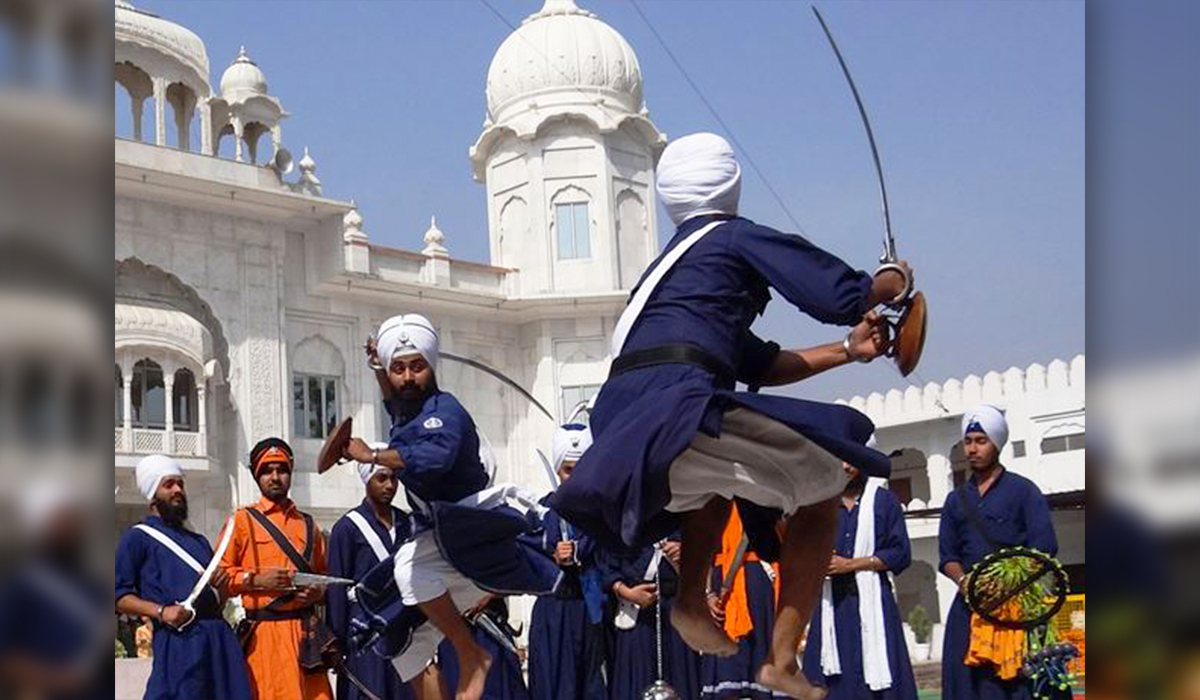

Gatka, the traditional Sikh martial art, is widely practiced today as a cultural heritage expression and a martial discipline. It holds a special place, especially for the Nihang Singhs (or Nihangs): it is not just a fighting technique, but a living symbol of their identity, spirituality and historical duty.
From weapons of war to sacred practice
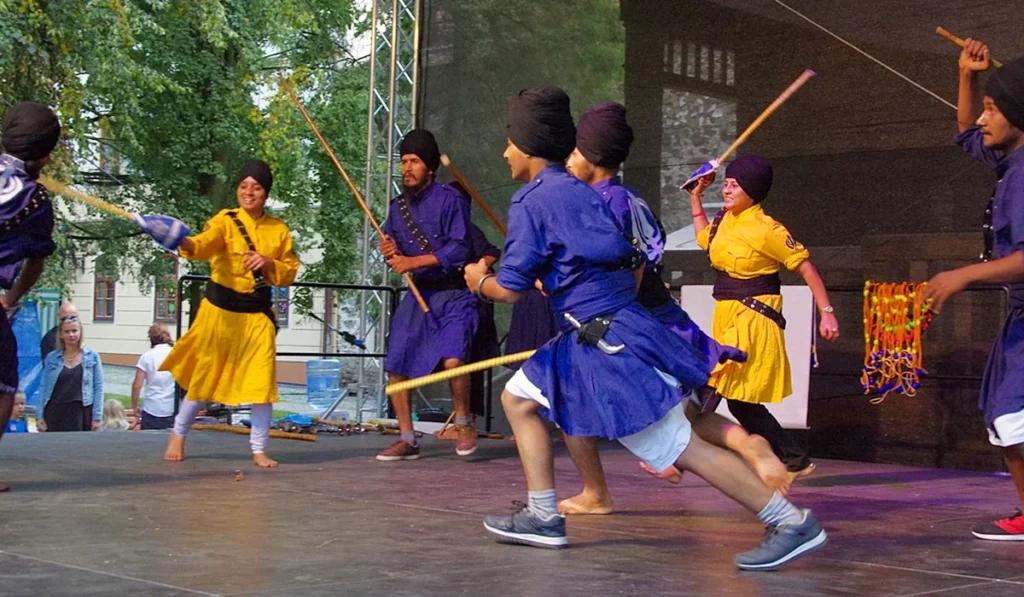
Rooted in a broader tradition of weaponry: Gatka is associated with the Indian martial tradition of Shastra Vidya (“science of weapons”), which taught training in a variety of weapons, including swords, spears and shields. This tradition still lives on today in Sikh warriors like the Nihang Singhs.
The rise of Gatka under the needs of the Sikh community: A more formal, stick-based form of Gatka emerged under the guidance of the Sikh Gurus. The sixth Guru Hargobind Ji encouraged weapons training to defend the religion. Guru Gobind Singh Ji institutionalized the warrior identity of the Khalsa. Originally part of the Shastra Vidya, Gatka was used in actual conflicts. Its techniques and philosophies were passed down from generation to generation.
Nihang Identity and the Preservation of Gatka
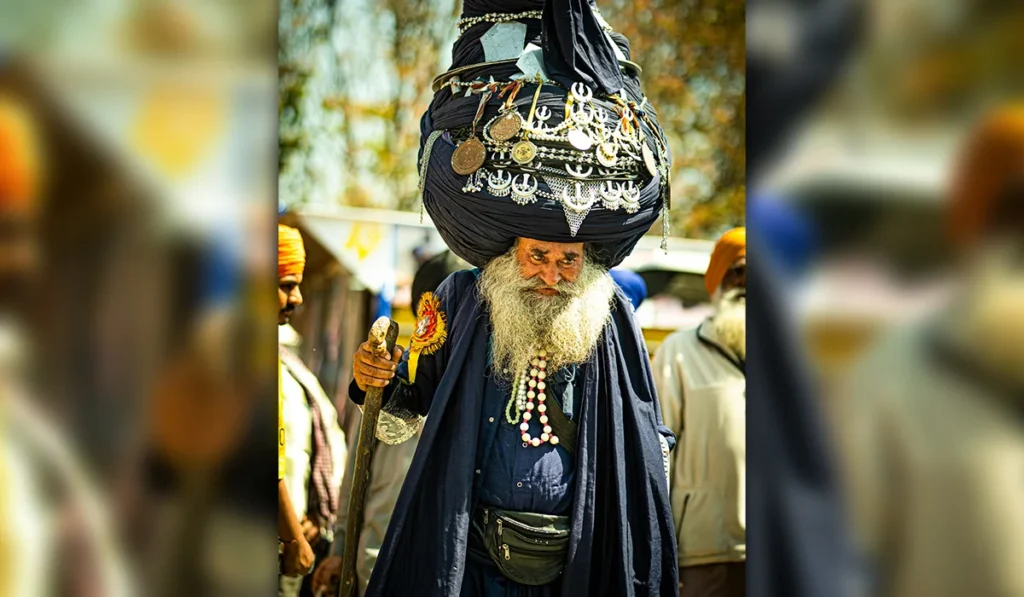
Who are the Nihangs?
The Nihangs are a unique Sikh sect, known for their tall turbans and blue cholas. These “warrior-saints” were historically tasked with the defense of the religion, combining spiritual devotion with martial discipline. However, over time, especially during the British colonial period, when warfare declined, many practices associated with martial arts, such as spears, swords, and Gatka, were suppressed or outlawed.
From a lethal fighting art to a ceremonial and cultural form
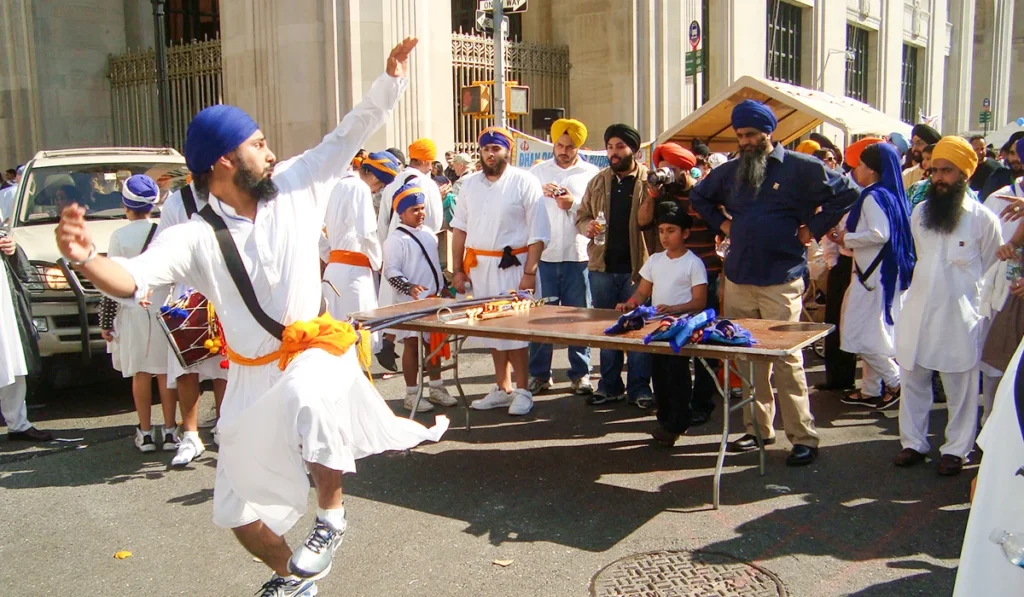
Under colonial restrictions, it became difficult to maintain lethal forms of martial training associated with weaponry. In response, the Sikhs, including the Nihangs, gradually adapted. Some martial arts went underground. Others developed into less-dangerous but symbolically rich practices. Gatka rose to prominence as an acceptable form of martial art using wooden sticks (and shields).
Gatka as a spiritual discipline: Miri-Piri dynamic
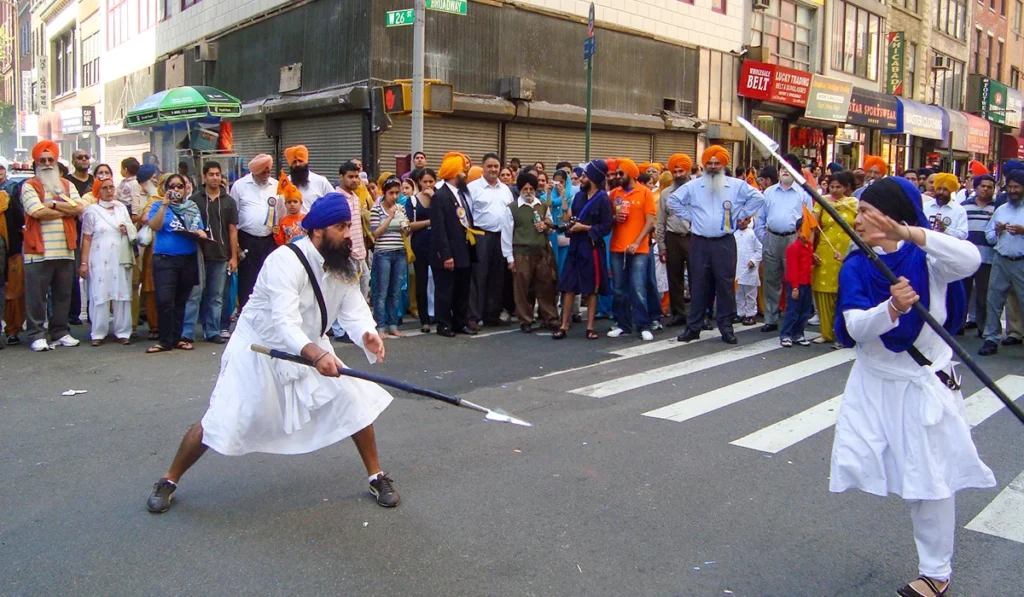
Gatka is deeply connected to the Nihang tradition, reflecting the Sikh principle of Miri-Piri (worldly and spiritual power). It is more than combat, a holistic discipline. Before training, Nihangs recite Ardas and Bani. Its aim is to instill moral courage and readiness to defend the religion. Over time, Gatka has emerged as a way of preserving the warrior-saint heritage of the Khalsa, making it both an “art and a heritage”.
Technique, weaponry and training traditions
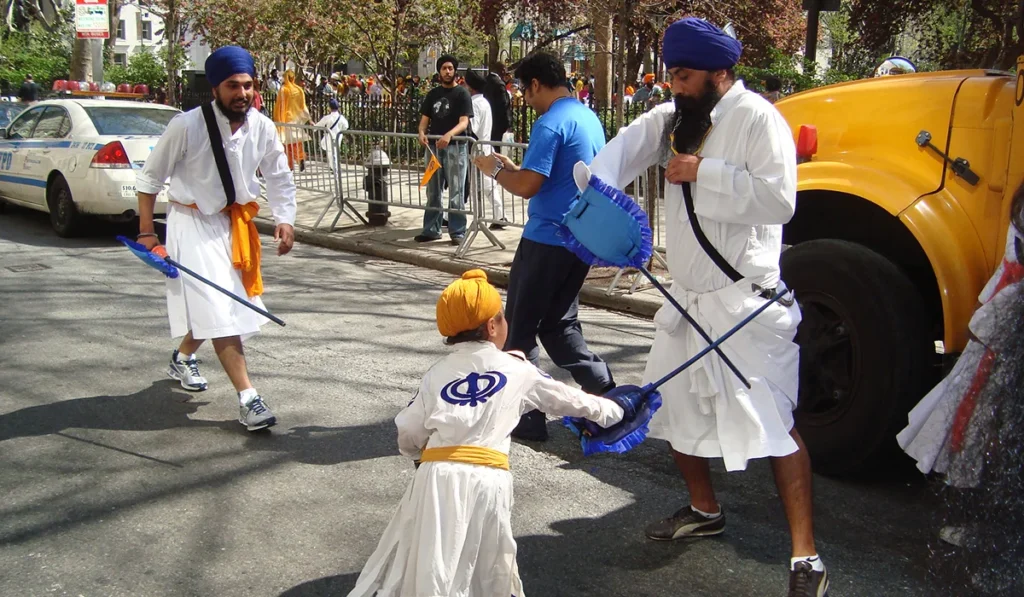
Gatka training begins with basic exercises (footwork, coordination) using wooden sticks (gatka) and shields (furri), which are part of the Shastra Vidya. This training is traditionally imparted orally in akharas under the guidance of masters. Over time, due to the shift from warfare to cultural preservation, Gatka developed two forms: a ceremonial form for festivals and a sporting form with rules and championships. Thus, modern Gatka offers a framework suitable for contemporary contexts, while retaining its spiritual roots.
Revival, Preservation, and Modern Relevance
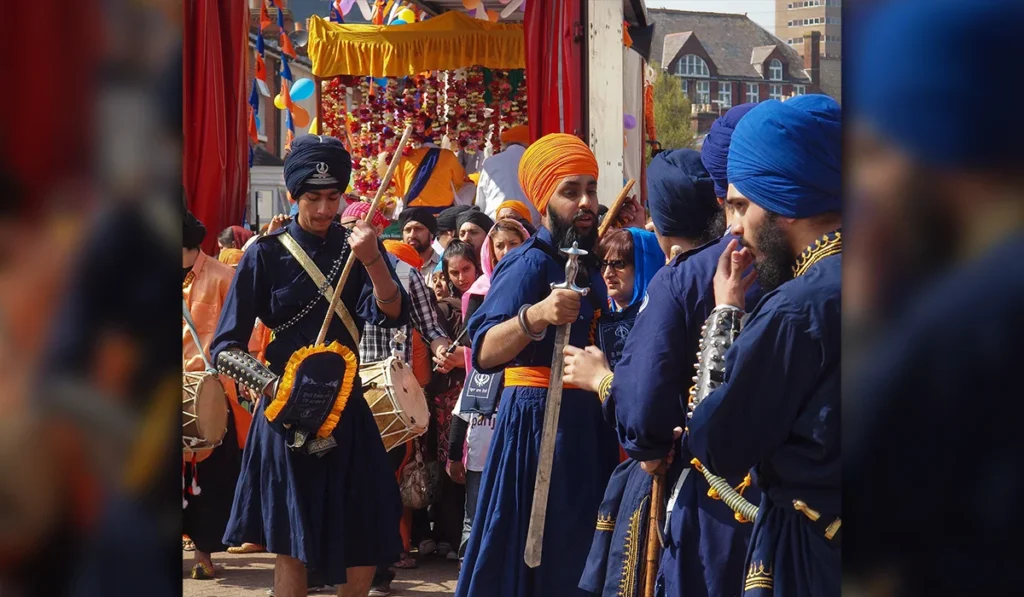
Institutional Efforts and Global Reach
In recent decades, there have been conscious efforts to revive Gatka in Sikh diaspora communities in India and around the world. Organizations such as the National Gatka Association of India (NGAI) have established formal structures for teaching and competition. Gatka is now seen not just as a traditional practice, but as a legitimate martial art and cultural heritage. This revival is attracting young people, diaspora Sikhs, and those interested in identity.
Cultural Festivals and Public Performances
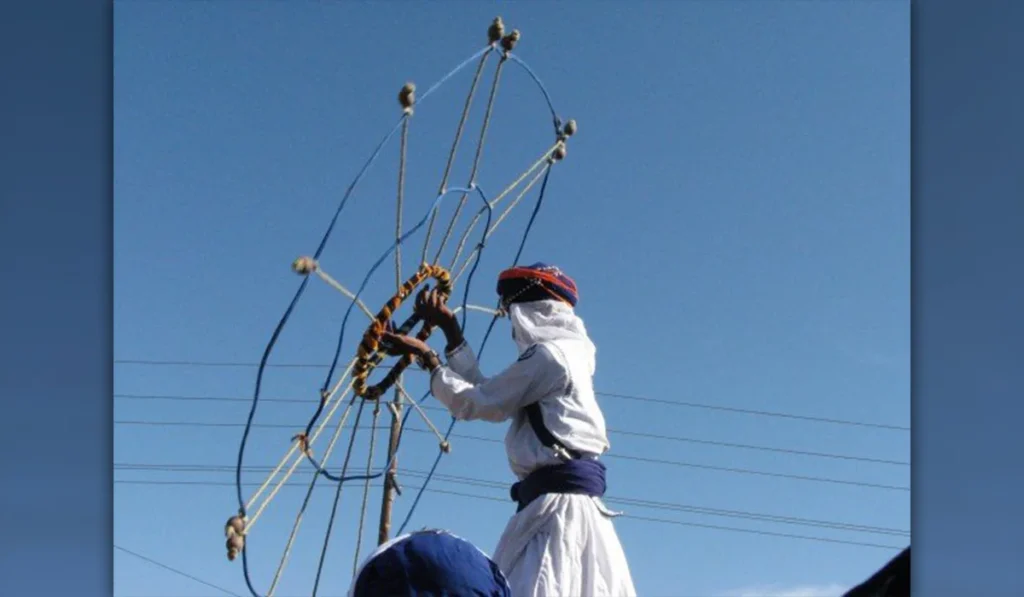
Lead by Nihang groups, Gatka is today prominently featured during Sikh festivals, processions, and public events, especially the annual Hola Mohalla festival. Hola Mohalla is a prime occasion where Nihangs lead war demonstrations, mock battles, and Gatka performances, as reported in the 2025 news in Rupnagar, showcasing Gatka and equestrian stunts. In addition, these events serve as both religious observances and cultural performances, connecting the audience to the warrior-saint past of the Sikhs and strengthening communal identity.
Gatka is not just a physical exercise, it is an identity
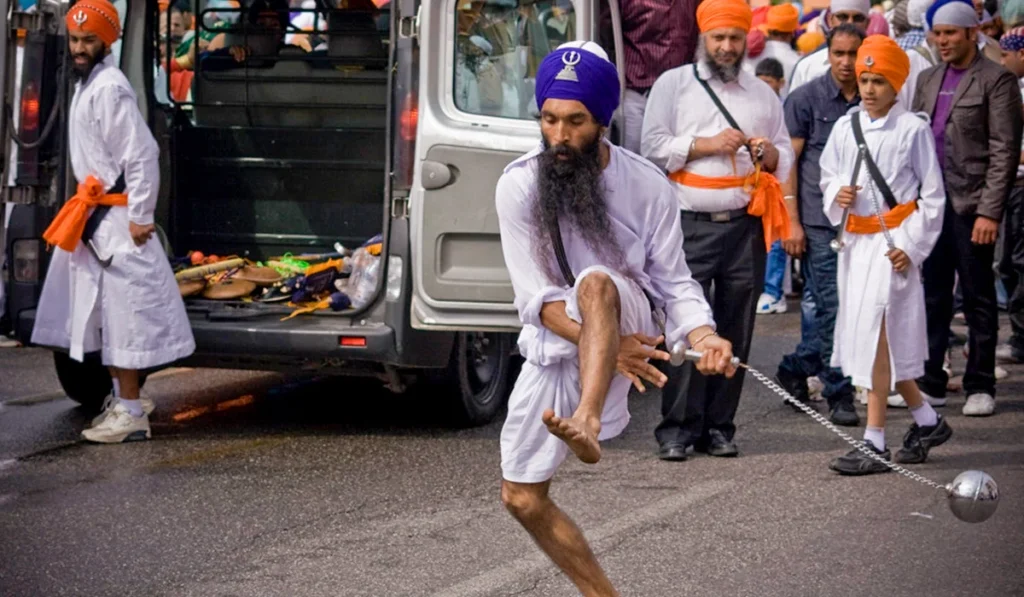
For many Sikhs, especially the Nihangs, Gatka is not just a physical activity, it is part of a trio of heritage pillars: language (Gurmukhi), spirituality (Gurbani), and martial heritage (Gatka). In this age of globalization, Gatka helps maintain a sense of continuity, identity, and belonging. For young Sikhs in India and abroad, learning Gatka is a means of connecting in a tangible way with ancestral values such as courage, self-discipline and service.
Gatka: Spiritual, Cultural and Social Significance
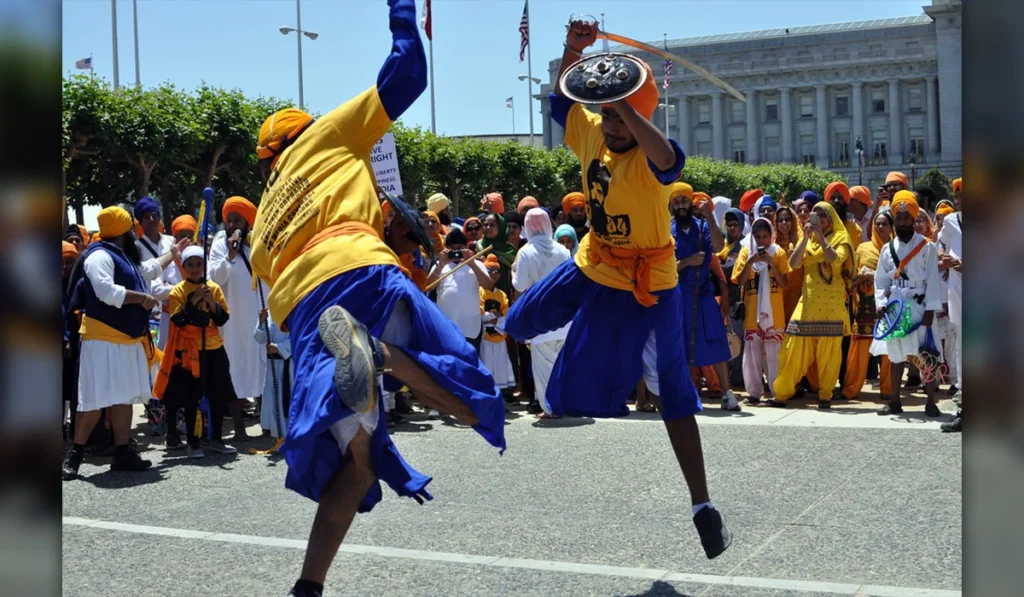
History and Identity: Gatka serves as a living bridge to centuries of Sikh and Punjabi martial heritage. Through its practice, modern Sikhs, especially Nihangs, maintain continuity with a past where defending religion and community was a sacred duty.
Spiritual Discipline and Moral Values: It is not just about fighting, but about cultivating discipline, courage, and self-control. For practitioners steeped in Sikh philosophy, every move becomes an act of devotion and spiritual grounding.
Cultural Unity and Community Communication: In an age of migration and modernization, Gatka provides a structured medium for carrying forward heritage. Through festivals, community classes, and global diaspora networks, it connects younger generations to their roots.
Revival and global reach: Gatka’s versatility (from martial art to sport and ceremonial performance) has helped it flourish. With formal federations and diaspora interest, it has become part of a global movement to protect intangible heritage, combining tradition with modern practice.
Leave a Comment