
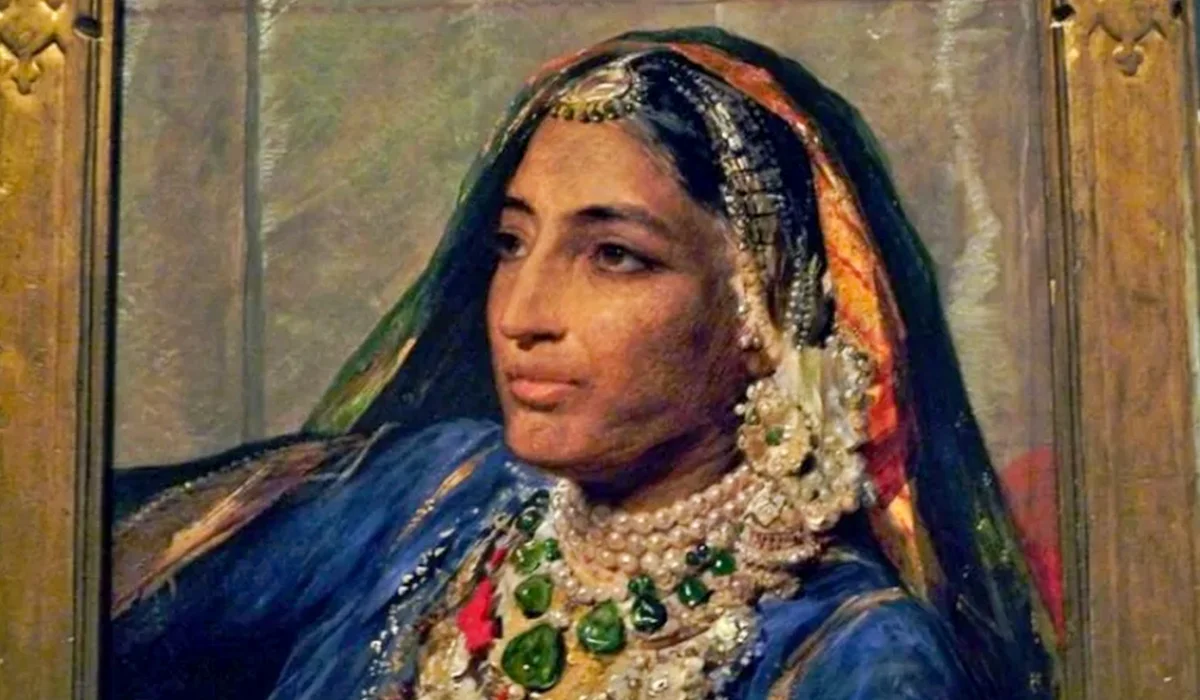

Maharani Jind Kaur, also known as “Rani Jindan”, was the last queen of the Sikh Empire. Jind Kaur was awarded the royal title of “Maharani” by Sher-e-Punjab Maharaja Ranjit Singh himself. She was no ordinary queen, rather she was the biggest threat to the British Empire. When the strong Sikh state of Punjab was surrounded by internal treason and external attacks, Jind Kaur stood like a rock and fought for Sikh self-respect. The British tried to defame her by calling her the “Messalina of Punjab” because they were afraid of her bravery and influence.
Early life and marriage with Sher-e-Punjab
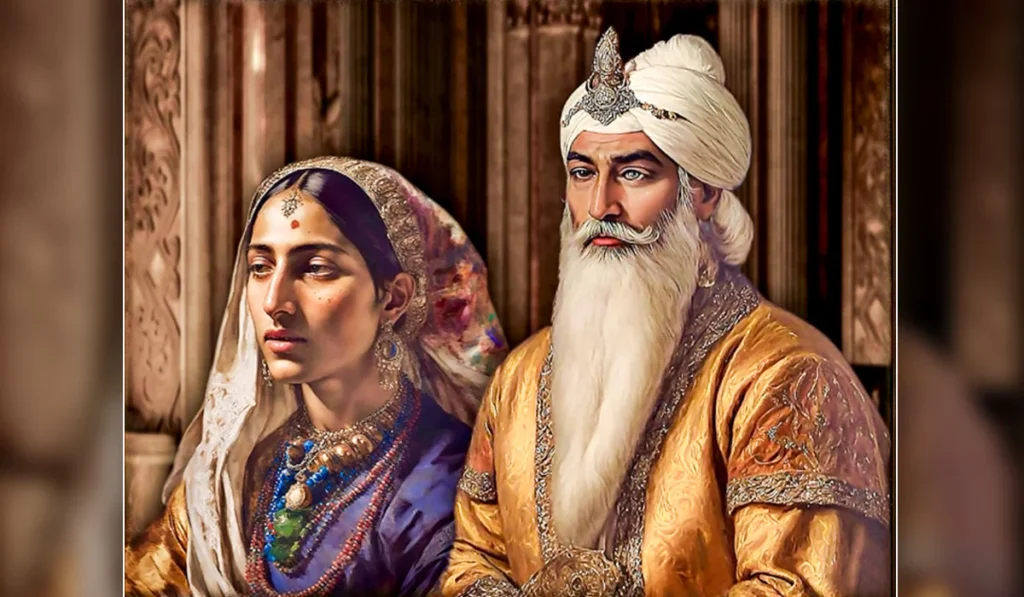
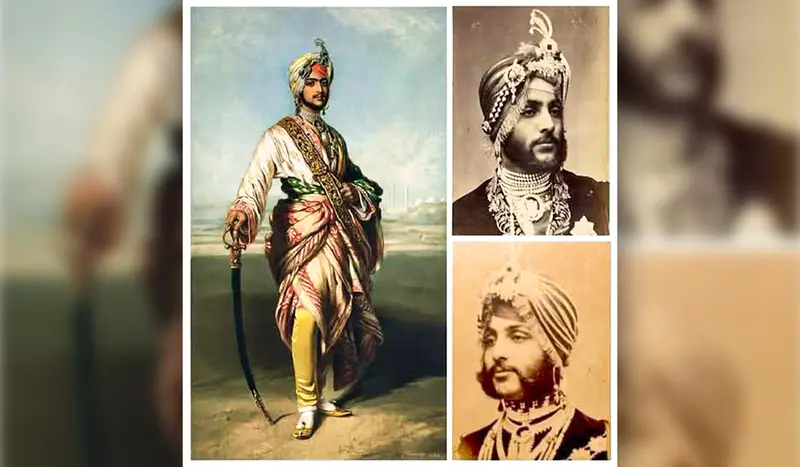
Jind Kaur was born in 1817 to Sardar Manna Singh Aulakh. His father served in the army of Maharaja Ranjit Singh. Jind Kaur was known for her extraordinary beauty and sharp intelligence. When Sher-e-Punjab Maharaja Ranjit Singh heard about her intelligence and beauty, he married Jind Kaur in 1835. She was the youngest queen among the 18 queens of Ranjit Singh. Notably, in 1838, Maharaja Duleep Singh was born in his house.
Fall of sikh kingdom
After the death of Sher-e-Punjab Maharaja Ranjit Singh in 1839, chaos spread across the Sikh Empire. The heirs (Khar Singh, Naunihal Singh, Sher Singh) were murdered one after the other. In September 1843, at the age of five, Duleep Singh was proclaimed Maharaja and Maharani Jind Kaur was made the Regent. This was the time when the Punjab court had become a stronghold of conspiracies and the British were gathering their forces on the Sutlej banks.
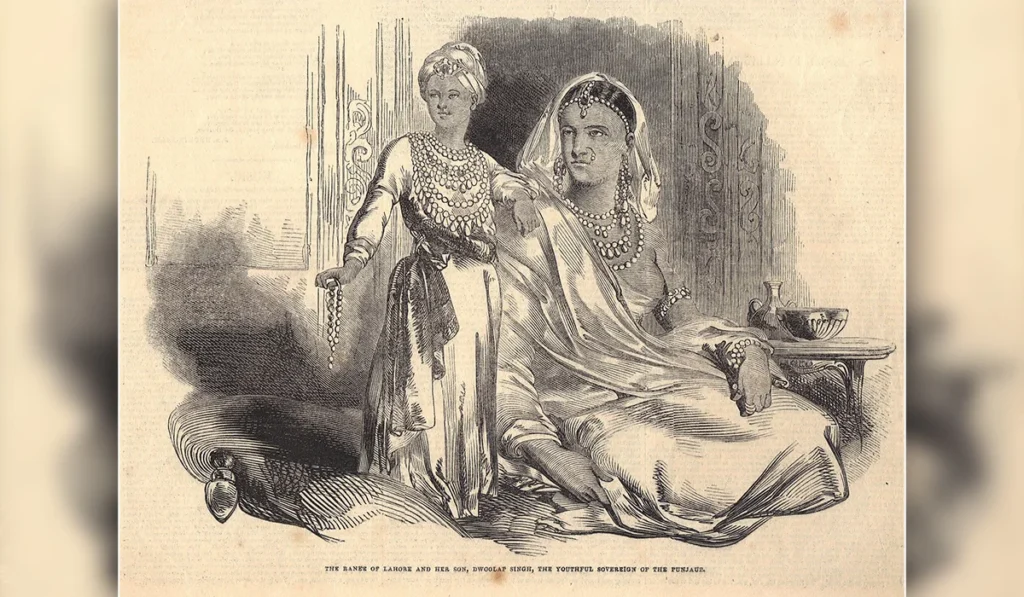
Maharani Jind Kaur abandoned the practice of purdah and came to the open court and took up the responsibility of governance. He established direct relations with the military councils (Panchayats) and inspired the Sikh soldiers to protect their country.
First Anglo-Sikh War and treason

During the First Anglo-Sikh War of 1845–46, Maharani Jind Kaur gave speeches to boost the morale of the army and encourage them to fight. However, traitor generals like Lal Singh and Teja Singh betrayed the Sikh army, which led to the defeat of the Sikhs. On March 9, 1846, the “Treaty of Lahore” took place, which limited the forces of the Sikh state. The British started efforts to sideline the Queen because they knew that it was impossible to completely capture Punjab in the presence of Queen Jind Kaur.
Imprisonment, humiliation and exile
The British falsely accused the Queen of conspiring and separated her from her nine-year-old son Duleep Singh. This was the biggest sorrow for a mother. He was first imprisoned in Sheikhpura fort and then sent to Banaras in 1848. The British also confiscated their jewelery and royal allowance.
But it was difficult to capture the soul of the queen. When the second Sikh-British war started, he instigated the Sikh chiefs to revolt through secret letters from Banaras itself. When the British came to know about this, they sent the Queen to Chunar (Chinar) Fort (Uttar Pradesh), which was a very strict prison.
Escape from Chunar Fort: A daring feat
In April 1849, Maharani Jind Kaur performed a feat that shook the British government. With the help of Sevadarni, Maharani Jind Kaur escaped in the guise of Sevadarni, blinding the guards of Sheikhpura Fort. She reached Nepal after covering a distance of 800 miles. The king of Nepal gave him political asylum. While living there, he maintained contacts for the independence of Punjab, but due to the policies of the British, his efforts could not succeed.
Mother-son reunion and last days
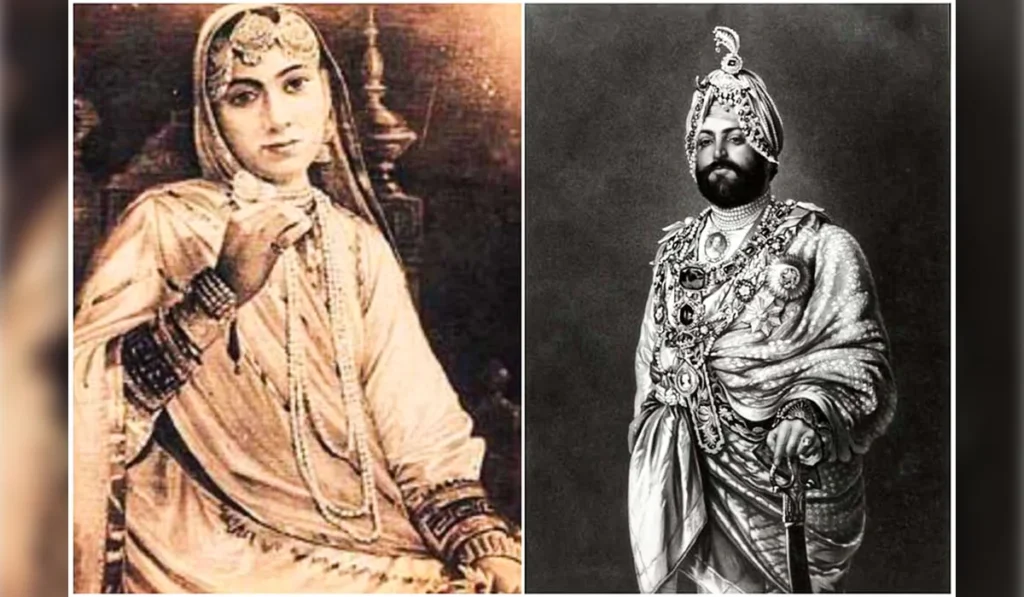
After several years of long exile, in 1861 he was allowed to meet his son Duleep Singh. Duleep Singh was converted to Christianity and sent to England. When they met at the Spence Hotel in Calcutta, the Queen stroked her son’s head and recognized that his son’s cases had been dismissed. This was very painful for him.
He went to England with Dilip Singh. There he awakened in Duleep Singh a feeling for his religion and the state by telling him stories of his wonderful Sikh heritage and his father Maharaja Ranjit Singh.
On 1 August 1863, Rani Jind Kaur breathed her last at Abington House, London. His last wish was that his ashes should be buried in the land of Punjab, but the British government did not allow this due to fear. Finally, he was cremated on the banks of the Godavari River at Nashik (Maharashtra). Later, the ashes of Maharani Jind Kaur were taken to Lahore by the granddaughter of Maharaja Duleep Singh and buried near the mausoleum of Maharaja Ranjit Singh.
Historical significance and heritage
The British portrayed Maharani Jind Kaur as the “Massalina of Punjab” or a “provocative woman”, but modern historians consider her a courageous heroine of the Sikh kingdom. In fact, she was one of the first women freedom fighters of India. He opposed the British at a time when great kings and emperors had bowed down.
The life of Maharani Jind Kaur is both a tragedy and an example. He was like the last lamp of the Sikh kingdom which challenged the darkness of British rule before it was extinguished. Today when we read the history of Punjab, the personality of Maharani Jind is remembered as a “rebel queen”. Shines, who never accepted slavery. She was not only the wife of Maharaja Ranjit Singh, but she had a history in herself which is still alive today. It creates a feeling of hunger and freedom in the mind of every Punjabi.


Leave a Comment