
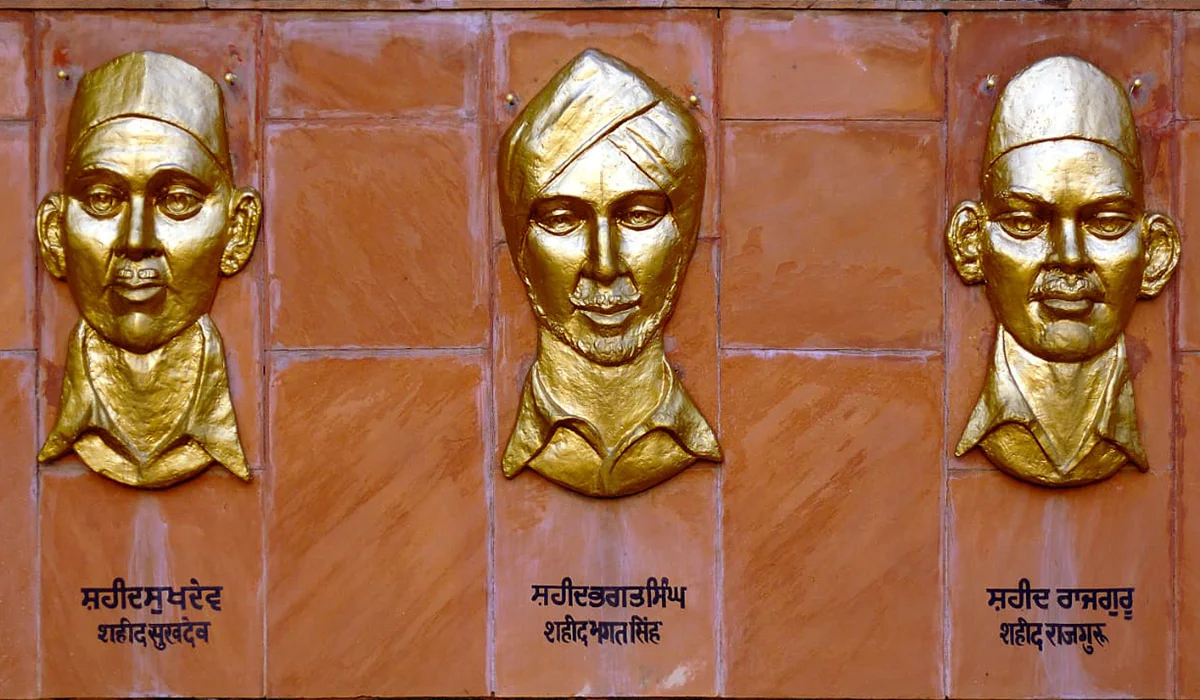

Martyrdom Day of Shaheed Bhagat Singh and His Comrades
At a time when the dark shadows of British oppression were spread across India, broken buds, flowers withered before blooming, dead butterflies, ruined branches, and fallen leaves seemed to narrate their own sorrow. Something similar was happening to ordinary Indians in Bhagat Singh’s time, as they bore the pain of being enslaved citizens of a subjugated nation.
In those days, every Indian seemed to yearn for a brave soul who would one day arrive and lift the yoke of slavery from their necks. It was in such an era that the valiant Sardar Bhagat Singh, who gave a fitting reply to British rule, was born on 28 September 1907 to Sardar Kishan Singh and Vidyavati in Banga village, Jaranwala tehsil, Lyallpur district (now in Pakistan).
Bhagat Singh’s ancestral village is Khatkar Kalan in Nawanshahr, Punjab. Nawanshahr has since been renamed Shaheed Bhagat Singh Nagar. The spirit of freedom ran in his family. His grandfather, Sardar Arjan Singh, was both a farmer and an expert in Unani medicine. His father, Kishan Singh, was a noted social worker who helped people generously during natural calamities. In 1906, Kishan Singh joined the Congress and began participating in politics.
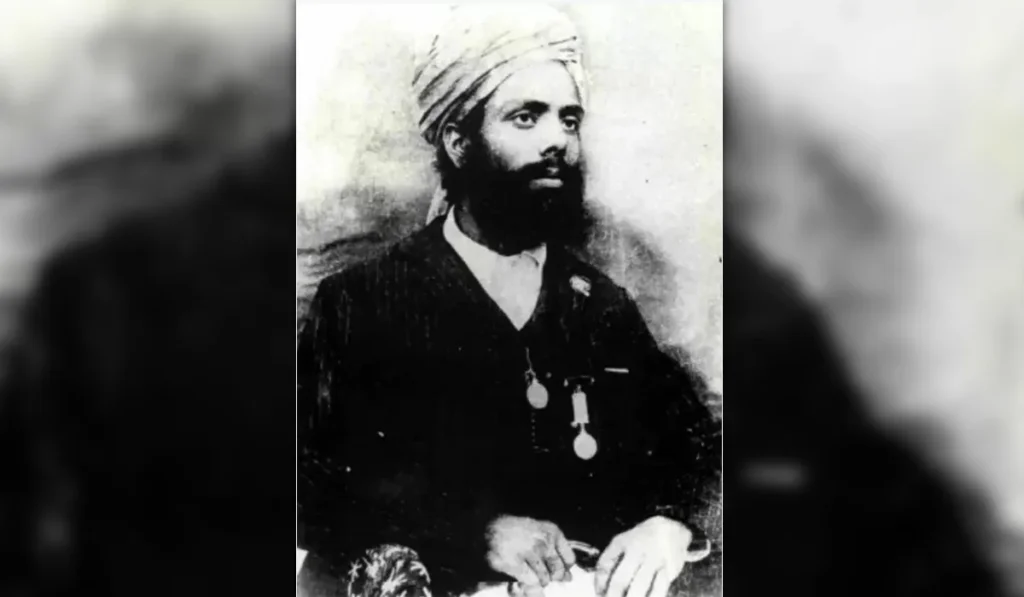
Bhagat Singh’s uncle Ajit Singh was also a prominent freedom fighter and an influential speaker. At a time when most people feared speaking against the British, his message deeply influenced peasants and soldiers, leading to his imprisonment and exile. Bhagat Singh was deeply inspired by his uncle Ajit Singh’s personality. In addition, the martyrdom of Kartar Singh Sarabha left a profound impression on his young mind. Bhagat Singh is said to have carried Sarabha’s photograph in his pocket at all times, including at the time of his arrest.
According to historians, Bhagat Singh received his early education in a primary school in Lyallpur district and later enrolled in a major school in Lahore around 1916–17. While studying there, he learned English, Urdu, and Sanskrit, and later also gained knowledge of Gurmukhi, Hindi, and Bengali. The Jallianwala Bagh massacre of 1919 had a deep effect on him. The very next day, he went to Amritsar and returned with blood-soaked soil. This event filled him with anger against British rule.
The Impact of Nankana Sahib and Early Activism
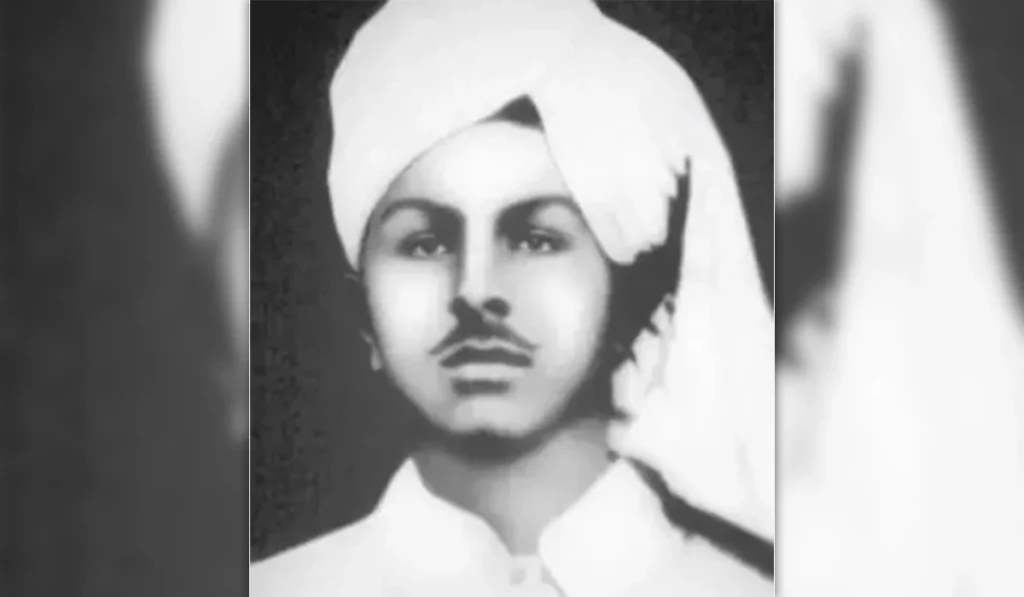
The Nankana Sahib agitation of February 1921 also left a deep mark on Bhagat Singh’s mind. He used to serve food to passing agitators in his village. In 1921, he left his studies midway and became actively involved in the Non-Cooperation Movement.
Around 1921–22, patriots in Lahore founded the National College, where Bhagat Singh gained admission after passing a difficult test. His classmates included Jaidev Gupta and Sukhdev. His friendship with Sukhdev lasted right up to the gallows. During his college days, he acted in revolutionary plays under the National Dramatic Club. Blessed with a handsome appearance and a melodious voice, he often played the lead role and sang revolutionary songs.
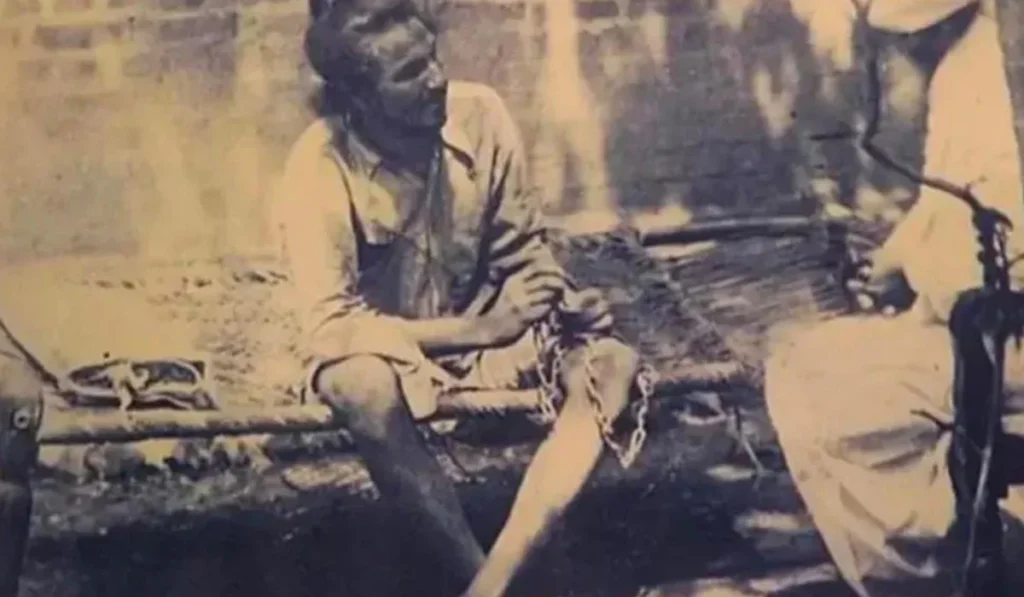
When the British government banned the club for staging such plays, Bhagat Singh continued his intellectual pursuits. In 1923, he won first prize in an essay competition organised by the Punjab Hindi Sahitya Sammelan. The same year, when his family pressed him to marry, he left home and went to Kanpur. In truth, he wished to marry “death” rather than settle into domestic life. In 1925, his grandmother’s illness brought him back to Lahore and his village. On 13 March 1926, Bhagat Singh and his associates founded the Naujawan Bharat Sabha, an open platform for revolutionary activity, in which he served as general secretary. Its first conference was held in April 1928.
Arrest and Revolutionary Writings
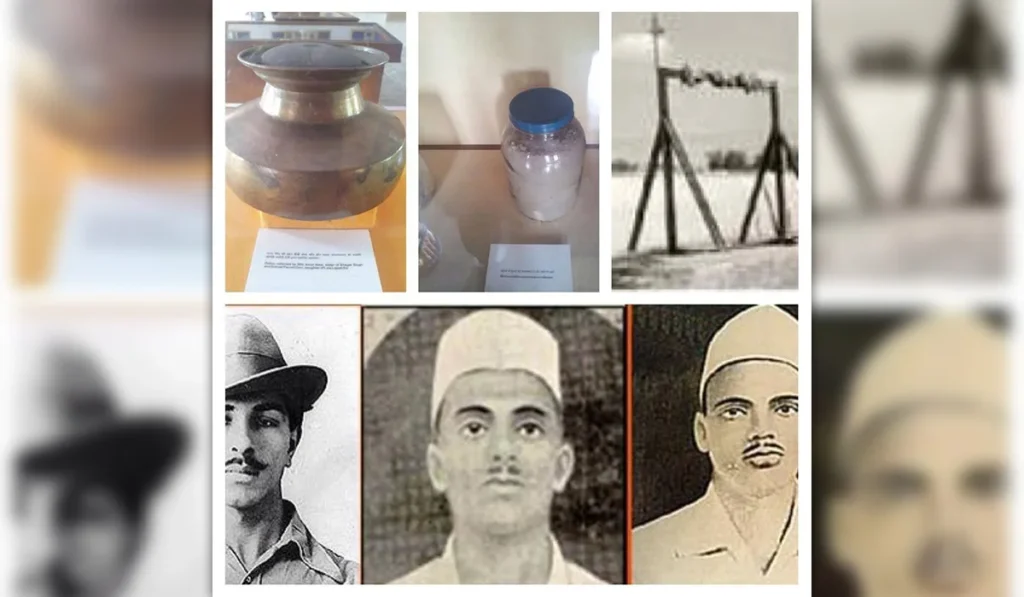
In 1927, Bhagat Singh was arrested in connection with the Kakori case, and he was also falsely linked to a Dussehra bomb incident in Lahore. He was released on a surety of Rs 60,000 and on account of his good conduct. Those familiar with his life note that Bhagat Singh was not only a revolutionary but also a distinguished thinker. At a very young age, he made remarkable intellectual strides. He translated biographies of foreign freedom fighters into Indian languages and also wrote books and pamphlets himself. His love for books bordered on obsession, and he always kept one with him.
Avenging Lala Lajpat Rai
According to historians, the Simon Commission arrived in Lahore on 30 October 1928. The Naujawan Bharat Sabha organised a protest march against it, raising slogans of “Simon Go Back.” Bhagat Singh participated in this procession. Despite police attempts to stop it, the march continued, leading to a brutal lathi charge. During this, Lala Lajpat Rai suffered severe injuries and died some days later.
To avenge his death, the revolutionaries planned to shoot Scott, but instead J.P. Saunders, an assistant police officer, emerged from the office on a motorcycle and became their target.
The Assembly Bomb Incident
Bhagat Singh was not in favour of bloodshed for its own sake. To protest against the Public Safety Bill and the Trade Disputes Bill, he wanted to register a dramatic protest in the Assembly without causing loss of life. Accordingly, on 8 April 1929, Bhagat Singh and Batukeshwar Dutt threw non-lethal bombs into an empty space in the Central Hall of the Assembly and shouted “Inquilab Zindabad” while scattering pamphlets.
The hall filled with smoke. They could have escaped, but instead they surrendered voluntarily. When asked why they had thrown the bombs, Bhagat Singh replied that their aim was not to kill anyone but to make the deaf government hear. The slogan “Inquilab Zindabad” became one of the defining cries of the freedom struggle.
Bhagat Singh and B.K. Dutt chose not to appoint a lawyer for their defence and largely argued their own case.
Life Sentence, Hunger Strike, and Jatin Das
They were sentenced to transportation for life in the Assembly Bomb case. Bhagat Singh was sent to Mianwali Jail and B.K. Dutt to Lahore Central Jail. On 25 June 1929, Bhagat Singh was shifted to Lahore in connection with the Saunders case. Proceedings in that case began on 10 July 1929.
During the trial, Bhagat Singh and his comrades launched a hunger strike against the poor food and inhuman treatment in jail. The government made repeated efforts to break the strike.
After a 63-day hunger strike, Jatin Das died on 13 September 1929, sacrificing his life for the nation. The news spread like wildfire. After repeated hunger strikes and prolonged struggle, the government was forced to concede several demands of the revolutionaries.
Death Sentence
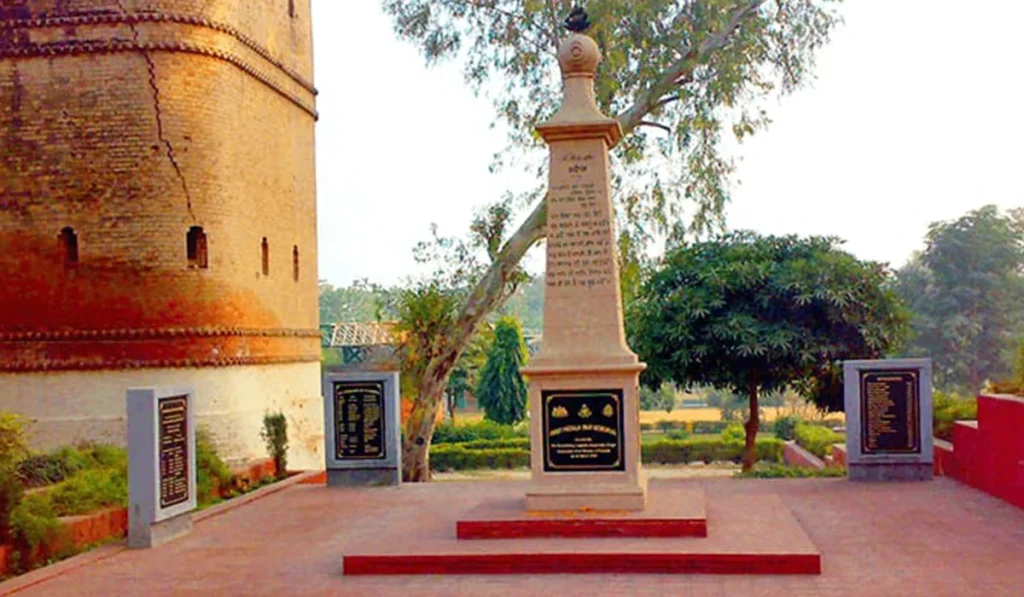
A special tribunal was set up for the trial of Bhagat Singh and his comrades. On 7 October 1930, it sentenced Bhagat Singh, Sukhdev, and Rajguru to death. Others received varying prison terms.
The execution was originally fixed for 24 March 1931, but fearing public unrest, the British authorities secretly advanced it. On the evening of 23 March 1931, around 7:30 pm, the three revolutionaries were hanged.
When the police came to fetch him, Bhagat Singh was reading a biography of Lenin. He is said to have remarked:
“Wait a moment, a revolutionary is meeting another revolutionary.”
He then folded the page and went with the police. That folded page seemed to suggest that the struggle remained unfinished and would have to be completed by future generations.
At the time of his execution, Bhagat Singh was 23 years old.
Secret Cremation at Hussainiwala
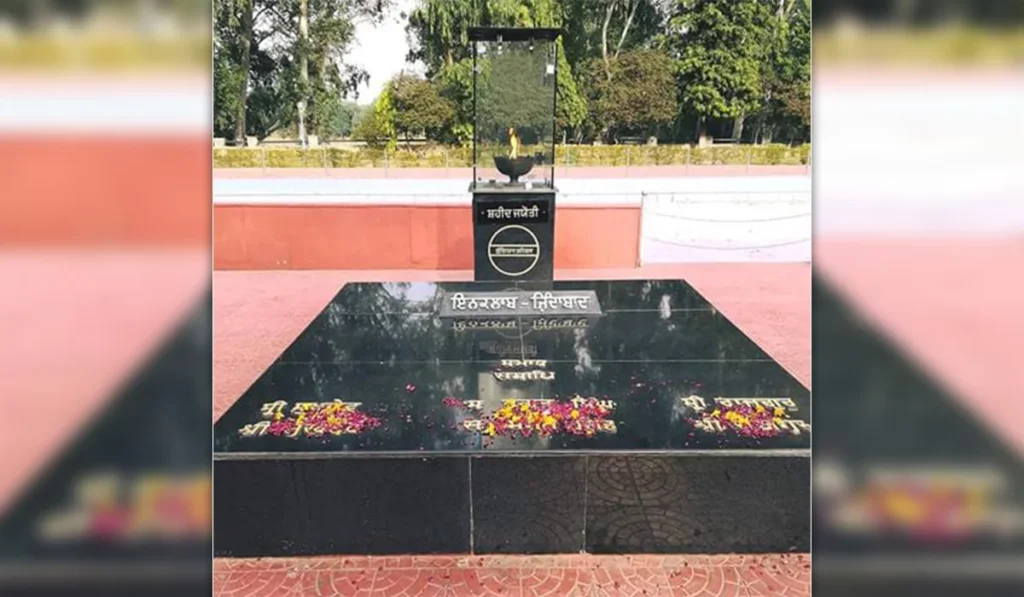
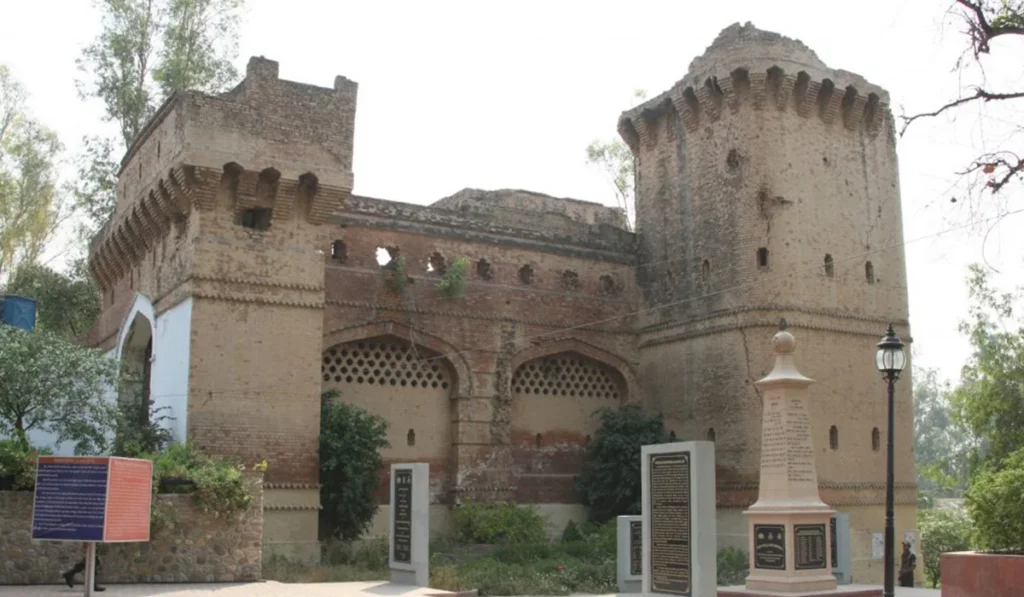
Afraid of public outrage, the authorities broke through the back wall of the jail, removed the bodies secretly, and took them to the banks of the Sutlej near Hussainiwala (Ferozepur), where they were hastily cremated.
The truest tribute to Bhagat Singh, Rajguru, and Sukhdev is to preserve and live by their ideals. It is because of the tree nourished by the blood of such martyrs that we breathe the air of freedom today. When the blood of martyrs is shed, the destiny of nations changes. By sacrificing their own lives, martyrs create the framework of a new nation. What is needed now is to walk on the path they showed.

Leave a Comment