
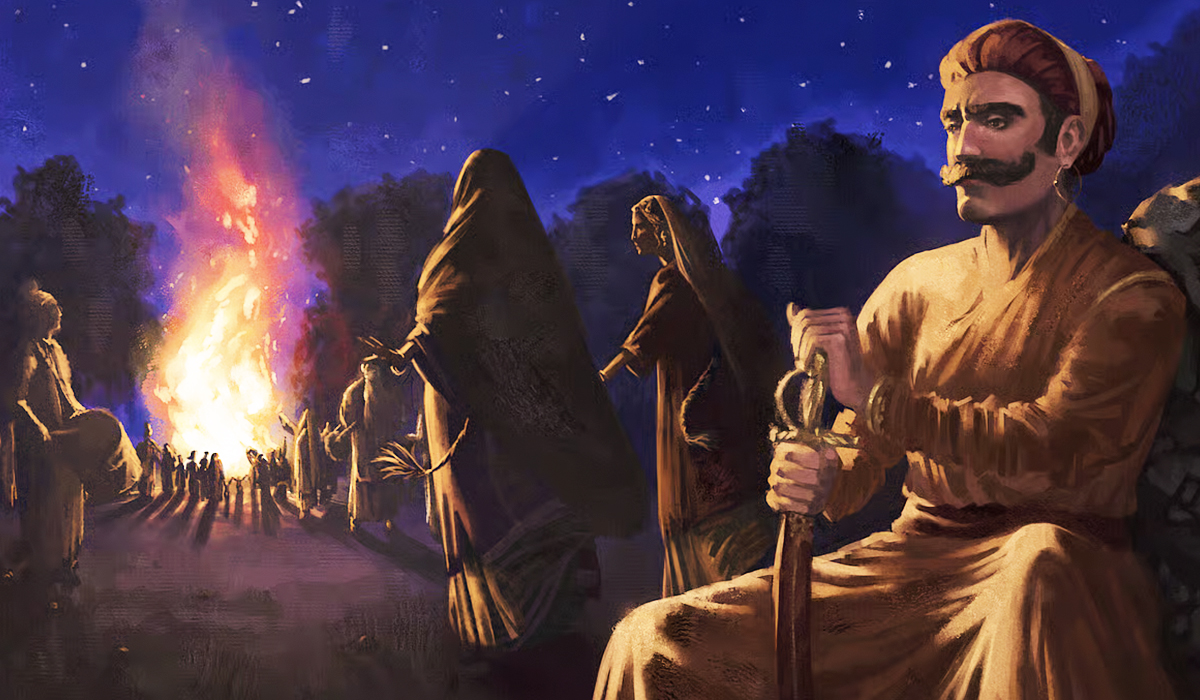

Dulla Bhatti – Symbol of Punjabi Bravery and Pride
Whenever the bravery and pride of Punjabis are spoken of, the first name that comes to mind is Dulla Bhatti. Dulla Bhatti is remembered as a symbol of courage, resistance, and justice. He was born around 1547 AD, near a village called Chuchak, in the Badar region of present-day Hafizabad district in Pakistan. His father was Farid Khan Bhatti, and his mother’s name is believed to have been Ladhi.
Wherever Punjabi’s live, the festival of Lohri is celebrated by remembering the bravery of Dulla Bhatti. The folk song often sung by children while asking for Lohri —
“Sunder Mundriye ho! Tera kaun vichara ho? Dulla Bhatti wala ho!” —
is composed in his memory and continues to echo his legacy.
The village where Dulla Bhatti was born was later destroyed by floods of the Chenab River. As a result, people of his clan settled in nearby areas, while his family shifted to Pindi Bhattian. Earlier, Pindi Bhattian fell under Gujranwala district, but later became part of Hafizabad district. The village is located about 130 kilometres from Lahore.
Legacy of Rebellion Against the Mughals
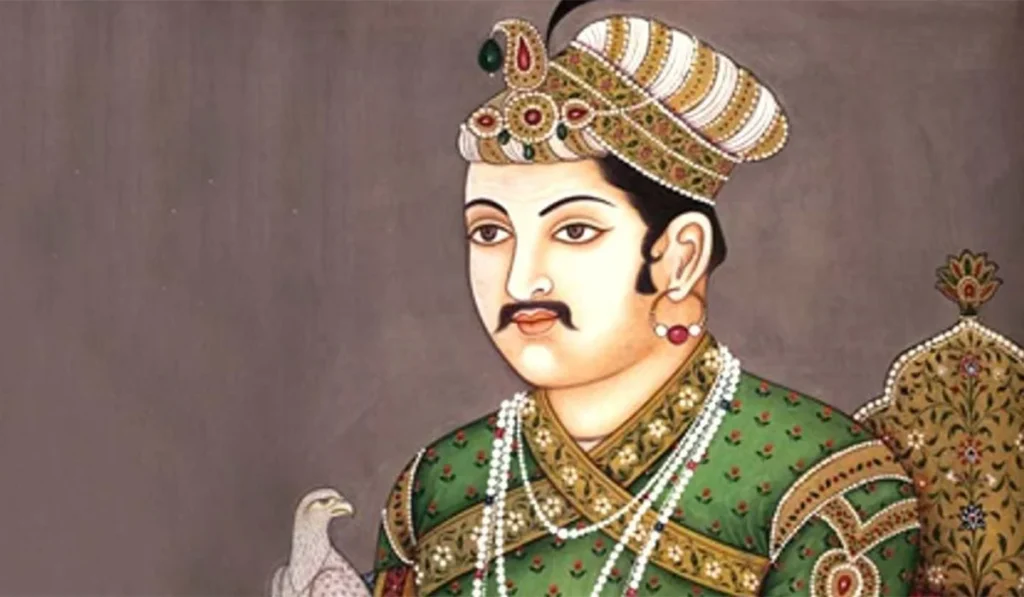
Dulla Bhatti inherited the blood of brave ancestors who had resisted the Mughal Empire since the time of Emperor Babur. During the reign of Humayun, imperial taxes were imposed on farmers across the region. However, Dulla Bhatti’s ancestors considered themselves the traditional rulers of this remote area and refused to pay taxes. They not only resisted the Mughal officials but also reclaimed tax collections taken from local people.
Disturbed by repeated reports of rebellion, Emperor Humayun ordered his forces to arrest Farid Khan Bhatti and Sandal Bhatti, elders of the Bhatti clan. They fought fiercely against the Mughal army but were eventually captured due to overwhelming numbers. Both were taken to Lahore, where they were executed, and their bodies were displayed near the fort as a warning to others who might defy imperial authority.
Childhood of Dulla Bhatti
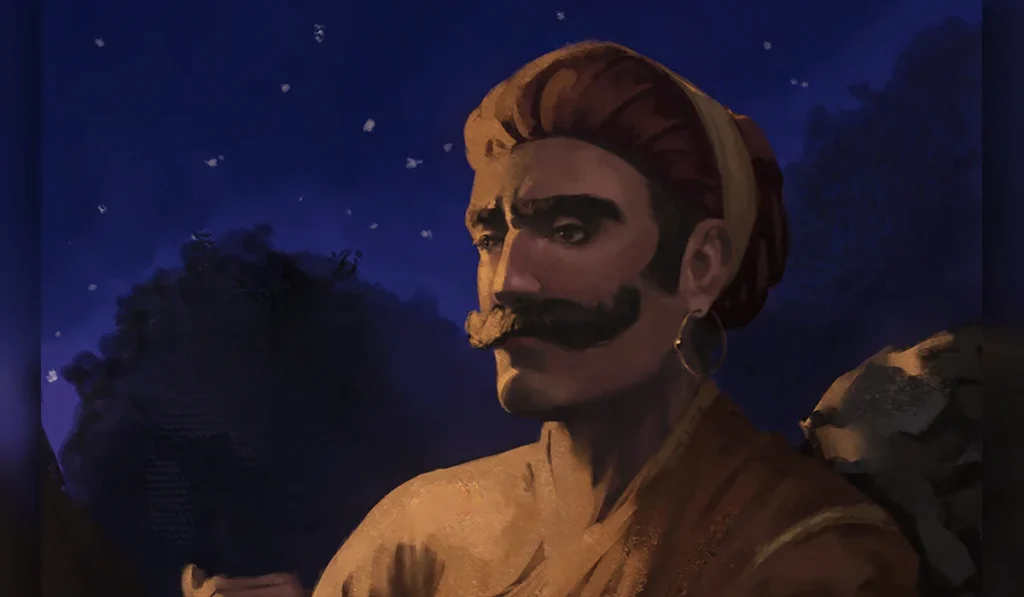
Dulla Bhatti had six elder brothers and was the youngest among them. Being the youngest, he was loved dearly and was known for his mischievous nature. As a child, he would often roam with his friends, sometimes releasing cattle, sometimes stealing milk, and at times breaking water pots near the village well.
On one such occasion, after breaking the pot of a village woman, he was taunted and told that if he was truly brave, he should avenge the injustice done to his father and grandfather by the Lahore Darbar. Until then, Dulla Bhatti was unaware of his family’s tragic history, as he was born the same year his father was killed.
He returned home, shaken, and questioned his mother Ladhi. Initially reluctant, she finally revealed the truth. This revelation ignited a fire within Dulla Bhatti. From that moment, he began gathering companions and strengthening his resistance. Over time, he openly rebelled against Emperor Akbar, and in large areas, people began to regard him as a just and protective leader.
Protector of the Poor and Oppressed
According to popular folklore, Emperor Akbar once set his eyes on the young daughter of a poor Hindu named Mulchand and expressed his intention to marry her. Terrified, Mulchand sought refuge with Dulla Bhatti. Acting as a protector of honour, Dulla Bhatti arranged the girl’s marriage to the son of his associate Sundar Das Shahukar, thereby saving her dignity.
This incident is also remembered in Lohri songs, where Dulla Bhatti is celebrated as one who performed the duty of a brother by marrying off a daughter and protecting the helpless.
Folk traditions further narrate that Dulla Bhatti’s defiance deeply angered Emperor Akbar. Some legends also mention that during this period, Dulla Bhatti challenged imperial authority in multiple ways, further intensifying the conflict between him and the Mughal administration.
Capture and Martyrdom
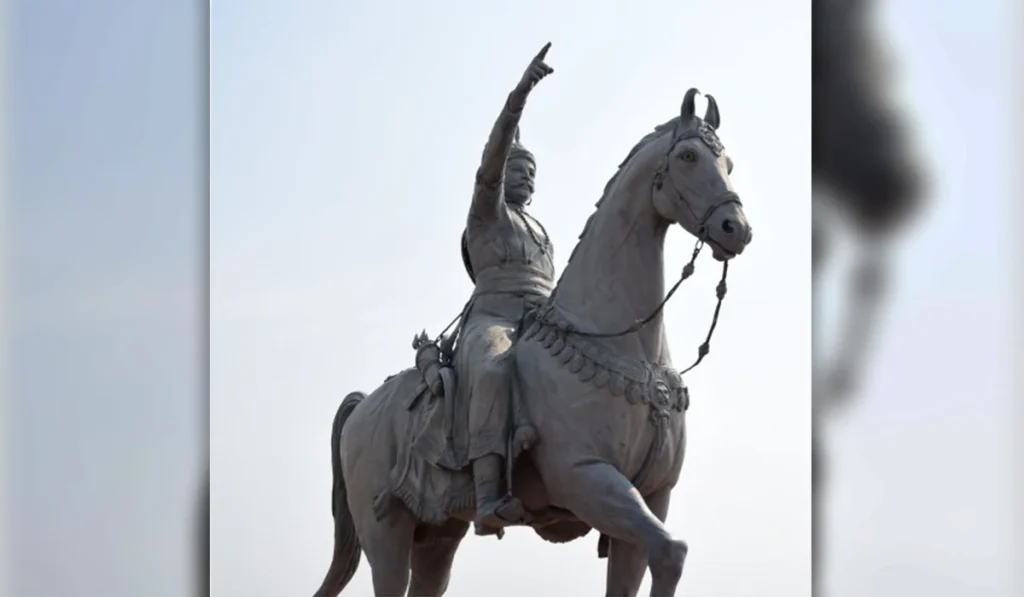
In response, Emperor Akbar dispatched a large force under Mirza Nizamuddin to capture Dulla Bhatti. At the time, Dulla Bhatti was away, visiting his maternal relatives in Chiniot. The Mughal army reached Pindi Bhattian, where members of Dulla Bhatti’s family and companions resisted fiercely.
Despite their bravery, they could not withstand the might of the imperial army. In this confrontation, several family members were killed, while others — including Dulla Bhatti’s mother Ladhi — were captured.
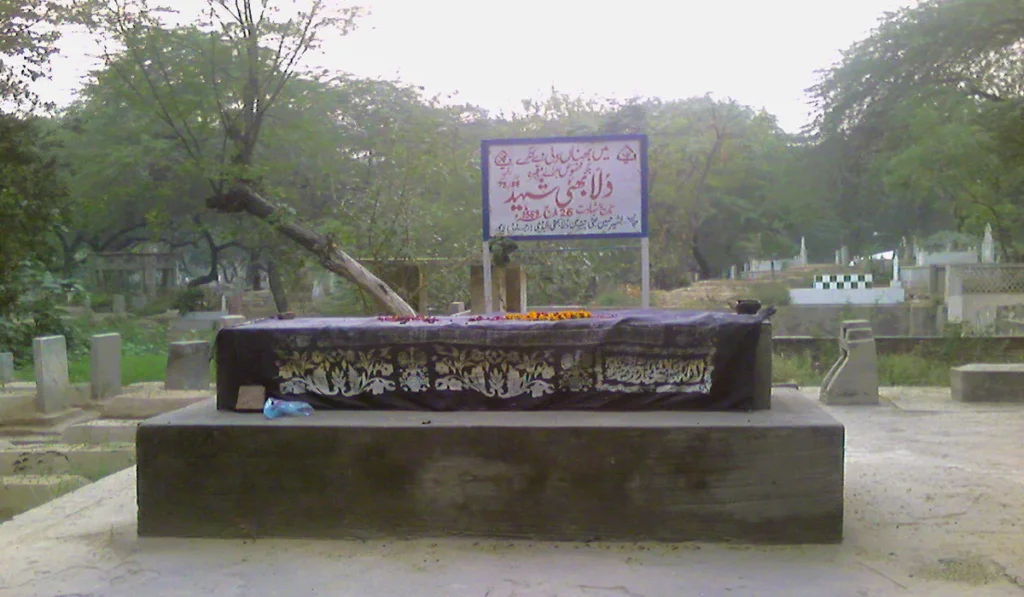
Upon receiving news of the devastation of his village and the humiliation of his family, Dulla Bhatti prepared to confront the Mughal forces. A confrontation followed near Lahore, where through deception, he was eventually surrounded, captured, and brought in chains to Akbar’s court.
Dulla Bhatti was sentenced to death and hanged on 26 March 1589 AD, in the Mohalla Nakhas area of Lahore, near Nau Lakha Bazaar.


Leave a Comment