

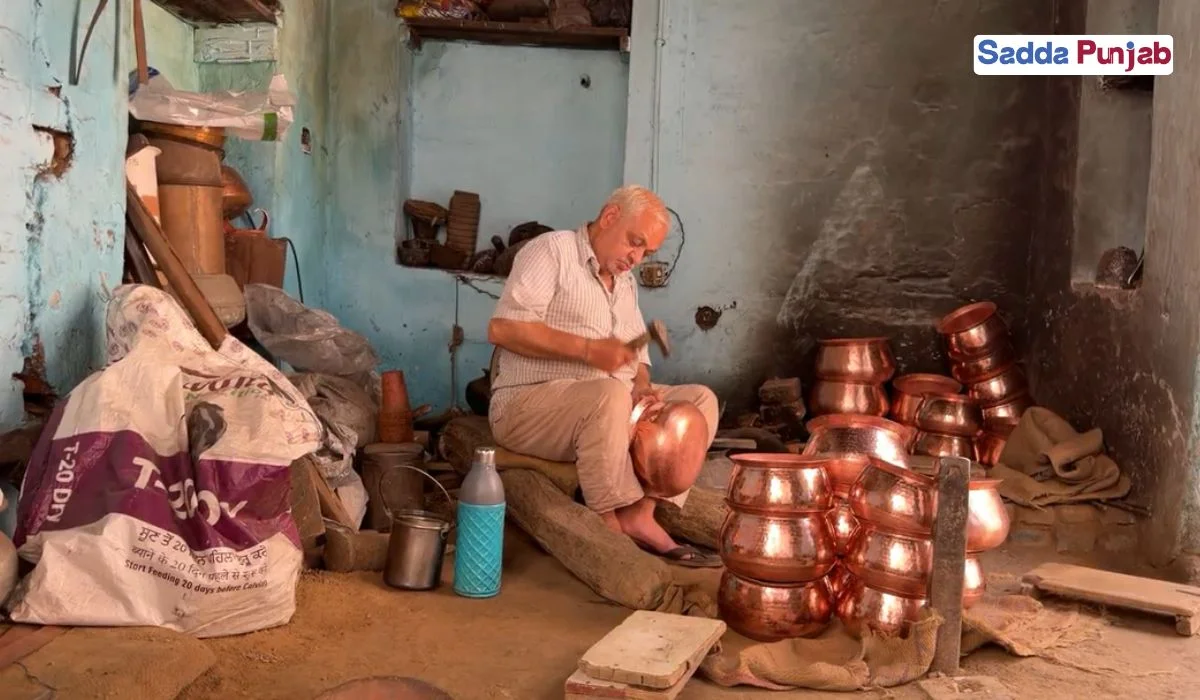

While the land of Punjab is known for its glorious history and culture, its artisans have created a distinct identity for their art all over the world. The ‘Thathera community’ living in ‘Jandiala Guru’ of Punjab is a living example of this. This community has preserved the ancient tradition of making copper and brass utensils, which has been recognized by UNESCO as an ‘Intangible Cultural Heritage’. This art not only reflects the hard work of the ancestors, but is also a symbol of the golden age of Punjabi handicrafts.
Historical Background and Significance
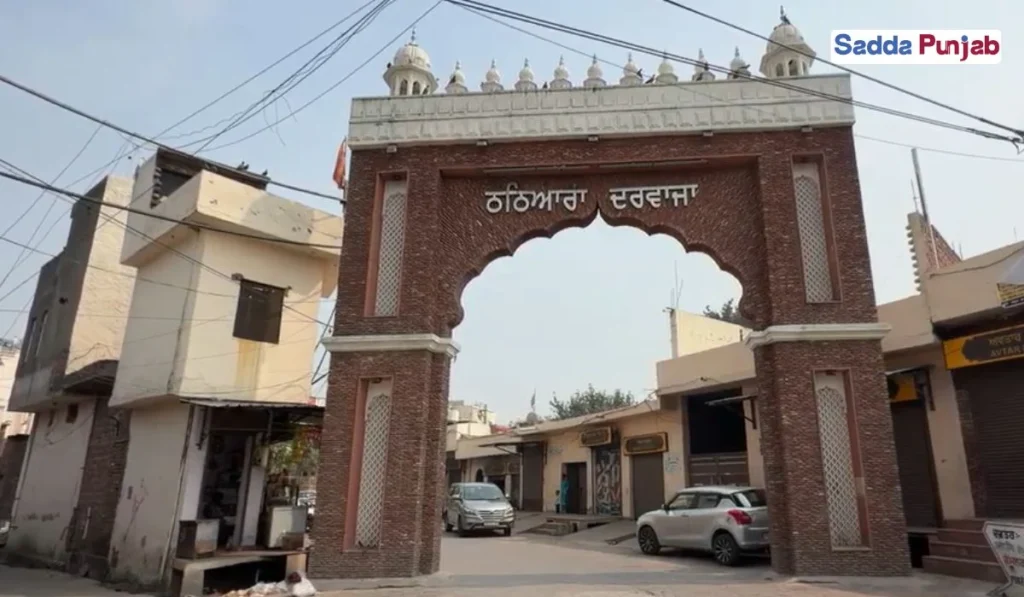
Thathera is derived from the word ‘thath’, which means ‘to strike’ or ‘to beat’. The history of this community is very old. The history of the settlement of Thatheras in Jandiala Guru dates back to the reign of Maharaja Ranjit Singh, the Lion of Punjab, in the 19th century. Maharaja Ranjit Singh was a great patron of art and handicrafts, encouraging skilled artisans from Kashmir to settle in Punjab so that high-quality utensils and artworks could be produced for the capital and religious places of the Sikh kingdom.
These artisans settled in Jandiala Guru, where they gave a new form to their art that was being passed down from generation to generation. Even today, the sound of ‘thak-thak’ of hammers in the ‘thatheras’ streets’ of this area bears witness to that ancient history.
Metalworking
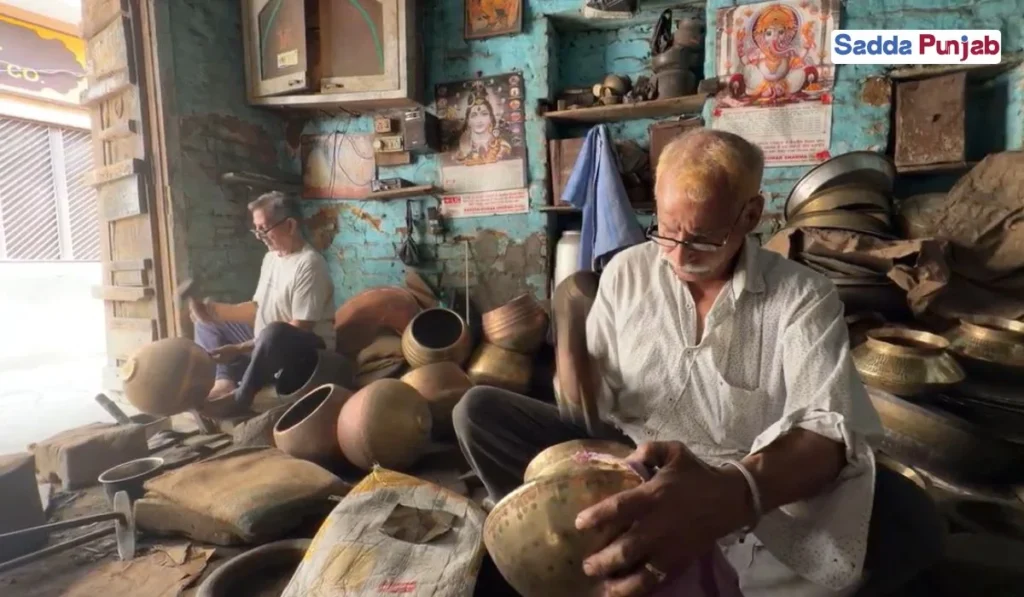
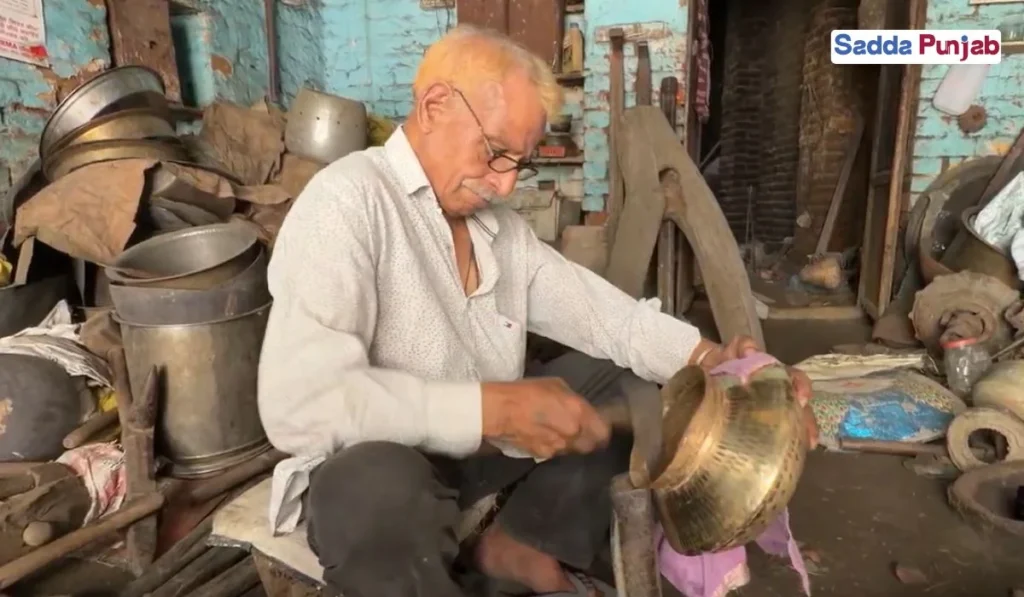
The greatest feature of Thathera art is that it is completely manual labor. No machines are used in it. Some of the main steps in this process are:
Selection of metal: First, sheets of copper, brass or bronze are taken.
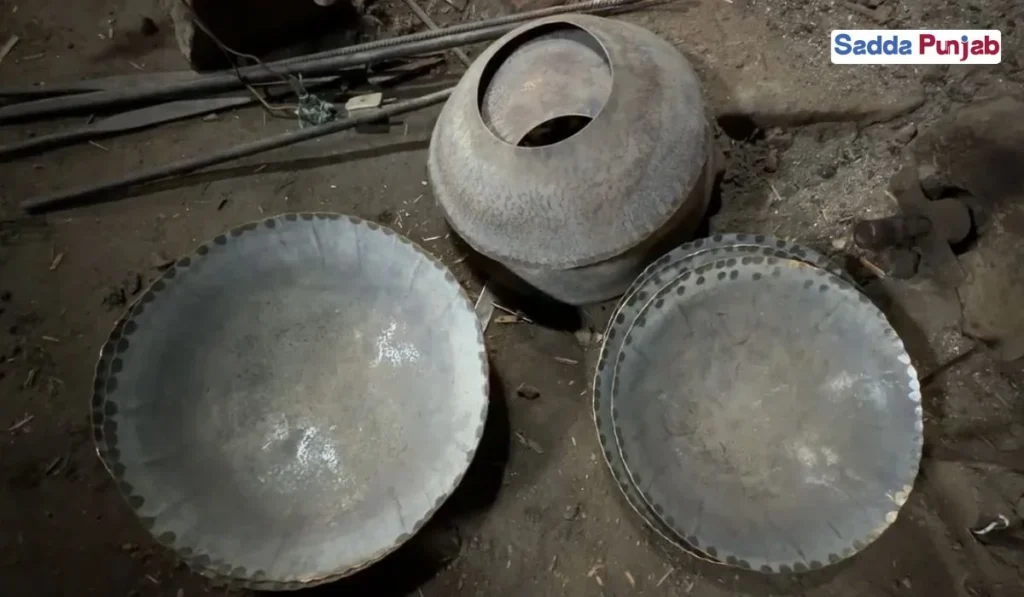
Heating and molding: The metal is heated in a furnace so that it becomes soft.
Hammering: The softened metal is beaten with hammers of different sizes to give the shape of the vessel.
Carving and design: Once the vessel is ready, it is carved very finely by hand. The ‘small marks’ (trademarks) made by the hammers not only add to the beauty but also indicate the strength of the vessel.
Cleaning: Finally, the vessels are cleaned with sand and tamarind water, which gives them a natural shine.
Health and cultural importance
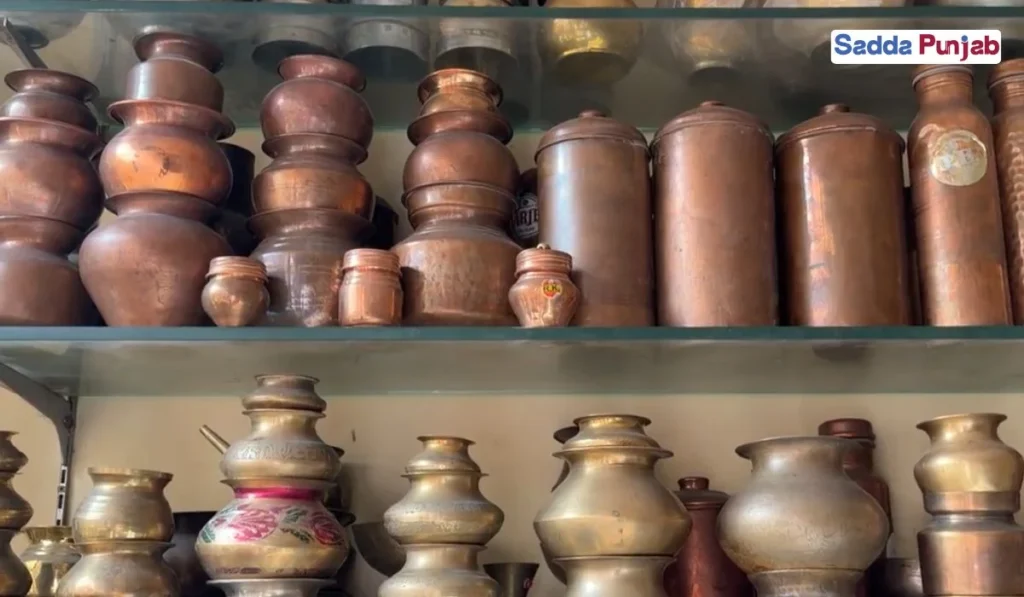
In ancient times, every Punjabi kitchen had copper and brass vessels. According to Ayurveda, cooking and drinking water in these metal vessels is very beneficial for health. Water kept in copper vessels cures diseases of the body and copper vessels maintain the nutritional value of food. Apart from this, giving copper vessels as dowry in marriages has been an important ritual in Punjabi culture. Large pots and pans for preparing langar in gurdwaras are also made by these Thatheras, due to which there has always been a demand for products made by Thatheras.
Modern Challenges and Crises
Although this art has received global recognition, the Thathera community still faces many difficulties today:
The era of steel and aluminum: Cheap and lightweight stainless steel, plastic and aluminum utensils have almost replaced handmade copper and brass from kitchens.
Rising prices of raw materials: Along with this, the prices of copper and brass have increased so much that it has become difficult for the common artisan to work.
Trend of the new generation: Due to more work and less income, the new generation is leaving this ancestral work and running for jobs in the cities.
UNESCO recognition and a ray of hope
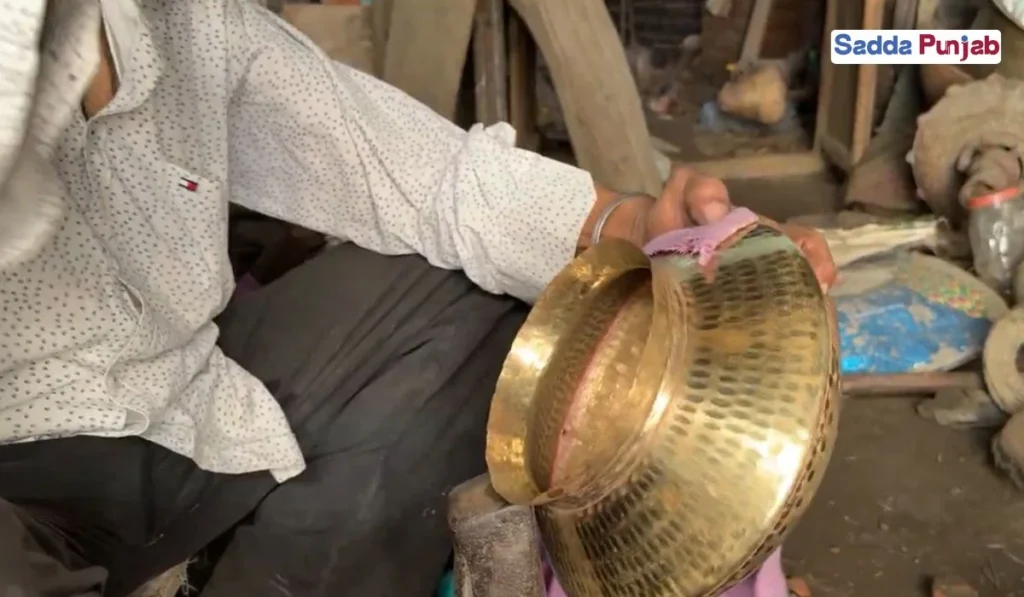
In the year 2014, this ‘art of pot making’ of the Jandiala Guru’s Thatheras was recognized by UNESCO as an ‘Intangible Cultural Heritage’. This was the first such handmade pot making art of India to receive such a great international honor. After this recognition, the government and several non-governmental organizations have started efforts to revive this art. Therefore, now efforts are being made to sell these pots in big cities and foreign markets by adapting them in modern designs.
Revival of Heritage Art: A New Hope
In the last few years, there have been renewed efforts to save this art. In particular, organizations and designers like ‘P-TAL’ have started working with thatchers. As a result, now, along with traditional utensils, designer candle holders, vases and modern kitchen utensils are being produced as per the needs of the modern age. Also, these products are being taken to the urban consumers through social media and online marketing, so that the artisans are getting new economic hope and dignity. Although challenges remain, such efforts are making the future of this art bright.
The Jandiala Guru’s Thatheras are not just potters, they are the custodians of our glorious history. Every stroke of their hands tells the story of Punjab’s culture. It is very important to use these heritage pots in modern lifestyle to continuously hear this remarkable ‘thak-thak’ sound. This is not just limited to the livelihood of a community, but it is also associated with keeping the Punjabi heritage alive. Even today, in these historical streets of Jandiala, that skill exists which is recognized all over the world. Apart from this, this art of the Thatheras is a great example of human hard work, creativity and patience, which is becoming a source of inspiration for the coming generations.

Leave a Comment