

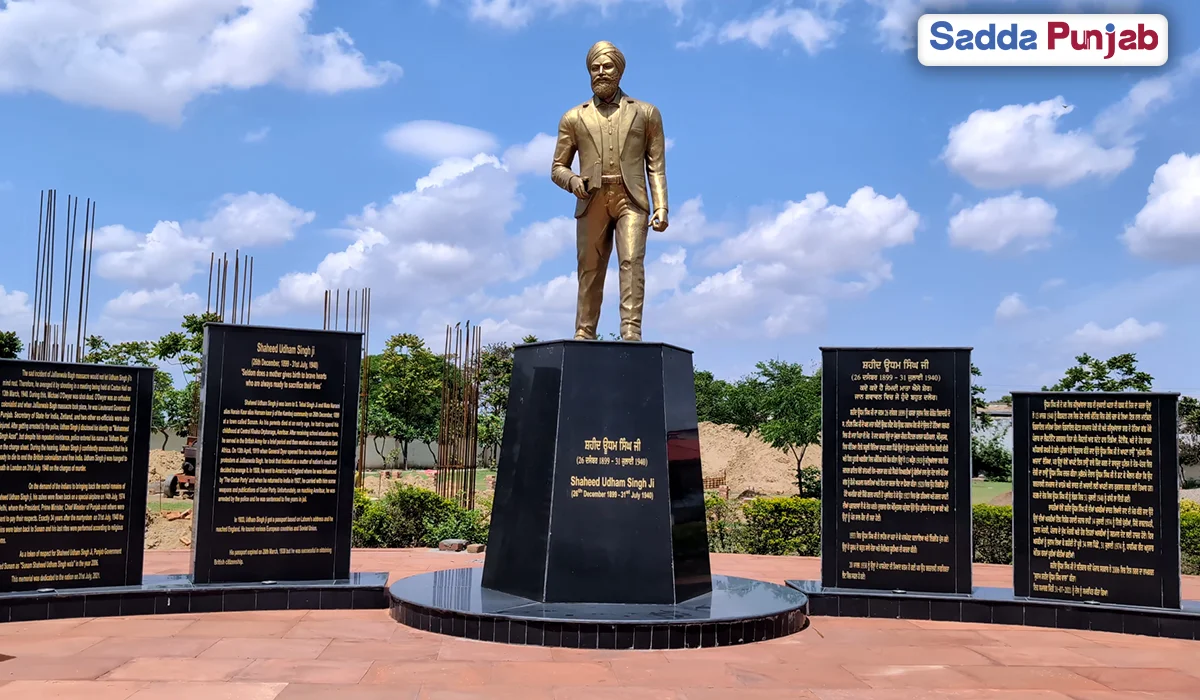

Punjab has given birth to countless brave hearts, but the name of Udham Singh stands etched in history in golden letters. Born on 26 December 1899 in Sunam, Punjab, he was originally named Sher Singh. After losing both his parents at a young age, he and his brother were sent to the Central Khalsa Orphanage in Amritsar, where he was renamed Udham Singh. No one could have imagined that this orphaned child would one day shake the foundations of British rule.
The Jallianwala Bagh Massacre: A Turning Point
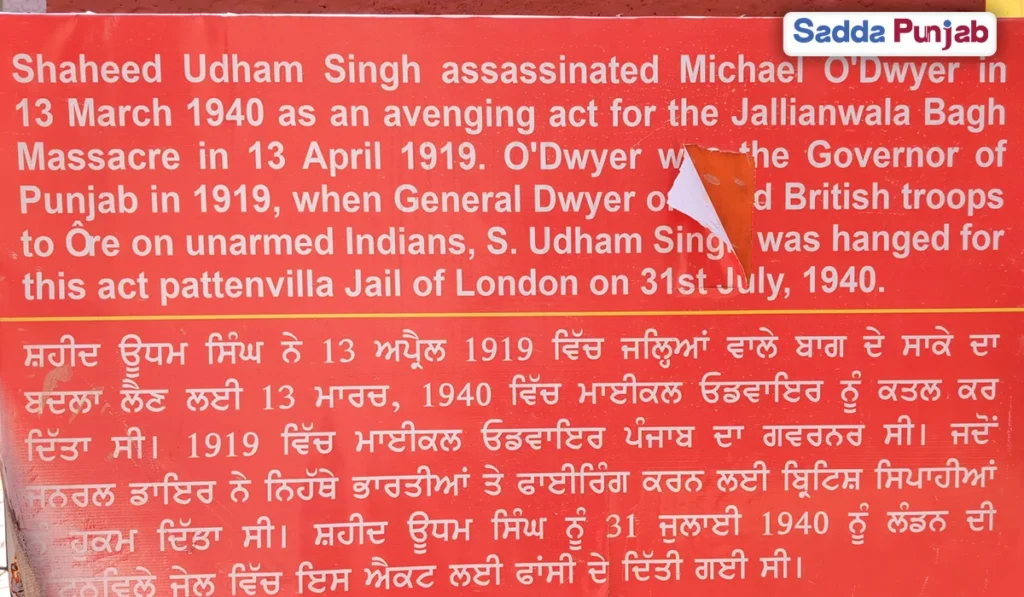
13 April 1919 remains one of the darkest days in Punjab’s history. On the occasion of Baisakhi, British troops under General Dyer opened indiscriminate fire on a peaceful gathering at Jallianwala Bagh massacre in Amritsar.
Within minutes, the ground was covered with bodies.
Udham Singh, then around 20 years old, witnessed this horror firsthand. The trauma left a deep scar on his soul. Standing on that blood-soaked soil, he took an oath: he would avenge this massacre, no matter how long it took. From that moment on, his life had a single purpose.
Revenge in London After 21 Years
Udham Singh waited patiently for over two decades.
On 13 March 1940, at Caxton Hall in London, he finally found his moment. He shot dead Michael O’Dwyer, the former Lieutenant Governor of Punjab, who was held responsible for the massacre’s political backing.
After his arrest, Udham Singh was tried and sentenced to death. On 31 July 1940, he was executed. His sacrifice ignited a renewed spirit and determination in India’s freedom struggle.
Shaheed Udham Singh Museum: A Living Memory
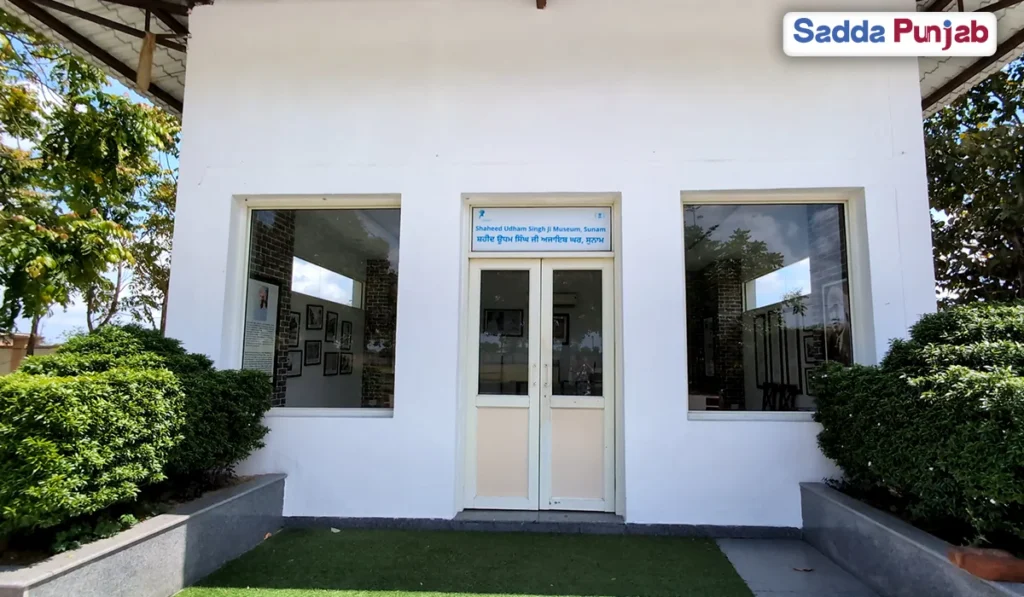
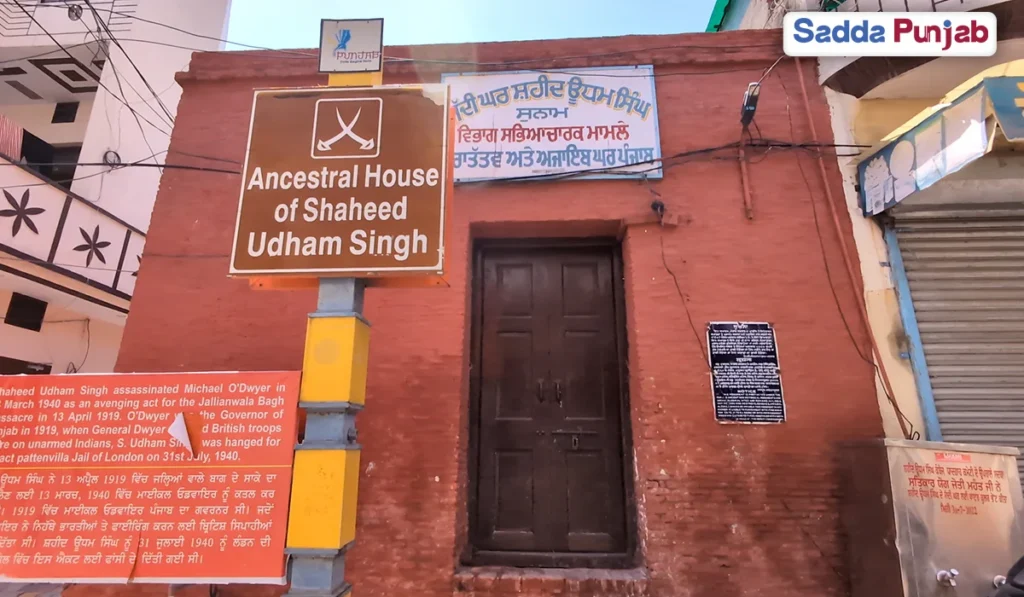
Today, in Sunam, a dedicated museum stands in his memory. It serves as a bridge connecting younger generations with the courage, sacrifice, and patriotism of freedom fighters.
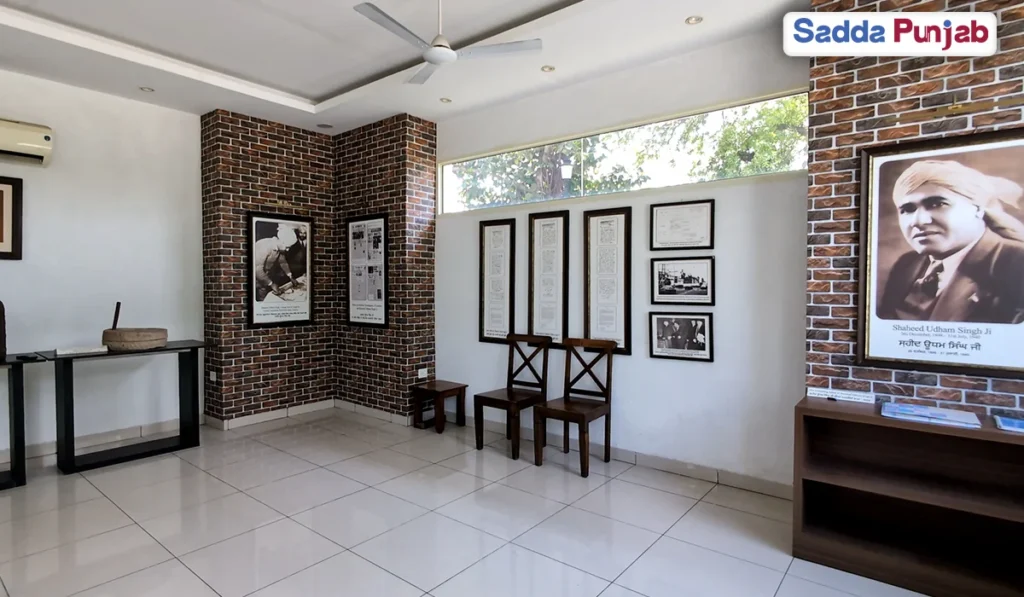
As one enters the museum, a large portrait of Udham Singh greets visitors, his eyes reflecting unwavering determination. Alongside it, a detailed account of his life introduces visitors to his struggles and mission.
Documents, Letters, and Personal Belongings
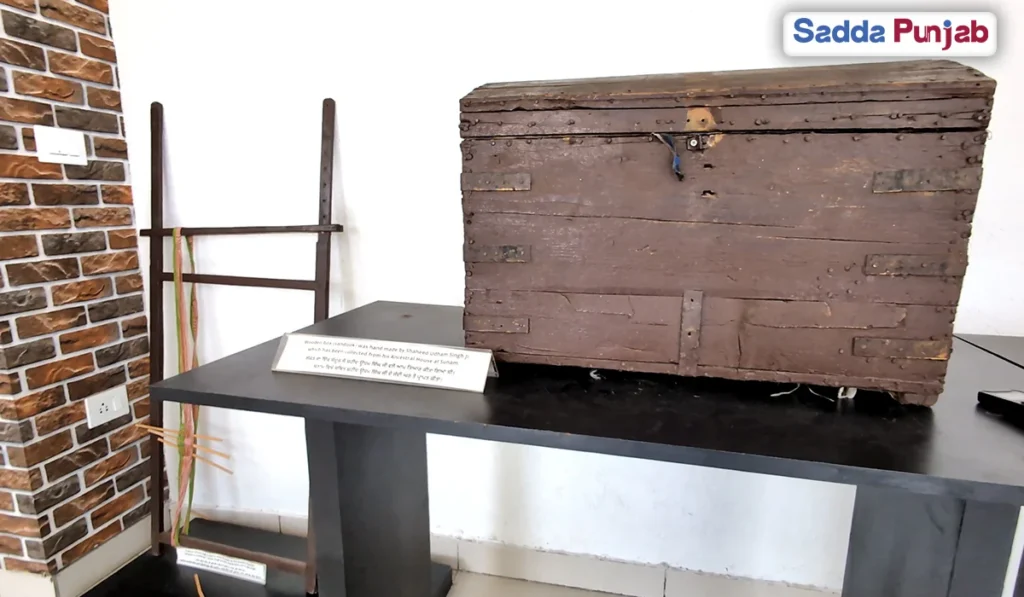
The museum preserves a range of historical and personal artifacts:
* Handwritten letters
* Family photographs
* Memories from the orphanage
* A copy of the FIR filed against him
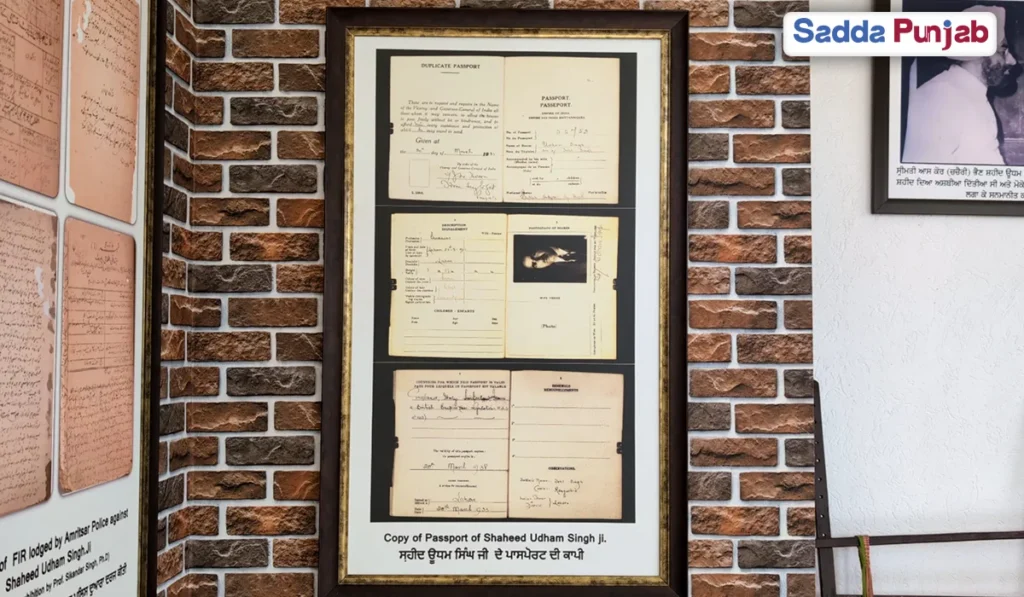
* His passport and death confirmation certificate
Visitors can also see deeply personal items:
* A wooden trunk crafted by his own hands
* His mother’s grinding stone
* The spinning wheel he used for weaving
These objects bring alive the emotions and realities of that era.
At the end, a visitor’s book allows people to express their thoughts and pay tribute to the martyr.
More Than Revenge, A Symbol of Resolve
Udham Singh’s story is not just about revenge. It is about patience, purpose, and unshakable resolve.
For 21 years, he carried a promise within him. And when the moment came, he fulfilled it not just as an individual, but as a voice of a wounded nation.
His legacy still asks a quiet question:
How long can a memory of injustice live?
In Udham Singh’s case, it lived long enough to change history.
Leave a Comment