

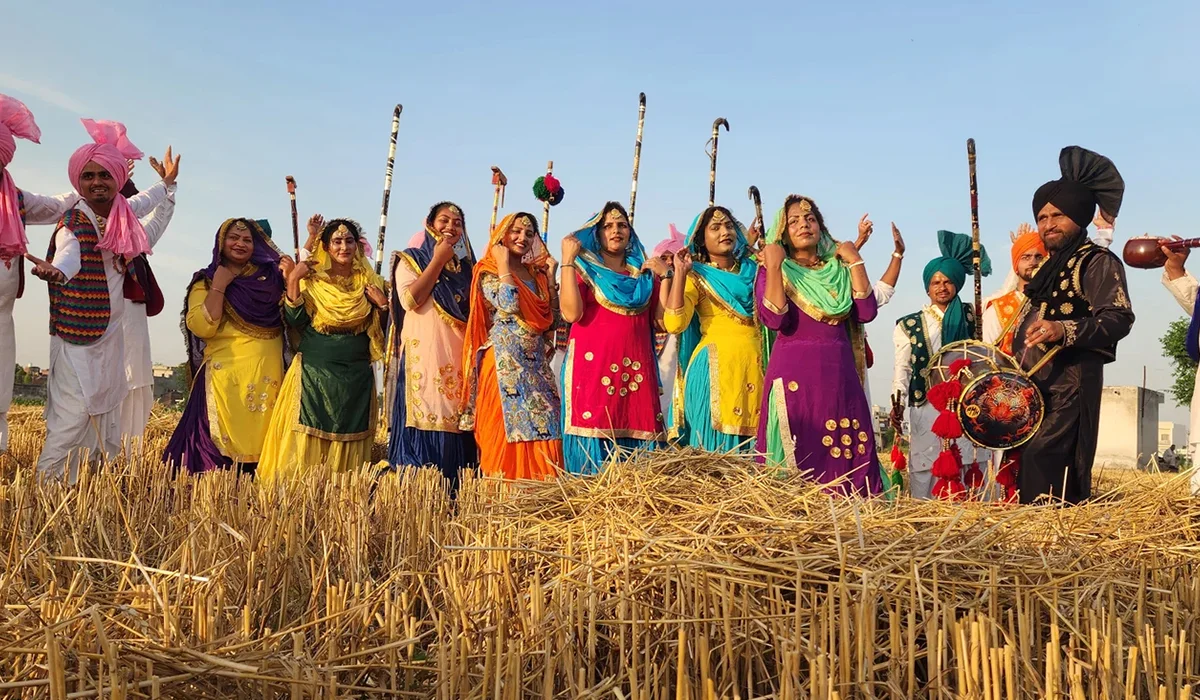

Punjab is not just a land of five rivers, but a vast ocean of emotion, courage and art, flowing through every Punjabi’s veins. The cultural identity of Punjab remains incomplete without its folk dances and music. Punjabi music and dance carry a magnetic energy and rhythm that transcend borders and make the entire world groove to their beat. These art forms are not merely entertainment; they are expressions of hard work, joy and the very way of life of Punjabis.
Folk Dances of Punjab: Celebrations of Joy and Labor
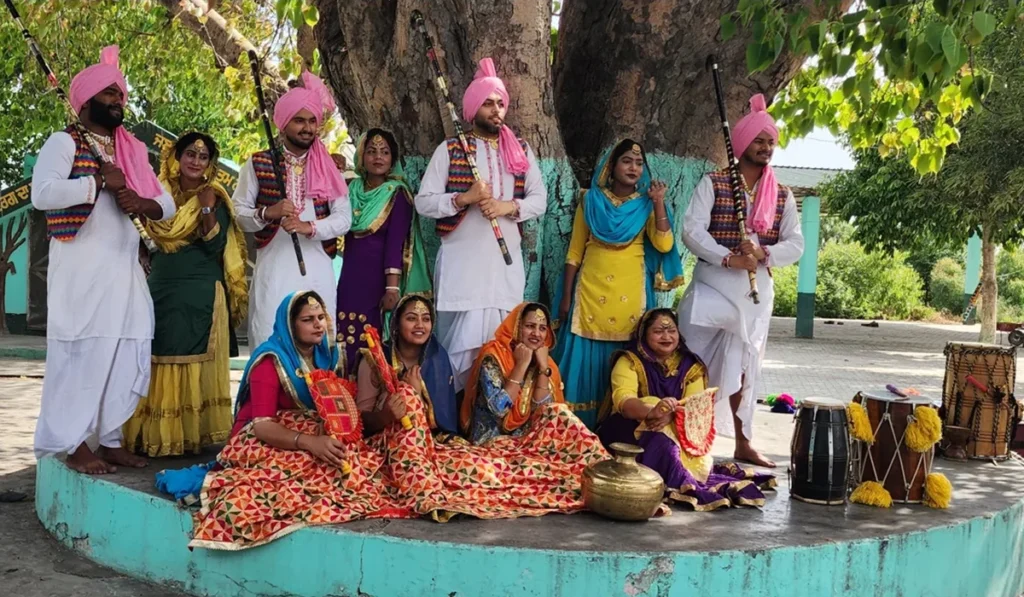
Punjabi folk dances express human emotions through movement. They carry the fragrance of Punjab’s soil and reflect the open-hearted nature of its people.
Bhangra
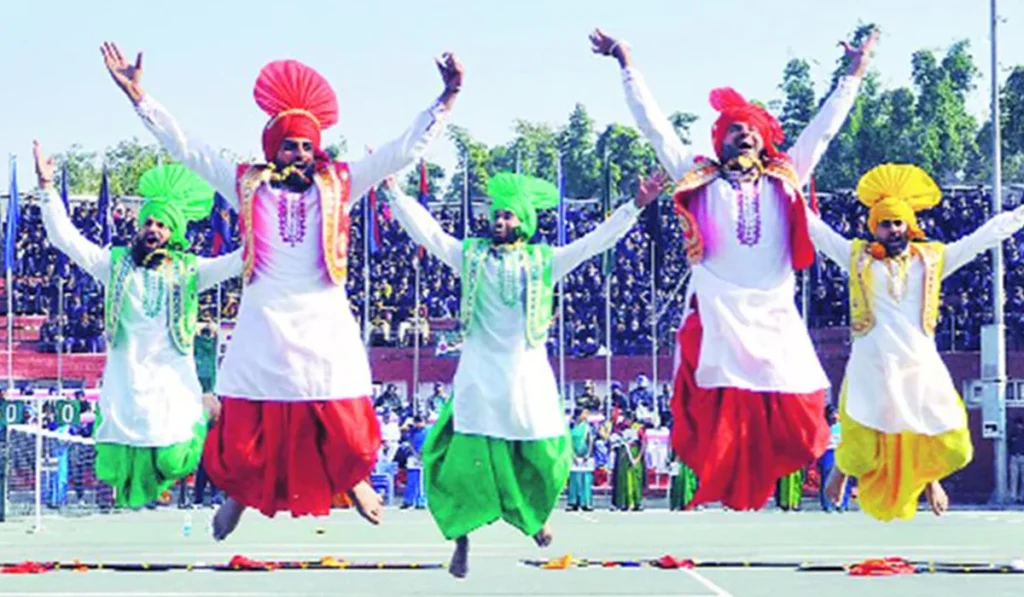
Most famous Punjabi folk dance, has now gained global recognition
Historically, Bhangra began as a celebration of harvest during the festival of Baisakhi. When farmers saw their crops ready after months of hard work, they expressed their joy by dancing to the beats of the dhol. The powerful footwork and raised arms in Bhangra symbolize strength, pride and enthusiasm. It includes various sub-forms like Dhamaal, Jhumar and Luddi, each representing different regions.
Giddha: The Grace of Punjabi Women
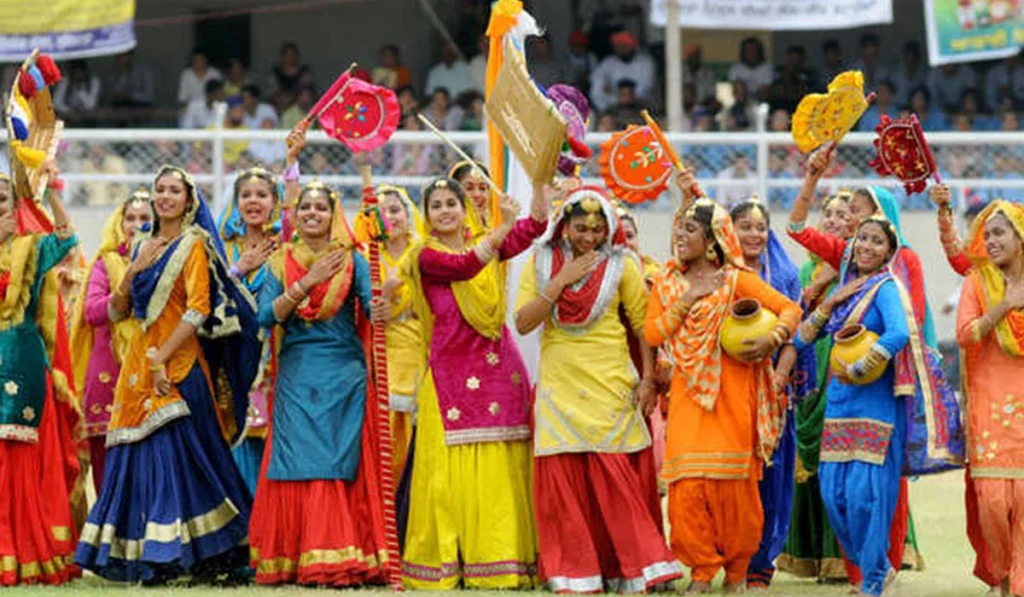
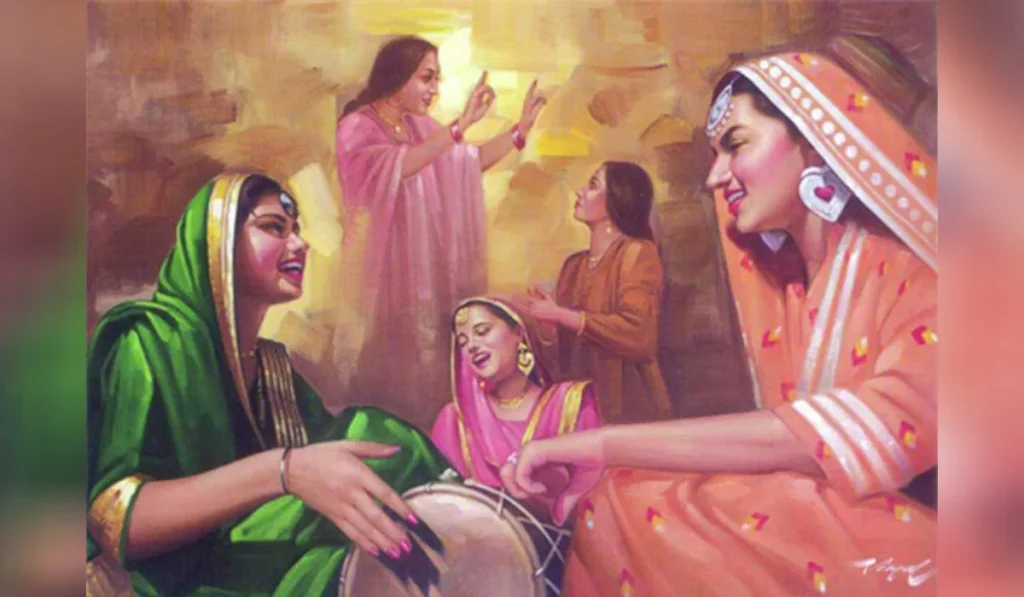
If Bhangra represents energy, Giddha embodies grace and emotion. It is the traditional dance of Punjabi women.
Unlike Bhangra, Giddha does not rely heavily on instruments; instead, rhythmic clapping creates the music. The essence of Giddha lies in its “boliyan”—short lyrical verses through which women express relationships, daily life and emotions, often touching on bonds like sister-in-law dynamics or family interactions.
During the monsoon month of Saawan, when swings are tied and celebrations of Teej begin, young women performing Giddha create one of the most beautiful cultural visuals of Punjab.
Traditional Instruments: The True Soul of Punjabi Music
The sweetness and depth of Punjabi music lie in its traditional instruments, crafted from natural materials like wood, leather and metal.
Dhol
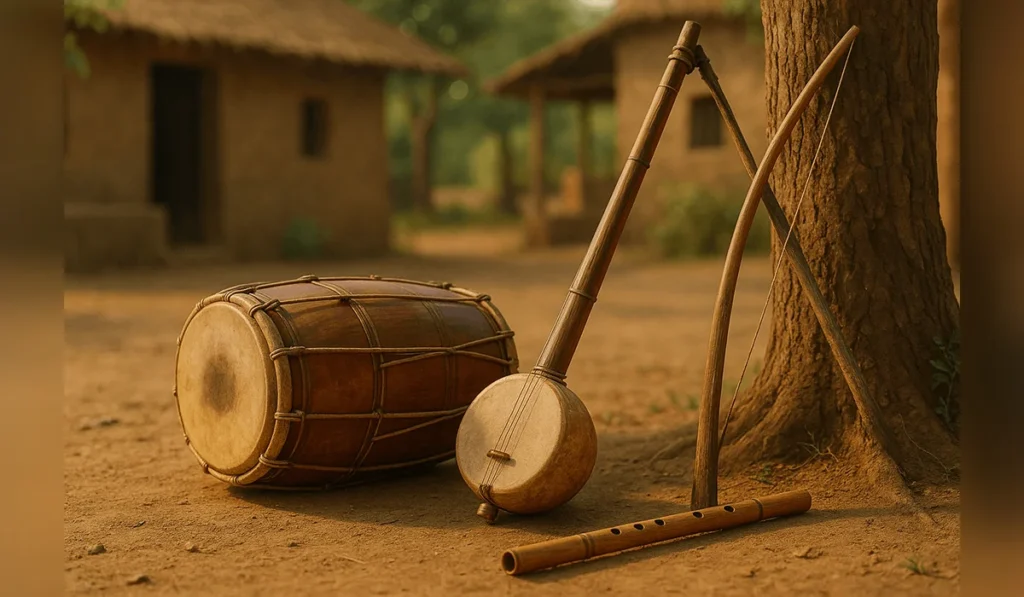
No Punjabi music or dance is complete without the dhol. This large wooden instrument with leather on both sides has the power to gather an entire village with its echo.
Tumbi
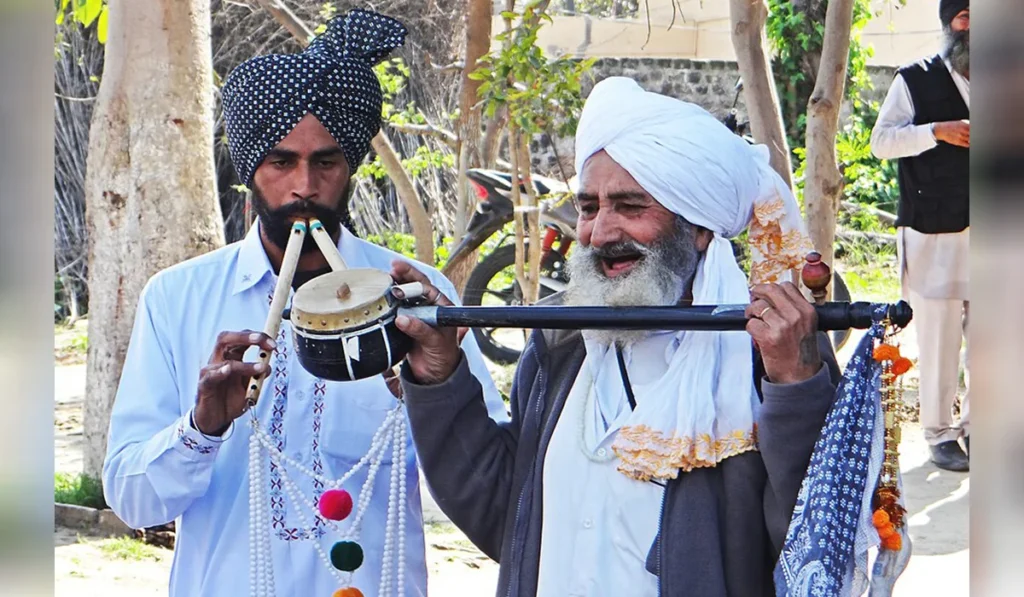
A small one-string instrument, the tumbi produces a sharp yet melodious sound. Legendary singer Lal Chand Yamla Jatt played a major role in bringing it global recognition.
Algoza
A pair of flutes played simultaneously, the algoza requires strong breath control. It is often used in traditional storytelling performances like Mirza-Sahiban.
Dhadd
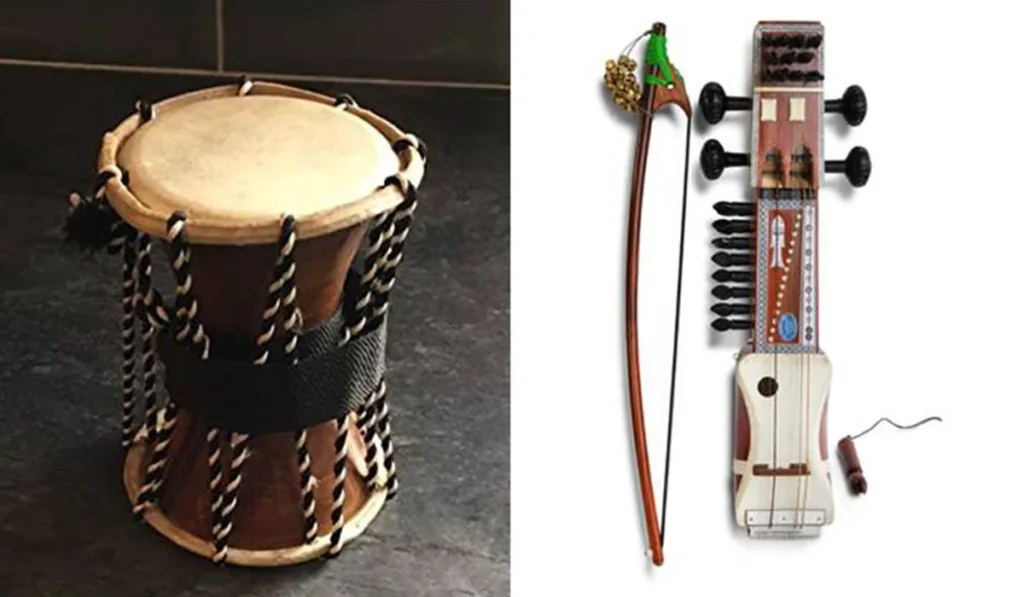
A small drum-like instrument, played with fingers, often used in folk singing traditions.
Sarangi
A string instrument that brings depth, emotion and seriousness to music. It is commonly used by dhadi jathas (ballad singers) while performing heroic ballads to evoke bravery and valor.
Social Importance of Folk Arts and the Present Time
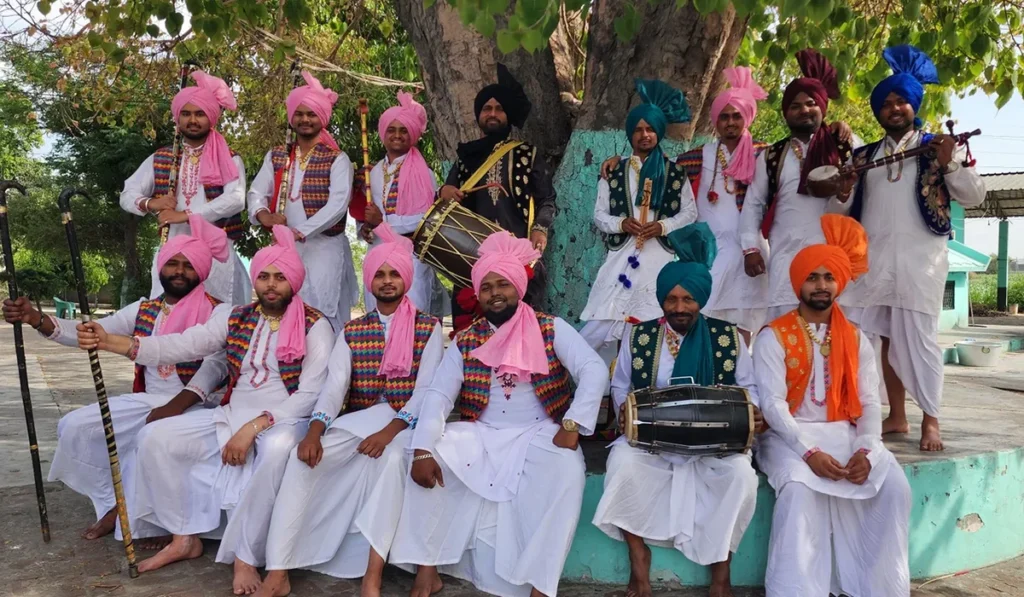
Punjabi folk arts are not confined to stages; they are deeply woven into everyday life. From birth songs to wedding traditions like ghori, suhag and sittniyan, music strengthens relationships at every stage.
These art forms also connect Punjabis to their labor. When a farmer sings a “hek” while working in the fields, fatigue transforms into melody.
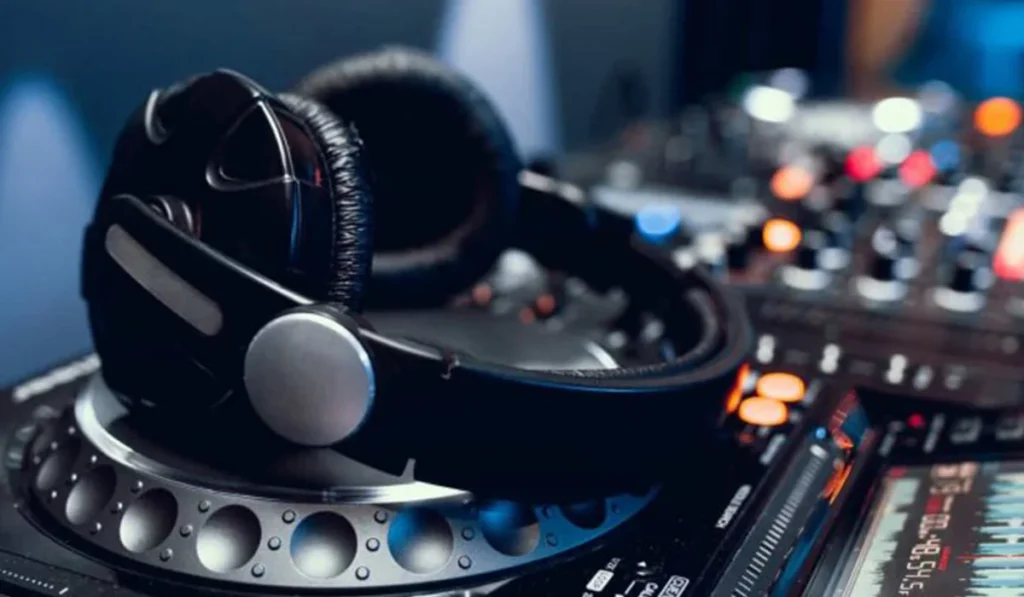
However, in the modern era, Punjabi music has increasingly absorbed Western instruments like guitars and keyboards, along with electronic beats. While this has expanded its global reach, traditional instruments and simplicity are slowly fading.
Introducing the younger generation to instruments like the algoza and sarangi has become essential.
Preserving the Spirit of Punjab
Punjabi art, dance and music are symbols of pride and identity. They unite people and give strength even in difficult times.
It is important to connect future generations to the rhythm of the dhol and the strings of the tumbi. As long as the sound of the algoza echoes in villages and the claps of Giddha resonate in courtyards, Punjabi culture will continue to flourish across the world.
Our art is our soul. Keeping it alive is not just a choice—it is a responsibility every Punjabi carries.

Leave a Comment