

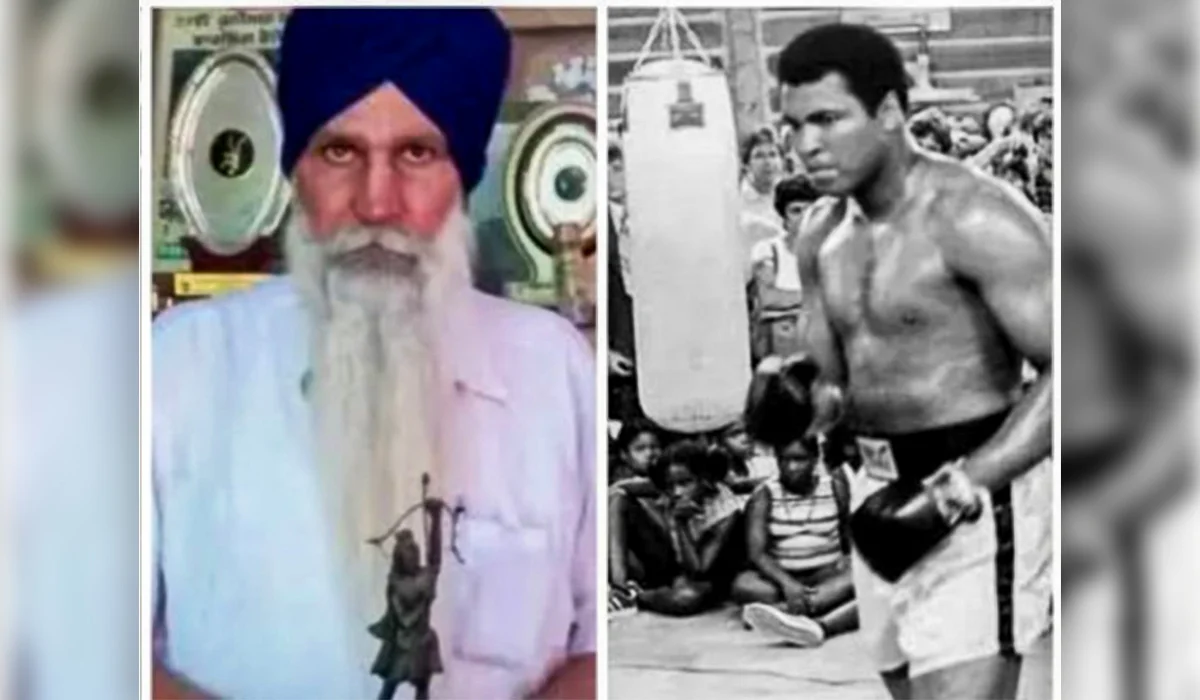

Whenever the history of Indian boxing is written, the name of a farmer’s son from a small village, Khanal Khurd in Sangrur district of Punjab’s Malwa region, will shine in golden letters. That name is Kaur Singh—an undefeated warrior who not only proved his courage on the battlefield but also stood eye-to-eye in the ring with one of the greatest boxers in history, Muhammad Ali.
Kaur Singh’s journey, from the soil of farmlands to Olympic arenas, remains a powerful source of inspiration for generations.
From Fields to Army Uniform to International Boxing
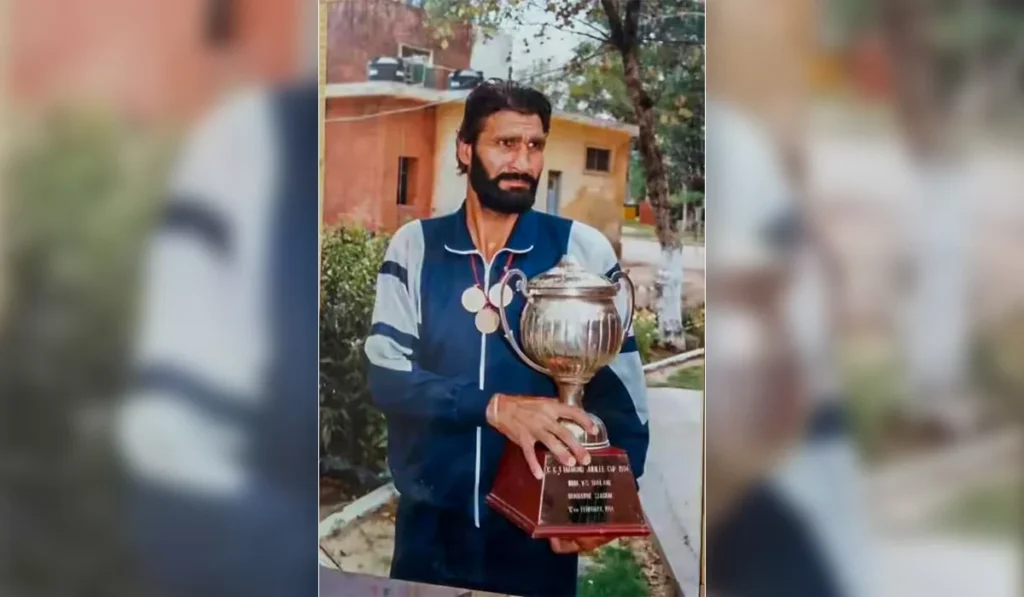
Kaur Singh was born around 1948–49 into a modest Jat Sikh farming family. Financial struggles were a constant, and the family depended on agriculture. Driven by a deep sense of patriotism, he joined the Indian Army’s Sikh Regiment as a Havildar in 1973, at around 23–24 years of age.
At a time when India-Pakistan tensions were high, he displayed exceptional bravery on the battlefield and was awarded the Sena Medal. Later, in 1988, he was also honored with the Vishisht Seva Medal (VSM).
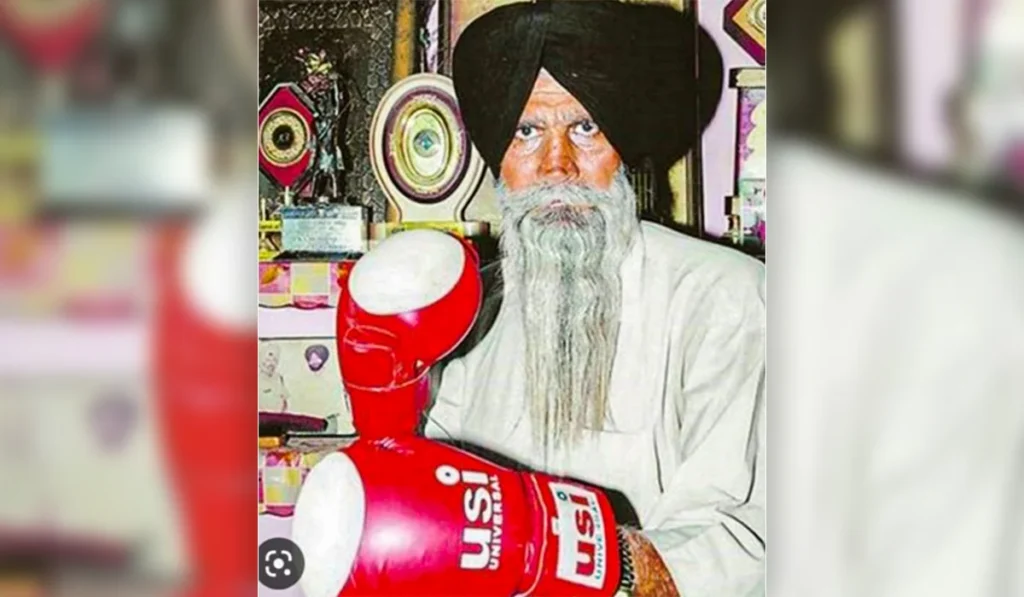
What makes his story even more remarkable is that he began boxing at the age of 29 in 1977—an age when most athletes think of retirement. Yet, for him, it was just the beginning.
- 1979: Won his first Senior National Boxing Championship gold
- 1979–1983: Remained India’s No. 1 heavyweight boxer for five consecutive years
His international career was equally impressive:
- 1980 (Mumbai): Gold medal at Asian Boxing Championship
- 1982 (Delhi Asian Games): Gold medal in heavyweight category
The Historic Face-Off with Muhammad Ali
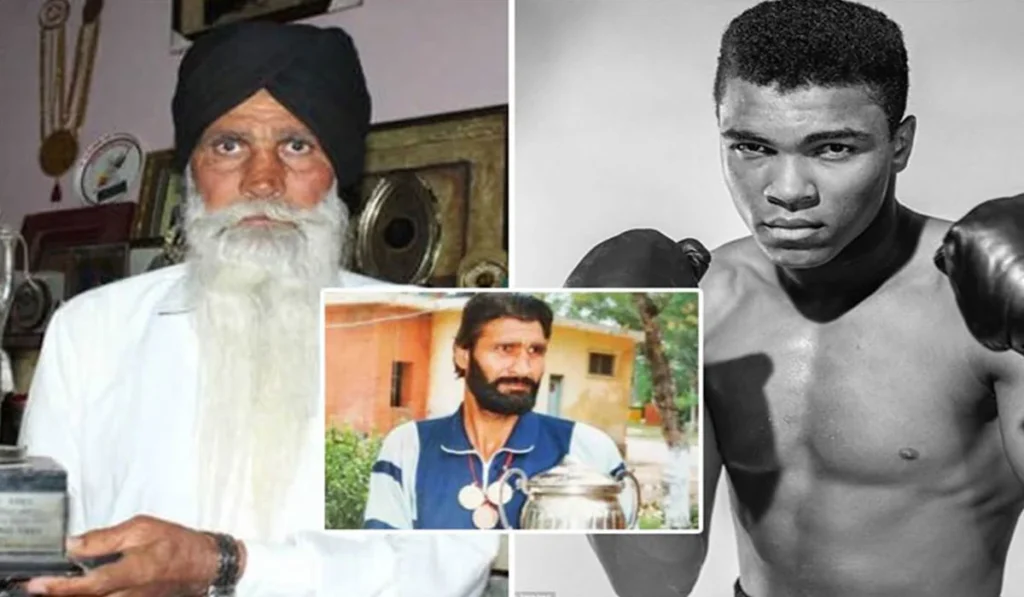
27 January 1980 became a landmark day in Indian sports history. At Delhi’s National Stadium, in front of nearly 50,000 spectators, Kaur Singh faced Muhammad Ali in a four-round exhibition bout.
While it wasn’t a competitive match, facing Ali itself was monumental.
Kaur Singh later recalled:
“Ali’s punches had immense power. His famous jab is something I still remember. His speed was extraordinary, and his movement in the ring kept me out of reach.”
After the match, Ali himself praised Kaur Singh, calling him a “tough and brave boxer.”
Kaur Singh often said that the world still remembers him because of that encounter.
Olympics and National Recognition
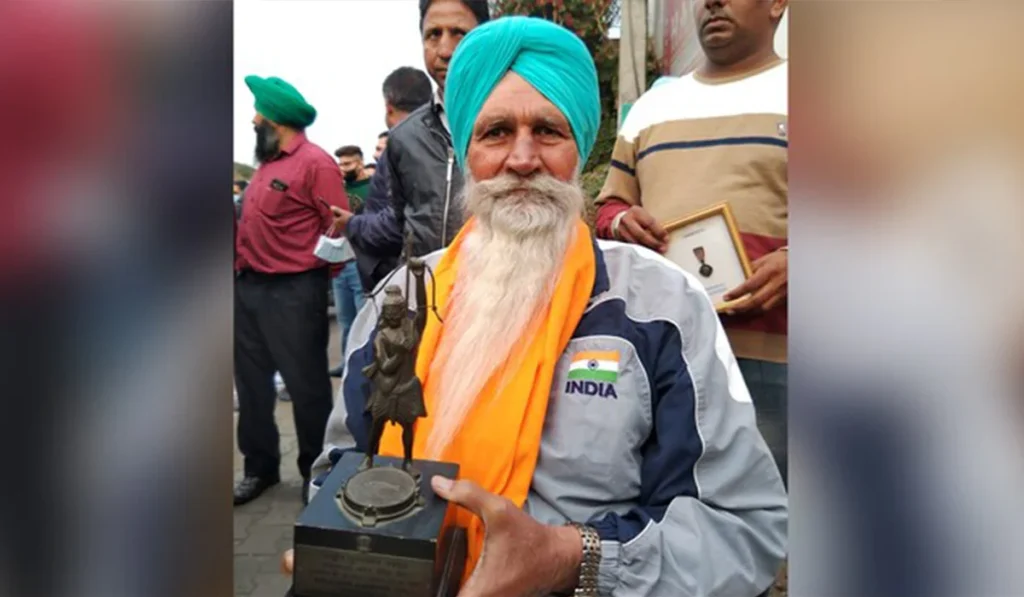
Kaur Singh represented India at the 1984 Los Angeles Olympics. He won his first two bouts but lost in the third round, after which he retired from boxing.
For his contributions, he was honored with:
- Arjuna Award (1982)
- Padma Shri (1983) – India’s fourth-highest civilian award
A Bitter Reality: Struggles After Glory
Despite bringing pride to the nation, Kaur Singh faced financial hardship later in life. He had to take personal loans for heart treatment and waited years for government dues.
When Bollywood actor Shah Rukh Khan learned about his situation, he extended financial help of ₹5 lakh.
This episode raises an uncomfortable question:
Why are real heroes often forgotten while they are still alive?
A Man of Principles Till the End
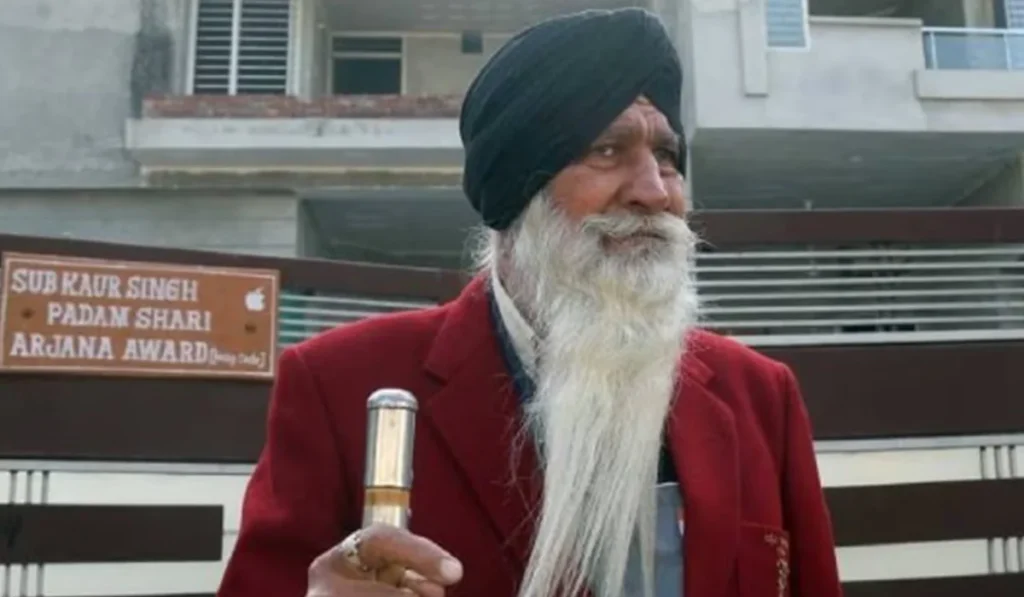
Kaur Singh was not just strong in the ring but also firm in his values.
During the 2020–21 farmers’ protest, he expressed his willingness to return his awards in support of farmers—proving that before being a decorated athlete, he was a farmer’s son.
On 27 April 2023, at the age of 74, this legendary boxer passed away.
A film titled “Padma Shri Kaur Singh” now preserves his story for future generations.
What Kaur Singh’s Story Teaches Us
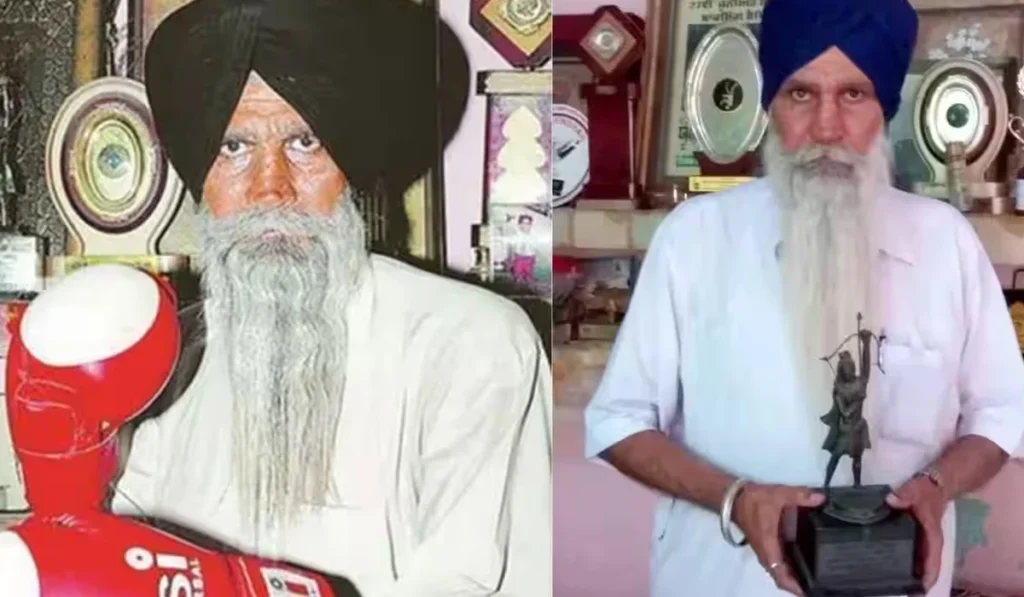
Kaur Singh’s life offers two powerful lessons:
- It is never too late to begin. Even at 29, one can rise to global greatness.
- True heroes remain loyal—to their country and their roots.
His story is not just about boxing.
It is about grit, identity, and quiet courage that refuses to fade.

Leave a Comment