

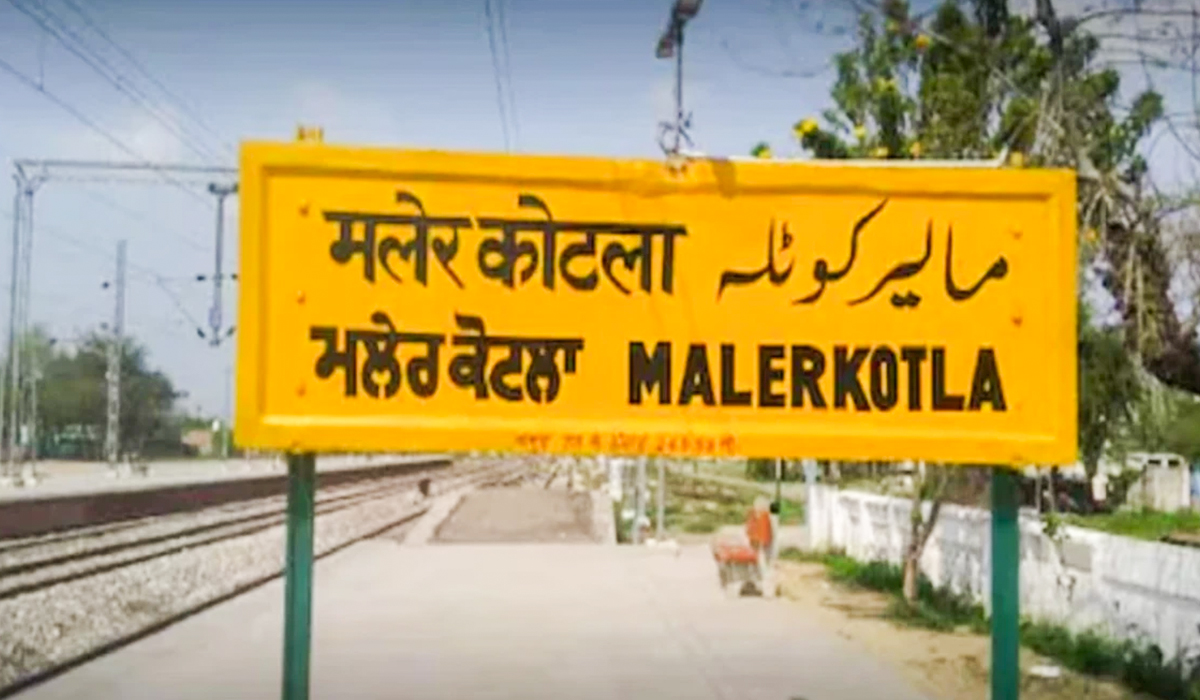

Malerkotla, Punjab’s only Muslim-majority city, is also known as a symbol of communal harmony. In 2021, Malerkotla became Punjab’s 23rd district. During British rule, it was known as the princely state of Malerkotla. After 1947, in independent India, it became part of PEPSU, the Patiala and East Punjab States Union. When PEPSU was reorganized in 1956, Malerkotla became part of Punjab state. It is located on the Sangrur-Ludhiana state highway. Before becoming a district, it was a tehsil of Sangrur district.
According to the 2011 Census, Malerkotla had a population of 1.35 lakh, with more than 70 percent of the population being Muslim.
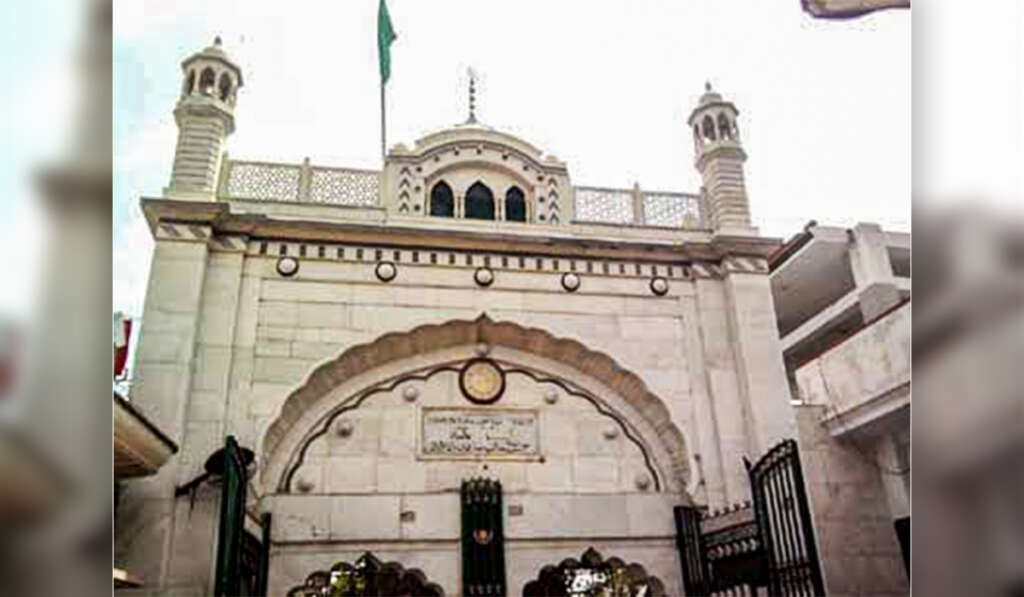
Malerkotla is also called the city of Nawabs. The city was founded by Sheikh Sadruddin, who is known as Baba Haider Sheikh. His shrine is located in the city, where Hindus, Muslims and Sikhs from the region come every Thursday to pay their respects.
Sheikh Sadruddin is said to have belonged to Khorasan in Central Asia. He came to Punjab to spread Islam and eventually settled here, at the place where Malerkotla stands today. In 1454, Sultan Bahlol Lodhi married his daughter Taj Murassa Begum to Sheikh Sadruddin and gave her a large estate as dowry. This estate included a ruined village named Mahler, founded by Rajput Mahler Singh. Sheikh Sadruddin resettled it as “Maler.”
Later, Raja Bayazid Khan, born in the same lineage, founded a new settlement called “Kotla” in 1658. In this way, Maler and Kotla together became known as Malerkotla.
Bayazid Khan was a contemporary of Aurangzeb and was respected in the Mughal court. After his death in 1659, his elder son took over and ruled until 1672. After him, Sher Muhammad Khan came to power. He was a farsighted ruler. During Aurangzeb’s reign, he was given command of a section of the army sent to suppress a rebellion in Bihar. After victory in Bihar, Aurangzeb rewarded his bravery by granting him 70 villages as jagir. He also played an important role in suppressing the Badaun rebellion.
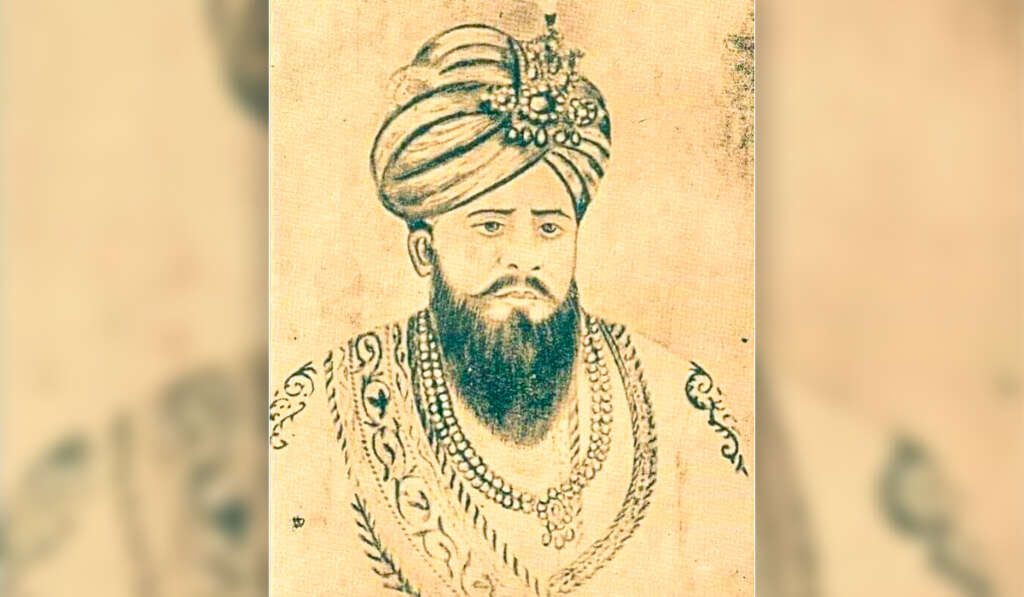
It was during Sher Muhammad Khan’s time that conflicts between the Mughals and the Sikhs began. Sher Muhammad Khan sided with the Mughals. In the Battle of Chamkaur, while fighting against the Sikhs, he lost his nephew Nahar.
But after the Battle of Chamkaur in 1704, when Sirhind’s Nawab Wazir Khan ordered that the younger Sahibzadas of Guru Gobind Singh be bricked alive, Sher Muhammad Khan strongly opposed it. When Wazir Khan tried to provoke him by saying that Guru Gobind Singh had killed his nephew and that he could now take revenge through these children, the Nawab of Malerkotla replied that killing innocent young children was against Islam.
Sikhs remember this as the Nawab of Malerkotla’s “Haa Da Naara”, the cry of protest. Even today, Sikhs look upon the Malerkotla princely state with great respect. In Malerkotla, a gurdwara named “Haa Da Naara Gurdwara” stands in memory of this event. The land for this gurdwara was given to the Sikh community by Malerkotla’s last Nawab, Iftikhar Ali Khan. This gurdwara is a place of reverence for Hindus, Muslims and Sikhs alike.
In Gurpratap Suraj Granth, it is written:
“Ik Malerian di jarh hari”
Meaning, Guru Gobind Singh blessed that Malerkotla and its people would always flourish.
In 1947, when communal massacres took place during Partition, not a single Muslim was killed in Malerkotla. In fact, Muslims from other villages of Punjab who reached Malerkotla found safety there.
History has seen many bitter events, but Malerkotla’s communal harmony survived. For example, in 1762, the “Vadda Ghallughara” took place near Malerkotla, when the Afghan Durrani army killed a large number of Sikhs. During British rule, the Kuka martyrdoms also took place. A few years ago, after the murder of a child named Vidhu Jain, Hindu extremists tried to disturb Malerkotla’s communal harmony, but the people of the city did not allow their plan to succeed.
In this way, many links in history continue to inspire Punjabis to preserve communal harmony.
Renowned Punjabi sociologist Professor Bawa Singh says, “Punjabis and Sikhs have an emotional bond with Malerkotla. It is a glorious part of Punjab’s historical heritage. It is very important that this history of Punjab’s communal harmony reaches other parts of the country and the world, especially at a time when forces spreading communal hatred are becoming stronger. In such circumstances, Malerkotla stands as a symbol of harmony and love. Its people have always defeated hatred and made love victorious.”


Leave a Comment