

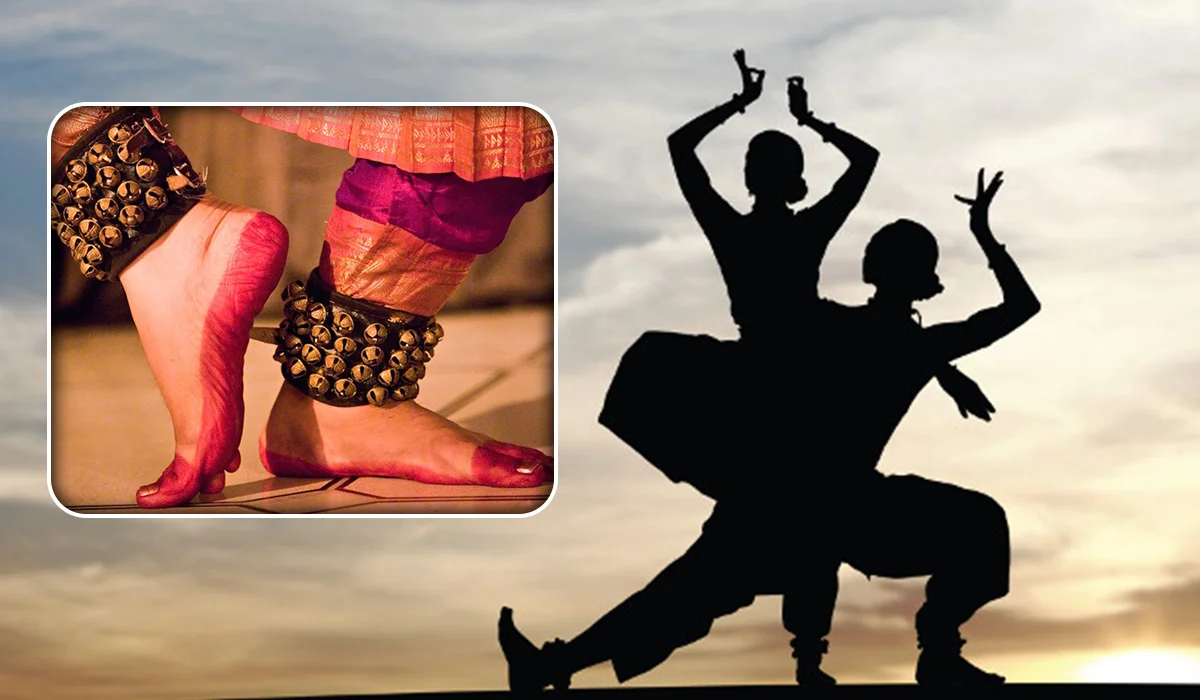

Every year on April 29, the world celebrates World Dance Day—a day dedicated to the art of dance that transcends language and speaks directly to the soul.
When vibrant and energetic dance traditions are discussed on the global stage, Punjab’s folk dances stand out with a unique identity. These dances are not just physical movements—they carry the history, emotions, joys, and heartbeat of the Punjabi people.
When we think of Punjabi dance, two powerful images immediately come to mind: the thunder of Bhangra and the rhythmic claps of Giddha.
Bhangra and Giddha: Two Pillars of Punjabi Identity
Bhangra: The Energy of Punjabi Youth
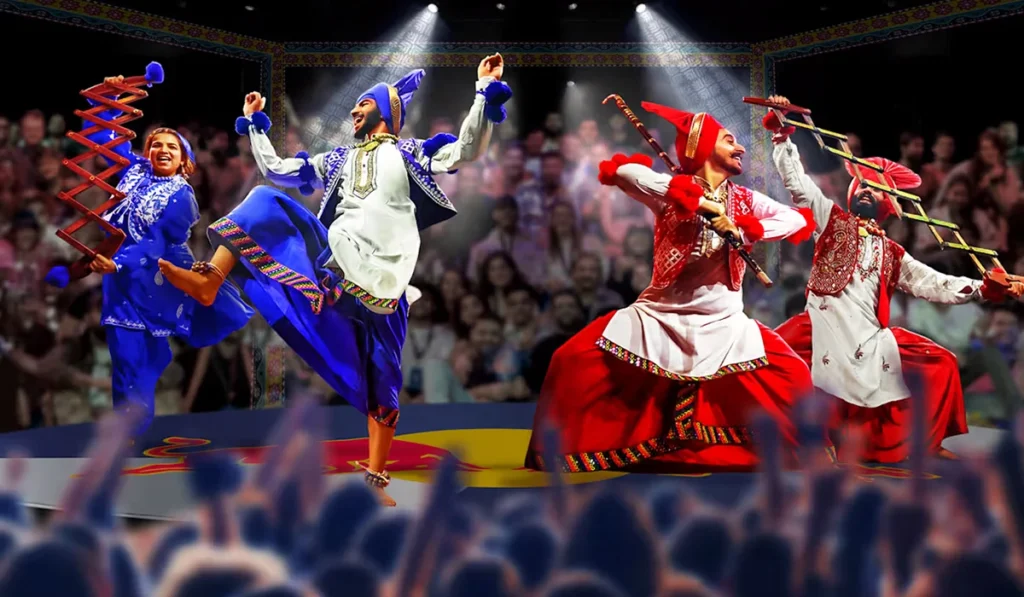
Bhangra is the most popular folk dance of Punjabi men. It represents strength, masculinity, and celebration.
Historically, Bhangra is linked to the harvest season. When farmers saw their golden wheat crop ready, their joy naturally transformed into dance. The beats of the dhol and chants of “Balle Balle” define its spirit.
Today, Bhangra has crossed borders and gained global recognition. While modern elements have been added, its true essence still lives in Punjab’s villages.
Giddha: Expression of Punjabi Women’s Emotions
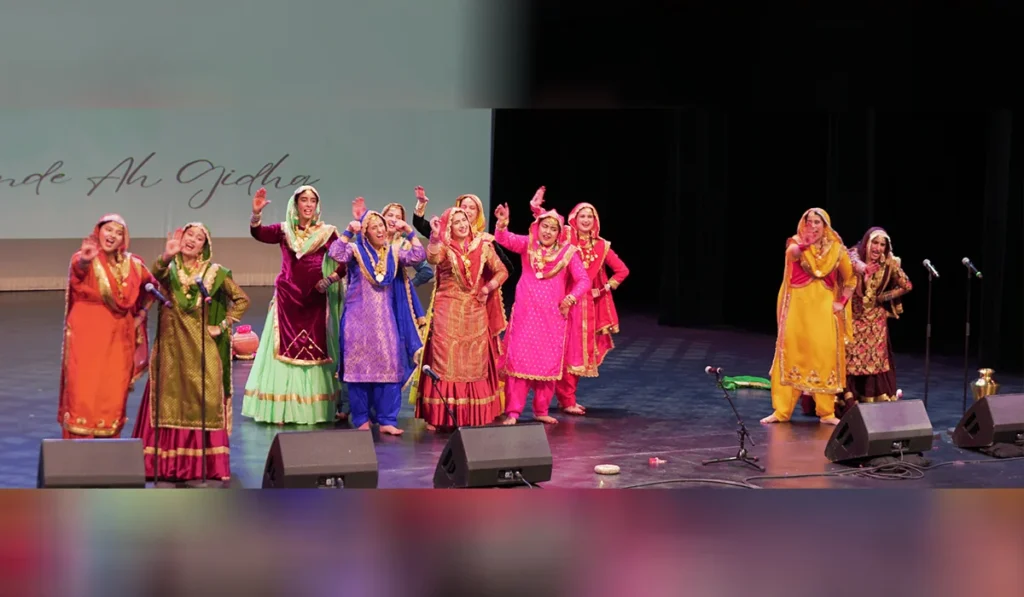
If Bhangra is energy, Giddha is grace and emotion. It is the primary folk dance of Punjabi women.
Giddha does not rely on instruments. Instead:
* Clapping hands create rhythm
* Footwork builds the beat
Its soul lies in boliyan—short lyrical verses through which women express:
* Relationships (mother-in-law, sister-in-law, etc.)
* Personal emotions
* Social satire
Giddha reflects courage, humor, and emotional depth of Punjabi women.
Vanishing Traditions: Our True Cultural Roots
While Bhangra and Giddha have become commercially popular, many traditional dance forms are slowly disappearing. Preserving them is crucial.
Sammi: Dance of Separation and Longing
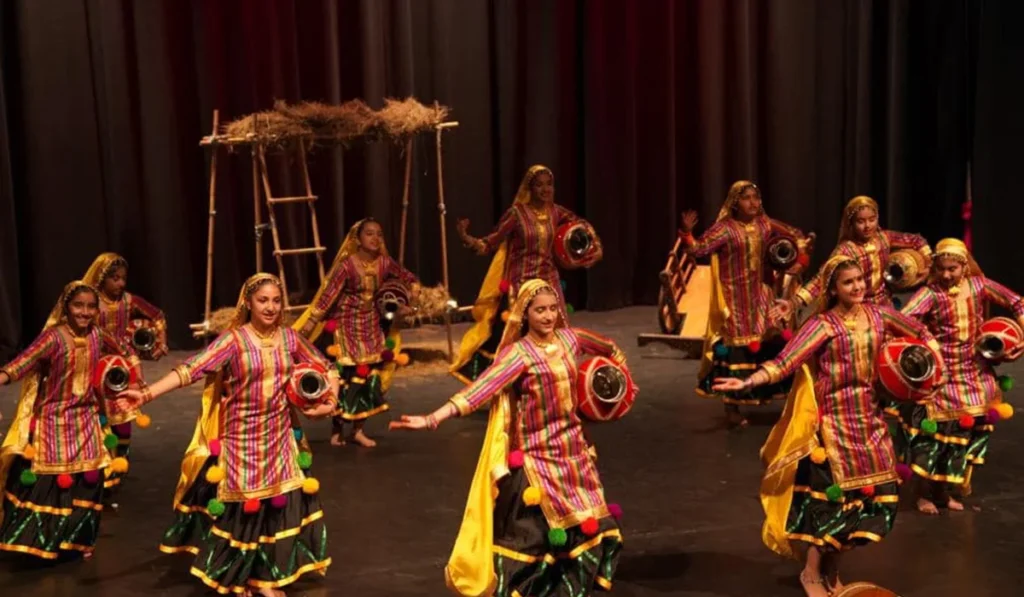
Sammi originated in the Sandal Bar region of West Punjab (now in Pakistan). It is associated with the legend of Princess Sammi, who danced in longing for her beloved Dhola.
* No dhol is used
* Rhythmic claps and steps create the flow
Today, Sammi survives mostly in Pakistan and is rarely practiced in Indian Punjab.
Jhumar: Graceful Dance of Calm Joy
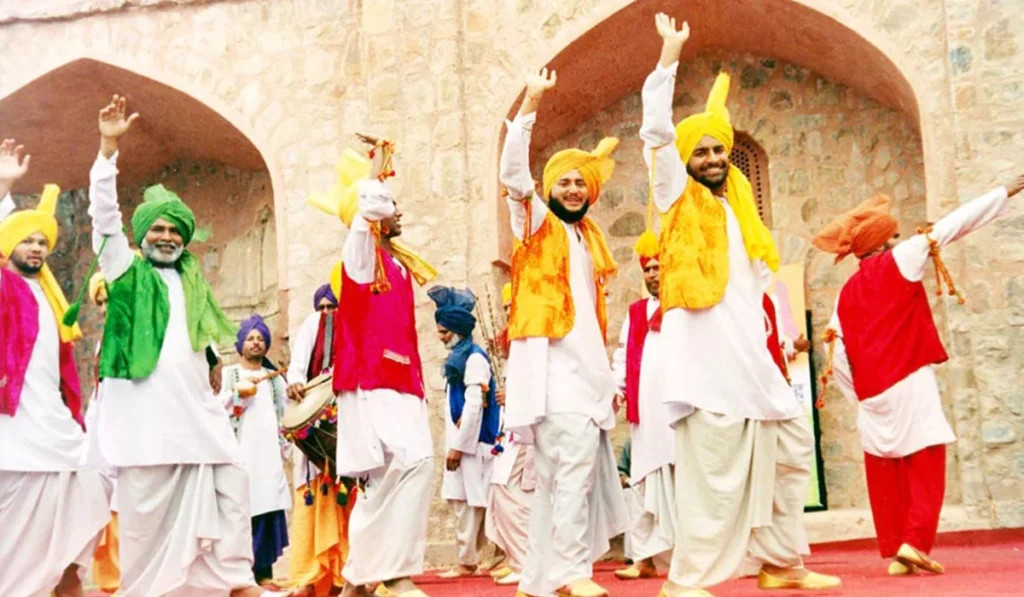
Jhumar is a men’s dance from western Punjab.
Unlike the fast pace of Bhangra:
* Jhumar is slow, steady, and graceful
* Movements flow in circular patterns
* Rhythm gradually builds from slow to fast
It reflects the Sufi spirit and calm joy, but is fading in today’s fast-paced music culture.
Luddi: Celebration of Victory and Happiness
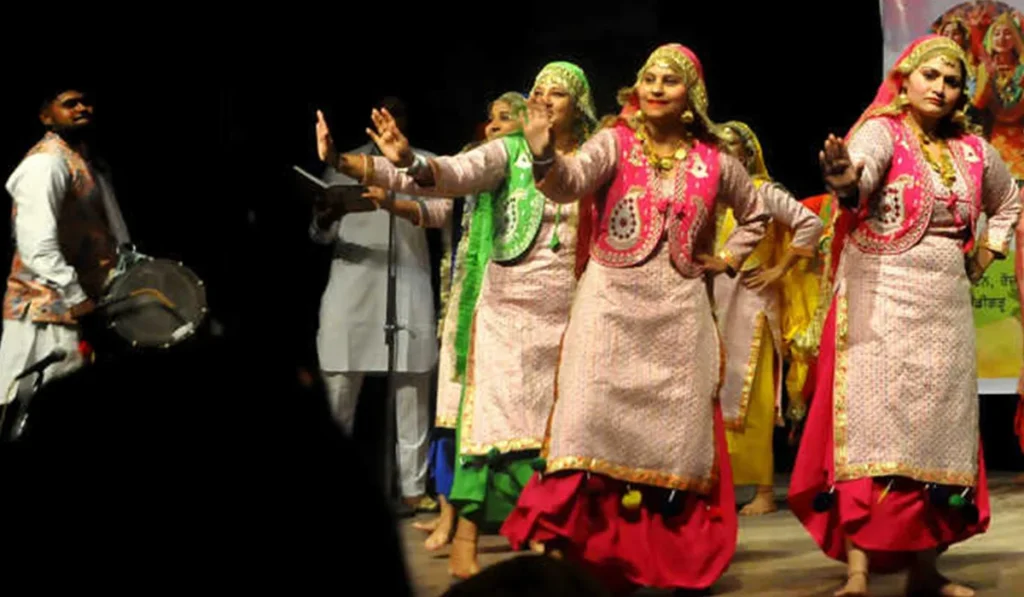
Luddi is performed by both men and women during moments of victory or joy.
* Body sways rhythmically
* Fingers snap to create beats
Today, Luddi is mostly limited to weddings and Bhangra performances.
Other Important Folk Dances
Punjab’s dance tradition is vast and diverse:
* Dhamal – A spiritual dance performed in Sufi shrines
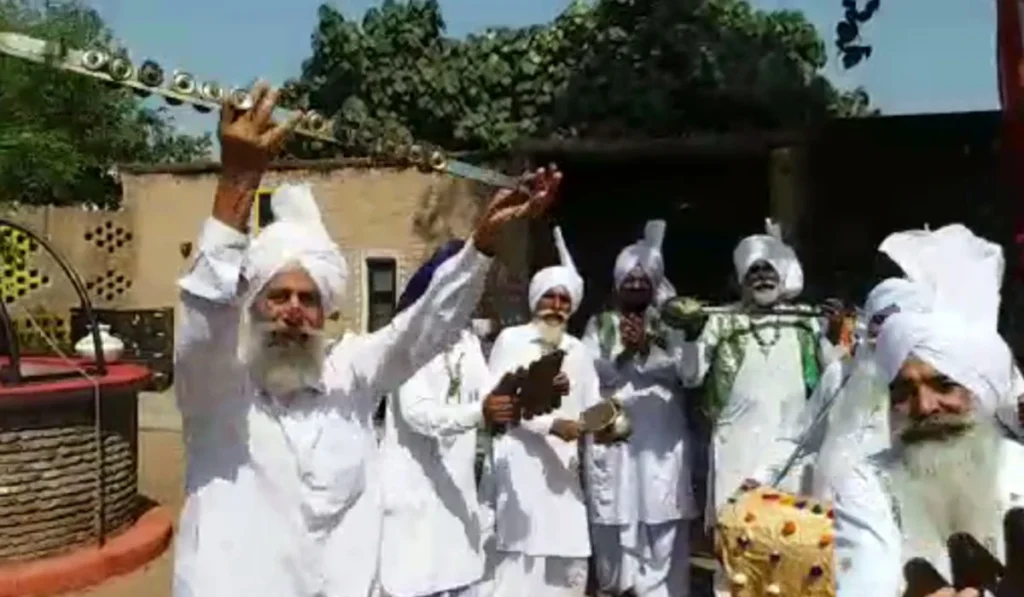
* Malwai Giddha – A humorous folk dance of men from the Malwa region, often performed by elders using instruments like chimta and gaggar
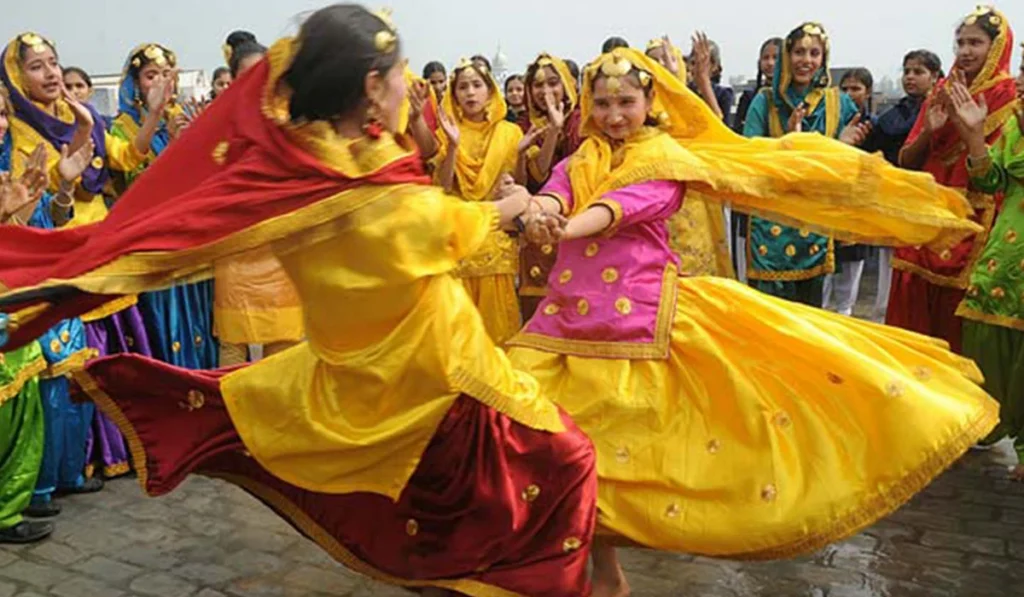
* Kikli – A playful dance of young girls spinning in pairs, symbolizing innocence and strength
Global Recognition and Modern Trends
Punjabi dance has moved far beyond village grounds to global platforms.
Bhangra as Fitness
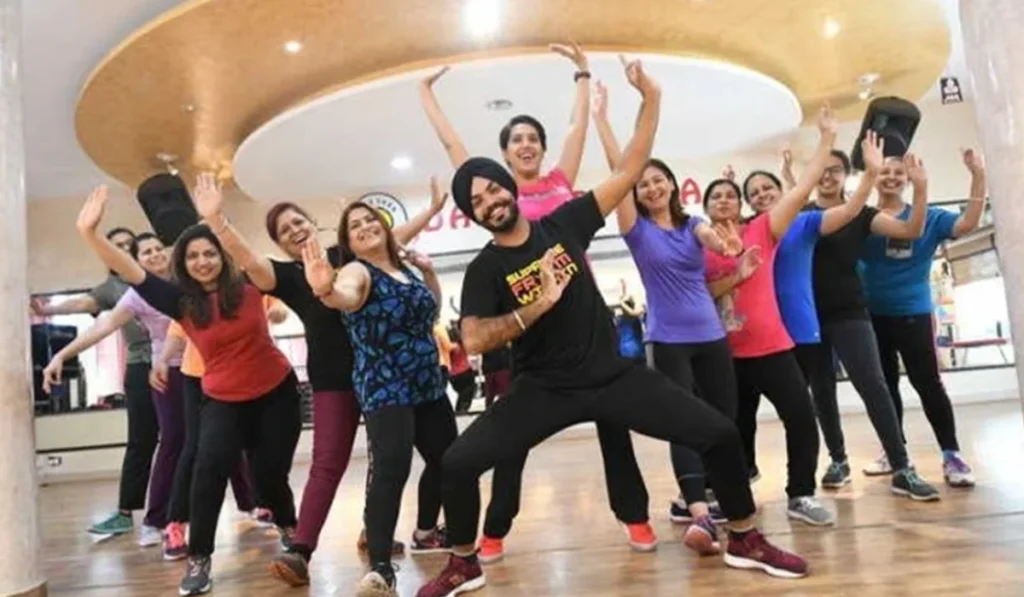
In countries like Canada and Australia:
* Bhangra is now a fitness trend
* “Bhangra cardio” classes are as popular as Zumba
Impact of Social Media
Platforms like Instagram and TikTok have helped revive fading forms like Jhumar and Luddi by introducing them to younger audiences.
Preserving the Heritage
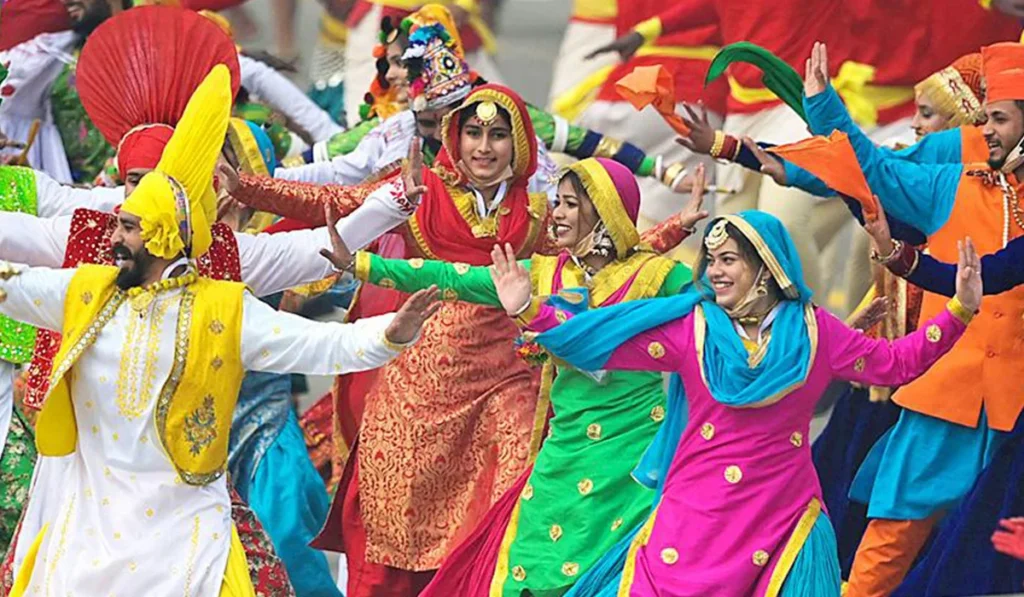
World Dance Day reminds us that Punjabi folk culture is our true identity. Bhangra and Giddha are our pride, Sammi, Jhumar, and Luddi are our roots. If the roots dry out, the tree cannot survive for long. It is time to revive these traditions and share Punjab’s cultural richness with the world. Because our art is our soul—and keeping it alive is our responsibility.
Leave a Comment