
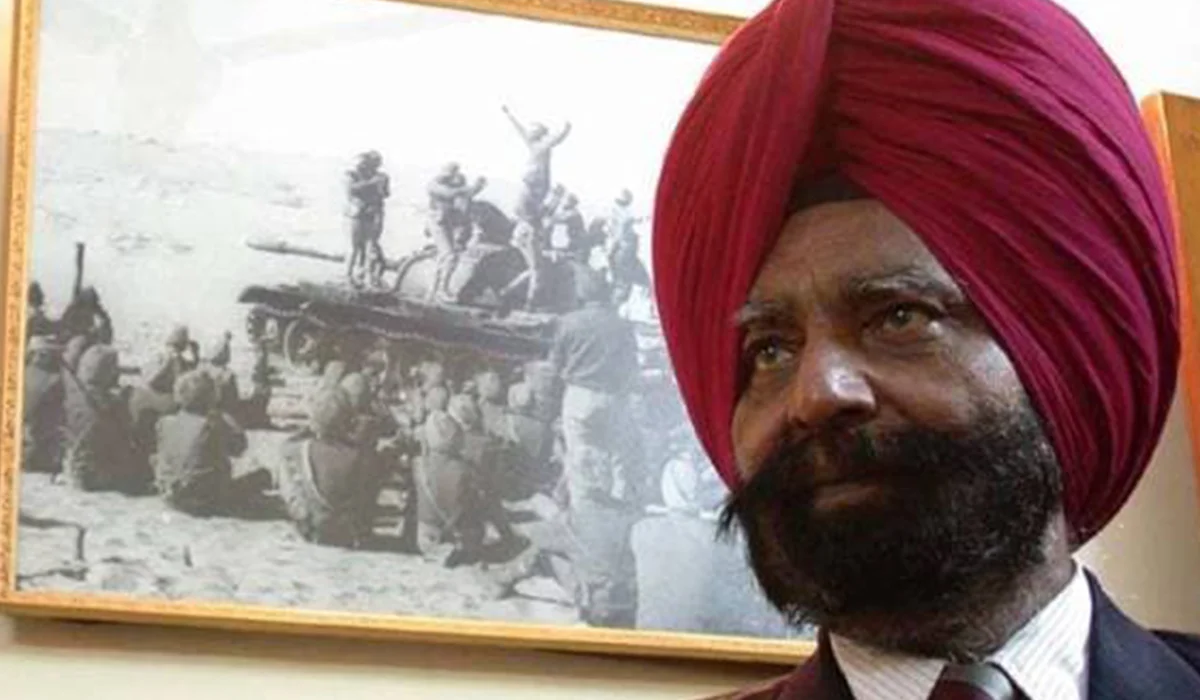

The history of the Indian Army is filled with countless stories of courage, but whenever the 1971 India-Pakistan war is remembered, the Battle of Longewala and Major, later Brigadier, Kuldip Singh Chandpuri are among the first names that come to mind. It was a battle where a small group of Indian soldiers crushed the pride of thousands of enemy troops and tanks in the desert sands.
Background of the 1971 War
In 1971, Pakistan was facing a double crisis. In East Pakistan, a rebellion had begun under the leadership of Sheikh Mujibur Rahman, and the Mukti Bahini was fighting for independence with support from the Indian Army. As the situation worsened, the Pakistani Army planned an attack on India’s western border, particularly Rajasthan and Punjab, to divert India’s attention. Pakistani strategists hoped India would move its forces from the eastern front to the west.
Enemy Attack on the Longewala Post
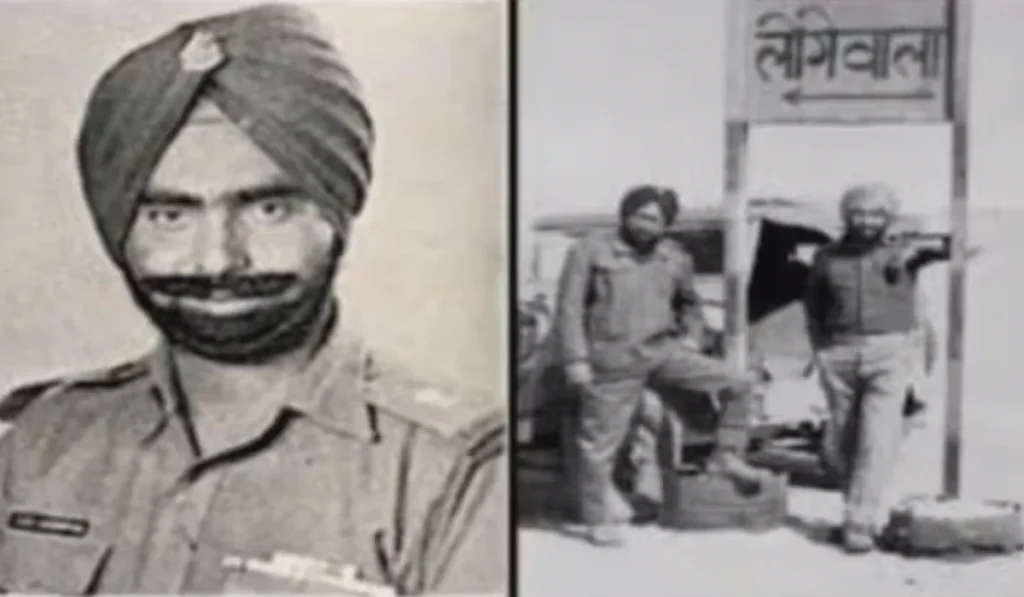
The night of 4 and 5 December 1971 became historic. While the country slept, only 120 soldiers of the 23rd Battalion of the Punjab Regiment, led by Major Kuldip Singh Chandpuri, were stationed at the Longewala post in Rajasthan’s Thar desert.
Suddenly, in the silence of the night, the faint roar of tanks could be heard. The enemy had more than 2,000 soldiers, 50 Sherman and T-59 tanks, and heavy artillery. Major Chandpuri and his men had only two choices: retreat toward Ramgarh in Jaisalmer, or fight till the last breath. Like a true Punjabi warrior, he chose to fight.
Major Chandpuri’s Strategy
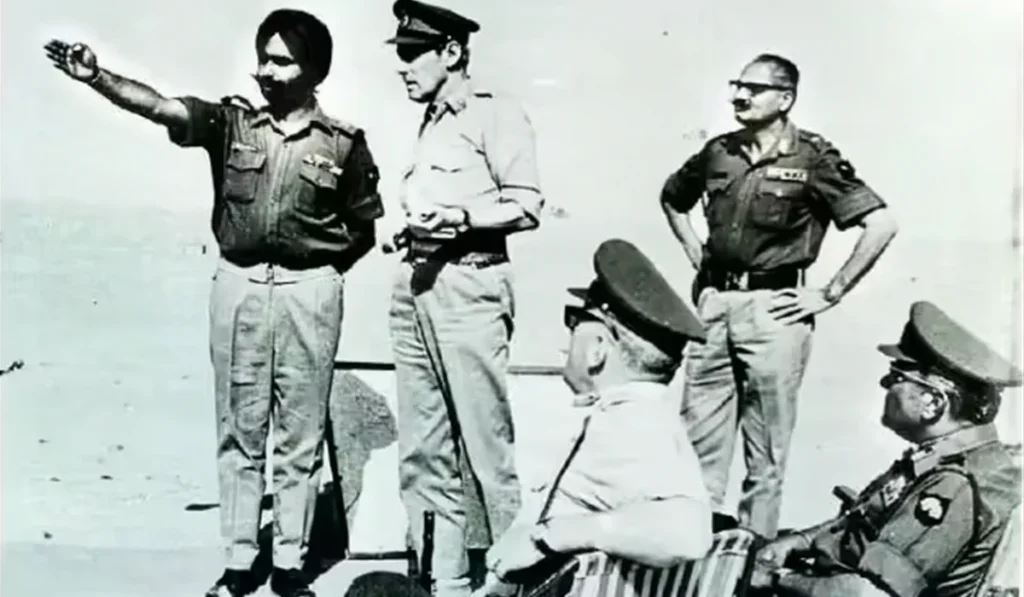
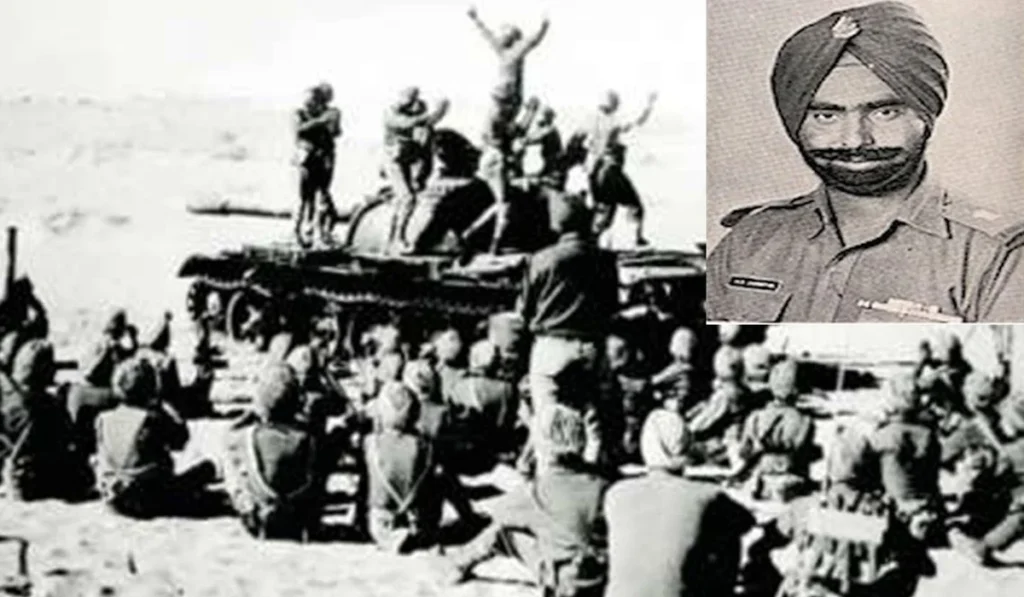
Major Chandpuri knew that his men could not take on tanks in a direct battle. So he planned carefully. He allowed the enemy tanks to come very close to the post, within nearly 100 metres. As soon as the tanks came within range, Indian soldiers attacked with shoulder-fired anti-tank weapons. In the first assault itself, two Pakistani tanks caught fire, while many others got stuck in the desert sand.
Another clever strategy worked in India’s favour. Indian soldiers had put barbed wire around the post. In the darkness, the Pakistani Army mistook it for a minefield. This fear made them stop for nearly two hours, giving the Indian soldiers a crucial advantage.
Indian Air Force Strikes Back
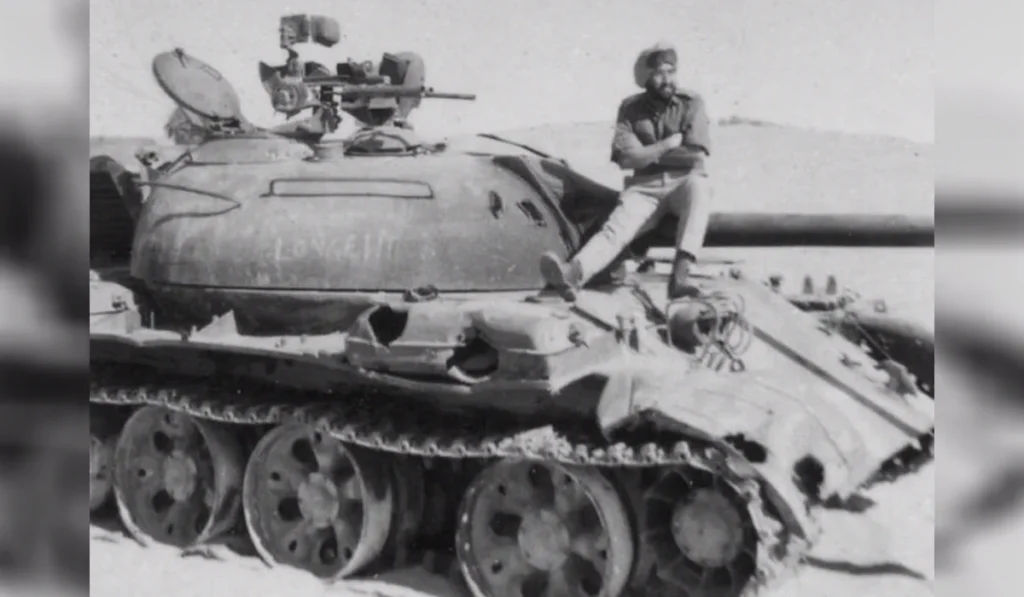
At daybreak, the Indian Air Force took charge. In the open desert, Pakistani tanks had nowhere to hide. In the six-hour battle, Pakistan lost 36 tanks, more than 100 vehicles and many soldiers. The enemy was forced to retreat. The battle became a global example of how courage and strategy can defeat a much larger force.
The Film Border and Major Chandpuri’s Legacy
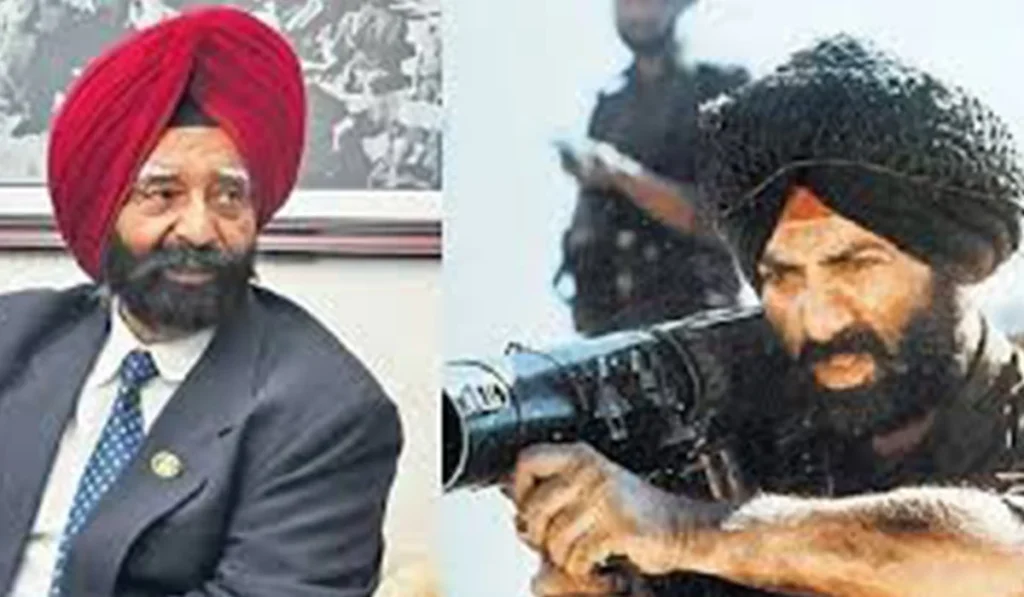
In 1997, J.P. Dutta made the film Border based on this historic battle. The film became a superhit. Sunny Deol played Major Kuldip Singh Chandpuri so powerfully that the character became known in every Indian household. Through this film, a new generation came to know about the real hero of Longewala.
Personal Life and Retirement
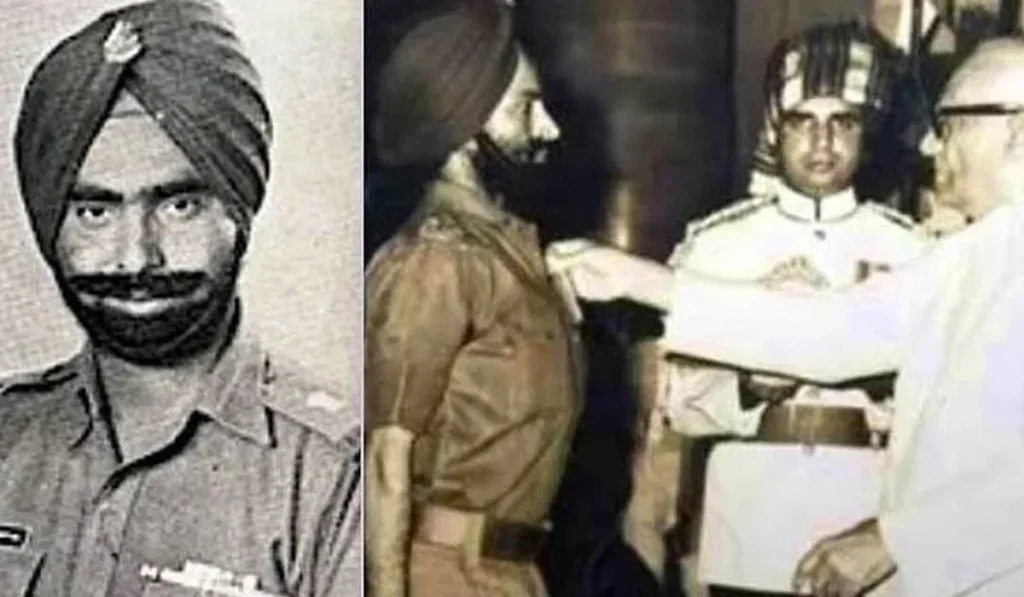
Brigadier Kuldip Singh Chandpuri was born on 22 November 1940 in Montgomery. After completing training at the Officers Training Academy in Madras, he was commissioned into the Indian Army in 1963.
He also took part in the 1965 war on the western front, served with the United Nations Emergency Force in Gaza, and worked twice as a combat training instructor at the Infantry School in Madhya Pradesh. For his bravery, the Government of India awarded him the Maha Vir Chakra.
Chandpuri retired from the Indian Army as a Brigadier and later settled in Chandigarh. He passed away on 18 November 2018. Brigadier Chandpuri may no longer be with us, but his story of courage will continue to inspire Indians for generations.
Leave a Comment