

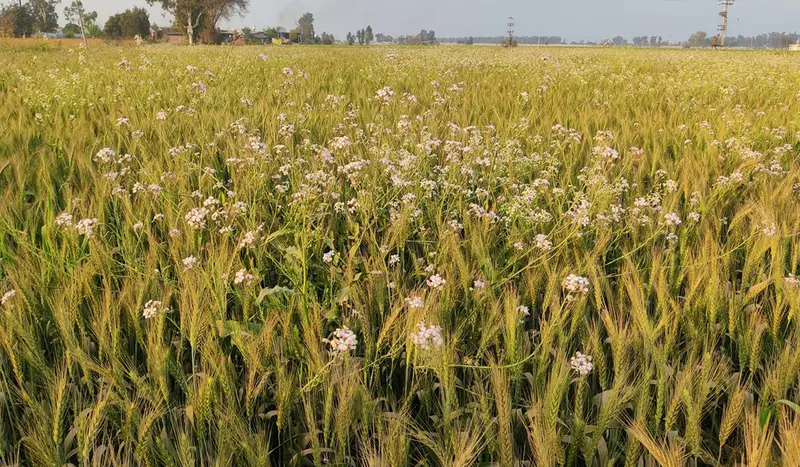

Over the past few years, Punjab has faced several natural disasters due to climate change. The devastating floods that struck different parts of the state in 2023 and 2025 not only caused extensive crop losses but also severely damaged agricultural infrastructure and natural resources. Now, another alarming consequence of these floods is coming to light—one that could pose a serious threat to Punjab’s fertile farmland and agricultural economy in the years ahead.
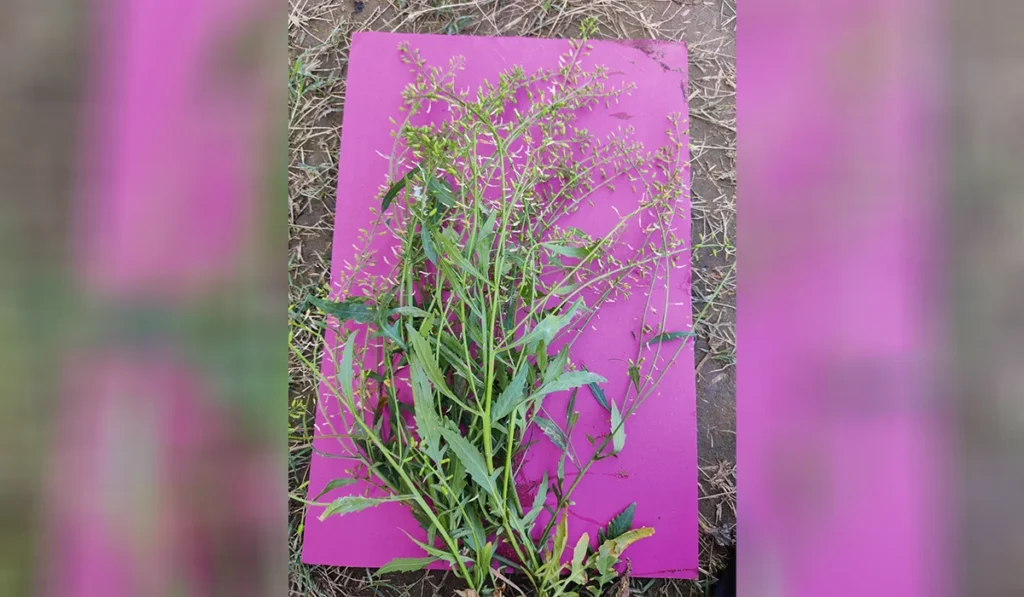
Scientists at the Punjab Agricultural University (PAU), Ludhiana, have identified a significant new environmental challenge. According to researchers, unknown weed species emerging from seeds carried into Punjab by floodwaters from hilly and outside regions are becoming a major threat to the state’s agricultural ecosystem.
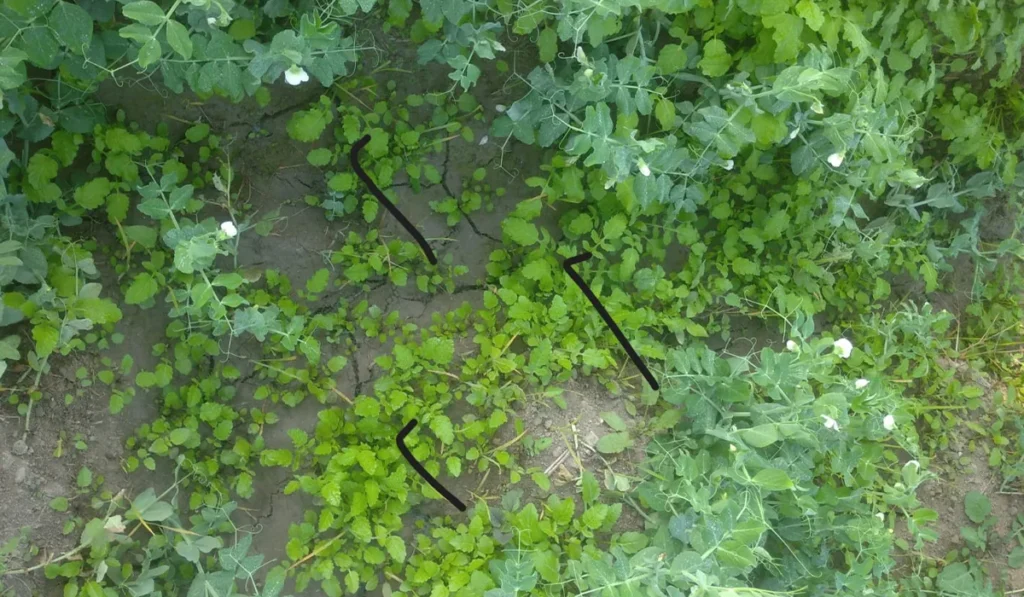
To assess conditions in flood-affected areas, PAU experts conducted a special survey covering the districts of Hoshiarpur, Gurdaspur, Pathankot, Rupnagar (Ropar), Amritsar, and Patiala. The findings have raised serious concerns among agricultural scientists.
The survey revealed the emergence of several weed species that had never previously been observed in Punjab’s plains. Researchers believe that floodwaters have significantly altered the region’s native vegetation profile, creating long-term ecological challenges for agriculture.
New Weed Species Raising Concerns
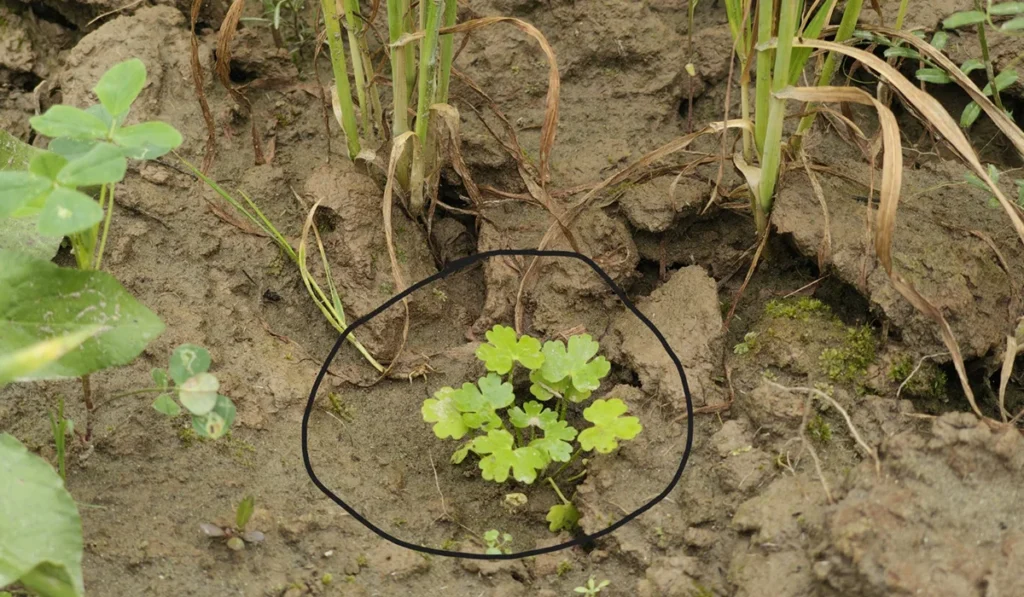
Scientists identified three particularly problematic weed species in affected farmlands:
* Wild Radish – A weed generally found in hilly and sub-hilly regions but now spreading into Punjab’s agricultural plains.
* Celery-Leaved Buttercup (Water Buttercup) – A moisture-loving weed that aggressively competes with crops for nutrients and resources.
* Marsh Yellow-Cress – A highly invasive species that has already been observed overtaking pea fields in some surveyed locations.
Researchers believe these plants arrived in Punjab through seeds and plant material carried downstream by floodwaters originating from Himachal Pradesh and other mountainous regions.
Changes Observed During the Rabi Season
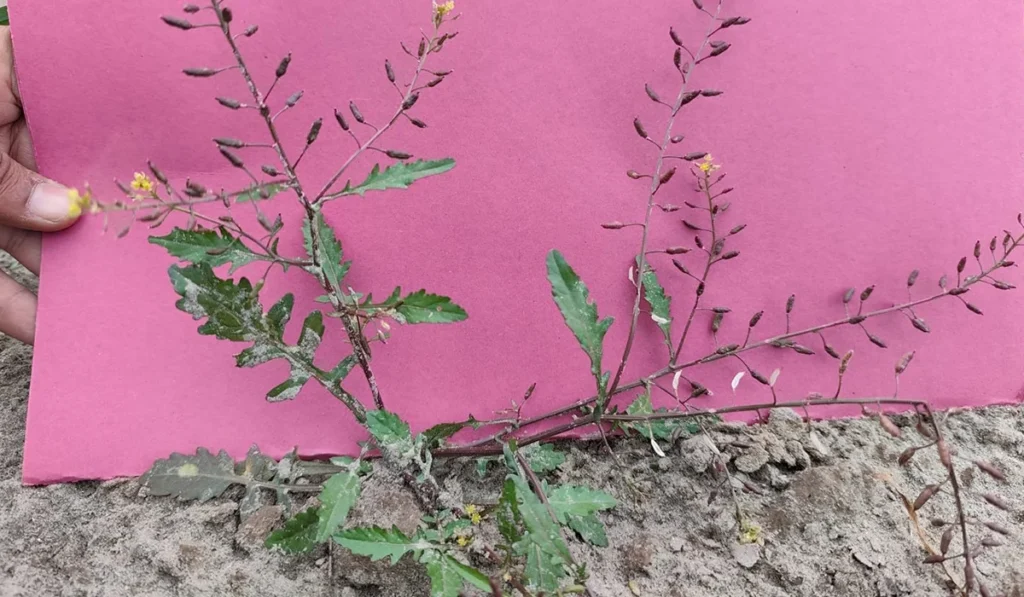
The survey documented a noticeable increase in these weeds during the Rabi season. Areas that remained waterlogged or retained moisture for extended periods after flooding provided ideal conditions for the weeds to establish themselves rapidly.
This development is particularly worrying because these invasive species compete directly with major crops such as wheat, peas, and potatoes for:
* Soil nutrients
* Moisture
* Sunlight
* Growing space
As a result, crop yields may decline significantly.
In addition, these unfamiliar weeds can serve as hosts for harmful insects and disease-causing microorganisms, increasing the risk of new pest and disease outbreaks in agricultural fields.
Climate Change Creating New Agricultural Risks
PAU Vice-Chancellor Dr. Satbir Singh Gosal emphasized the seriousness of the findings.
He stated that the emergence of these weeds is direct evidence of how climate change and extreme weather events can suddenly disrupt established agricultural ecosystems.
Dr. Gosal noted that farmers and scientists currently possess very limited knowledge about the behavior, spread patterns, and ecological impact of these newly introduced weed species. Without timely intervention, these plants could become firmly established in Punjab’s ecosystem and cause long-term damage to biodiversity and agricultural productivity.
Important Advisory for Farmers
PAU’s Director of Extension Education, Dr. Makhhan Singh Bhullar, has urged farmers to remain vigilant during the ongoing Kharif season.
Farmers, especially in flood-affected regions, have been advised to:
* Regularly inspect their fields.
* Watch for unfamiliar plants that do not resemble common local weeds.
* Remove and destroy suspicious weeds before they produce seeds.
* Prevent further spread by taking early action.
The university has also advised farmers to immediately report sightings of unusual weed species to:
* PAU experts
* Krishi Vigyan Kendras (KVKs)
* Agricultural advisory centers
* Officials of the Department of Agriculture and Farmers’ Welfare
Early identification and intervention are considered crucial for preventing widespread infestation.
A Growing Challenge for Punjab’s Agriculture
Punjab’s agriculture is already facing significant challenges, including declining groundwater levels, rising input costs, and increasing climate-related risks. The spread of invasive weeds following floods could make farming even more expensive and uncertain.
Agricultural experts stress that protecting Punjab’s agricultural biodiversity will require coordinated efforts from farmers, scientists, extension workers, and government agencies. Only through collective action can the state safeguard its fertile lands from the emerging environmental threats associated with climate change.
The issue serves as a reminder that the impact of floods extends far beyond immediate crop damage. In many cases, the most serious consequences emerge years later, silently altering the ecological balance upon which agriculture depends.



Leave a Comment