



I. Bārah Māhā and the Burning Heat of Asadh
Heartiest felicitations as the Asadh Sangrand falls today. The Bārah Māhā (ਬਾਰਹ ਮਾਹਾ), a profound spiritual composition by Sri Guru Arjan Dev Ji, holds a special place in the Sri Guru Granth Sahib, spanning Angs 133 to 136. This sacred text, traditionally recited during Sangrand to mark the beginning of a new month, serves as a spiritual guide, illuminating the soul’s journey through the changing seasons. Each month reveals distinct spiritual themes, reflecting the emotional and spiritual states of the human soul amidst the natural cycle of time.
In eloquent and metaphorical language, Guru Sahib portrays how human beings — symbolised throughout Bārah Māhā as the soul-bride — often become estranged from the Divine, the Almighty God or Akaal Purakh, amidst the rigours of daily life and the press of worldly hopes. Each month of the composition signifies a pivotal stage in this journey, the soul yearning for the omnipresent Divine, a metaphor that beautifully underscores the perpetual quest for spiritual union and growth.
II. Asadh: The Month of Scorching Separation, Before the Rains Arrive
As we enter Asadh (ਅਸਾੜ੍ਹ, also called Harh in the desi calendar), the hottest and most punishing month of the North Indian year, Bārah Māhā turns its gaze to the searing pain of separation. Where Phagun sang of blossoming and union, Asadh confronts us with the opposite: the parched earth, the relentless sun, and a soul-bride left waiting, restless, for her Beloved.
Guru Arjan Dev Ji uses the unbearable heat of Asadh as a metaphor for the soul’s anguish when cut off from the Divine. Just as the land cracks and thirsts for the monsoon that has not yet come, so too does the human spirit burn when it has turned away from its true Source, chasing instead the false comforts of worldly hopes and human reliance. Yet, even in this month of fire, the pauri does not end in despair — it ends in prayer, in longing, and in the promise that for those whose hearts are anchored at the Lord’s feet, even Asadh becomes pleasant.
III. Asadh’s Teachings: From the Burning of Separation to the Coolness of Surrender
Let us now delve into a line-by-line interpretation of the verses dedicated by the Fifth Nanak to the month of Asadh.
- ਆਸਾੜੁ ਤਪੰਦਾ ਤਿਸੁ ਲਗੈ ਹਰਿ ਨਾਹੁ ਨ ਜਿੰਨਾ ਪਾਸਿ ॥
Translation: The month of Asadh seems burning hot, to those who do not have their Husband Lord with them.
- ਜਗਜੀਵਨ ਪੁਰਖੁ ਤਿਆਗਿ ਕੈ ਮਾਣਸ ਸੰਦੀ ਆਸ ॥
Translation: They have forsaken God, the Primal Being, the Life of the World, and have placed their hopes in mere mortals instead.
- ਦੁਯੈ ਭਾਇ ਵਿਗੁਚੀਐ ਗਲਿ ਪਈਸੁ ਜਮ ਕੀ ਫਾਸ ॥
Translation: Through the love of duality, one is ruined, and the noose of death is placed around the neck.
- ਜੇਹਾ ਬੀਜੈ ਸੋ ਲੁਣੈ ਮਥੈ ਜੋ ਲਿਖਿਆਸੁ ॥
Translation: As one plants, so does one harvest, according to what is written upon one’s brow.
- ਰੈਣਿ ਵਿਹਾਣੀ ਪਛੁਤਾਣੀ ਉਠਿ ਚਲੀ ਗਈ ਨਿਰਾਸ ॥
Translation: The night of life passes away in regret; the soul rises and departs, disappointed and without hope.
- ਜਿਨ ਕੌ ਸਾਧੂ ਭੇਟੀਐ ਸੋ ਦਰਗਹ ਹੋਇ ਖਲਾਸੁ ॥
Translation: But those who meet with the Holy Saints are liberated in the Court of the Lord.
- ਕਰਿ ਕਿਰਪਾ ਪ੍ਰਭ ਆਪਣੀ ਤੇਰੇ ਦਰਸਨ ਹੋਇ ਪਿਆਸ ॥
Translation: Grant Your Grace, O God, that I may thirst for the Blessed Vision of Your Darshan.
- ਪ੍ਰਭ ਤੁਧੁ ਬਿਨੁ ਦੂਜਾ ਕੋ ਨਹੀ ਨਾਨਕ ਕੀ ਅਰਦਾਸਿ ॥
Translation: Without You, O God, there is no other at all — this is Nanak’s prayer.
- ਆਸਾੜੁ ਸੁਹੰਦਾ ਤਿਸੁ ਲਗੈ ਜਿਸੁ ਮਨਿ ਹਰਿ ਚਰਣ ਨਿਵਾਸ ॥੫॥
Translation: The month of Asadh seems beautiful, to those whose minds are filled with the Lord’s Lotus Feet. ||5||
IV. Placing Asadh in the Broader Context of Bārah Māhā Paath
To grasp the full weight of Asadh within the spiritual odyssey of Bārah Māhā, one must read it against the months that surround it. After the gentle warmth and blossoming love of Phagun, and the playful colour of Chet and Vaisakh, the calendar now turns to its harshest test. Asadh is the crucible — the month when the soul-bride’s patience is tried most severely, when the false comforts of “maanas sandi aas” (hope placed in mortals) are stripped away by the relentless sun, and when only true reliance on the Divine offers any shade at all.
Yet Guru Arjan Dev Ji does not leave the verse in lament. The closing line is a quiet but profound reversal: the very same scorching month becomes “suhanda” — pleasant, even beautiful — for one whose mind rests at the Lord’s feet. The heat outside does not change; what changes is the coolness within. This is among the most powerful images in the entire Bārah Māhā: external circumstance is rendered irrelevant by internal anchoring.
V. On the Eve of the Monsoon: A Time of Thirst, and of Hope
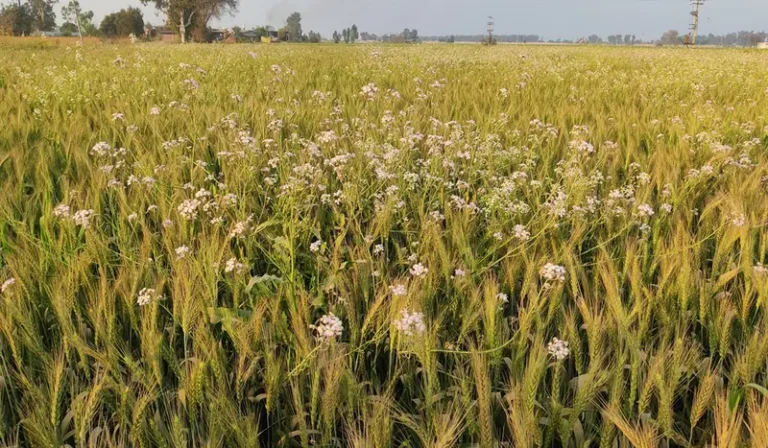
There is something deeply fitting about reflecting on this pauri at this precise moment in the agricultural and meteorological calendar. Asadh — or Harh, as it is known in common Punjabi usage — is the month when the parched fields of Punjab and the wider Gangetic plain wait, cracked and dry, for the first announcement of the monsoon. Farmers look skyward; the air itself seems to hold its breath. It is a season of physical thirst that mirrors, almost too perfectly, the spiritual thirst (pyaas) that Guru Sahib invokes in verse seven — the prayer to be granted a longing for Darshan.
Just as the monsoon, when it finally breaks, transforms the burnt landscape into one of relief and renewal, so too does the Grace of the Guru transform the burning separation of the soul-bride into the coolness of union. Asadh, then, is not merely a month of suffering to be endured before the rains — it is itself an invitation: to turn the physical thirst all around us into a reminder of the deeper thirst within, and to make of this difficult month an occasion for “ardaas” rather than despair.
VI. Reflecting and Looking Forward
As the heat of Asadh presses down upon us, and as we watch the skies for the first signs of the monsoon’s mercy, may we also watch our own hearts for the first signs of that deeper longing of which Guru Arjan Dev Ji speaks. The promise of the ninth verse remains open to all: even this most punishing of months can become “suhanda” — pleasant and gracious — when the mind dwells at the Lord’s feet.
ਵਾਹਿਗੁਰੂ ਜੀ ਕਾ ਖਾਲਸਾ, ਵਾਹਿਗੁਰੂ ਜੀ ਕੀ ਫਤਿਹ


Leave a Comment