
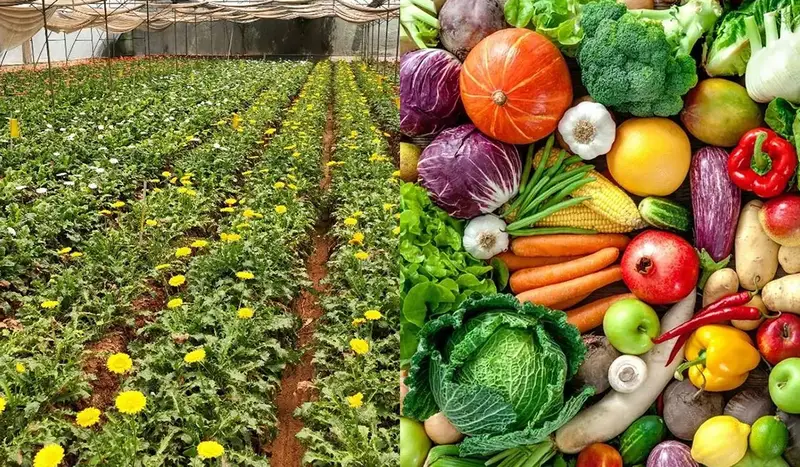

Punjab’s Horticulture Sector Contributes Nearly 17% to Agricultural GDP Despite Covering Only 6% of Cultivated Land.
Punjab, widely recognised as the birthplace of India’s Green Revolution, is now facing several serious agricultural challenges. Declining soil fertility, falling groundwater levels, shrinking farm incomes, and rising production costs have raised concerns among farmers. Although the wheat and paddy cultivation system helped India achieve food security, it is no longer environmentally or economically sustainable.
At this crucial stage, horticulture offers a practical and future-oriented solution. High-value crops such as exotic vegetables and citrus fruits, and protected cultivation through polyhouses and net houses, enable farmers to increase their income while conserving valuable natural resources significantly.

Over the past four decades, India’s monthly per capita consumption of fruits and vegetables has increased from 4.01 kilograms to 9.15 kilograms, clearly reflecting the growing demand for horticultural products in the domestic market.
Today, creating sustainable employment opportunities for young people and tackling the effects of climate change have become national priorities. In this changing environment, horticulture education is no longer just another career option. It has emerged as a carefully considered, future-ready discipline that contributes directly to the country’s economic growth and sustainable development.
The challenges India faces today clearly indicate that conventional education and traditional employment paths have reached their limits. Rapid population growth, shrinking landholdings, water scarcity, climate uncertainty, and widespread nutritional deficiencies demand a fresh approach to education and agriculture. In this context, horticulture education is not merely an academic subject but a multidisciplinary field that strengthens both the state and national economy.
Horticulture Contributes 17% to Punjab’s Agricultural GDP
Economic figures clearly demonstrate the growing importance of horticulture. At the national level, the horticulture sector contributes more than 30% of India’s agricultural GDP, despite occupying only around 15% of the total cultivated area. In Punjab, horticulture is practised on only 6% of the cultivated land, yet it contributes nearly 17% of the state’s agricultural GDP. These figures highlight the enormous untapped potential of this sector.
For students completing Class 12, whether from medical or non-medical streams, and for parents searching for secure and rewarding career opportunities, horticulture education offers a promising and relevant option.
Horticulture is Much More Than Traditional Farming
Many people still consider horticulture to be merely an extension of conventional agriculture. In reality, it is a broad, science-driven discipline that covers the cultivation of fruits, vegetables, flowers, medicinal plants, and aromatic crops. It also includes genetic improvement, food processing, value addition, supply chain management, and modern marketing techniques.
Today, trained horticulture professionals are earning impressive incomes through commercial floriculture, landscaping, and high-value horticultural enterprises, both in India and abroad.
Modern horticulture integrates advanced fields such as biotechnology, climate science, soil science, precision farming, post-harvest technology, and agribusiness management. Compared to traditional crops, horticulture provides higher and more sustainable returns from relatively smaller landholdings. This is especially significant for Punjab, where agricultural land is becoming increasingly fragmented, and farmers continue to face financial pressure under the wheat-paddy cropping system.
Growing Focus on Nutrition After COVID-19
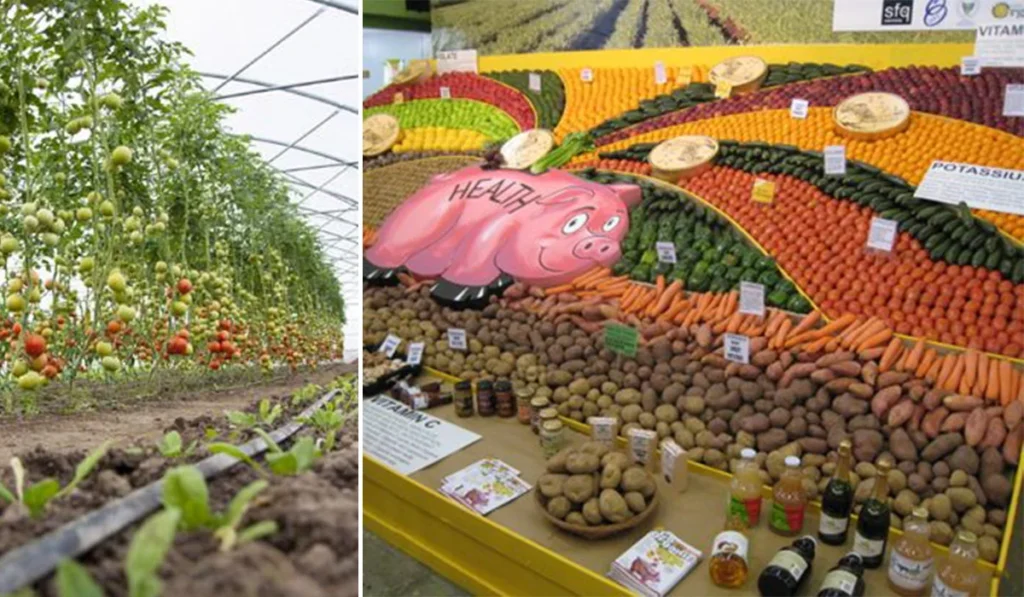
A study conducted by Punjab Agricultural University found that the COVID-19 pandemic significantly changed public attitudes towards health and nutrition. People are no longer concerned only with consuming enough calories. Instead, they are actively seeking balanced and nutritious diets that strengthen immunity and improve overall health.
India continues to struggle with “hidden hunger,” a condition caused by deficiencies of essential vitamins and minerals. Fruits and vegetables, often called protective foods, are among the richest natural sources of these nutrients. Expanding horticulture education, therefore, is not only about creating employment but also about strengthening public health and improving the country’s human capital.
Horticulture Offers Climate-Smart Solutions
Climate change is no longer a future concern. It is already affecting agriculture through unseasonal rainfall, extreme temperatures, prolonged droughts, and unpredictable weather patterns. Traditional farming systems are becoming increasingly vulnerable.
Horticultural science provides effective solutions through technologies such as drip irrigation, hydroponics (soil-free cultivation), and the development of climate-resilient crop varieties. These innovations help maintain productivity while reducing environmental risks. For this reason, horticulture is widely regarded as one of the most climate-smart agricultural sectors.
Become Job Creators, Not Just Job Seekers

One of the greatest strengths of horticulture education is that it encourages entrepreneurship rather than dependence on employment. The sector offers tremendous opportunities for start-ups and self-employment, including:
- High-tech fruit nurseries
- Commercial floriculture
- Landscaping and garden design
- Production of ornamental plants
- Fruit and vegetable processing units
- Juice, jam, pickle, and dried fruit manufacturing
- Cold storage and supply chain management
With proper technical knowledge and institutional support, young entrepreneurs can establish successful businesses even on a small scale and earn substantial profits.
Punjab Agricultural University’s Contribution to Horticulture

Recognising the growing importance of horticulture, Punjab Agricultural University, Ludhiana, established the College of Horticulture and Forestry in 2018. The institution represents a forward-looking initiative to develop skilled scientific professionals for the future.
Through a combination of practical training and advanced research, the college equips students with both theoretical knowledge and professional expertise. Graduates from the institution are pursuing higher education and securing positions in leading national and international organisations, demonstrating the quality of education they receive.
Horticulture is a Career for the Future
For today’s youth, the goal should not simply be finding a job but building a meaningful and impactful career. Horticulture is one of the few fields that successfully combines science, business, environmental sustainability, and social development. It encourages innovation, self-reliance, and entrepreneurship while contributing to national progress.
Parents must also move beyond conventional career choices such as medicine, engineering, or government jobs and recognise the opportunities emerging in sectors like horticulture. It is not a secondary option but a strategic career path with strong long-term prospects.
The future will not be built only inside offices or behind computer screens. It will also be shaped in orchards, research laboratories, protected cultivation systems, and innovative agricultural enterprises. The time has come to rethink career choices and embrace horticulture as a powerful driver of sustainable development, economic prosperity, and national growth.
Horticulture Education Creates Skilled Professionals for a Changing World
Horticulture education has evolved into a multidisciplinary programme that blends science, technology, innovation, and business management. Students receive practical training in fruit production, vegetable cultivation, floriculture, nursery management, protected farming, plant breeding, biotechnology, soil health, irrigation systems, post-harvest management, and agricultural marketing. This combination of classroom learning and field experience prepares graduates to tackle the real challenges facing modern agriculture. Unlike many conventional degree programmes that focus mainly on theory, horticulture education develops problem-solving skills through research, demonstrations, and hands-on training. Students also gain exposure to precision farming tools, digital technologies, and sustainable cultivation methods that are becoming increasingly important in Indian agriculture. As consumer preferences continue to shift towards healthy food and premium agricultural products, trained horticulture professionals will play an essential role in improving productivity, quality, and profitability across the value chain. This makes horticulture one of the few career options that directly connects education with employment, entrepreneurship, and national development.
Expanding Opportunities in Protected Cultivation
Protected cultivation has transformed the way farmers produce fruits, vegetables, and flowers. Technologies such as polyhouses, net houses, shade nets, and low tunnels enable farmers to control temperature, humidity, irrigation, and pest management, resulting in higher yields and better-quality produce year-round. These systems are particularly beneficial for cultivating exotic vegetables, coloured capsicum, cucumber, cherry tomato, strawberry, and high-value flowers. Although the initial investment may appear high, government subsidies and technical assistance have encouraged many farmers to adopt these modern production methods. Protected cultivation also reduces the impact of extreme weather conditions, making agriculture more resilient to climate change. Since crops grown in controlled environments generally command higher market prices, farmers can recover their investment within a reasonable period. As urban markets continue to demand fresh, premium-quality produce, protected cultivation is expected to become one of the fastest-growing segments of Indian horticulture.
Value Addition Increases Farmers’ Income
Growing fruits and vegetables is only one part of the horticulture industry. Processing and value addition create even greater opportunities for farmers and entrepreneurs. Fresh produce can be converted into juices, jams, jellies, pickles, sauces, dehydrated products, frozen vegetables, fruit pulp, essential oils, herbal products, and packaged, ready-to-eat foods. Value addition extends the shelf life of perishable commodities while increasing their market value. This helps farmers reduce post-harvest losses and earn higher returns from the same produce. Small-scale food processing units can also generate employment in rural areas, particularly for women and young entrepreneurs. With increasing consumer demand for healthy, convenient, and processed food products, value addition has become a key driver of growth in the horticulture sector. Strengthening food processing industries will not only improve farmers’ incomes but also contribute to export growth and rural economic development.



Leave a Comment