


Sikh history is filled with countless examples of sacrifice, struggle, and selfless service.
In the early decades of the twentieth century, the Sikh community was fighting the Gurdwara Reform Movement, also known as the Akali Movement, to free its historic shrines from the control of corrupt mahants and the British administration.
Among the leaders who performed their duty towards the community with unwavering faith until their final breath, Sardar Teja Singh Samundri holds a place of great distinction.
The year 2026 marks the centenary of the passing, or martyrdom, of this great Panthic leader—from 17 July 1926 to 17 July 2026.
This occasion gives us an opportunity to remember his extraordinary service, his noble and principled life, and the supreme sacrifice he made for the Panth. It also inspires us to follow the path shown by him.
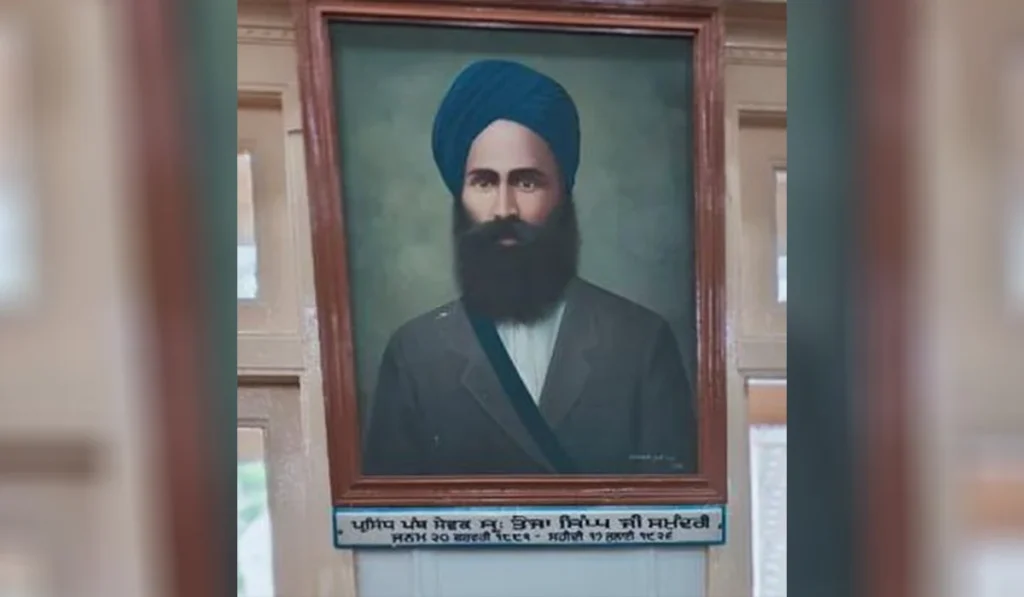
Sardar Teja Singh Samundri was born on 20 February 1882 in the village of Rai Ka Burj, in Tarn Taran tehsil of the then Amritsar district. His parents were Risaldar Major Deva Singh and Mata Nand Kaur.
He belonged to a prominent military and influential family. As a result, patriotism and discipline became part of his upbringing.
From childhood, Teja Singh Samundri was serious, calm, and deeply religious by nature. He had immense devotion towards Sikh history and Gurbani. His religious commitment and humility were often spoken about within the family.
How Did “Samundri” Become Part of His Name?
When the British administration began developing the canal colonies, known as the “Bars”, in western Punjab, now part of Pakistan, Teja Singh’s father, Risaldar Major Deva Singh, was allotted agricultural land in Chak Number 140 of the Gogera Branch, in Samundri tehsil of Lyallpur district, in recognition of his military service.
The entire family moved and settled there. It was from the name of this region that the word “Samundri” became permanently associated with Teja Singh’s name.
Teja Singh Samundri received formal education only up to the primary level. However, through self-study, he developed a deep understanding of religious scriptures, history, and social issues. As he entered adulthood, he joined the army as a daffadar, a non-commissioned cavalry officer. But a free-thinking person, deeply concerned about the condition of his community, could not remain in the service of the British for long.
After serving for only three or four years, he resigned from the army, returned to his village, and devoted himself to social and community service.
A Pioneer of Social and Educational Reform
After leaving the army, Sardar Teja Singh observed that the Sikh community of that period was struggling with illiteracy, superstition, and several social evils. He realised that unless the community became educationally strong, it would not be able to protect its freedom and its rights.
During his youth, he began working in the religious and social fields as a member of the Chief Khalsa Diwan, which was one of the leading Sikh organisations of that time.
The organisation’s mission to remove illiteracy and poverty from the community deeply influenced him. To lead the community out of the darkness of ignorance, he took several important steps. He first established a Khalsa Diwan in the Samundri region.
He then brought together several smaller Sikh associations of the area on one platform and formed the Khalsa Diwan Bar. This organisation created a new wave of awareness in Lyallpur and the surrounding regions.
To promote education, he helped establish a Khalsa Middle School in his village, which was later upgraded to a high school. He also established Sri Guru Gobind Singh Khalsa High School at Sarhali.
These institutions transformed the lives of thousands of young people. Towards the end of the second decade of the twentieth century, Sikh politics entered a new phase.
The Shiromani Gurdwara Parbandhak Committee, or SGPC, and the Shiromani Akali Dal were established to free the gurdwaras from the control of the mahants. Teja Singh Samundri was among the founding pillars of both organisations.
The bloody massacre at Sri Nankana Sahib on 20 February 1921 shook the entire Sikh community. After the tragedy, a committee was formed to take over the management of the sacred birthplace of Guru Nanak Dev Ji. Recognising Sardar Teja Singh Samundri’s administrative ability, honesty, and unwavering commitment, he was appointed as an important member of this committee.
He also served as Vice-President of the Shiromani Gurdwara Parbandhak Committee and carried out every responsibility entrusted to him with exceptional discipline, integrity, and efficiency.
Launch of the Akali Patrika Newspaper
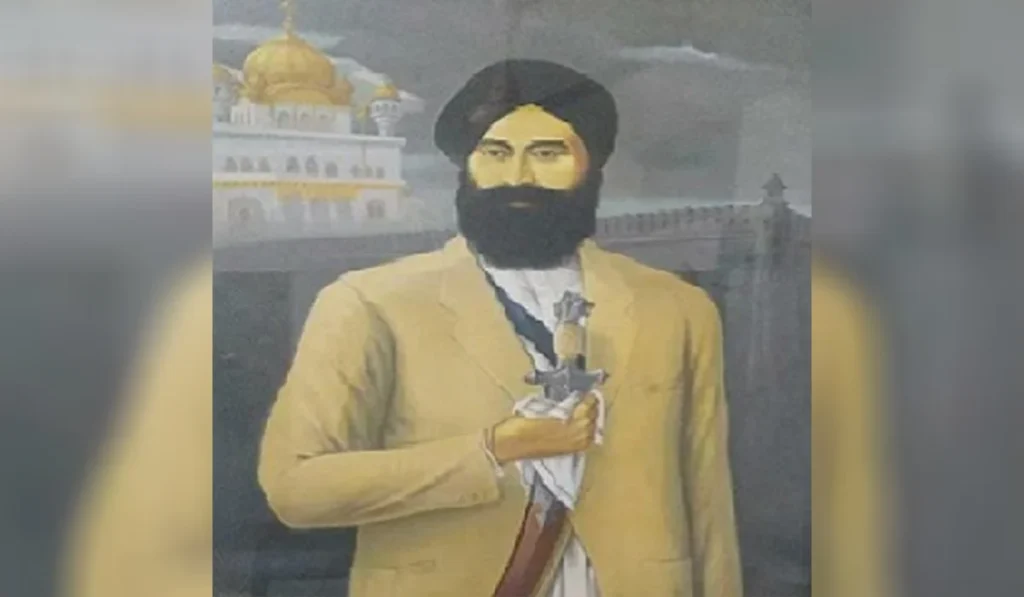
At that time, the Sikh community did not have a strong media platform through which it could raise its voice.
When discussions began about launching a daily newspaper to spread Sikh teachings and promote political awareness among the community, Sardar Teja Singh Samundri played a leading role.
With the support of the newly formed political organisation, the Shiromani Akali Dal, he helped launch the daily newspaper Akali Patrika, which was initially known simply as Akali.
To ensure that the newspaper could continue its publication, he made a generous financial contribution from his own resources. This gave significant strength to Panthic communication and public awareness.
Sardar Teja Singh Samundri was not only an able administrator, but also a fearless leader on the front lines. He took part in every major campaign of the Gurdwara Reform Movement and willingly courted arrest.
According to historical accounts, when the British administration demolished a wall of Gurdwara Rakab Ganj Sahib during the construction of New Delhi, widespread anger spread among the Sikh community.
Teja Singh Samundri took a leading role in this agitation. When groups of volunteers prepared to offer martyrdom, he was the first to volunteer to lead a large group of one hundred Sikhs. The British administration was ultimately forced to bow before this firm resolve.
Later, when the British authorities took possession of the keys to the Toshakhana, or treasury, of Sri Darbar Sahib in Amritsar, the famous Keys Morcha began. Teja Singh Samundri was arrested during this agitation and sent to prison.
The Sikhs eventually emerged victorious. Mahatma Gandhi described this success as the first victory in India’s struggle for freedom.
The Jaito Morcha was launched in protest against the British removal of Maharaja Ripudaman Singh of Nabha from his throne.
During this struggle, the British administration declared both the Shiromani Gurdwara Parbandhak Committee and the Shiromani Akali Dal unlawful organisations.
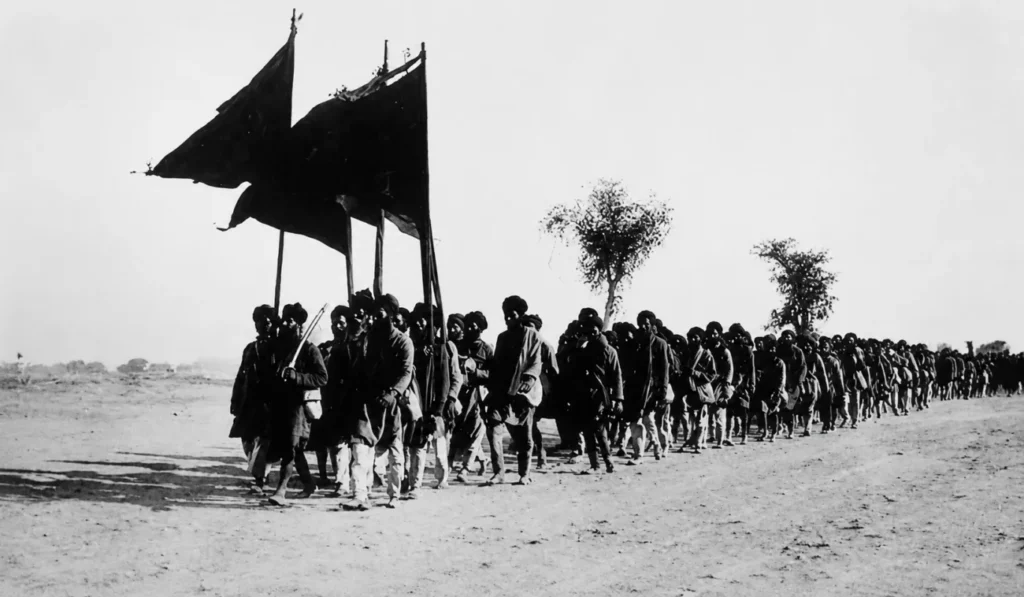
On 13 October 1923, Teja Singh Samundri was arrested along with other prominent Akali leaders and imprisoned in Lahore Fort.
In 1925, after being repeatedly challenged by the continuing Akali agitations, the British government passed the Sikh Gurdwaras Act.
Under this law, certain conditions were imposed for the release of Sikh leaders who were still in prison.
At this stage, the Sikh leadership became divided into two groups.
The moderate group was willing to accept the Act, agree to the government’s conditions, and secure release from prison.
The other group, described as the radical or principled group, believed that accepting the British government’s conditions would be against the dignity and self-respect of the community.
They also argued that the Act would allow governments to continue interfering in the management of gurdwaras, whereas the administration of Sikh religious institutions should remain completely independent.
Teja Singh Samundri stated:
“Governments do not interfere in the religious affairs of other faiths. The management of Sikh shrines should also remain in the hands of fully independent administrators and should not be subject to government conditions.”
Teja Singh Samundri was one of the leading figures of this principled group.
He made it clear that he would not accept release under any condition that weakened the independent identity of the Panth.
As a result, he chose to remain in prison.
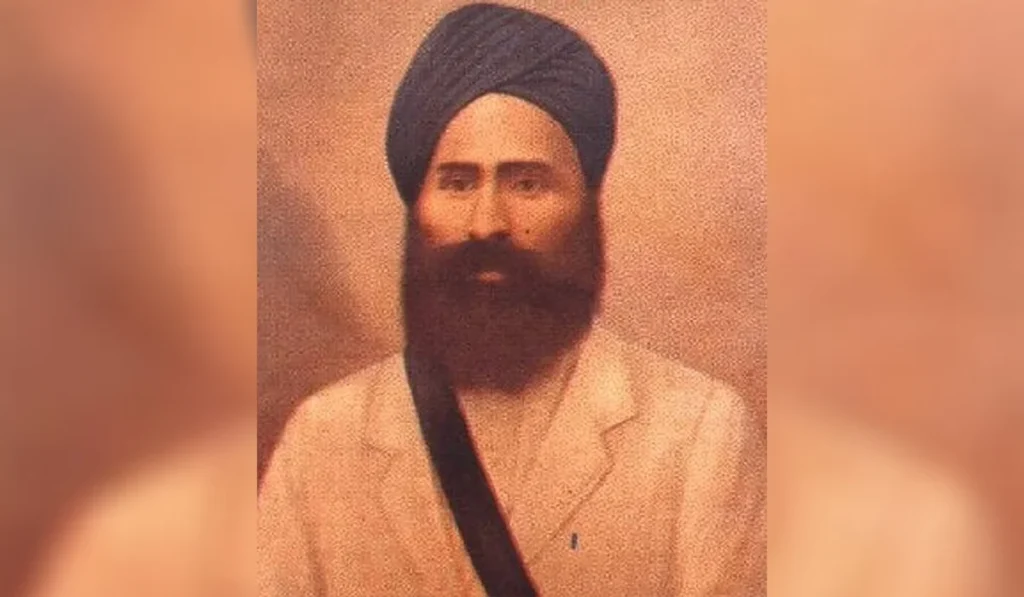
After nearly three years of imprisonment in the cramped, damp, and inhuman conditions of Lahore Central Jail and Lahore Fort, Sardar Teja Singh Samundri’s health deteriorated severely.
Despite the harsh behaviour of the prison administration and the physical suffering he endured, his spiritual strength remained unshaken.
Finally, on 17 July 1926, at the young age of only forty-four, he suffered a heart attack inside the prison.
He left this mortal world and returned to the feet of the Guru.
His martyrdom deeply shook the entire Sikh community, and he became immortal in history as one of the greatest martyrs of the Akali Movement.
Sardar Teja Singh Samundri’s selfless service, simplicity, steadfast faith, and sacrifice are remembered with deep respect across the Sikh world even today.
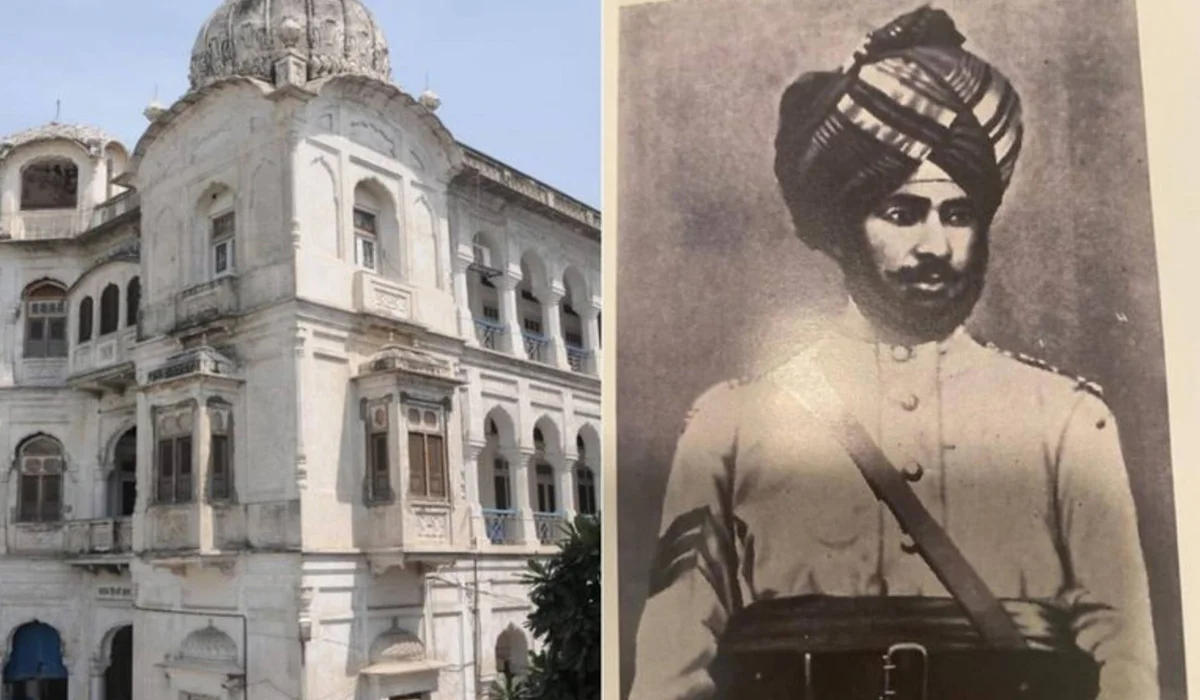
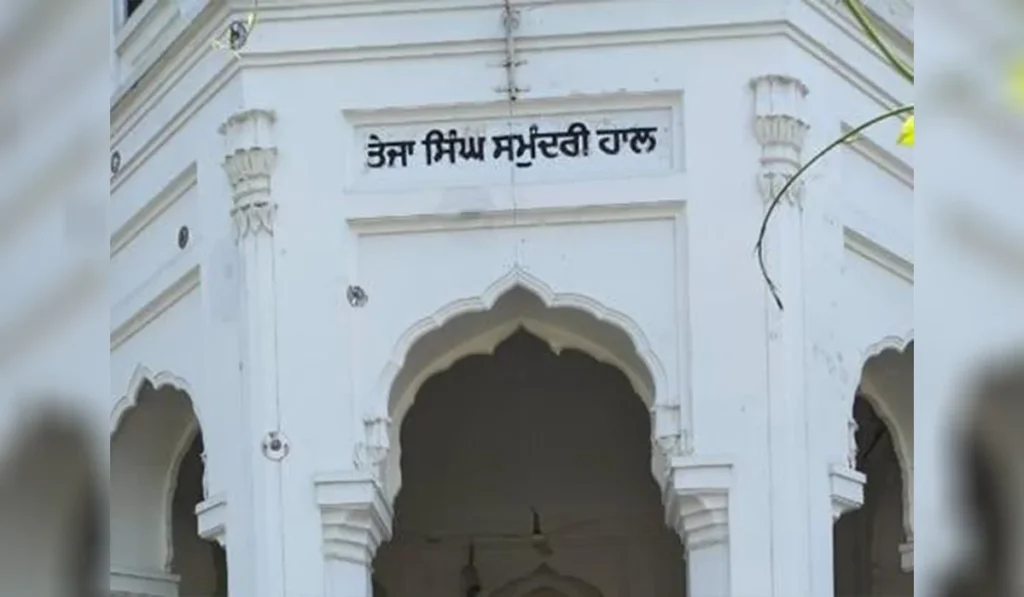
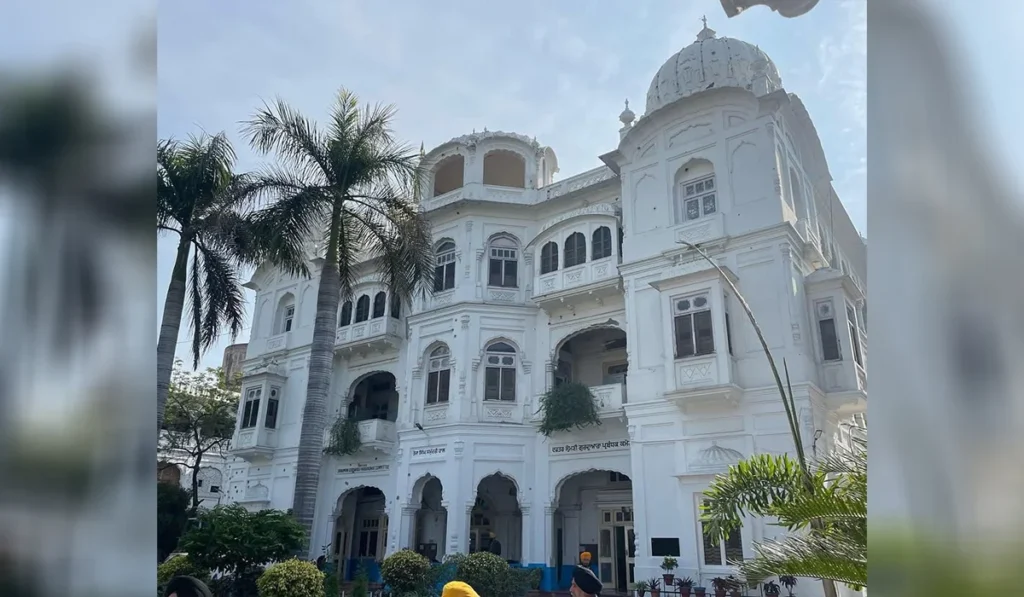
In his honour, the main office building of the Shiromani Gurdwara Parbandhak Committee, or SGPC, in Sri Amritsar has been named Teja Singh Samundri Hall.
Even today, this hall remains a witness to the most important decisions and general sessions of the Sikh Panth.
The values of Teja Singh Samundri were also clearly reflected in his children.
In 1969, on the occasion of the 500th birth anniversary of Sri Guru Nanak Dev Ji, Guru Nanak Dev University was established in Amritsar. His worthy son, Sardar Bishan Singh Samundri, had the honour of becoming the first Vice-Chancellor of this prestigious university.
Like his father, he also made a significant contribution to the field of education.
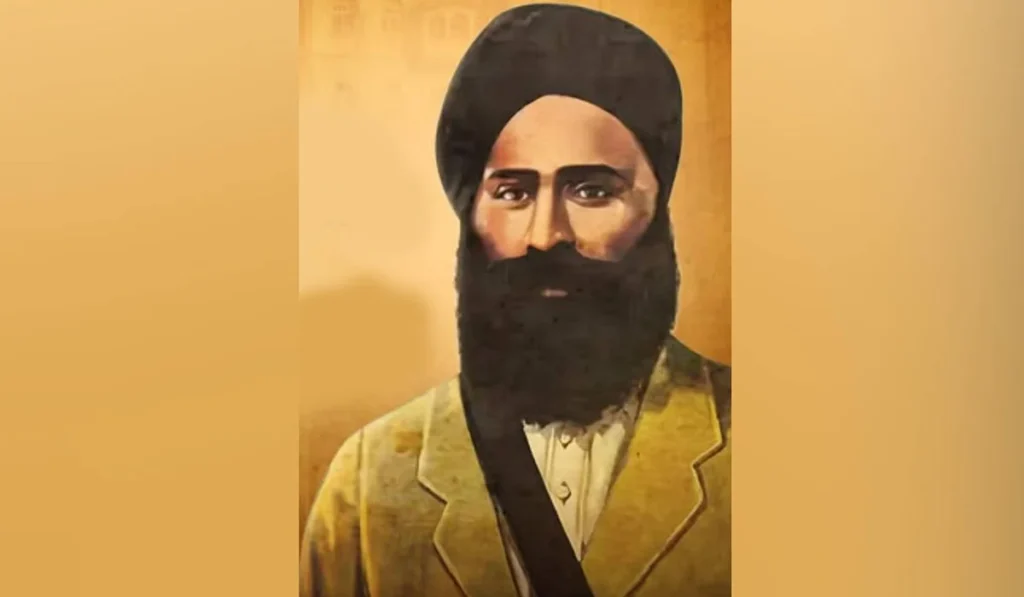
Today, as we observe the centenary of Sardar Teja Singh Samundri’s passing and martyrdom in 2026, we need to draw profound inspiration from his life.
The Sikh community and society today face several challenges, including lack of education, the spread of drug addiction, and internal conflicts within institutions.
The solution lies in adopting the same selfless, principled, and service-oriented approach that Sardar Teja Singh followed throughout his life.
He taught us that just as he established schools during his lifetime, we too must ensure quality education for future generations.
Religious and moral principles must never be sacrificed for political gain.
Rising above personal differences and working for the progress and well-being of the community is the true duty of a Sikh.


Leave a Comment