


Punjab’s agriculture is currently going through a phase of change. On one hand, the area of cultivable land is continuously shrinking due to family division, urbanization, and other reasons, while on the other hand, the increase in the costs of seeds, fertilizers, pesticides, diesel, labor, and irrigation has made traditional farming more challenging for farmers. Long-term dependence on traditional crops like wheat and paddy has not only limited the income sources of farmers but has also increased the pressure on soil, water, and the environment.
Under such circumstances, it has become the need of the hour to integrate allied occupations with agriculture. Among these, fish farming is a model through which a farmer can create multiple sources of income by maximizing the use of limited resources. The basic idea of the integrated farming system is to combine occupations like agriculture, animal husbandry, fish farming, and duck or poultry farming with each other. The waste generated from one occupation can be used as fertilizer or feed for another occupation, thereby reducing the production cost. In this way, along with increasing the farmer’s income, the problem of waste is also reduced.
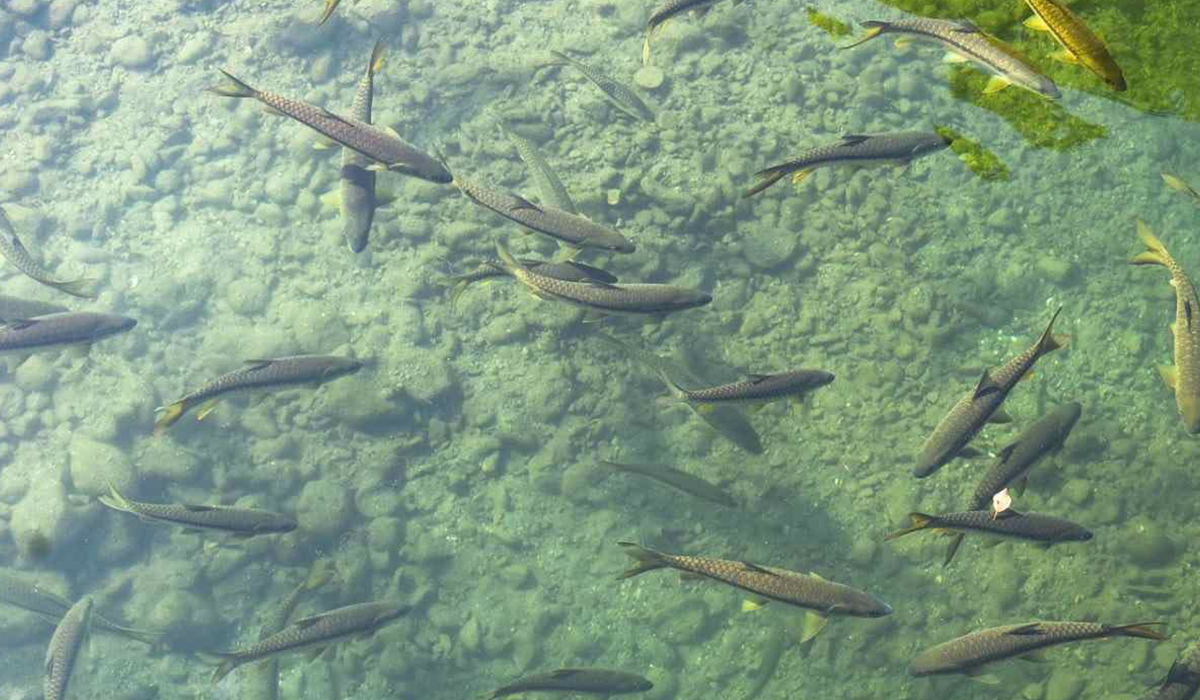
‘Carp species’ fishes are the most popular for fish farming in Punjab
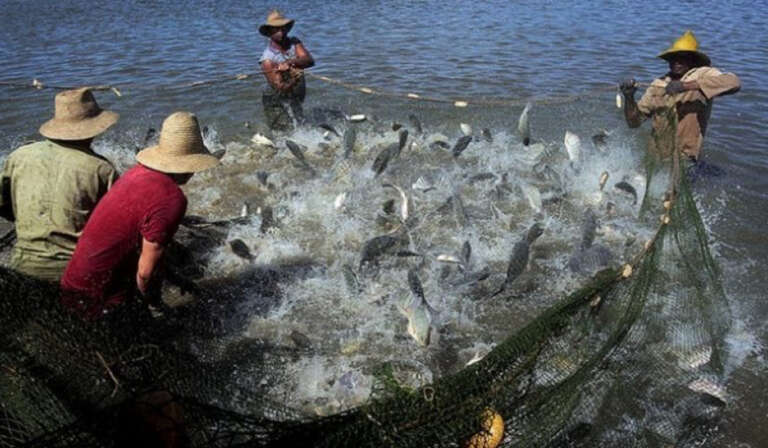
The main objective of integrated fish farming is the reuse of resources, reduction in cost, and increased production. For example, animal dung, duck droppings, and other organic matter can help in the development of natural food, especially plankton, in the pond. This can somewhat reduce the need for external feed for the fish. Another major benefit of this system is that the farmer does not remain dependent on just one crop or a single product. If the price of a crop is low, the income from fish, milk, eggs, or other products can provide support to the farmer.
Keeping in mind the climate and pond management of Punjab, the rearing of carp species is done on a large scale. The specialty of these fishes is that they feed from different levels of the pond. Due to this, the resources of a single pond can be utilized more efficiently. Among the major Indian carps, Catla, Rohu, and Mrigal are prominent. Catla generally feeds in the upper layer of the water, Rohu in the middle layer, and Mrigal feeds at the bottom.
In addition to this, exotic carp fishes like Silver Carp, Grass Carp, and Common Carp can also be reared under suitable conditions. Grass Carp mainly eats aquatic plants and green fodder, whereas Silver Carp consumes the plankton present in the water. The stocking density of fish seeds released into the pond should be determined according to the pond’s capacity, water quality, management, and rearing system. For this, farmers should seek the advice of the fisheries department or agricultural experts.
Where there is an agricultural economic crisis, build a pond!
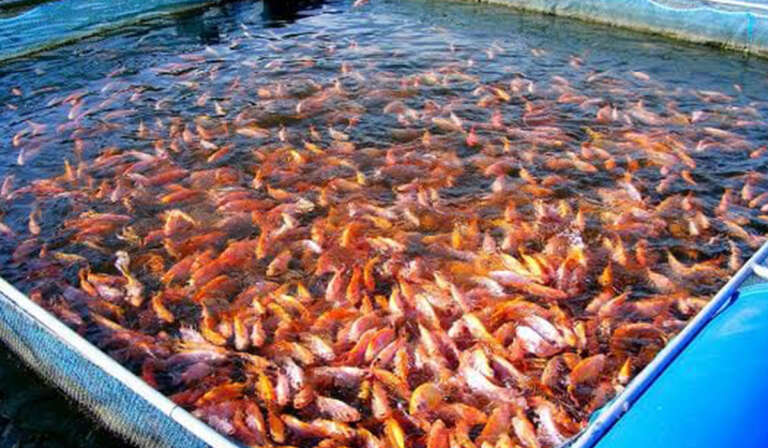
The selection of the pond is the most important stage in the success of integrated fish farming. For this, land can be selected where the yield from traditional farming is low or where cultivating crops is no longer economically viable. Before constructing a pond, it is necessary to test the soil type and its water-retention capacity. Clayey soil is generally considered good for holding water. A clean and reliable water source is also essential for the pond. The water quality, pH, salinity, and other required parameters should be tested by experts. The size of the pond should be kept according to the available area of the farmer, the water source, and the investment capacity. It would be beneficial to conduct a detailed project and cost-benefit study before starting fish farming on a commercial scale.
Combination of animal husbandry with fish farming
Fish farming can be combined with rearing cows, buffaloes, pigs, poultry, or ducks. In this system, the animal shed can be built near the pond so that the organic waste obtained from the animals can be used in a scientific manner. Dung and other organic matter can help in the development of natural food in the pond. However, it is not right to dump waste indiscriminately into the pond. This can deteriorate the water quality, and a decrease in the amount of dissolved oxygen can pose a threat to the fish. Therefore, the quantity and use of organic matter should only be done according to the advice of experts.
Fish-duck farming, a dual-income model
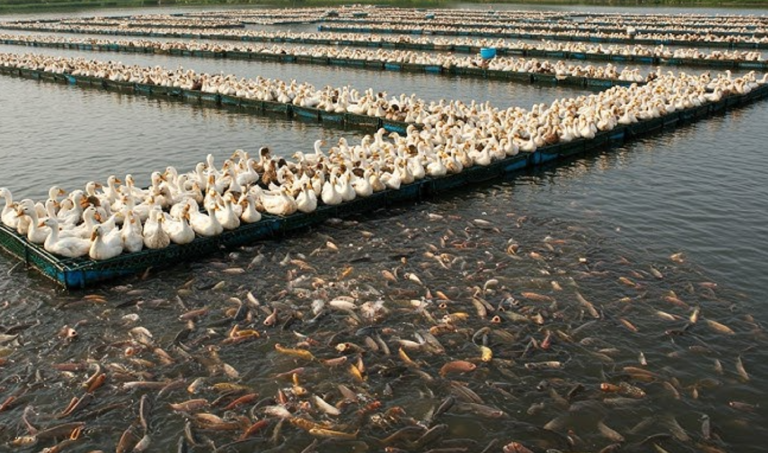
The combination of fish and duck farming is considered an effective model of the integrated farming system. Ducks utilize the pond water and some natural resources present around it, while their droppings, as organic matter, can contribute to the productivity of the pond. Breeds like Khaki Campbell and Indian Runner are used for eggs. The number of ducks should be determined according to the size of the pond and management capacity.
It is essential to build a safe shed for the ducks on the banks of the pond. The shed should have arrangements for clean drinking water, feed containers, ventilation, and nighttime security. Locally available feed ingredients, grain by-products, green fodder, and other balanced materials can be used. It is necessary to prepare a balanced diet according to the nutritional needs of the ducks.
Benefits of fish-duck farming
The biggest benefit of this model is that the farmer gets two types of income from a single source. Along with the sale of fish, income can also be generated from duck eggs and meat. The movement of the ducks keeps the water in the pond agitated, and their droppings can contribute to increasing the organic productivity of the pond. In addition, ducks can help keep the pond environment balanced by eating certain insects, snails, and aquatic organisms. But it must be remembered that an excess number of ducks can increase the amount of organic matter in the pond. Therefore, regular monitoring of water quality and dissolved oxygen is very important.
Integrated fish farming, a good source of income
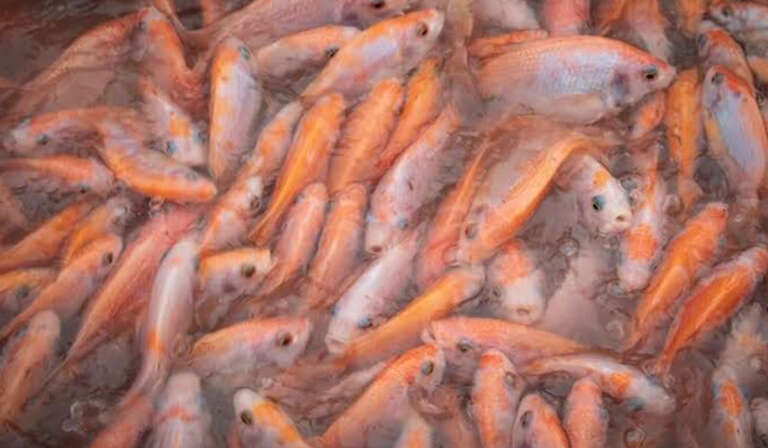
The size of the fish seeds holds special importance in fish-duck farming. Very small fish seeds can easily become prey for ducks in the pond. Therefore, when starting an integrated system, only healthy and certified fish seeds of an appropriate size should be released into the pond. Installing a security fence around the pond can prevent ducks from entering nearby fields. Additionally, ducks can be protected from dogs, foxes, and other predatory animals.
Although integrated fish farming can be a good source of income, starting it without planning and training can be risky. It is necessary to have knowledge of aspects like pond preparation, water quality, selection of fish seeds, feed, duck health, disease prevention, and the amount of oxygen in the water. Farmers should start this business only after taking technical advice from the fisheries department, agricultural universities, Krishi Vigyan Kendras, and other certified training institutes. Information about government schemes, training, and available financial assistance should also be obtained.
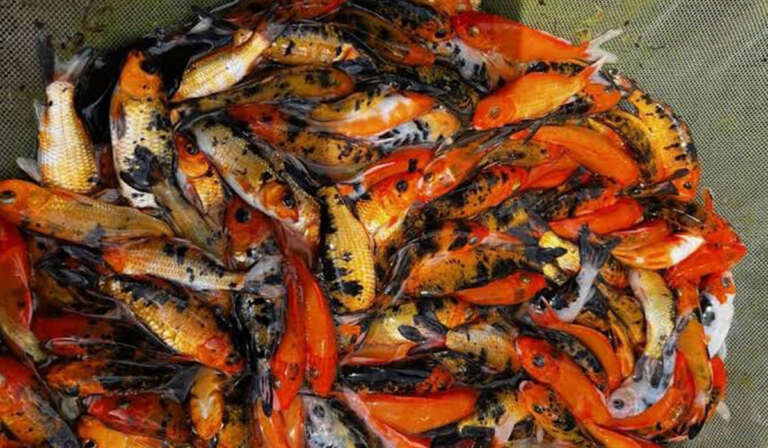
It is worth mentioning that, in view of the shrinking agricultural area, rising costs, and declining profits from traditional farming in Punjab, integrated fish farming can open new avenues of income for farmers. Especially through the combination of fish-duck, fish-livestock, and fish-agriculture, multiple products can be obtained from the same land and resources.
The objective of this system is not just to produce fish, but to reduce costs and create multiple sources of income by fully utilizing every agricultural resource. If farmers adopt integrated fish farming with scientific advice, planned investment, and regular management, it can provide a new direction to sustainable agriculture and crop diversification in Punjab, along with their economic strengthening.



Leave a Comment