


The Face of Punjab’s Kandi and Border Areas Is Set to Change!
Punjab has a distinct identity across the country not only for agriculture and industry, but also because of its unique geographical, historical and natural heritage. The state’s Kandi region, situated in the foothills of the Shivalik hills, and the districts adjoining the international border further enhance Punjab’s strategic and economic importance. These regions have natural beauty, forests, hilly areas, rivers, dams, lakes and numerous historical and religious sites.
Despite this, the Kandi and border areas have long faced several challenges in terms of development. Due to geographical difficulties, shortage of water, limitations in transportation, limited employment opportunities and lack of infrastructure, people living in these areas have had to face many difficulties. Now, discussions are emerging around working on a comprehensive strategy to turn the problems of these regions into opportunities and connect them with the mainstream of development.
At an important meeting of the ‘Border and Kandi Area Development Board’, discussions were held regarding the overall development of these regions. During the meeting, emphasis was placed on developing the Kandi region as a major tourism hub and further strengthening infrastructure in the border areas. The objective of this approach is not merely to construct roads or buildings, but also to create sustainable employment opportunities for people by increasing economic activity in these regions.
Kandi Region Can Become a New Tourism Hub
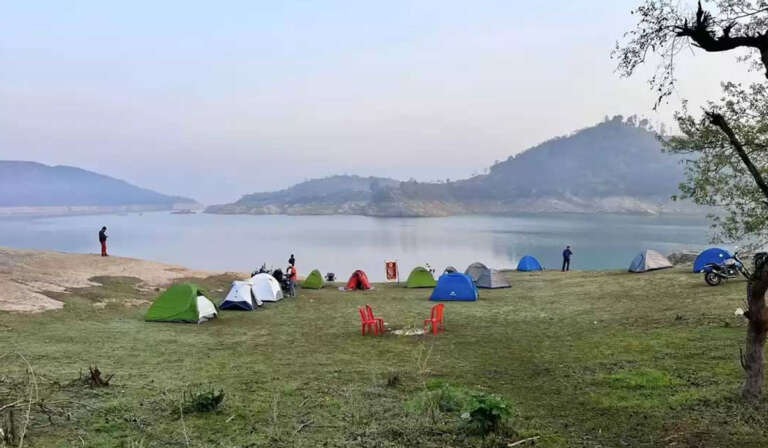
Because of its natural beauty, the Kandi region is one of the areas of Punjab with the greatest potential. Areas along the Shivalik belt, including Pathankot, Hoshiarpur and Rupnagar, have green forests, hillocks, dams, water resources and peaceful surroundings that have a great capacity to attract tourists
If these natural resources are utilised in a planned manner, the Kandi region can create a new identity for itself on Punjab’s tourism map. Eco-tourism, adventure tourism, nature walks, trekking, camping and other nature-based activities can be promoted in this region.
It was highlighted during the meeting that the Kandi region has immense potential to emerge as one of the country’s finest tourism centres. If this potential is linked with proper planning, better infrastructure and investment, tourists not only from Punjab but also from across the country and abroad can be attracted to the region.
Better Utilisation of Dams and Water Resources
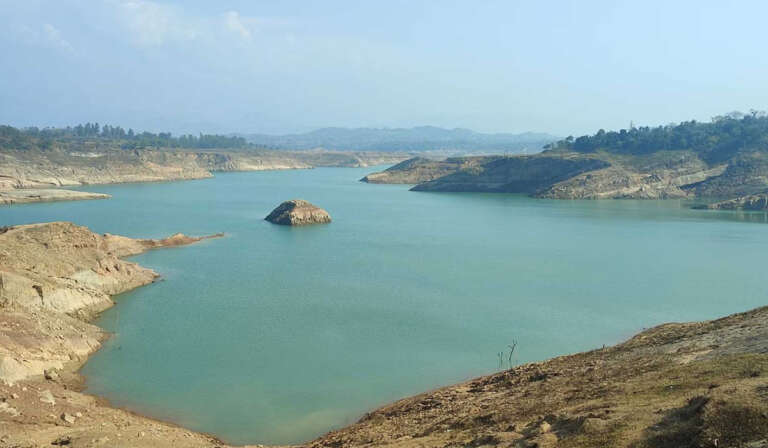
However, natural beauty alone is not enough to turn a region into a tourism centre. It is also necessary to provide tourists with safe and comfortable travel facilities. Under this, roads will need to be improved, and parking, hotels and resorts for accommodation, rest houses, clean toilets, food facilities and security arrangements will have to be developed.
The dams, lakes and other water resources present in the Kandi region hold major tourism potential. By developing these places in an environmentally friendly manner, adventure and water-based tourism can be promoted alongside family tourism. At the same time, it will also be essential to ensure that no damage is caused to the environment in the name of development. The natural identity of the Kandi region is its greatest asset. Therefore, development here should take place in accordance with the idea of ‘green development’, so that natural resources remain protected for future generations as well.
Development in Border Areas Will Increase Employment Opportunities
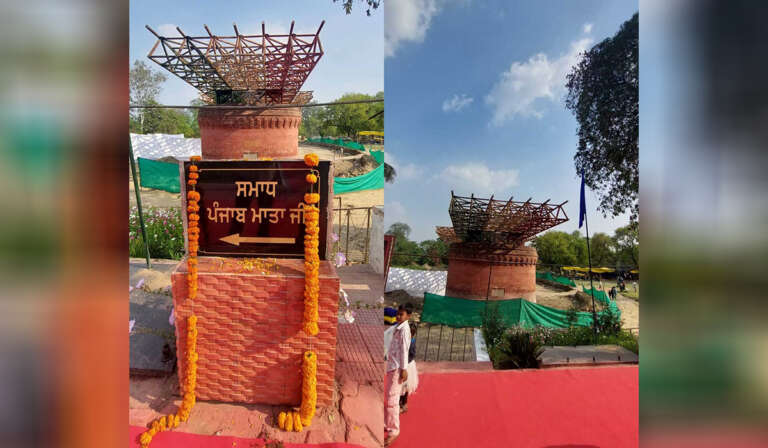
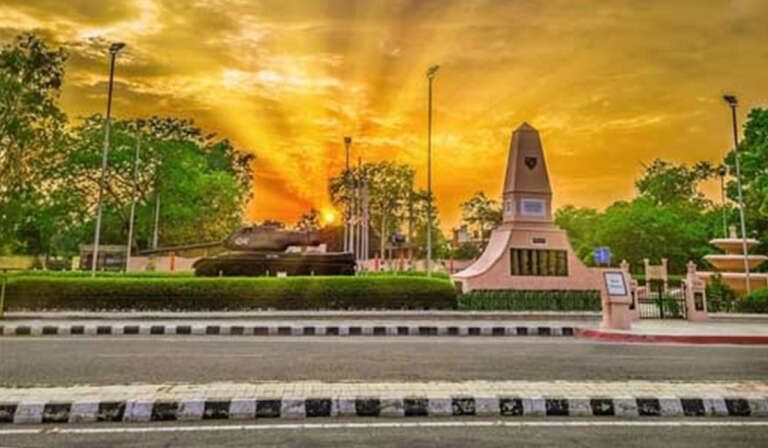
Punjab’s border districts—Ferozepur, Fazilka, Amritsar, Tarn Taran, Gurdaspur and Pathankot—are extremely important from the point of view of national security. Residents of these regions have always made an important contribution to the unity and integrity of the country. The lives of people living along the border are connected with challenges different from those faced in other areas. Therefore, the development of border regions is not merely an economic issue, but is also linked to national importance.
When facilities related to roads, healthcare, education, electricity, water, digital connectivity and employment increase in these regions, the standard of living of the people will also improve. Chief Minister Bhagwant Mann has also repeatedly expressed the government’s commitment to the development of border areas while referring to the sacrifices made by their people and their loyalty towards the country.
This land is blessed by the great Gurus and is home to brave, hardworking and courageous people. According to him, these regions have made great sacrifices for the country, and therefore their people should receive better facilities and the benefits of development. The overall development of border areas needs to be linked with the government’s priorities.
Roads and Connectivity Are the Backbone of Development
Better connectivity is the first requirement for bringing any backward region into the mainstream of development. Link roads and other infrastructure projects can prove important in connecting remote villages of the Kandi region with major cities, towns and national highways. Better roads will not only increase the arrival of tourists, but will also make it easier for farmers to take their produce to markets, for young people to reach places of employment and for students to access educational institutions. Similarly, strengthening digital connectivity is also the need of the hour. In today’s times, the internet is not merely a means of communication, but has become an important medium for access to education, employment, business and government services.
Local Economy Will Receive a Boost
The development of Kandi and border areas should not remain limited only to government grants or schemes. For the long term, there is a need to create an economic model in which local people themselves become part of the development process. Small and medium industries can be established in the Kandi region for processing fruits, herbs, honey, dairy products and other local produce. This can help farmers receive better prices for their produce and create employment opportunities for young people at the local level. Organic farming and natural farming can also be developed as a special identity of this region. If local agricultural products are linked with branding and marketing, they can also reach markets outside Punjab and abroad.
Creating employment for young people in the Kandi and border areas will be an important measure of the success of any development plan. The development of tourism can generate numerous opportunities connected with hotels, restaurants, transport, tour guides, travel services, photography, handicrafts and the sale of local products. Local youth can be given specialised training in tourist guiding, hospitality, adventure sports and other services. This will provide young people with employment in their own areas and can also reduce migration from villages to cities or other states.
Need to Encourage Private Investment / Environmental Protection Is Also Necessary Along with Development
For large-scale development in these regions, the role of the private sector, along with the government, will also be important. Investors can be encouraged to establish environmentally friendly resorts, small hotels, homestays, adventure tourism centres and sales centres for local products. The homestay model can prove especially beneficial for villages. If tourists stay with local families, they will get an experience of Punjabi rural life, local food, culture and traditions, while the income of local families will also increase.
The biggest challenge while developing the Kandi region will be environmental protection. If construction takes place without proper planning, it could have an adverse impact on forests, water resources and biodiversity. Therefore, environmental protection will have to be given priority in every project. Instead of excessive commercialisation of natural resources in the name of tourism, it is necessary to adopt a policy of ‘sustainable tourism’. This can help maintain a balance between development and the environment.
New Centres of Punjab’s Economy
The development of the Kandi and border regions is directly linked with Punjab’s overall progress. If opportunities relating to roads, education, healthcare, industry, agriculture, tourism and employment are developed together in these regions, they can become new centres of Punjab’s economy in the coming years. Linking the natural beauty of the Kandi region with tourism, agriculture with processing industries, young people with skill development, and border villages with strong infrastructure is the need of the hour.
If plans are implemented transparently and local people are made participants in the development process, the face of the Kandi and border regions can change. This development can create new economic opportunities not only for people living in these regions, but for the whole of Punjab. In the real sense, the next phase of Punjab’s development will be one in which areas that have so far remained behind are brought into the mainstream of development. The new thinking on development in the Kandi and border regions can prove to be an important step in this direction.


Leave a Comment