
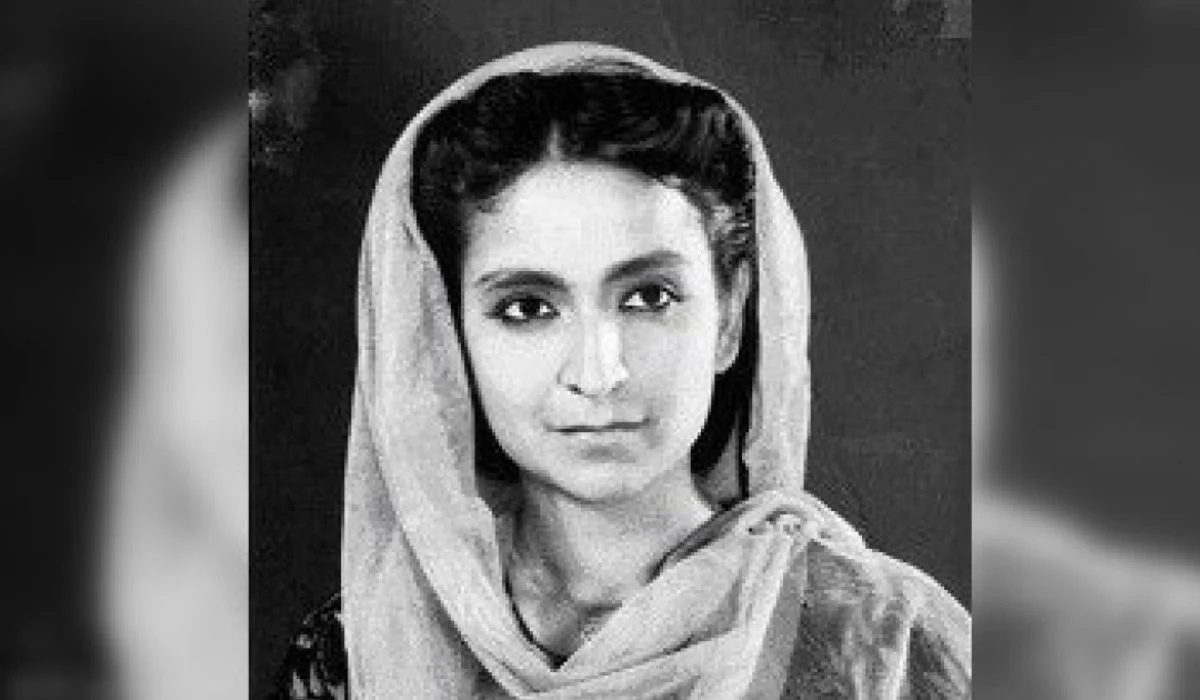

Amrita Pritam, the first major female voice in Punjabi poetry, was born on 31 August 1919 in Gujranwala, Punjab, British India. Her being was like a flowing river—at times calm, at times stormy, but always moving toward the ocean of truth. She was the only child of schoolteacher Raj Bibi and poet-scholar Kartar Singh Hitkari. From childhood itself, words became her companions and pain became her inspiration. When her mother passed away, Amrita was only eleven years old. The silence of separation surrounded her heart, and then she wove her sorrows into poetry. She began writing at a very young age; her pen trembled with the weight of sadness and hope. In the streets of Lahore, she found her voice, and soon the world embraced her words.
Amrita’s poetry was simple, yet it reached the darkest corners of the heart. She wrote of love, grief, and longing. Her journey from a timid girl to a revolutionary poet was not an easy one, but courage remained her steadfast companion. She joined the Progressive Writers’ Movement, and her pen became a weapon against injustice.
“Ajj main apne ghar di talaash vich haan,
jitthe meriyan yaadan vasdiyan ne,
mera pata koi pucche,
taan keh dena, hava di lehar vich.”
Untold Stories: The Tales Behind the Poet’s Smile
Ballads of Courage, Whispers of Pain
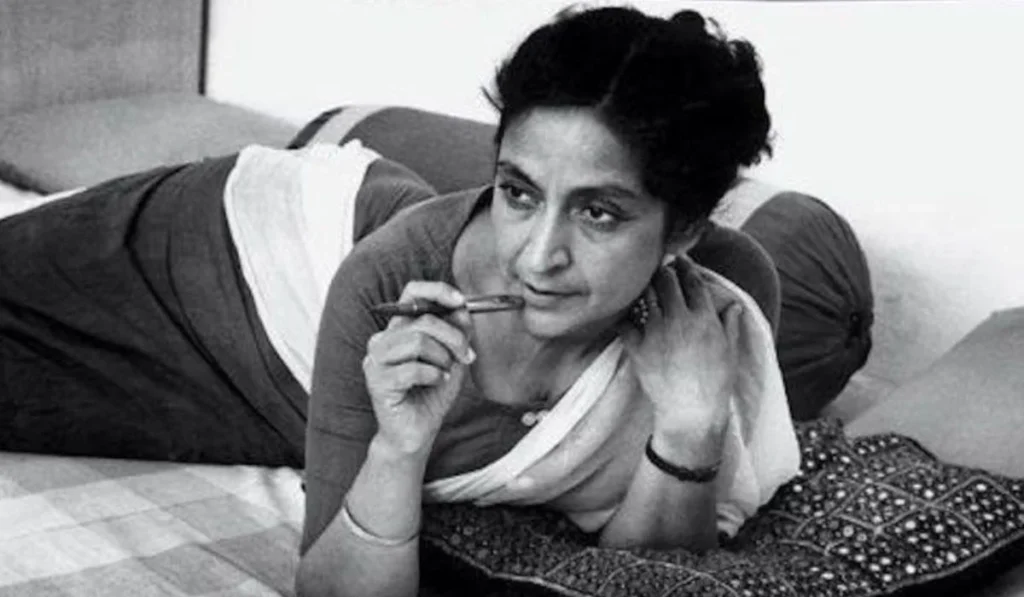
Behind Amrita Pritam’s beautiful face were stories the public may hardly have heard. She worked at Lahore Radio Station, where her voice carried a wave of hope into every home. When Partition broke the country and its hearts, she had to leave her beloved Lahore and come to India. She gathered the pain of leaving behind her roots, her city, and her memories into her poetry. She became the voice of those millions who had lost everything in the chaos of Partition.
One lesser-known truth is that she would sit in solitude for hours, searching for answers in the sky. She was not merely a poet; she was a balm for broken souls. She helped many refugees and shared her food, her home, and her words with others.
“Ik si Anita,
usdi akhan vich dukh di parchhaai si,
zindagi di raah vich,
usne apne supne gawaaye si.”
The Tale of Love: Sahir, Imroz, and Amrita
An Unfinished Story, An Immortal Love Story
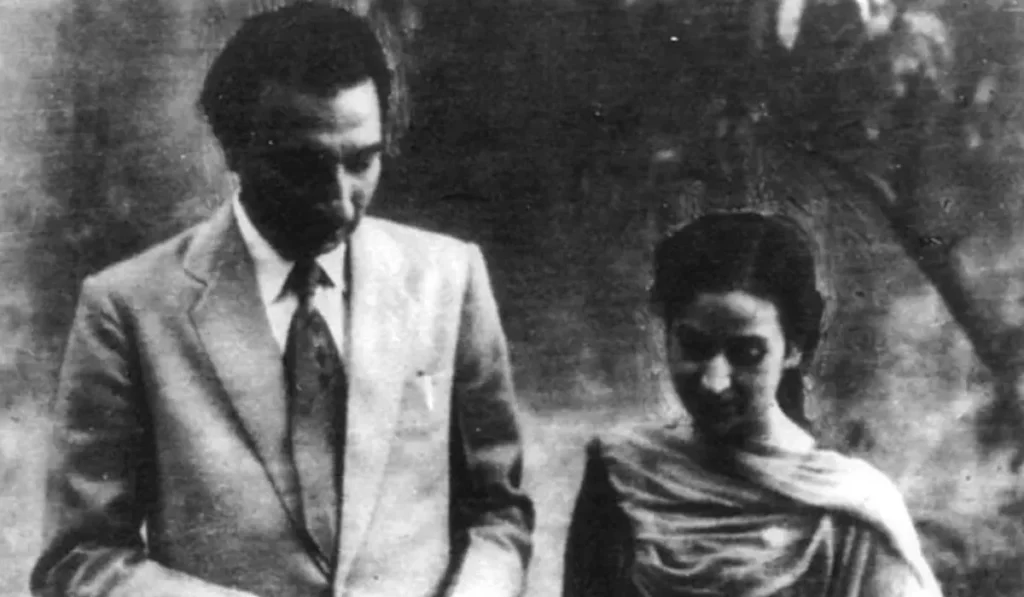
Amrita Pritam’s love was as musical as her poems—filled with longing, silences, and unspoken words. She married Pritam Singh in 1935, but their relationship was like a poem without rhythm—beautiful, but incomplete. Someone else lived in her heart: the great poet Sahir Ludhianvi. Their love was never fulfilled, yet it lived on in stolen glances and poetry written for one another.
“Mainu vi koi jangli phull dio,
shehar di bheed vich guaach gayi haan,
khushboo naal bhar dio zindagi,
hanjuaan nu muskaraahat vich badal dio.”
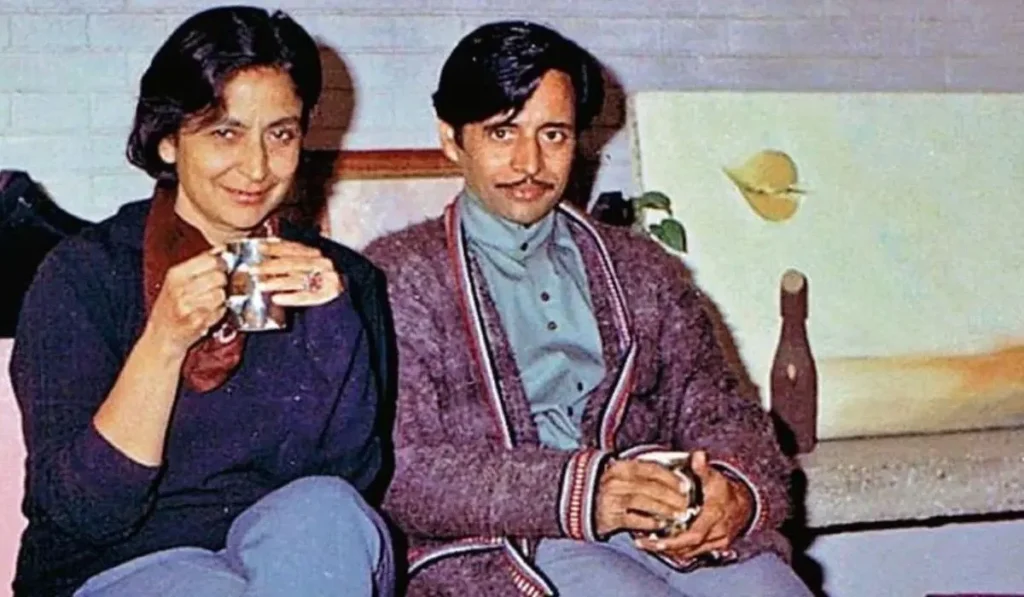
The story of Amrita and Sahir was a story of yearning. She would gather the cigarette butts left behind by Sahir, and Sahir would preserve the cup from which Amrita had drunk tea. When Sahir drifted away, Amrita found the companionship of Imroz—the artist and writer. Imroz loved her without condition and without demand. For forty years, they lived together—not as husband and wife, but as soul-companions. Imroz designed the covers of her books, painted pictures, and filled her life with quiet devotion.
Their love broke every conventional standard, yet it was pure, honest, and everlasting. Amrita’s autobiography, Raseedi Ticket (“Revenue Stamp”), reveals the story of her heart—its wounds and its healing. She showed that love is not about possession, but about presence.
“Raseedi ticket te likhi meri kahani,
zindagi di kitaab vich,
har panne te dard likhia,
par pyaar di mohar laggi.”
Married Life: Between Compromise and Freedom
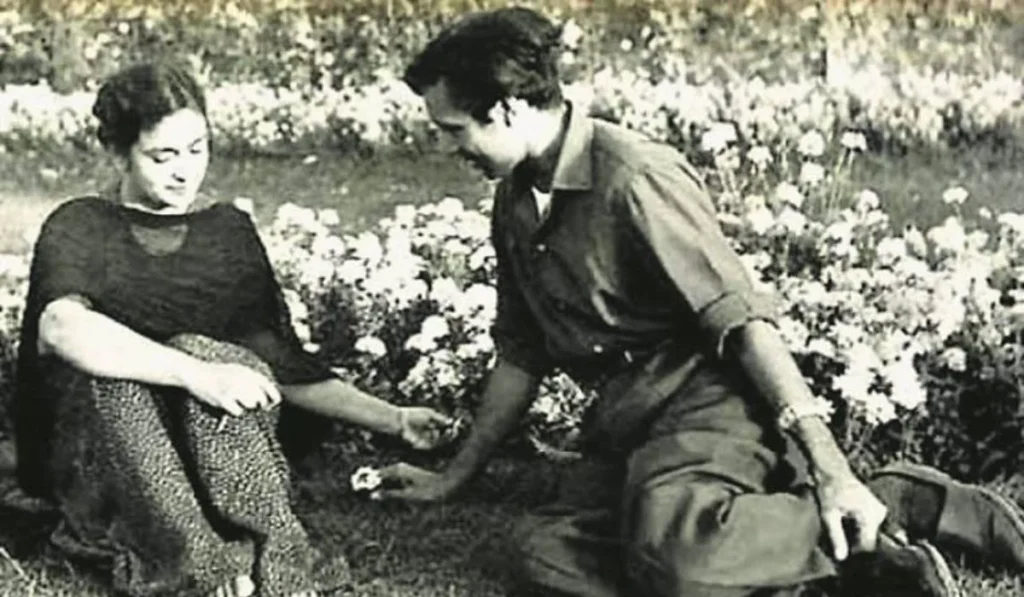
Amrita’s marriage to Pritam Singh was a family arrangement, not a union of souls. They had two children, a son and a daughter, but the relationship never deepened. Amrita felt suffocated, and in 1960 she finally left her husband. In those times, doing so was a very bold act, but Amrita was not afraid of the world. She became an inspiration for other women—that it is better to live alone than to remain trapped in a false relationship.
Amrita’s Nazm: The Song of Her Soul
Amrita Pritam’s nazm—her free-verse poetry—was the song of her soul. Unlike traditional verse, a nazm has no fixed rhyme or meter. It flows like a river, carrying the poet’s thoughts from one shore to another. Amrita’s nazms were simple yet profound. She wrote about love, sorrow, women’s struggles, and the wounds of Partition. Her most famous nazm, “Ajj Aakhaan Waris Shah Nu,” is an invocation to the Punjabi poet Waris Shah, written amidst the horror of Partition. In this poem, she calls upon Waris Shah to witness Punjab’s sorrow, to write again, and to heal the wounds of his homeland.
“Ajj aakhaan Waris Shah nu,
kiton kabraan vichon bol,
te ajj kitaab-e-ishq da,
koi agla varka phol.”
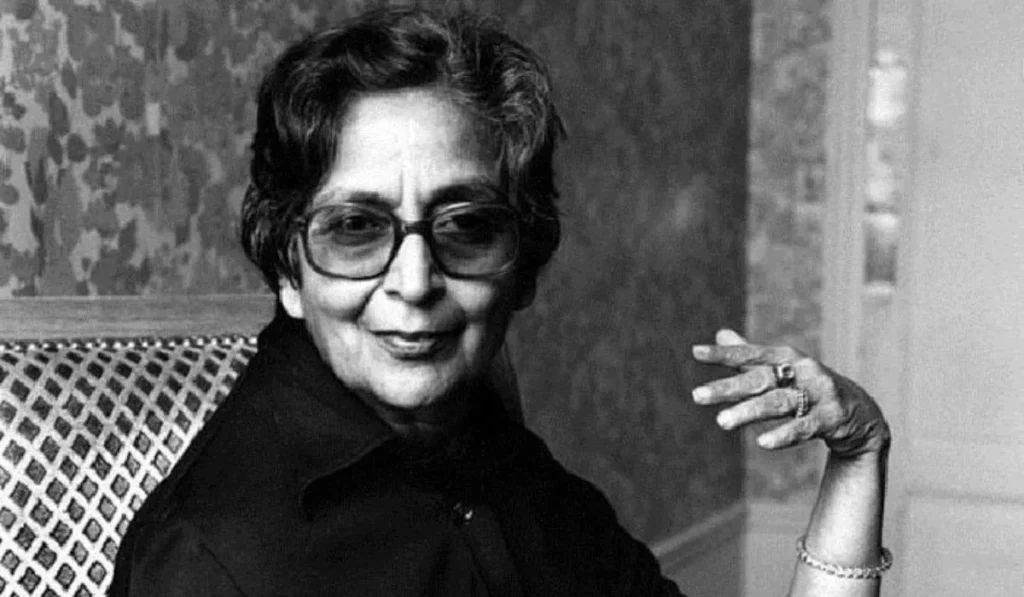
Her nazms were not merely poems; they were pleas for justice, hymns of hope, and prayers for love. She used simple words, yet their meanings ran deep. Each nazm had a beginning, a journey of thought, and a powerful ending. Amrita’s poetry was like a mirror—showing the world its true face, its hidden wounds, and its suppressed dreams.
The Power of Simplicity: Amrita’s Distinctive Style
Words Like Dew, Emotions Like Fire
Amrita Pritam’s writing style was unique. She used simple words, yet her emotions were powerful. Her words were like drops of dew on grass—gentle, innocent, and beautiful. She believed poetry should touch the heart, not merely the mind. Her poetry was easy to understand, but difficult to forget. She wrote about ordinary people, everyday struggles, and the joy of small moments.
“Mann yog tan bhasm bhaaya,
prem agni vich jal gaya,
rooh di talaash vich,
sab kujh kho gaya.”
She never cared for recognition or awards, yet she received many— the Sahitya Akademi Award, the Padma Shri, the Padma Vibhushan, and the Jnanpith Award. For her, true happiness came when someone read her poetry and felt less alone. Her poetry was a bridge between hearts, a light in darkness, a companion in sorrow. Amrita’s simplicity was her strength, and her honesty was her power.
Amrita’s Legacy: An Eternal Flame
A Life That Inspires, A Love That Never Dies
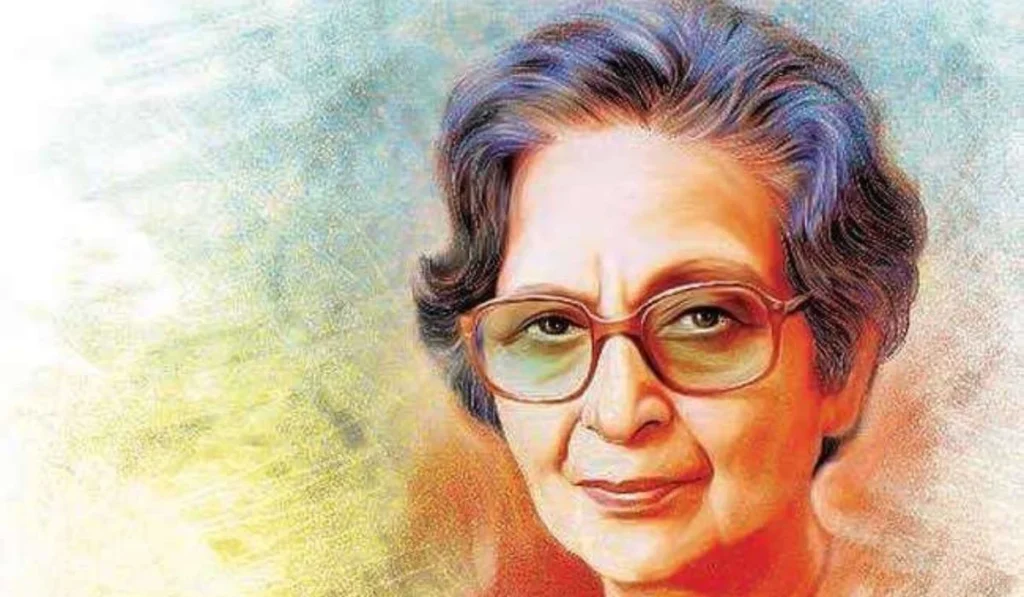
Amrita Pritam passed away on 31 October 2005, yet her words are still alive, burning like an eternal flame in the hearts of her readers. She wrote more than 100 books—poetry, novels, essays, biographies, and collections of folk songs. Her book Pinjar (“The Skeleton”) became a symbol of women’s suffering and courage and was later adapted into an award-winning film. Her Raseedi Ticket remains a monument to her bravery and honesty.
“Main tainu phir milangi,
ik khushboo ban ke hava vich,
jaan shaayad ik kiran ban ke,
tere chehre te chamkaangi.”
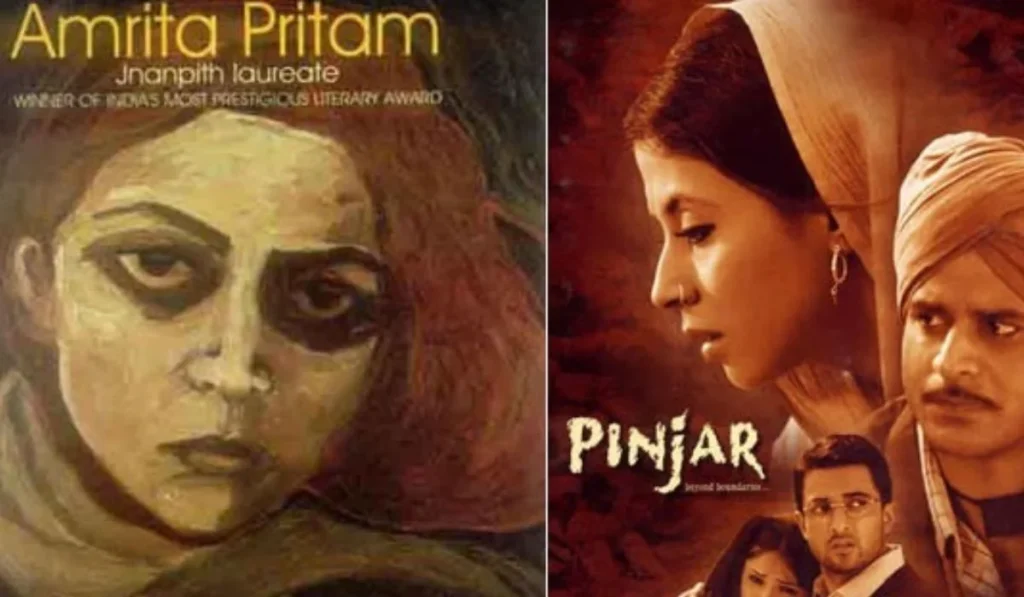
Amrita’s life itself was a poem—unfinished, yet magnificent. She showed the world that love is not about possession but about presence; that sorrow can become poetry, and poetry can heal the world. Her legacy lives not only in her works but in every heart that dares to love, dream, and rebel. She will always be remembered as the queen of hearts, the voice of the voiceless, and the poet of love and sorrow.
Amrita Pritam — A Name Written in the Sky
The Last Word, The First Dream
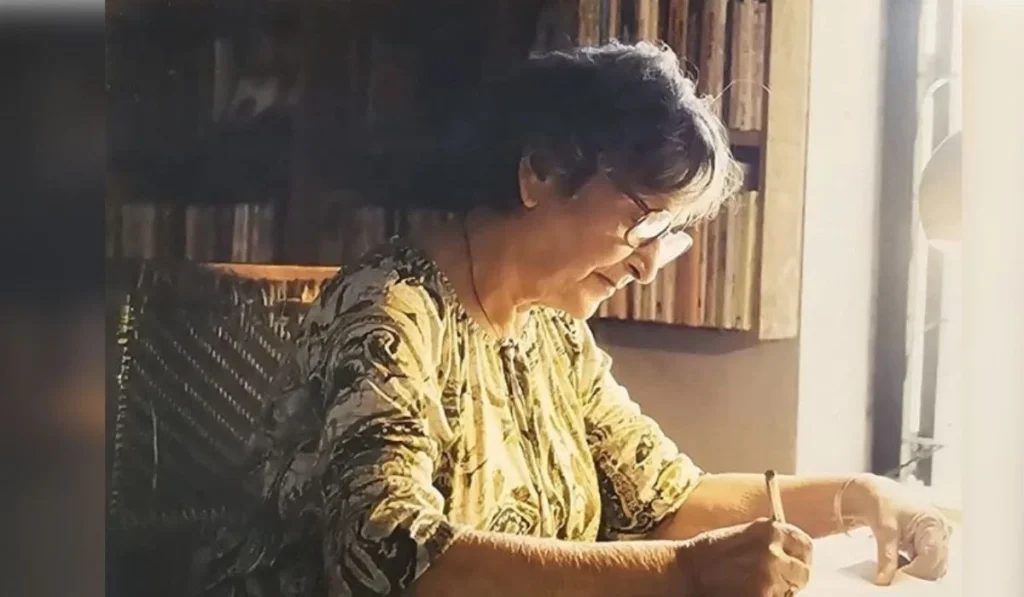
Amrita Pritam’s story is not merely about one poet—it is about every woman who dared to dream, every lover who dared to love, and every soul that dared to rebel. Her life was a nazm—free, fearless, and full of feeling. She broke the chains of tradition and, in doing so, set her own heart free. Her love stories, her unspoken kisses, and her simple yet powerful nazms are treasures for the years to come.
“Shah ki kanjri,
prem di veerani,
tere shehar vich,
akeli si kahani.”
Amrita Pritam is not just a name—she is a feeling, a wave, a legend. Her words will continue to echo forever, like the sound of love in a silent night or the fragrance of hope in the morning breeze.

Leave a Comment