

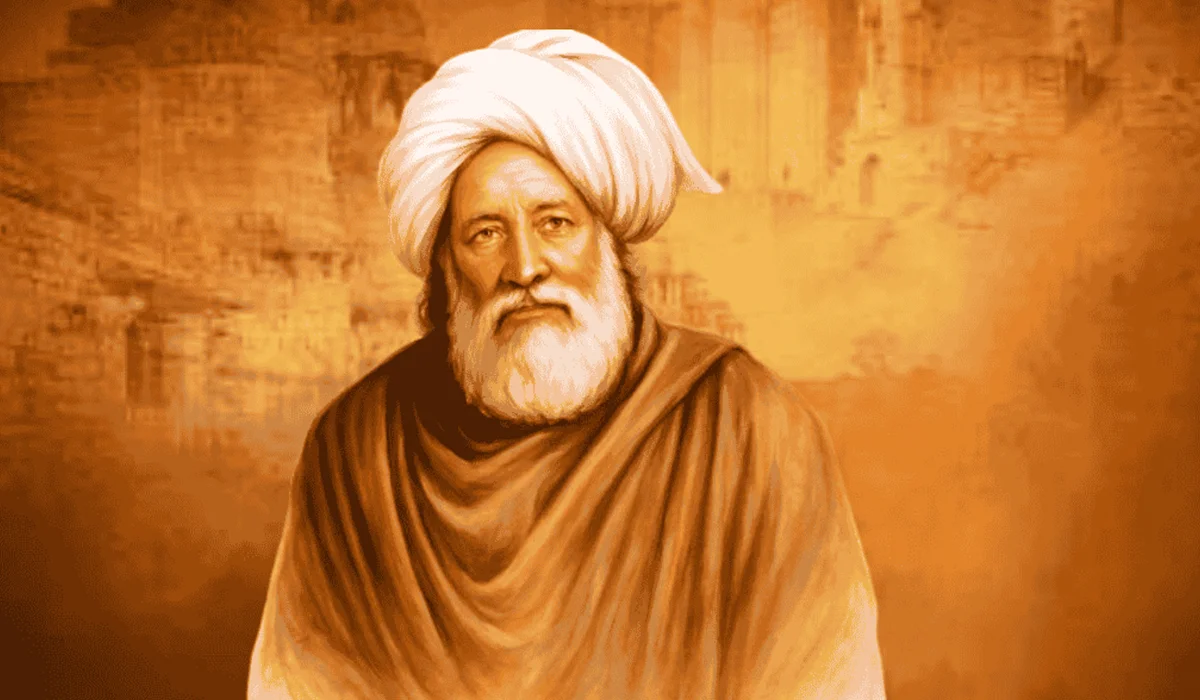

In the world of Urdu and Punjabi literature, there are some names that are not just poets, but become the voice of an entire era. One such name is Bulleh Shah, a Sufi mystic whose poetry carries love, rebellion, and a deep message of humanity.
The Beginning of a Mystic
Bulleh Shah’s real name is believed to have been Syed Abdullah Shah Qadri, though there is no complete agreement on this. He was born around 1680 in Uch, in the Multan region of Punjab, into a religious family. His father, Shah Muhammad Darvesh, was a scholar of Arabic, Persian, and the Quran.
“Na main momin vich maseetaan, na main vich kufar dian reetaan
Na main paakaan vich paleetaan, na main Moosa na Pharaoh
Bulleya ki jaana main kaun”
In childhood, his family moved to several places, first to Malakwal and then to Pandoke village near Kasur. There, Bulleh Shah lived the life of an ordinary child. Sometimes he studied in the mosque, and at other times he grazed cattle in the village. This simplicity later became the defining feature of his poetry.
“Parh parh aalim faazil hoya, kade apne aap nu parhya hi nahi
Ja ja varda ain mandir maseeti, kade mann apne vich vadhya hi nahi”
Education and Spiritual Journey
Bulleh Shah received his early education from his father. Later, he studied in Kasur under the famous scholar Maulana Ghulam Murtaza. But his true spiritual journey began when he reached Lahore and met Shah Inayat Qadri.
Shah Inayat became his murshid, his spiritual guide, and from that point a new revolution entered Bulleh Shah’s thinking. He began raising his voice against caste divisions, religious barriers, and social discrimination.
“Ranjha Ranjha kardi ni main aape Ranjha hoi
Saddo ni mainu Dheedo Ranjha, Heer na aakho koi”
Conflict with Society and a Rebellious Mind
Bulleh Shah was not only a Sufi, but also a rebel. He openly challenged the religious authorities and rigid customs of his time.
“Masjid dha de, mandir dha de, dha de jo kujh denda
Par dil na kise da dhaaveen, Rabb dilaan vich rehnda”
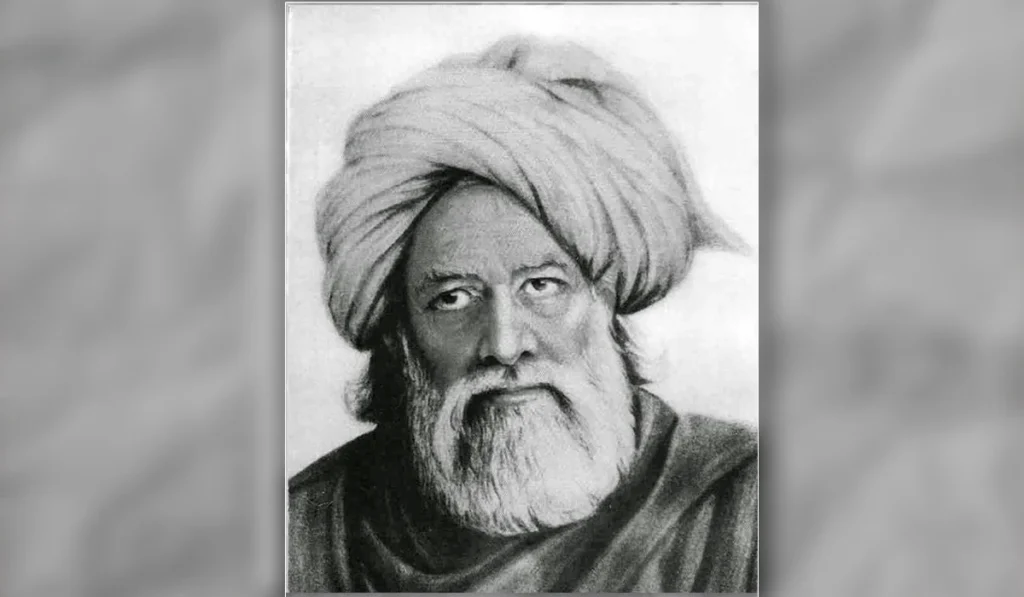
That is, breaking buildings means nothing. What truly matters is not hurting the human heart, because that is where God resides. Because of this fearlessness, he was at times even called a heretic and socially isolated, but he never compromised on his path.
Simple Poetry, Deep Meanings
The greatest strength of Bulleh Shah’s poetry is its simplicity. Instead of choosing difficult Persian or Arabic, he used everyday Punjabi so that common people could understand his message. His kafis are still on people’s lips today. These Punjabi poems of Bulleh Shah are known as kafis.
“Bulleya ki jaana main kaun” is not just a verse, but an expression of humanity’s search for self-identity. His poetry reflects both Sufism and Vedantic thought: on one side divine love, and on the other the search for the soul.
The Message of Humanity
Bulleh Shah’s greatest message was humanity. He taught that true worship lies in rising above religion, caste, and social hierarchy and seeing a human being simply as a human being. His thought was so revolutionary that even today he is called “the poet of the people.” His poetry touched every section of society, whether farmer, laborer, or ordinary villager.
Final Years and Legacy
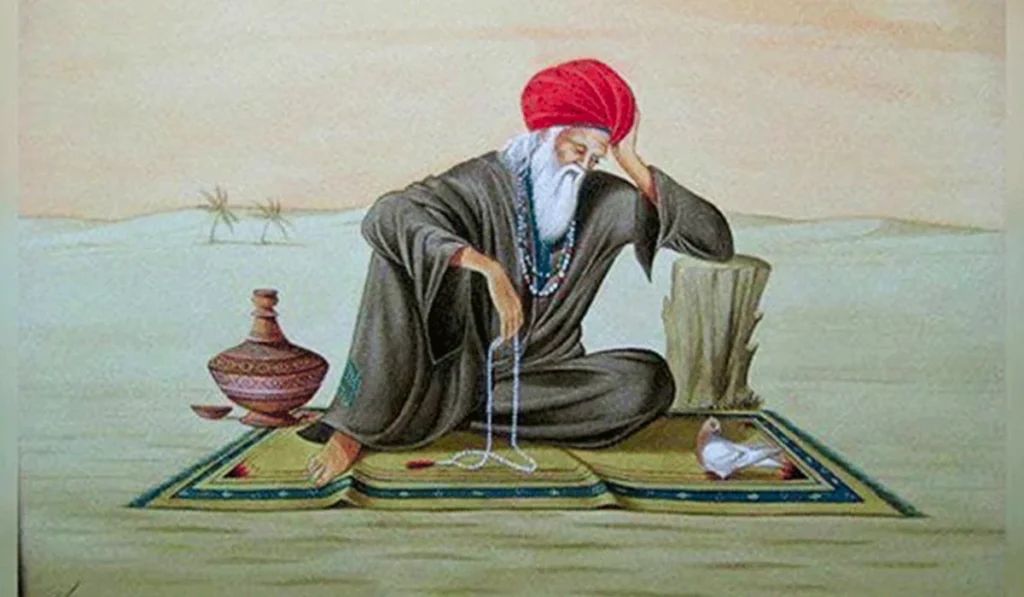
Bulleh Shah spent most of his life in Kasur, and he died there in 1757 at the age of 77. At first, there was controversy over his funeral rites, but eventually he was buried in Kasur.
Today, his urs is observed every year at his shrine in Kasur, where thousands gather to remember him.
Bulleh Shah Lives On Even Today
Bulleh Shah’s poetry did not remain limited to books. Music gave it a new life. Nusrat Fateh Ali Khan, Abida Parveen, and many other artists carried his kalaam to the world.
Even today, his kafis echo in Sufi music, qawwali, and even Bollywood songs. Rabbi Shergill gave new recognition to “Bulleya ki jaana main kaun.” The famous song “Chaiyya Chaiyya” from Dil Se is also believed to be inspired by his kafi “Tere ishq nachaya kar thaiyya thaiyya.” The song “Katiya Karun” from Rockstar is also drawn from his Sufi poetry.
Bulleh Shah was not just a poet, but a way of thinking—one that shows human beings the path back to themselves.
Leave a Comment