

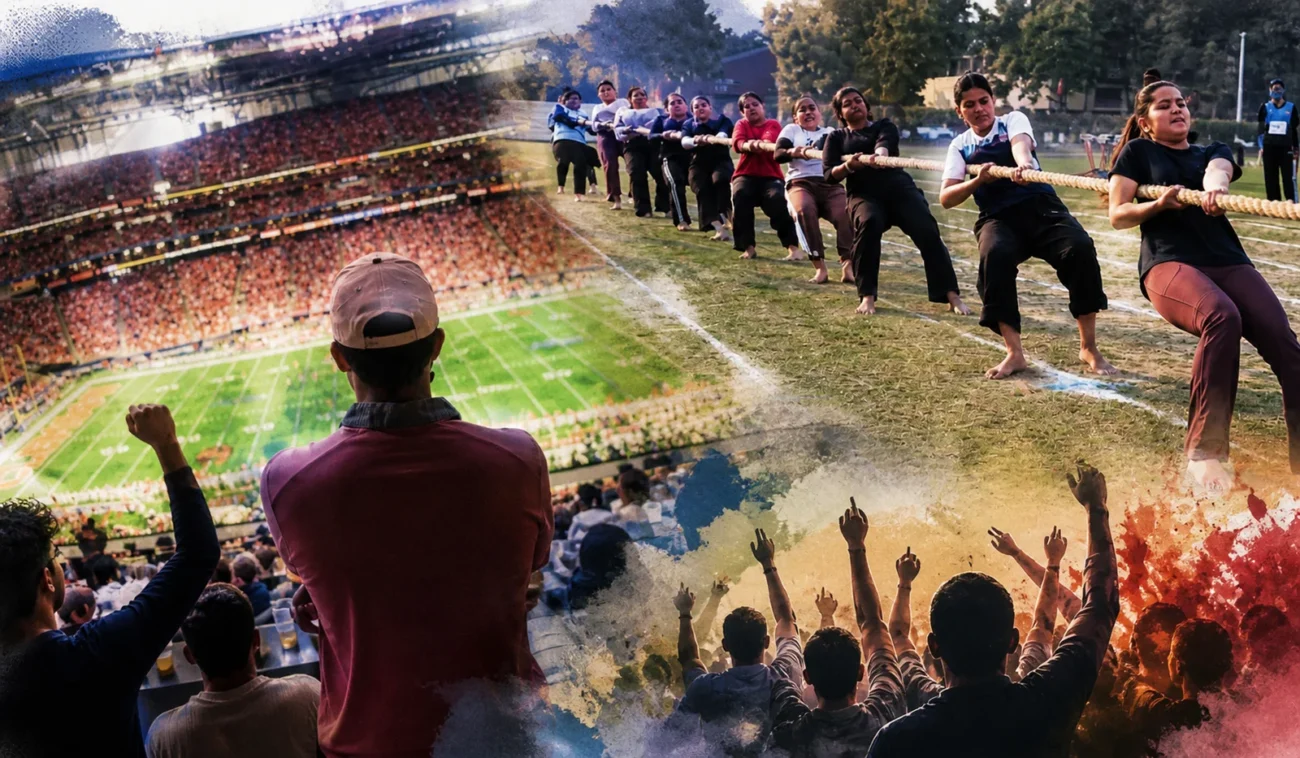

Punjab has always been a land of energy, passion and courage. Its air and water seem to carry a unique force that makes its people hardworking and brave. In Punjabi culture, sports have never been limited to entertainment. They have been an important part of everyday life. There was a time when village saths, muddy arenas and open grounds were the real “stadiums” of Punjabi sports.
But times have changed. Punjabi sports have travelled from village lanes to international stadiums. In this journey, some games have gained global recognition, while many traditional sports are now on the verge of disappearing because of modern lifestyles.
Kabaddi: From Village Arenas to Professional Leagues
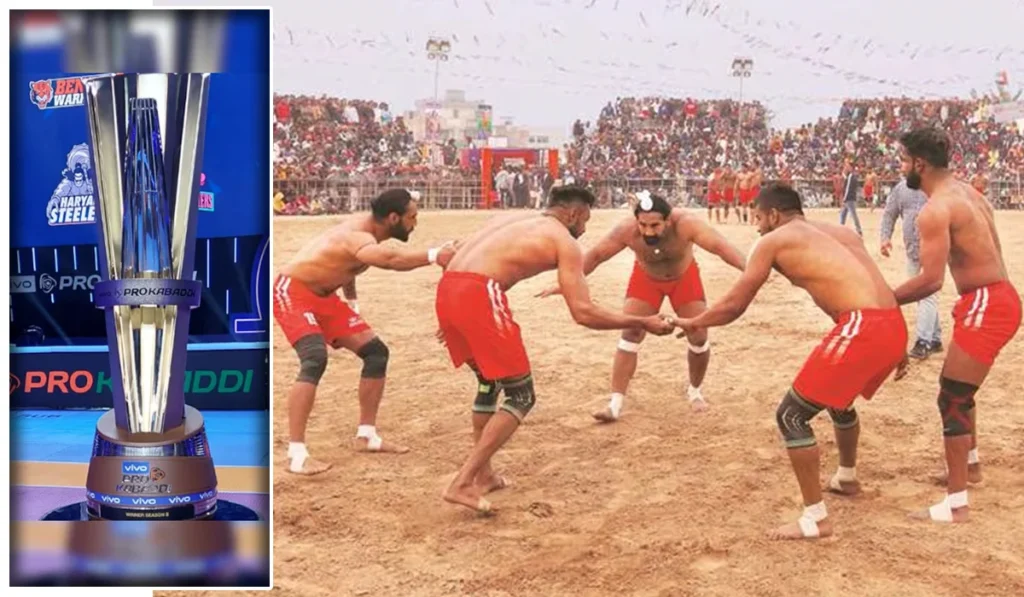
If we talk about Punjab’s sporting identity, kabaddi is the biggest example of change. Once, young men played kabaddi in dusty village fairs, where prizes included tins of ghee or desi jaggery. Today, the same sport has become a game worth crores. Platforms such as international kabaddi cups and the Pro Kabaddi League have given it a professional identity.
Today, kabaddi players are no less than film stars. Their fitness, diet and training now match the standards of international athletes. The mat-based version of kabaddi, with glamour and live telecasts, has taken the sport to every corner of the world. But behind this shine, somewhere, the old desi feel and the smell of the soil, once the soul of kabaddi, are slowly fading away.
A Fading Heritage: Gulli-Danda and Geete
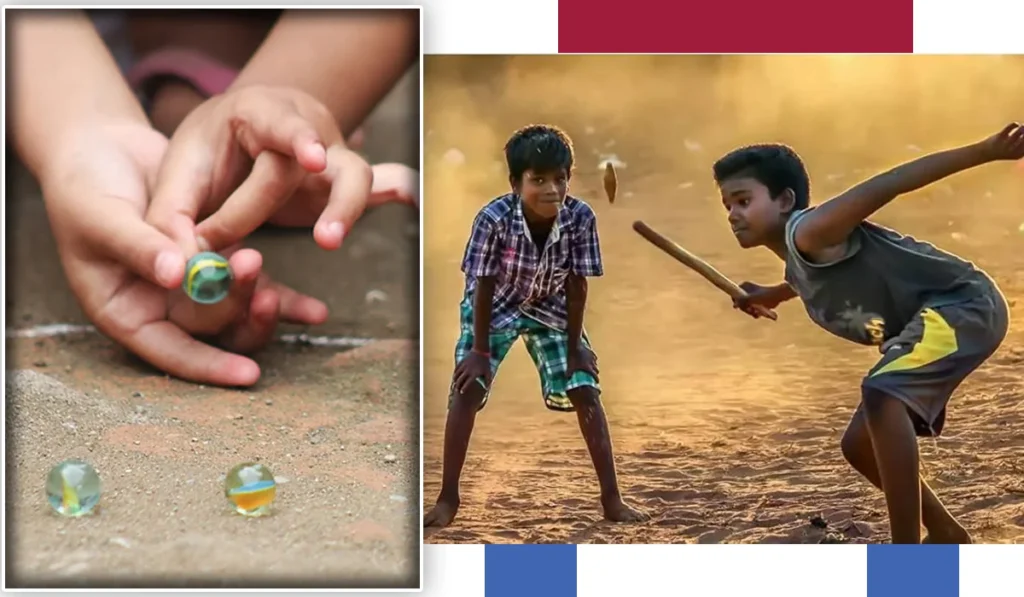
While kabaddi has earned global recognition, many of our traditional games are slowly becoming memories. Gulli-danda, once called Punjab’s “desi cricket,” is rarely seen in village lanes now. This game helped children improve focus, aim and coordination.
Similarly, geete, once a favourite game among Punjabi girls, is also disappearing. Played while sitting on doorsteps in the afternoon, geete was not just a game. It taught patience, hand coordination and skill. Today, such games are mostly seen only at cultural fairs or heritage villages as display items. Kite-flying too, once full of excitement and sky battles, has lost much of its charm because of Chinese kite string and crowded urban life.
Technology and the Takeover of Screens
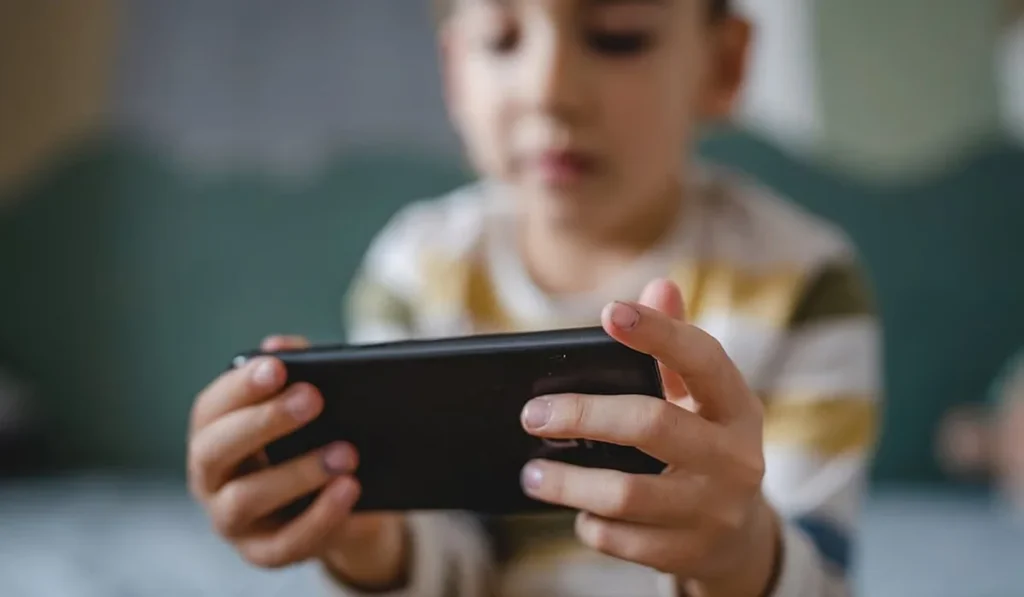
The biggest change has come in the way children play. Technology and mobile phones have taken gulli-danda and marbles out of children’s hands and replaced them with screens. Today’s child often prefers sitting in an air-conditioned room and playing video games instead of sweating in a field.
This digital revolution has connected us to the world, but it has also reduced children’s real social interaction. Traditional games taught sharing, teamwork, quarrelling and then making up again. Online gaming, on the other hand, often pushes children toward isolation and irritability. Hands that should have been physically active are now limited to moving thumbs.
Impact on Natural Fitness and Mental Health
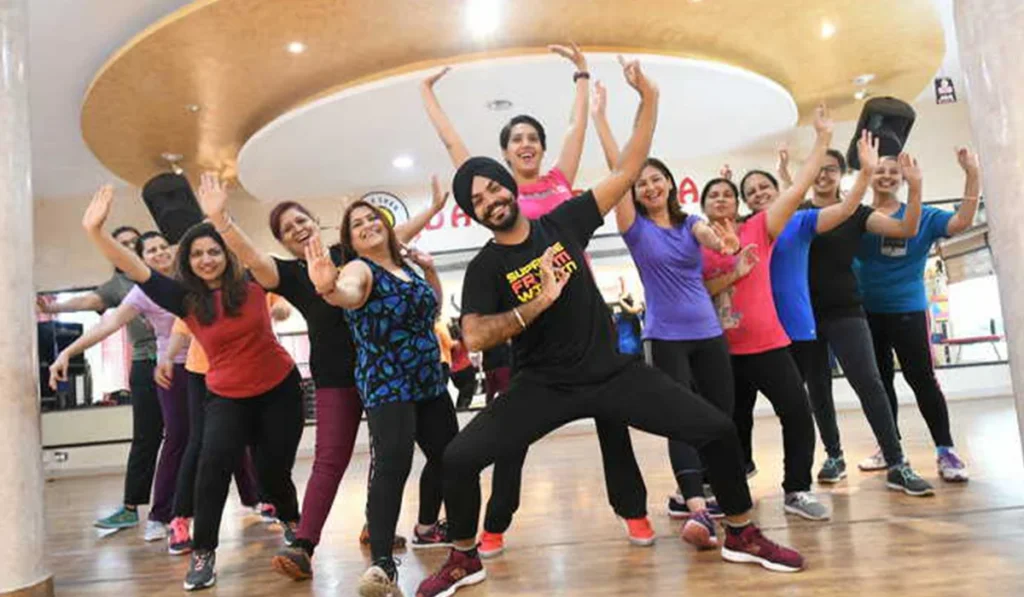
Traditional Punjabi games were not just entertainment. They were a complete health system. Bhangra, now adopted worldwide as “Bhangra Cardio,” was one of the secrets of Punjabi fitness. It is excellent for heart health and also works as a natural stress reliever.
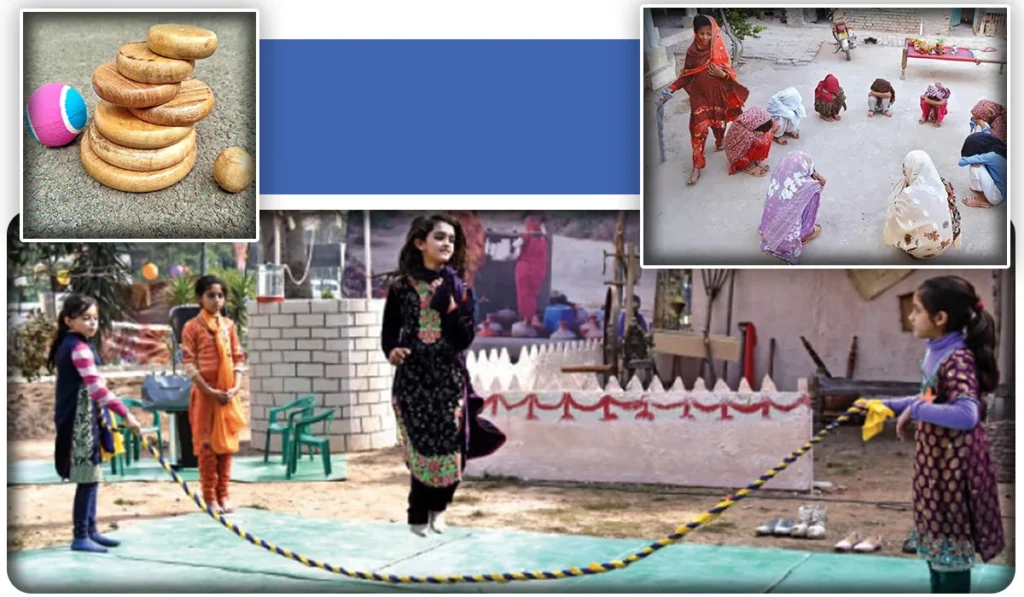
Old games such as pithoo garam, kotla chhapaki and skipping rope helped build flexibility and mental freshness. Today, when people are dealing with stress and lifestyle diseases, these traditional games can work as natural stress relievers. A kabaddi match or a game of tag in the field gives the body far more natural strength than many gym routines.
From Khuddu-Khundi to Shatapu
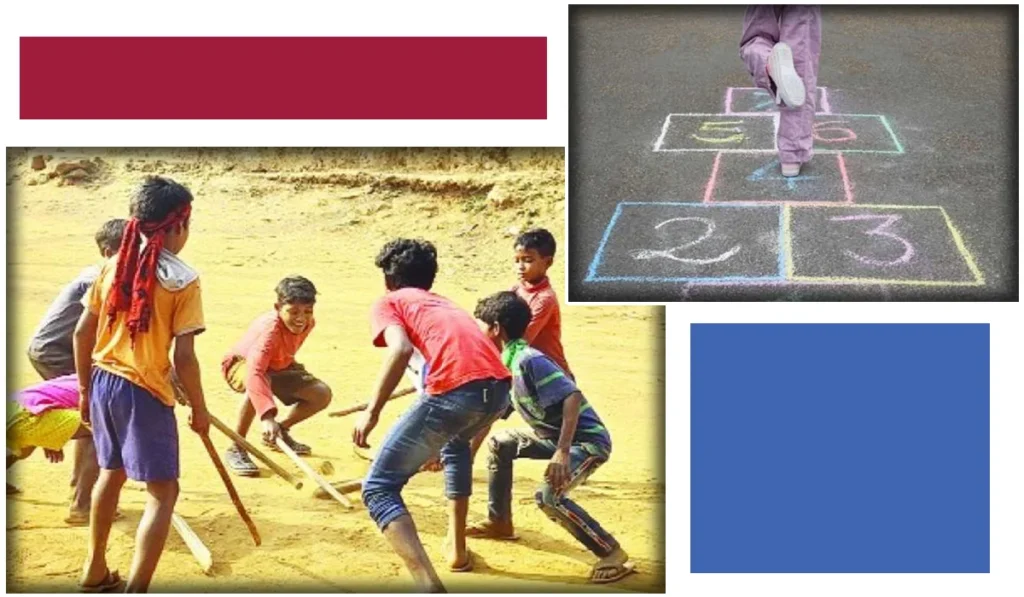
Another special feature of Punjabi games was that they did not require expensive equipment. To play khuddu-khundi, all one needed was a wooden stick and a ball made of cloth strips. For shatapu, just a few lines drawn on the ground and a small stone were enough.
These games kept people fit at zero cost. They also erased the difference between rich and poor in the village. Everyone played in the same soil. But today, sports have become commercial. Without expensive shoes or kits, many children feel excluded from certain games. This commercialization has taken away the simplicity that was once the soul of Punjab’s sports culture.
Preserving the Heritage
If we want the next generation to be physically and mentally strong, we must return to our roots. This does not mean rejecting modern sports, but we must also make traditional games part of everyday life again.
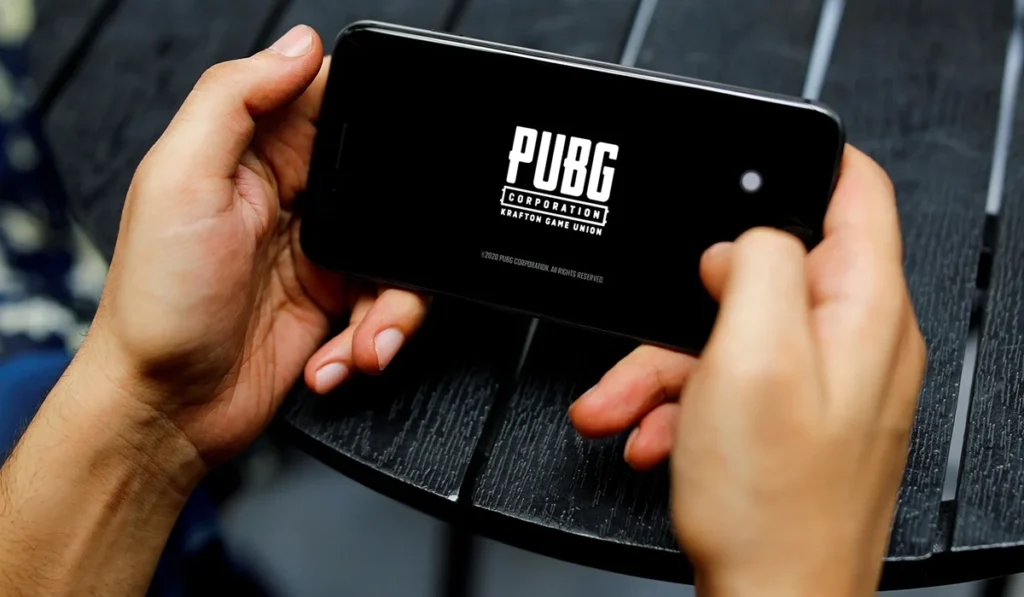
Young people need to understand that playing kabaddi or gulli-danda in the field is far healthier than playing PUBG on a mobile screen. Bhangra should not remain limited to weddings. It can become part of daily exercise.
The journey from village saths to global stadiums shows the strength of Punjabi sports. Kabaddi’s global success is a matter of pride, but we must not forget our other heritage games. Change is natural, but it should not come at the cost of our health and cultural bonding.
Today, we need to revive those playgrounds where children hold sports equipment, not just mobile phones. Let us preserve our rich sporting heritage and make Punjab once again a laughing, playing and healthy Punjab, where physical fitness and mental peace become part of everyone’s life.

Leave a Comment