

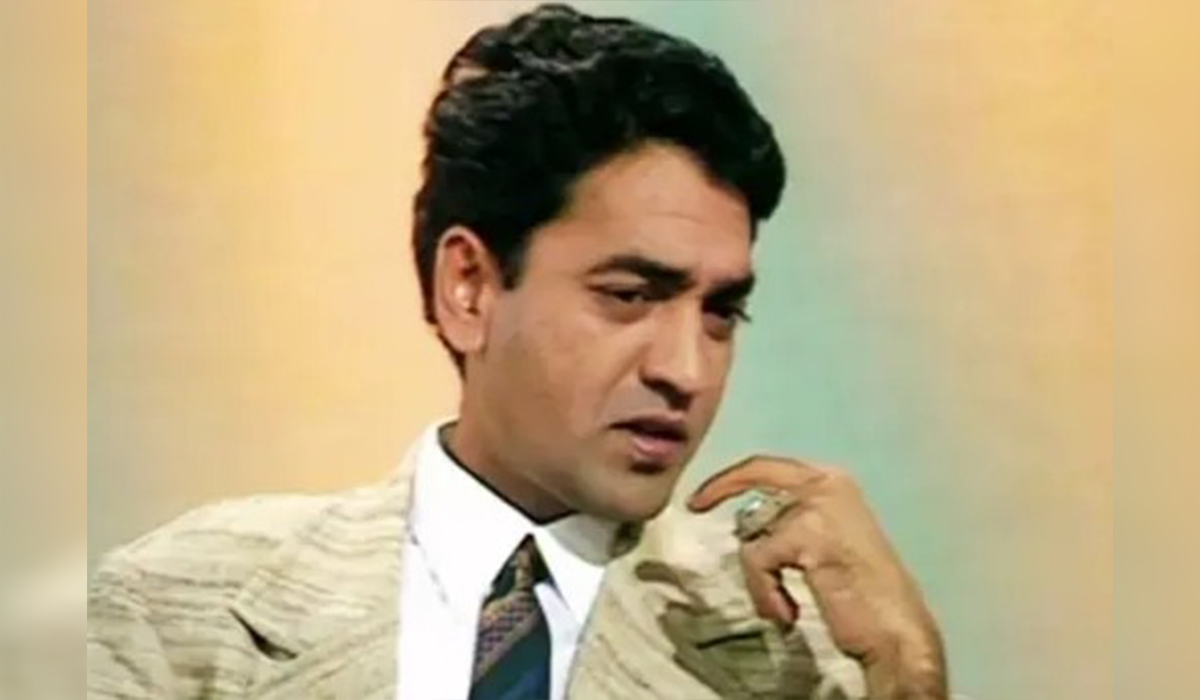

In modern Punjabi poetry, Shiv Kumar Batalvi remains a name that transformed Punjabi literature with his unique vocabulary and deeply emotional voice. He was a poet who stood apart from his contemporaries. His poetry was not merely made of words; it carried unbearable pain, longing, separation and an ocean of emotions that touched the very soul of the reader.
Because of his poetic style and profound sensitivity, he is often compared to famous English Romantic poets like Percy Bysshe Shelley and John Keats. In Punjabi literary circles, he is remembered with titles such as “The Sultan of Separation,” “The Poet of Longing,” and “The Star Who Died in Youth.”
Shiv Kumar was born on July 23, 1936, in the village of Lohatian in Shakargarh tehsil of Sialkot district, now in Pakistan. His father, Pandit Kishan Gopal, worked as a patwari, while his mother, Shanti Devi, was a homemaker. The Partition of 1947 uprooted millions of families, and Shiv’s family too had to leave their homeland and settle in Batala in Gurdaspur district, India. After moving to Batala, his father resumed work as a patwari to support the family.
Love for Poetry and Music… But a Rebellion Against Government Service
Shiv received his early education in Batala. In 1953, he passed matriculation from Salvation High School, Batala. He later joined Baring Union Christian College for F.Sc studies. However, his educational journey remained full of interruptions. He enrolled at S.N. College, Qadian, but left midway. Later, he moved to Himachal Pradesh to pursue a diploma in civil engineering and also studied at Government Ripudaman College, Nabha.
It was during his student life that he began writing and singing songs and ghazals.
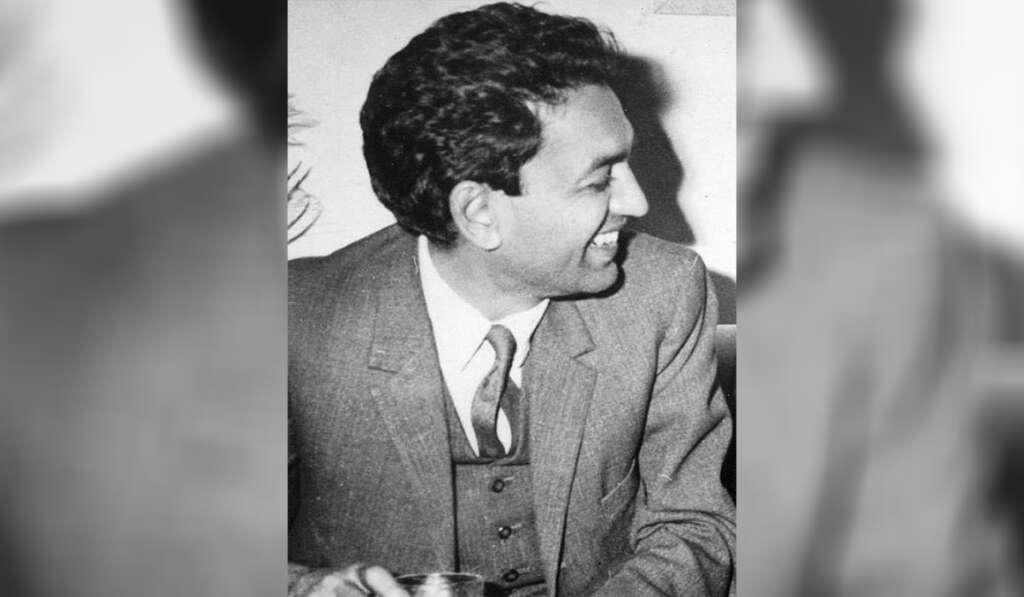
Following his father’s wishes, Shiv also took up a job as a patwari. But the heart of a free-spirited poet could not remain trapped in government files, and in 1961 he resigned. For several years afterward, he remained mostly unemployed. In the same year, he married Aruna from Gurdaspur district. The couple had two children, a son, Mehrban, and a daughter, Pooja.
Shiv later worked as a clerk at State Bank of India in Batala, but eventually left that job as well.
Literary Creations
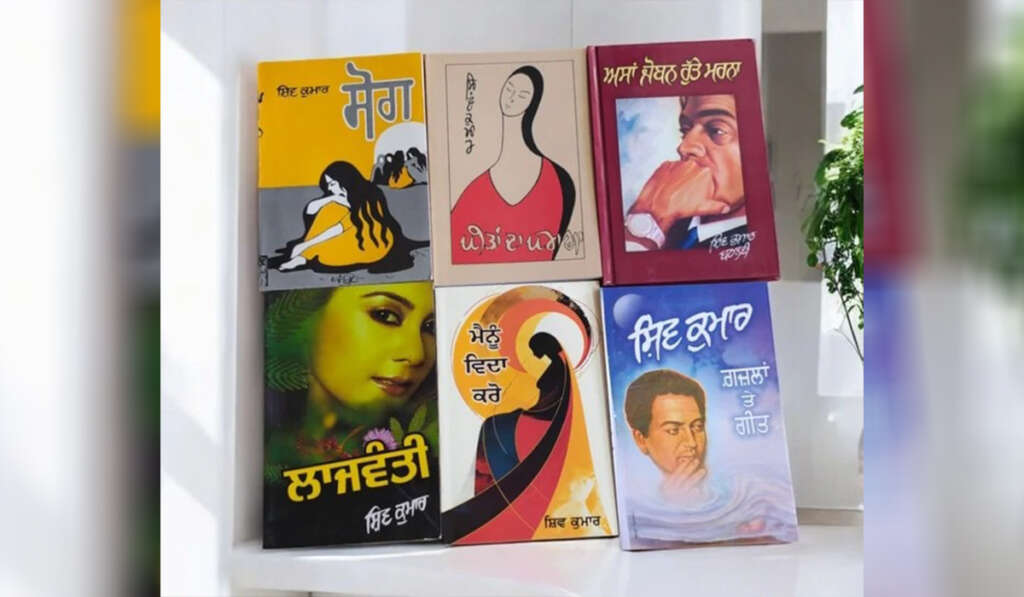
Every word written by Shiv Kumar Batalvi became a treasured part of Punjabi literature.
Peedan Da Paraga – This was his first poetry collection, where he beautifully expressed the desires, pain and emotional struggles of women.
Lajwanti – In this work, along with personal suffering, he also portrayed social tragedy.
Aate Dian Chirian – This collection explored different shades of love, pain and beauty.
Mainu Vida Karo – A blend of poems, songs and ghazals.
Loona – This remains Shiv’s masterpiece, a poetic drama in which he gave the female character Loona equal status alongside men and raised his voice for women’s rights. For this work, he received the prestigious Sahitya Akademi Award.
Main Te Main and Aarti – These works reflected the loneliness of modern human life and contemporary realities.
It is often said: “Shiv is the poet of separation. The longing that Baba Farid called a king, Shiv’s poetry became its kingdom.”
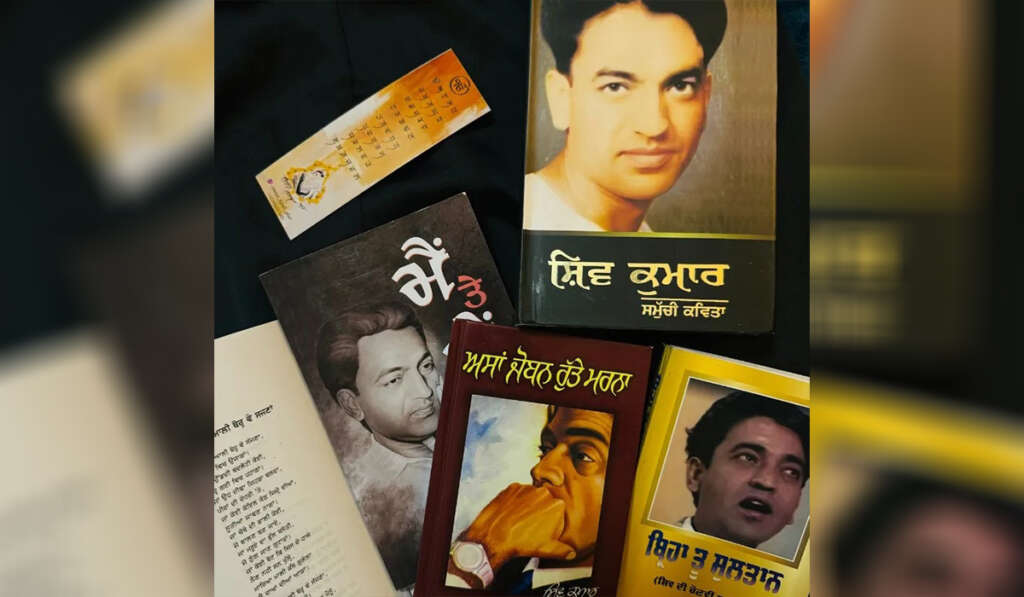
He did not merely write poetry; he lived through the wounds of love in his songs. His famous line, “Asaan taan joban rutte marna” (“I wish to die in the bloom of youth”), reflected his unbearable inner pain and his haunting awareness of mortality.
A Voice for Peace During the India-China War
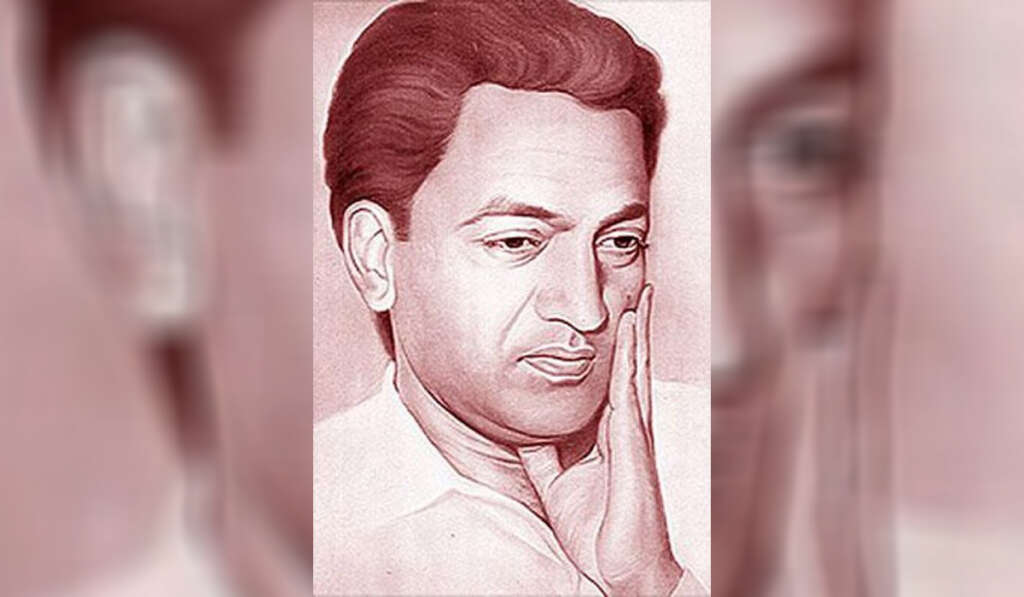
Shiv’s poetry was not limited to personal grief. During the 1962 Sino-Indian War, his sensitivity emerged as a call for peace. He appealed to writers and artists to come forward in defense of humanity and harmony.
His deep connection with nature also became evident in his poetry, where he often portrayed trees as human relationships such as mothers, sons, daughters and brothers.
A Poet Who Lived and Died in Longing
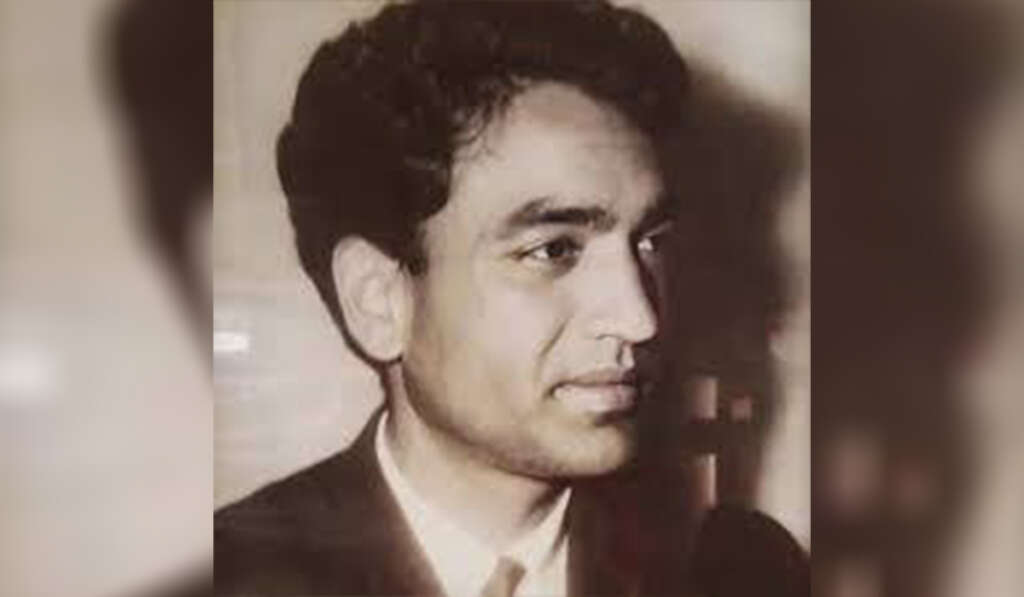
Carrying the pain of separation until his final breath, this legendary poet passed away on May 6, 1973, due to a fatal illness. Even after his death, many of his works continued to be published, including Alvida, Asaan Taan Joban Rutte Marna, and Sagar Te Kaniyan.
Overall, Shiv Kumar Batalvi’s poetry speaks not only of sorrow, pain and longing, but also of social evils, patriotism and the struggles of ordinary people, including farmers. He remains the Kohinoor diamond of Punjabi literature, whose brilliance continues to grow brighter with time. Even today, his poetry beats in the hearts of readers across generations.


Leave a Comment