


Punjab, long known as India’s “granary”, is now facing a serious agricultural transition. The traditional wheat–paddy cycle has not only lowered groundwater levels but has also increased production costs and financial pressure on farmers. In this situation, crop diversification is no longer just an option. It has become a necessity.
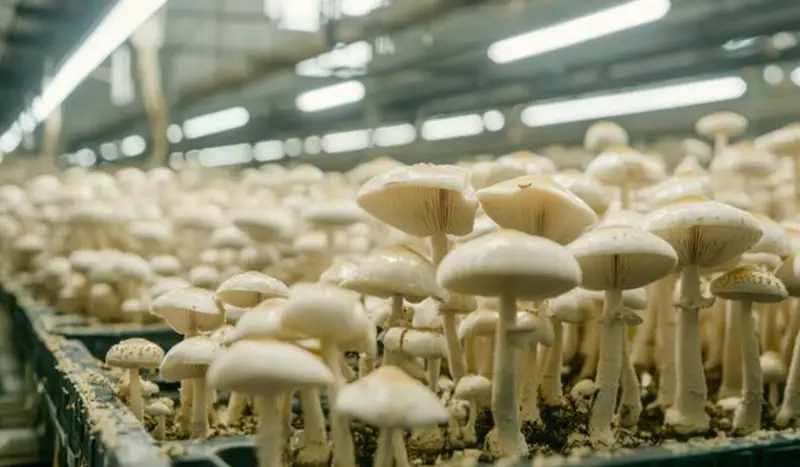
Among emerging alternatives, mushroom cultivation is gaining attention as a profitable allied enterprise that can generate returns with relatively less land, lower investment, and shorter production cycles.
Mushroom farming is especially attractive for rural youth and women who want to begin an agricultural venture without owning large landholdings. Since it is largely an indoor activity, it does not require direct sunlight. Vertical racks can be used to increase production even inside compact spaces.
Mushroom Types Recommended in Punjab
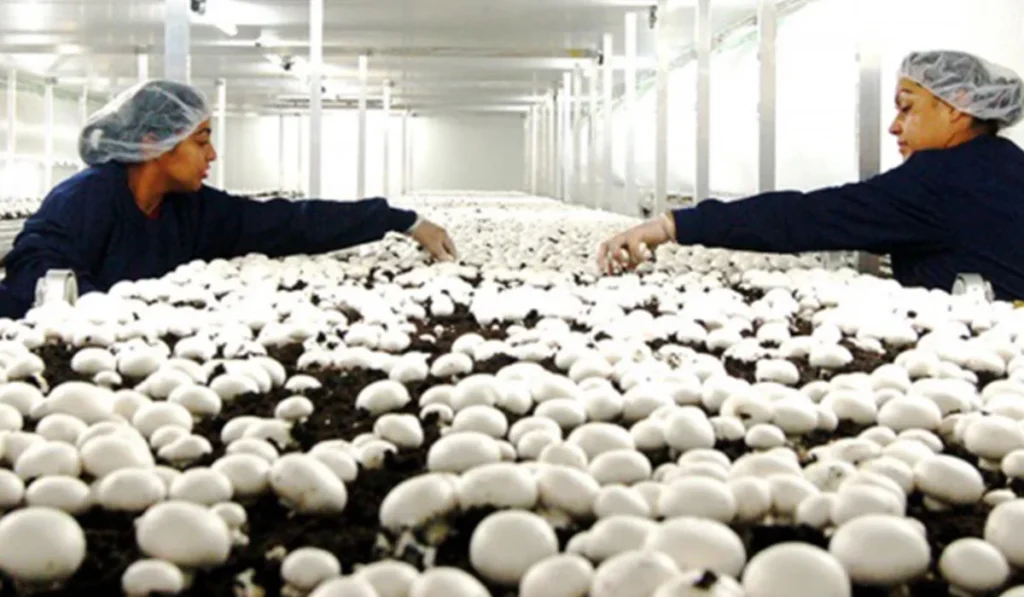
For Punjab’s climate, Punjab Agricultural University broadly promotes cultivation models suited to seasonal conditions.
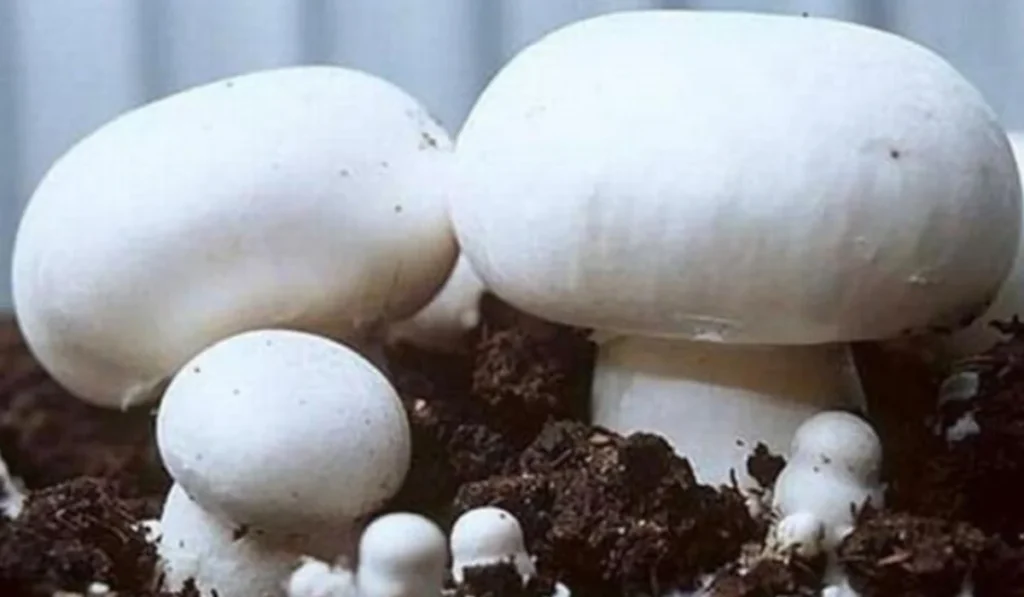
1. Button Mushroom
The most commonly cultivated variety in Punjab.
* Generally grown in cooler months
* Suitable for beginners
* Strong market demand
* Good nutritional value
2. Oyster Mushroom
A practical option for warmer conditions.
* Can utilize agricultural residues like paddy straw
* Comparatively simpler production setup
* Increasing popularity among small growers
3. Milky Mushroom
Used in warmer climates with controlled conditions.
* Suitable where temperature management is possible
* Growing interest in value-added markets
What Makes Mushroom Farming Successful?
A successful mushroom unit depends more on management than land area.
Compost quality matters
The growing base is usually prepared using agricultural residue such as:
* Wheat straw
* Paddy straw
* Supplemented organic inputs
Use reliable spawn (seed)
Always source spawn from trusted institutions or certified laboratories.
Maintain environment
Different mushroom types typically require:
* Temperature: around 15°C to 30°C depending on variety
* Humidity: roughly 80–90%
* Controlled ventilation and cleanliness
From Stubble Burning Problem to Opportunity
Punjab’s stubble-burning challenge has become a major environmental concern.
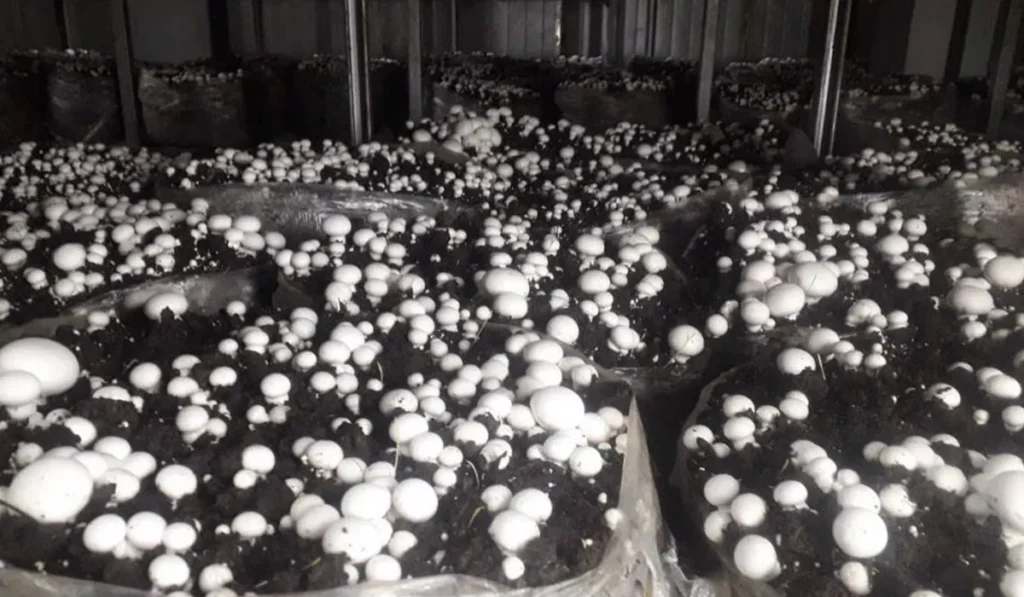
Mushroom cultivation offers one practical route for utilizing paddy straw productively. Instead of burning residue, farmers can convert part of it into cultivation substrate.
That means:
* lower environmental burden,
* additional income pathways,
* improved circular use of farm resources.
Bigger Opportunity: Value Addition
Selling only fresh mushrooms limits earning potential.
Higher-value products may include:
* Mushroom pickle
* Mushroom powder
* Soup mixes
* Dehydrated mushrooms
* Packaged ready-to-cook products
Clean packaging and direct supply to urban retail channels can improve margins.
Can Small Farmers Earn Meaningfully?
A compact shed model can create supplementary seasonal income, but earnings vary widely depending on:
* mushroom type,
* market access,
* production quality,
* losses and spoilage,
* labour and infrastructure.
So it’s better to avoid blanket income promises and plan with actual local cost calculations.
Punjab also supports training pathways through agricultural institutions and horticulture programmes. Short-term skill courses can help reduce beginner mistakes.
More Than Farming: An Agri-Business Opportunity
Demand for mushrooms continues to rise because consumers increasingly look for foods rich in:
* protein,
* fibre,
* micronutrients.
For Punjab’s villages, mushroom cultivation represents more than another crop.
It is a shift from being only a producer of raw output to becoming a farm entrepreneur.
If adopted with training, market planning, and value addition, mushroom cultivation can become one of the many tools helping Punjab move toward a more resilient agricultural future.


Leave a Comment