
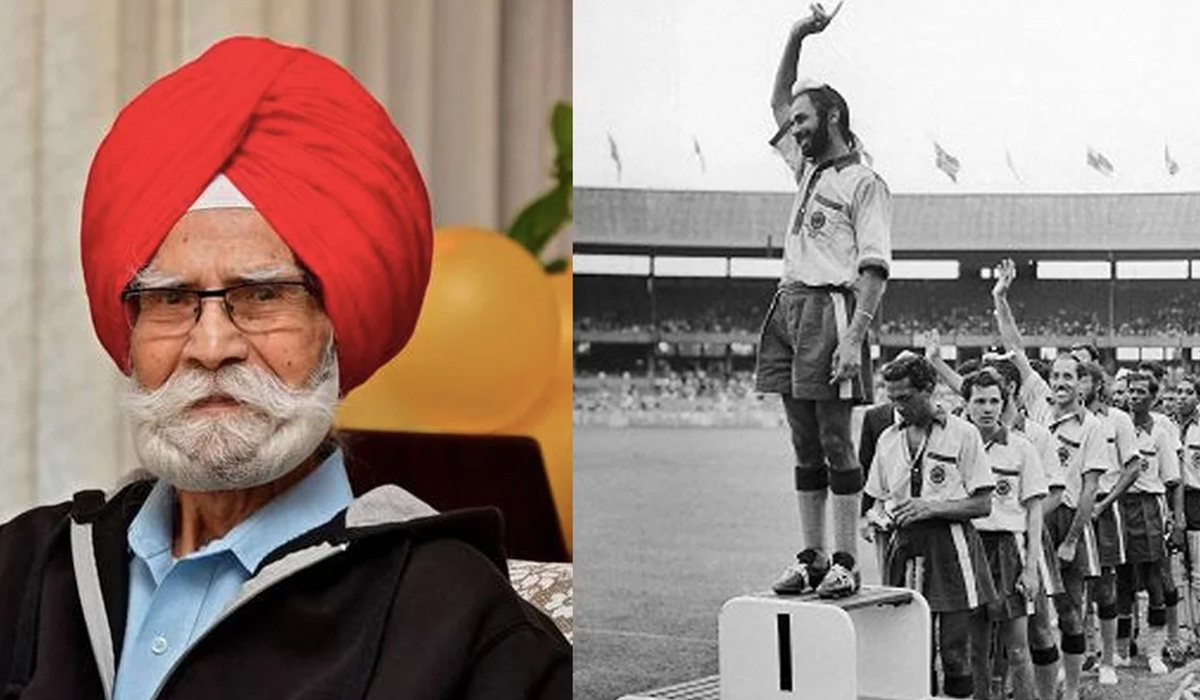

From Three Olympic Golds to World Cup Glory; The Immortal Saga of Balbir Singh Senior
If certain names in the history of Indian hockey were written in letters of gold, Balbir Singh Senior’s name would be right at the top. Being part of India’s gold-medal victories in three consecutive Olympic Games—London 1948, Helsinki 1952, and Melbourne 1956—is a testament to his greatness. He was also the captain of the Indian team in 1956.
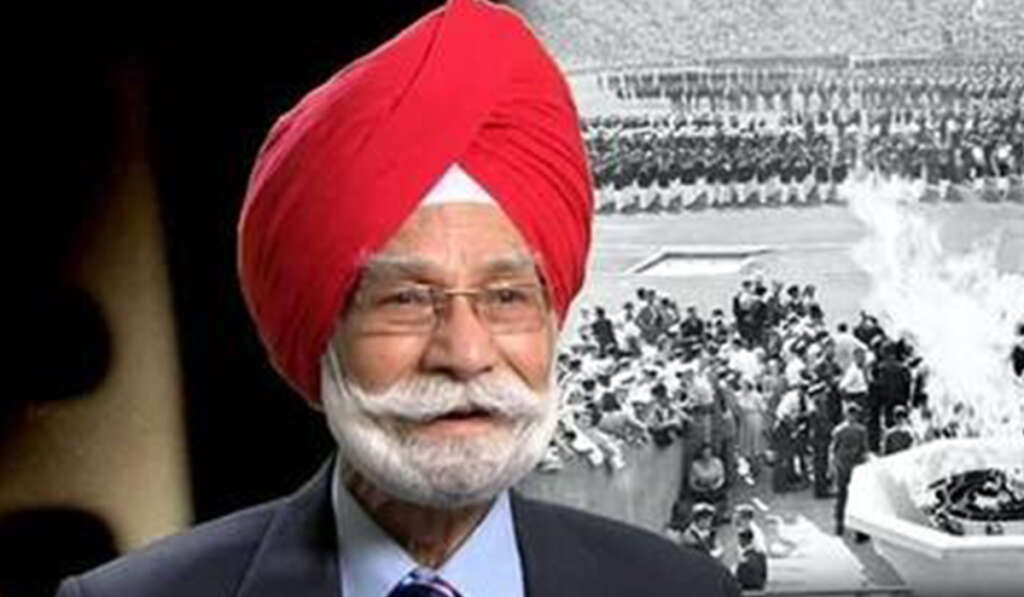
Balbir Singh’s full name was Balbir Singh Dosanjh, and his father’s name was Dalip Singh. He faced many difficult moments in his family life as well; his wife was Sushil Kaur, and alongside family responsibilities, he dedicated his life to the sport.
Among those who recognized Balbir Singh’s talent, Harbail Singh held a special place. He was a renowned coach associated with Khalsa College and later became part of the coaching staff that led the Indian team to the 1952 and 1956 Olympic gold victories.
Playing for Punjab University, Balbir Singh won three consecutive All India University titles in the 1940s, which brought his talent into national prominence.
Independent India’s First Olympic ‘Gold Medal’
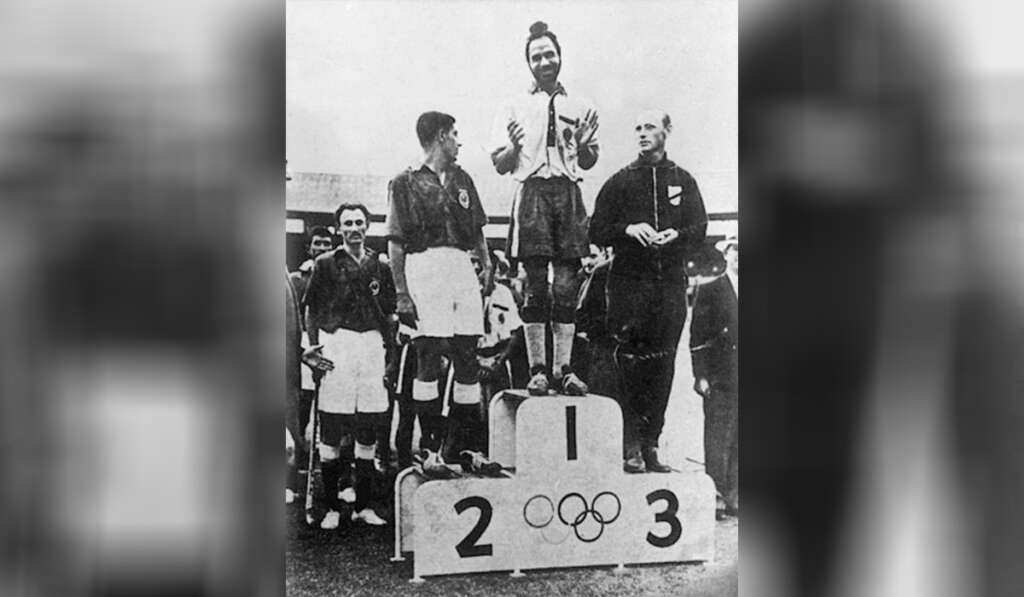
The London Olympics of 1948 were historic for Balbir Singh. In his Olympic debut against Argentina, he scored six goals. In the final, India defeated Great Britain 4-0, and independent India won its first-ever Olympic gold medal in hockey. Balbir scored two goals in the final. This victory was especially significant for him as it was India’s first Olympic gold after independence.
At the Helsinki Olympics in 1952, Balbir Singh displayed a level of play that remains recorded in Olympic hockey history. In the final against the Netherlands, India secured a 6-1 victory, with Balbir scoring five goals single-handedly. To this day, this remains the record for the most goals scored by an individual player in a men’s Olympic hockey final. He was also India’s flagbearer at these Olympics.
At the Melbourne Olympics in 1956, Balbir Singh captained the Indian team. India put on a stellar performance throughout the tournament to win the gold medal, scoring 38 goals without conceding a single one during the campaign. In the final, India defeated Pakistan 1-0, securing Balbir Singh his third consecutive Olympic gold. He also earned the honor of being India’s flagbearer in Melbourne.
Broken Finger, Unbroken Spirit
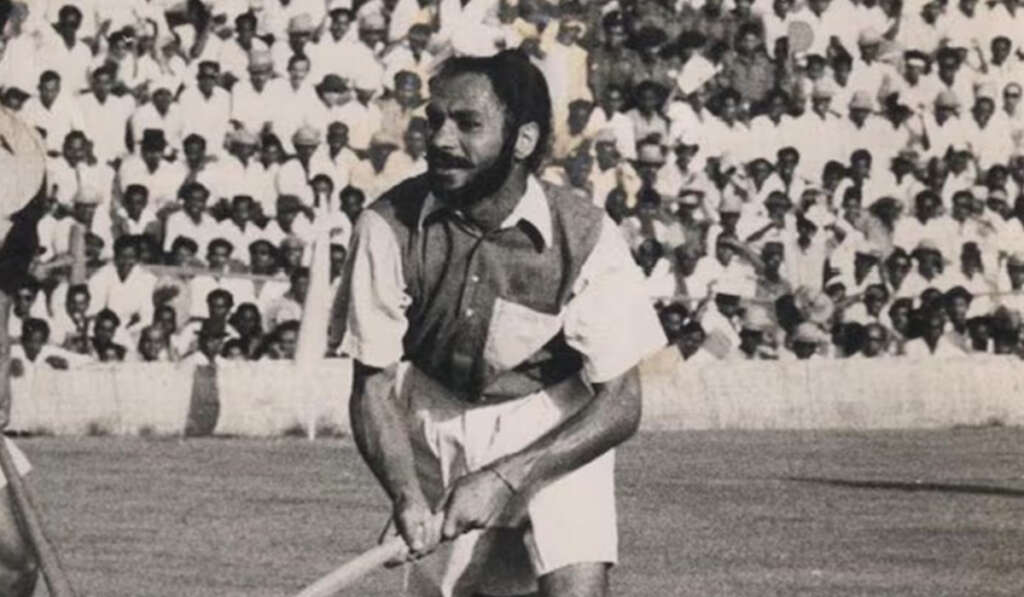
During the 1956 Olympic campaign, Balbir Singh suffered a severe injury to his finger. While this kept him out of a few matches, he stepped onto the field for the semifinal and final despite the pain. Efforts were made at the time to conceal his injury from the opposing team, making it a memorable example of his dedication to the sport and mental toughness.
Following his success as a player, Balbir Singh began passing on his experience to the next generation. He was associated with coaching the Indian team for the 1971 World Cup, where India won the bronze medal. Then came the historic year of 1975, when India won the Hockey World Cup for the first time in Kuala Lumpur, Malaysia. Balbir Singh Senior was a crucial part of the team’s management and coaching setup, alongside Gurcharan Singh Bodhi, who was also involved with the preparation camp and coaching. In the final, India defeated Pakistan 2-1. To this day, this remains the sole World Cup title for the Indian men’s hockey team.
During the preparations for the 1975 World Cup, profound personal tragedies struck Balbir Singh’s life. Days after the camp began, his father, Dalip Singh, passed away, and concurrently, his wife, Sushil Kaur, suffered a brain hemorrhage and remained hospitalized. Despite these personal griefs, he remained dedicated to preparing the Indian team—a monumental testament to his character and devotion to the nation.
Balbir Singh joined the Punjab Police as an ASI in 1945, where he helped the Punjab Police hockey team win several national titles. In 1961, he left the Punjab Police to serve in the Punjab Sports Department, rising from Deputy Director of Sports to Director of Sports. During this tenure, he worked for sports development in Punjab and collaborated with legendary athlete Milkha Singh within the department.
Memorable Honors
⚬ Padma Shri in 1957: Balbir Singh Senior became the first sportsperson to receive the Padma Shri in sports.
⚬ Asian Games in 1982: He was given the honor of lighting the sacred torch at the New Delhi Asian Games.
⚬ IOC Honor in 2012: The International Olympic Committee included him among its 16 Iconic Olympians.
⚬ Major Dhyan Chand Lifetime Achievement Award in 2015: Awarded for his long-standing contribution to hockey.
⚬ Maharaja Ranjit Singh Award in 2019: Presented by the Government of Punjab for his services to sports.
Balbir Singh was not merely a player on the field; he also passed on his expertise to the next generation through books. His autobiography, The Golden Hat Trick, was published in 1977. In 2008, his second book, The Golden Yardstick: In Quest of Hockey Excellence, was released, demonstrating that hockey was not just a sport to him, but a mission in life.
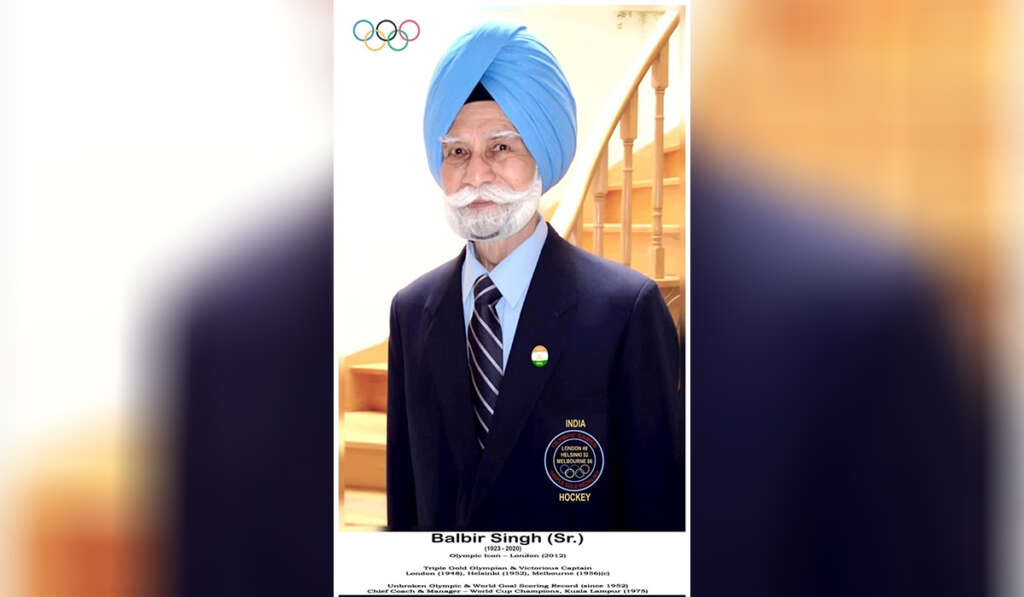
Though a formidable challenge to opponents on the field, Balbir Singh was known for his simplicity and humility in personal life. The Asian Hockey Federation specially commemorated his humility, warmth, sense of humor, and willingness to share his knowledge with others. Balbir Singh Senior passed away in Chandigarh on May 25, 2020, at the age of 96. To immortalize his memory, the international hockey stadium in Mohali was named the “Olympian Balbir Singh Senior International Hockey Stadium.”
The story of Balbir Singh Senior is not just about three Olympic golds and a World Cup; it is the saga of an athlete who scored goals on the field, played through injuries, stood by the national team amidst personal tragedies, and dedicated his retirement to mentoring the next generation. Whenever the golden era of Indian hockey is discussed, Balbir Singh Senior’s name will stand forever immortal alongside Dhyan Chand.
Leave a Comment