

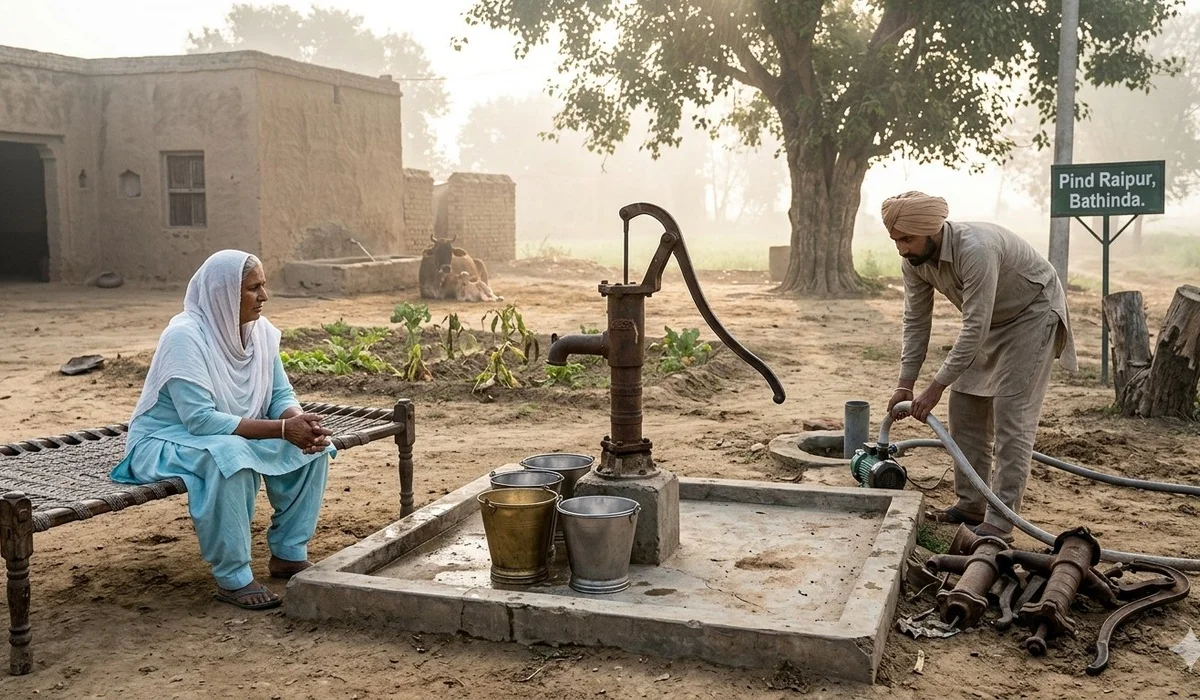

There was a time when mornings in Punjab’s villages did not begin with a digital alarm, but with the distinct “thak-thak” of the iron handle of a hand pump. That sound would wake up the entire neighbourhood.
Before the first rays of the sun appeared, women would gather around the hand pumps in mud courtyards, carrying brass and steel buckets through the light morning mist. One hand worked the pump, while the other side kept the day’s conversations flowing.
Children played barefoot in splashes of water, and farmers returning from the fields washed their faces and hands with cool water while discussing the next crop. This was not merely the act of filling water. It was a living picture of Punjabi rural life and a symbol of community bonding.
In villages, the hand pump was not just an iron machine for drawing water. It was almost like the soul of the household. The entire daily routine of a family revolved around it. From morning tea to water for cattle, from children’s baths to kitchen chores, the hand pump was the single support for every need.
Hand Pumps Once Quenched the Thirst of Travellers
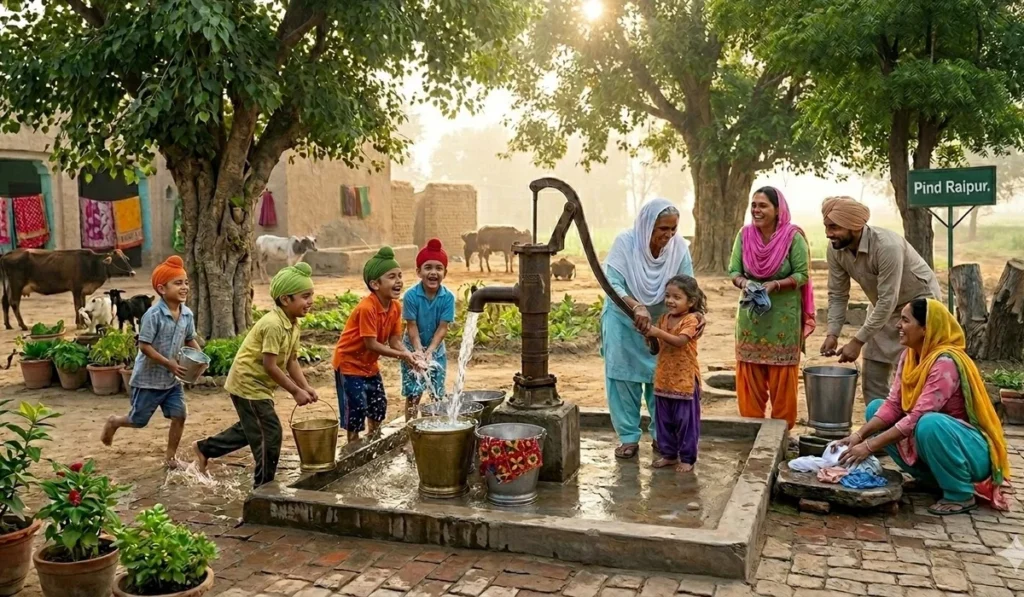
During peak summer afternoons, when children bathed under the hand pump and water fell on the scorching soil, the earthy fragrance that rose from the ground became a part of the village’s identity. In winter, even though hands would go numb while drawing water, the sound of the pump continued to echo in every courtyard. The hand pumps installed at gurdwaras, schools and village gathering spaces were the biggest source of drinking water for travellers and passers-by.
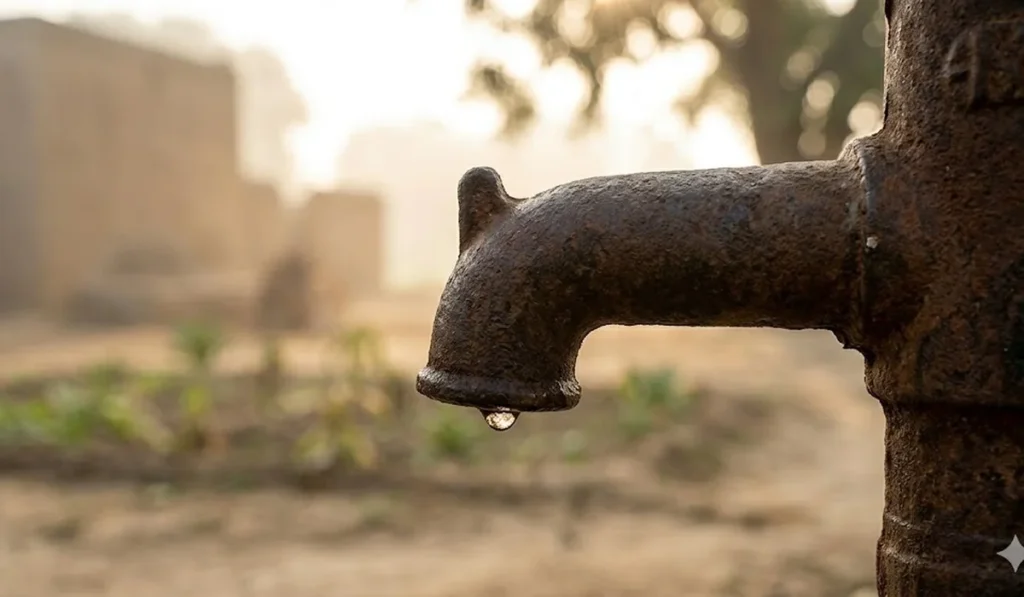
But today, in many villages of Punjab, that sound has almost disappeared. Even if a hand pump is seen in a courtyard now, it is often rusted and lifeless. The biggest reason behind this silence is the rapidly falling groundwater level. In villages where sweet water was once found at a depth of 20 to 40 feet, water has now gone down hundreds of feet. Hand pumps, which could draw water only from shallow depths, have now become completely ineffective.
They have been replaced by electric submersible pumps. This change is not merely technical; it is also an economic burden. Earlier, water from hand pumps was available free of cost with some physical effort. Now, expensive borewells and electricity bills are weighing heavily on ordinary families.
A Frightening Picture in Numbers: Punjab’s Situation Is the Most Worrying
Scientific data presents the seriousness of Punjab’s water crisis in blunt terms. According to the Central Ground Water Board’s 2025 annual report, 80 percent of rural India still depends on groundwater for drinking water. But Punjab’s situation is the most worrying. According to the report, Punjab’s groundwater extraction rate has been recorded at 156.36 percent, the highest in India.
During a special workshop held at Central University of Punjab, Bathinda, in 2026, experts revealed that Punjab uses nearly 28.01 billion cubic metres of groundwater every year, while the earth naturally recharges only 17.07 BCM. This means that every year, we are drawing far more water from the ground than it can replenish. According to the report, 117 of Punjab’s 153 blocks have already fallen into the “over-exploited” category.
Green Revolution and Poisoned Water
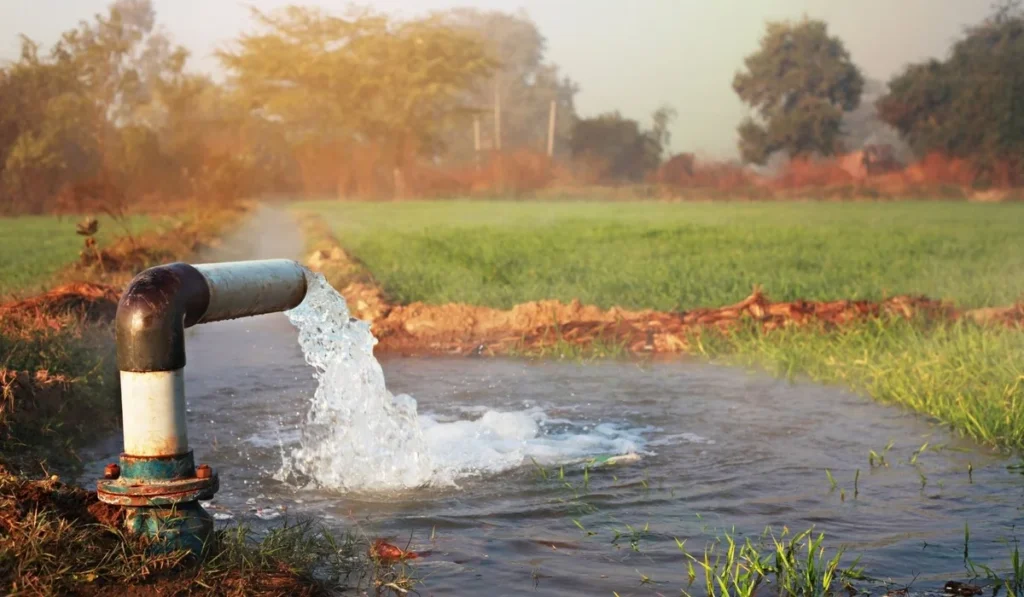
The expansion of paddy cultivation after the Green Revolution and the excessive use of tubewells are considered major reasons behind this crisis. According to data shared by Rajya Sabha MP Vikramjit Singh Sahney, the water level in 42 percent of monitored wells in Punjab has dropped to a dangerous level.
It is not only the water level that has fallen; its quality has also been badly affected. According to the CGWB’s 2025 report, 62.5 percent of Punjab’s groundwater samples contained uranium levels far above the prescribed limit. The CAG report presented in the Punjab Vidhan Sabha in March 2026 also raised serious concerns about groundwater pollution and declining water levels, which are directly linked to life-threatening diseases such as cancer.
The Collapse of Social Bonds and the Way Forward
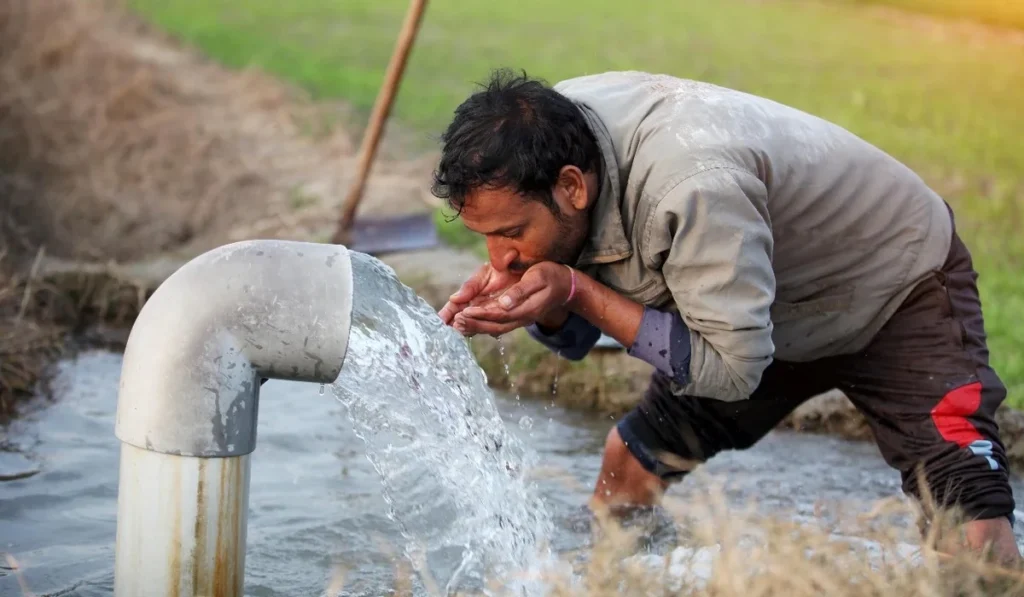
With the disappearance of hand pumps, an entire shared way of village life has also faded away. Earlier, people would meet while filling water and share each other’s joys and sorrows. That informal gathering around the hand pump has now been replaced by motors and RO systems installed inside homes. Today, village elders remember those days with a sigh, when water was not just a resource, but the heartbeat of mutual love and community.
To address this severe crisis, the Punjab government is focusing on initiatives such as direct seeding of rice, crop diversification and the Jal Jeevan Mission. But real change will come only when every Punjabi understands the value of every single drop of water.
Even today, when a rusted hand pump is seen at the corner of an old village, it does not look like just a piece of iron. It appears to be a sign of Punjab’s golden era, when Punjab truly deserved to be called the land of five waters. If we still do not act, future generations will hear the “thak-thak” of the hand pump only in books or on the pages of history.

Leave a Comment