
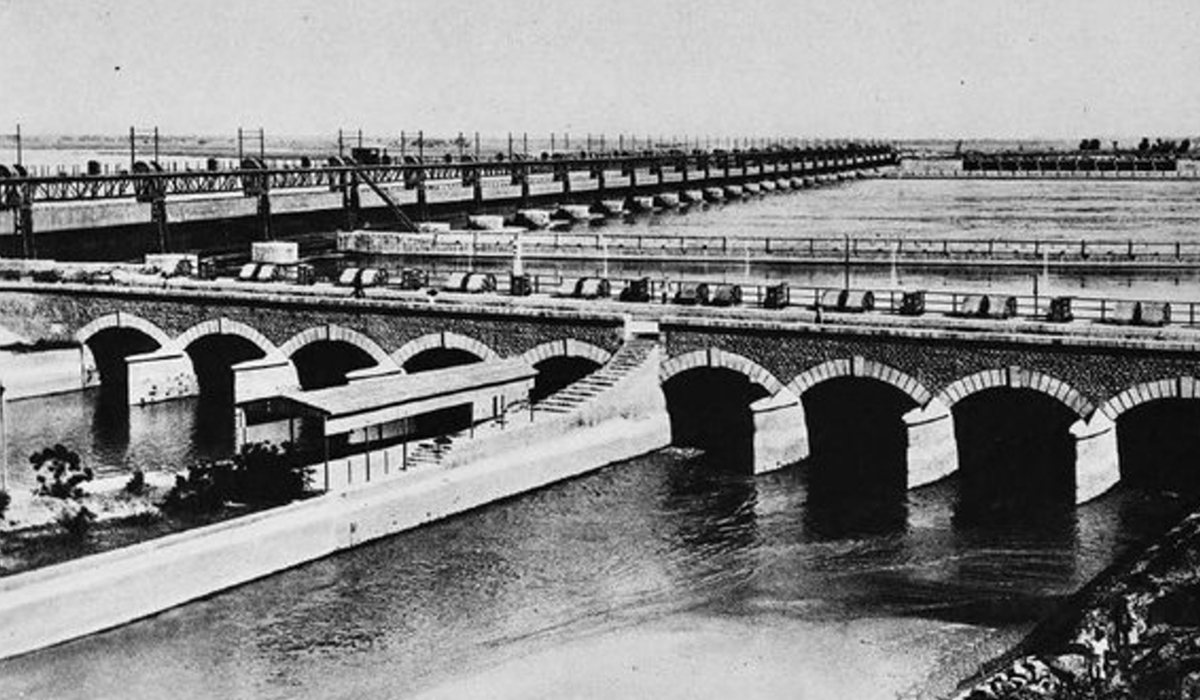

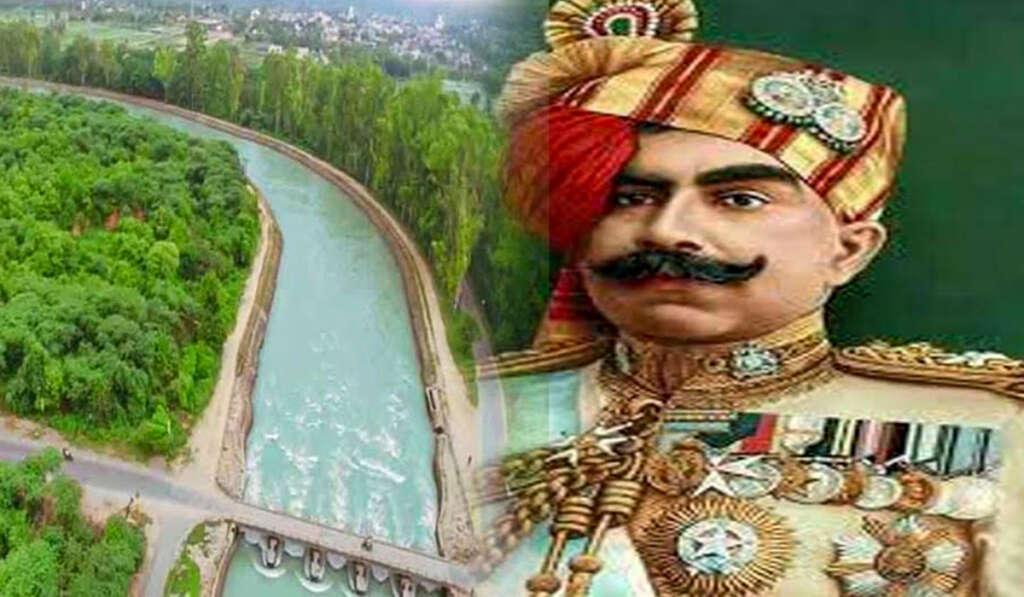
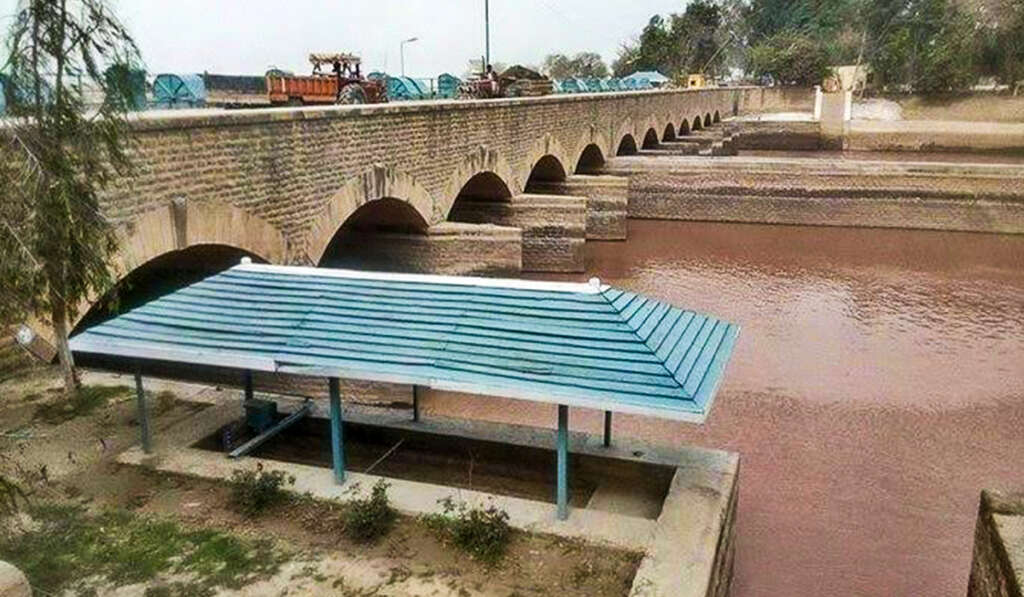
In the pages of history, the decision for the Hussainiwala Headworks in Firozpur (Punjab) to remain in India was not merely a geographical outcome. It was, in fact, a victory of political foresight and firm resolve shown by the Maharaja of the princely state of Bikaner. In 1927, Maharaja Ganga Singh of Bikaner constructed the Gang Canal to turn the parched lands of his region green and fertile. The source of this canal lay at the headworks located at Hussainiwala in Firozpur.
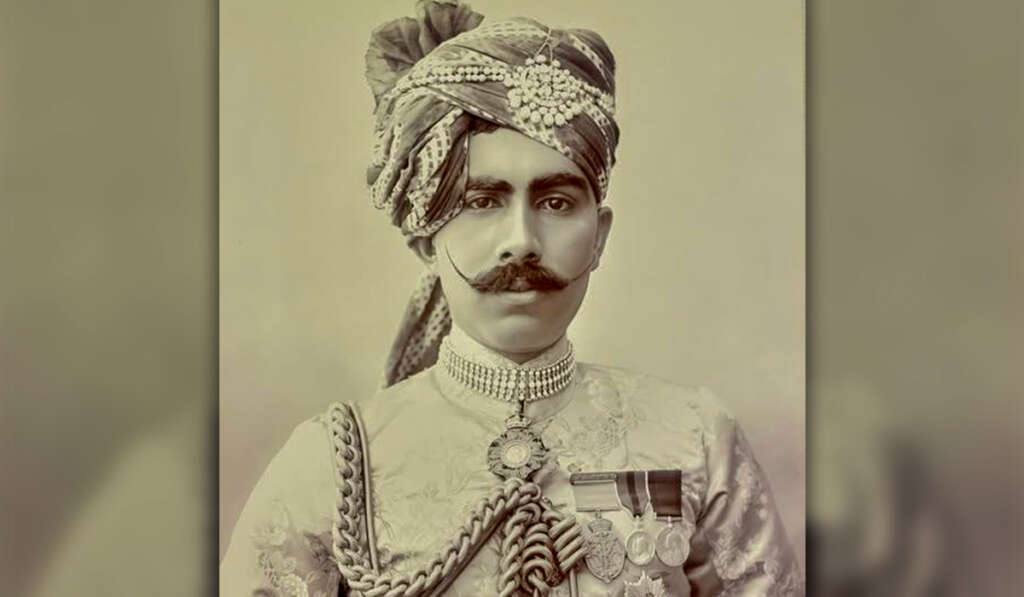
This canal became the backbone of Bikaner’s economy, as thousands of square miles of barren land were transformed into fertile fields. Even today, General Maharaja Sir Ganga Singh (1880–1943) is remembered as one of the most influential and modern-minded rulers of the Bikaner state. His reign (1888–1943) marked an era of reforms and development. Maharaja Ganga Singh was also a distinguished diplomat of his time. During the First World War, he was the only non-British member of the British Imperial War Cabinet, a testament to his political acumen. Under his leadership, Bikaner witnessed major reforms in the judiciary, education, and healthcare systems.
The Crisis of Partition and Pakistan’s Claim
During the Partition of India in 1947, when the Radcliffe Commission was drawing boundaries, Pakistan laid claim to the Hussainiwala Headworks. Had this headworks gone to Pakistan, control over the waters of the Gang Canal would also have fallen into the hands of the neighbouring country, which could then shut off the canal supplying water to Bikaner at will. According to a newspaper account, when Maharaja Sadul Singh learned that Hussainiwala might be handed over to Pakistan, he immediately sent his senior officials to Delhi to meet Lord Mountbatten and Sardar Patel.
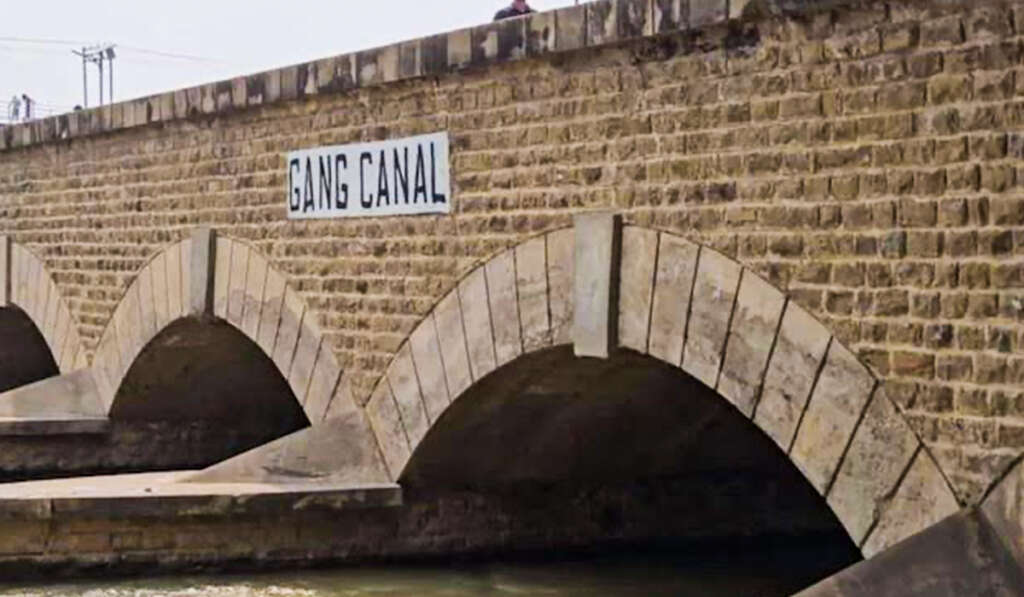
If the Gang Canal had not existed, the Firozpur tehsil might well have become part of Pakistan. At the time of Partition, when the British government constituted the Boundary Commission under Sir Cyril Radcliffe, an initial decision was reportedly taken to allocate Firozpur tehsil to Pakistan. In response, the Maharaja conveyed a strong and unambiguous message: if control of Hussainiwala and the Gang Canal were given to Pakistan, the princely state of Bikaner would be left with no option but to join Pakistan in order to safeguard its very survival.
A Historic Decision and Integration into India
This warning caused considerable unrest in Delhi. Pandit Jawaharlal Nehru and other leaders also wrote letters and presented arguments urging that the Hussainiwala Headworks and the surrounding region be retained within India. Following Lord Mountbatten’s intervention, the Radcliffe Line was redrawn, and the headworks along with Firozpur tehsil remained in India.
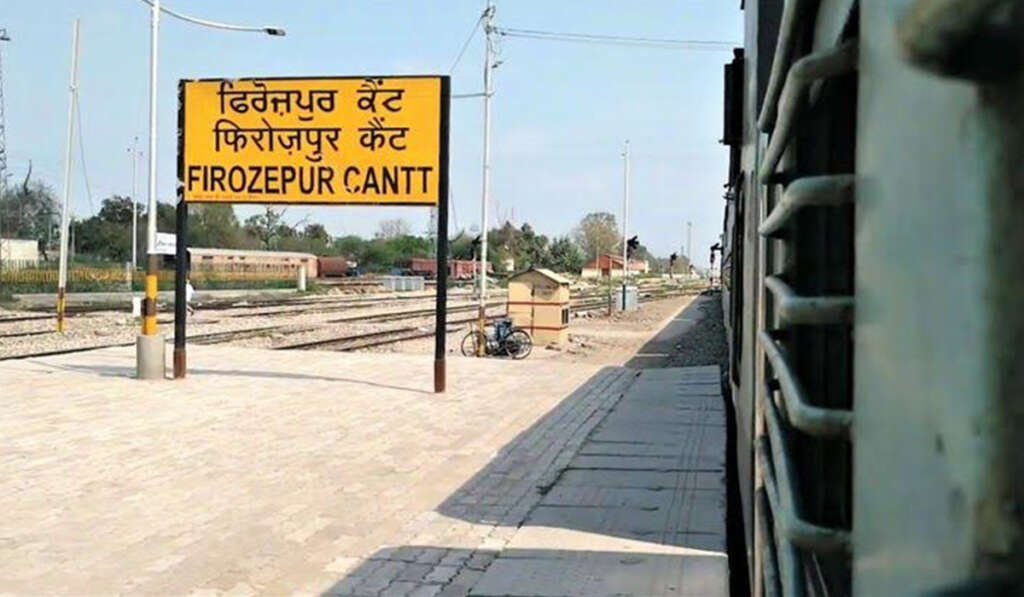
Finally, in the official announcement made on 17 August 1947, Hussainiwala was confirmed as part of India. The princely state of Bikaner not only played a crucial role in safeguarding India’s territorial integrity but also became the first Rajputana state to accede to the Indian Union. At that time, Bikaner also deposited the largest security contribution, amounting to ₹4.87 crore, towards strengthening the new nation.

Leave a Comment