

What a New European Survey Reveals About Women’s Lives : One in Three Women Faces Violence, Yet Most Cases Go Unreported – Laws Exist, Trust Is Missing
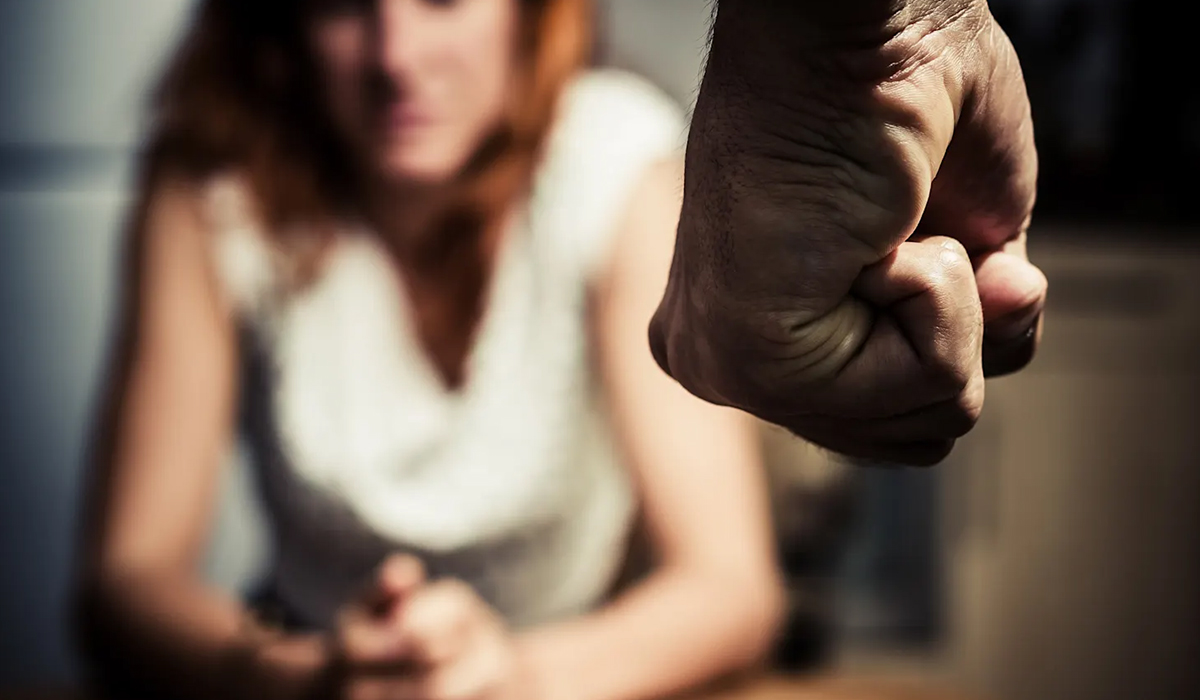
For many years, Europe has presented itself as one of the global leaders in gender equality. However, beneath progressive policies and strong legal frameworks lies a harsh reality. In the European Union, nearly one in three women has experienced some form of physical or sexual violence after the age of fifteen.
According to a new Europe-wide survey on gender-based violence, 30.7 percent of women reported experiencing such violence at some point in their lives. This figure alone is deeply concerning, but what is even more alarming is the silence surrounding it.
Alarming statistics on violence
Most women do not report violence. Only 13.9 percent of victims contact the police, while merely 20.5 percent reach out to health or social services.
When the perpetrator is a close partner — someone the woman trusted or depended on financially or emotionally — reporting becomes even less likely. Only 6.1 percent of cases of violence committed by a current partner reach the police.
In comparison, 16.8 percent of cases involving former partners and 11.3 percent involving non-partners are reported. The closer the relationship, the harder it becomes to seek help.
Reasons for Silence Are Deep and Personal

The reasons for silence are often serious and deeply personal. Among women who did not report rape, nearly half cited feelings of shame or self-blame. Some feared retaliation, while others did not believe that the police would be able to help.
Surprisingly, even among women who considered the violence a serious crime, who feared for their lives, or who suffered physical and psychological harm, reporting remained low.
The survey indicates that silence is not always a sign of lesser harm. More often, it reflects fear, shame, dependency, or a lack of trust in institutions.
Challenging the Legal Definition of Rape

The survey also challenges the legal definition of rape. About 8.4 percent of women said they were raped when they were unable to refuse or were subjected to coercive pressure, even without explicit physical force. By contrast, 4.8 percent reported rape involving overt force or threats.
This difference shows that violations of consent without physical force are nearly twice as common. Yet in many countries, laws still focus primarily on physical force, which means many victims’ experiences may not receive proper legal recognition.
Psychological and economic consequences
Violence committed by a partner or intimate companion often proves the most devastating. Women subjected to partner violence are more likely to suffer physical injuries, and these incidents are often repeated rather than isolated events.
About 9.6 percent of women reported depression, anxiety, or other psychological impacts.
Around 17.6 percent had to take leave from work, while 30.8 percent were unable to perform household responsibilities. Some women turned to medication or substance use, a sign of prolonged trauma.
Psychological and Economic Abuse
Psychological and economic abuse is even more widespread. Nearly 30 percent of women who had a partner reported experiencing psychological violence, including humiliation, intimidation, or economic control.
Among women who are financially dependent, the risk of physical, sexual, and psychological violence was significantly higher. This suggests that economic vulnerability intensifies the risk of abuse.
European Laws Against Violence

European laws, including the Istanbul Convention and directives against gender-based violence, emphasize the need to make reporting easier, provide specialized support services, and train professionals. However, the data shows that a gap still exists between law and reality.
Experts believe that women should have trusted and confidential reporting options beyond the traditional police system. Healthcare, social services, and legal systems must provide coordinated and empathetic support through trained professionals. Laws cannot be effective unless victims feel safe enough to come forward.
Four Walls Still Unsafe for Many
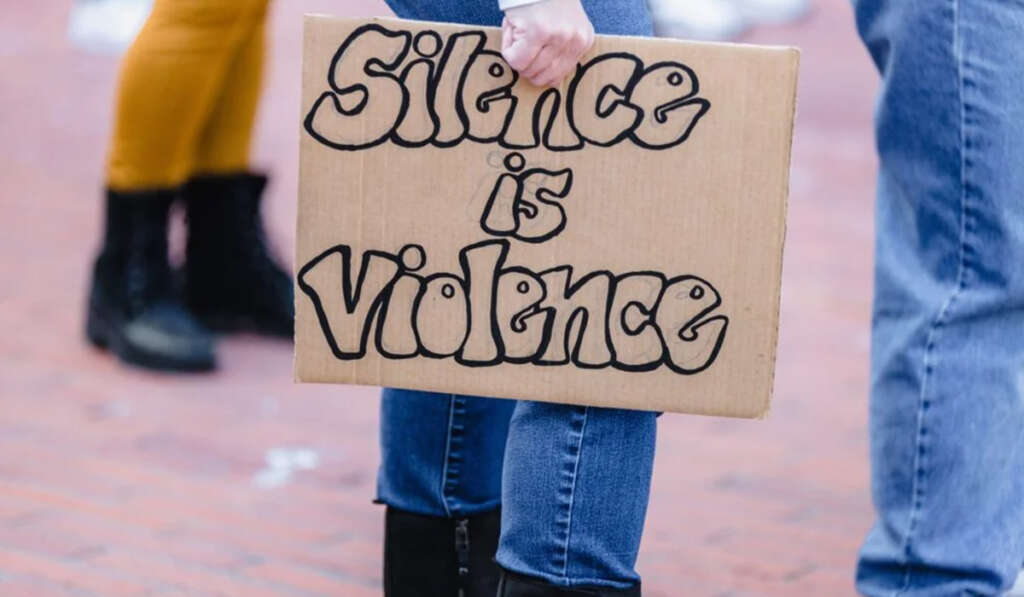
Ultimately, the data exposes a troubling contradiction: while equality is widely discussed, the private walls of homes remain unsafe for many women.
The fact that these statistics have not changed significantly even after a decade shows that the real challenge is not only the scale of violence but also the barriers that prevent women from speaking out. Behind every percentage lies a life — filled with fear, struggle, and courage.
This survey does more than measure violence. It reveals the distance between policy and protection and highlights the urgent need to bridge that gap.


Leave a Comment