


How yoga moved from the caves of sages to becoming part of everyday life
Yoga is an important part of India’s great ancient civilisation and culture. It is not merely a form of physical movement or exercise; rather, it is a deep physical, mental and spiritual practice that not only keeps the body fresh and healthy, but also gives the mind peace, calmness and inner strength. In today’s fast-paced and stress-filled lifestyle, the importance of yoga has grown far more than ever before.
That is why the day of millions of Indians begins with different yoga postures and meditation practices. Yoga brings human beings closer to nature and teaches the right way to live. The word yoga comes from the Sanskrit root “yuj,” which means to join or to unite. On a spiritual level, yoga signifies the union of individual consciousness (the self) with universal consciousness (the divine). In practical terms, it is a means of creating harmony between the body, mind, intellect and soul.
In Indian history, Maharishi Patanjali is regarded as the architect of the yogic system, because through the Yoga Sutras he gave scattered yogic knowledge a systematic and scientific form. In ancient times, several branches of yoga developed, including Karma Yoga, Bhakti Yoga, Jnana Yoga, Raja Yoga and Hatha Yoga.
* Karma Yoga means performing one’s duty selflessly, without attachment to the fruits of action.
* Bhakti Yoga is the path of complete devotion and love for the divine.
* Jnana Yoga is the search for truth through intellect, reflection and wisdom.
* Raja Yoga (Ashtanga Yoga) is the eightfold path of controlling the mind and its tendencies.
* Hatha Yoga focuses on physical purification and awakening energy through postures and discipline.
The right environment and place for yoga practice
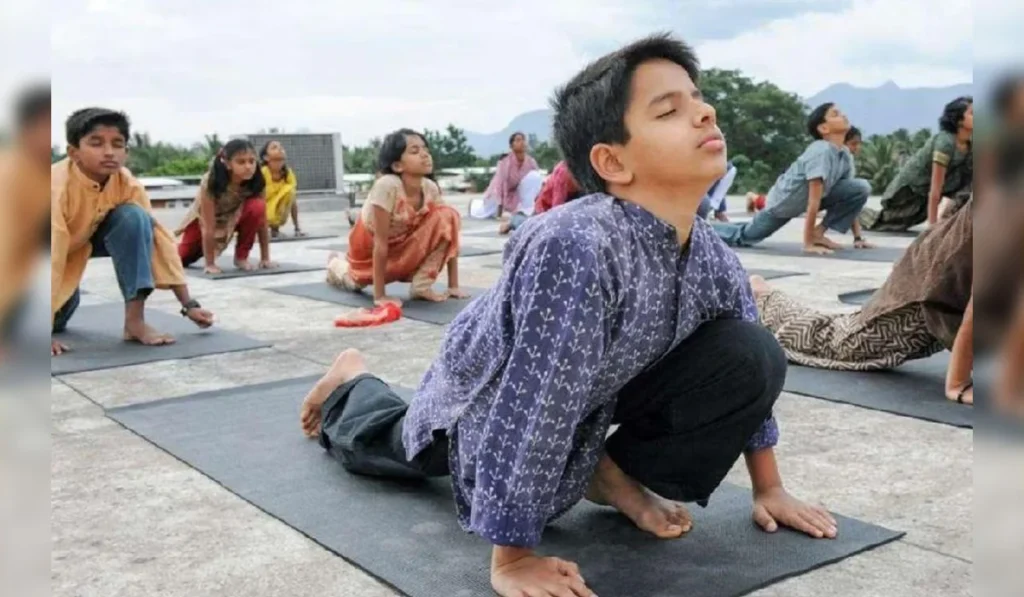
To gain the full benefit of yoga, the right place and atmosphere are extremely important. Traditionally, the best time for yoga is early in the morning, preferably in the open air, in a park, on green grass, with a mat or sheet spread out. In a peaceful open environment, one gets the first rays of the sun and fresh air rich in oxygen. This oxygen helps cleanse the lungs and improves blood circulation.
However, those who cannot go outside due to illness, lack of time or bad weather should not feel discouraged. They can practise yoga at home in a well-ventilated room or on the terrace with a mat spread out. The key factor is not the location, but consistency and concentration in practice.
Yoga strengthens immunity

Scientific studies have shown that practising yoga daily significantly strengthens the body’s immunity. Different yoga postures such as Surya Namaskar, Tadasana, Bhujangasana and Padmasana make the muscles more flexible and strengthen the spine.
In addition, pranayama (breathing practices) such as Anulom-Vilom, Kapalbhati and Bhramari improve the functioning of the lungs. Yoga helps maintain healthy blood circulation, thereby reducing the risk of high blood pressure, diabetes, obesity, joint pain and heart disease. It also helps remove toxins from the body and brings a natural glow to the skin.
Mental benefits: relief from stress and anxiety
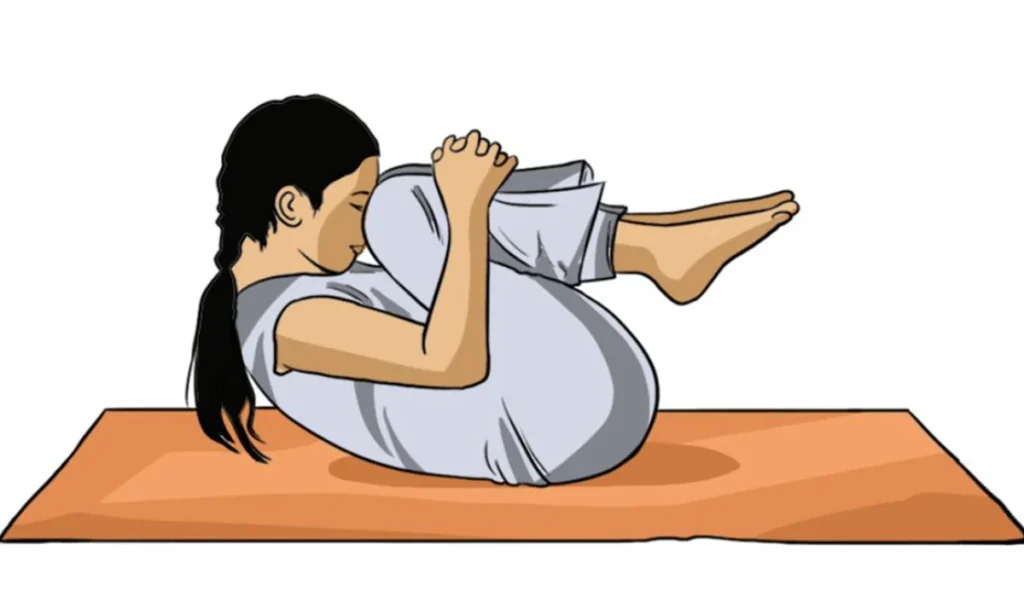
In today’s time, people often suffer more from mental illnesses than physical ones. Job stress, academic pressure and family issues have made depression and anxiety increasingly common. A person who practises yoga regularly is less likely to struggle with mental disturbances such as worry, unnecessary anger, fear, jealousy and negative thinking.
When yoga is combined with meditation, the mind becomes calm. This stimulates the release of “happy hormones” such as endorphins and serotonin, which improve mood and emotional wellbeing. Yoga also improves memory and concentration, which is especially beneficial for students. It stabilises the mind and helps promote deeper and better sleep.
From sages and ascetics to every household

In earlier times, ordinary people often believed that yoga was meant only for saints, sages or renunciates living in Himalayan caves and practising severe austerities. For a family person, such practices seemed impossible.
But with changing times and the efforts of modern yoga teachers, this notion has been completely overturned. Today, yoga has been presented in a simple and accessible way that can be learnt by everyone—from children to the elderly. As a result, the health benefits of yoga have now become a part of life in households across the world. Schools, colleges and even corporate offices have started including yoga in their regular schedules.
Undoubtedly, yoga is a complete system of healing and a way of life in itself. It gives us a healthy body without any cost. If we wish to avoid expensive doctor consultations and the harmful side effects of medicines, then we should set aside just 30 to 45 minutes out of our 24-hour day for yoga practice. We must always remember that the first happiness in life is a healthy body.
International recognition of Yoga Day
Until a few years ago, yoga was often seen as limited to the spiritual practices of Indian saints and sages. But through the efforts of India’s Prime Minister Narendra Modi, yoga received major recognition on the international stage. In 2014, India proposed the idea of observing an International Day of Yoga at the United Nations General Assembly, and the resolution received support from a record number of countries.
Recognising yoga’s universal value, the United Nations declared 21 June as International Yoga Day. There is also a scientific reason behind choosing this date: it is the longest day of the year in the Northern Hemisphere, known as the Summer Solstice, symbolising long life and health.
Since 2015, this day has been celebrated across the world with great enthusiasm. The UN’s decision proved to be a milestone in giving yoga a global identity, and today millions of people in Western countries too have become admirers of India’s yogic tradition.



Leave a Comment