

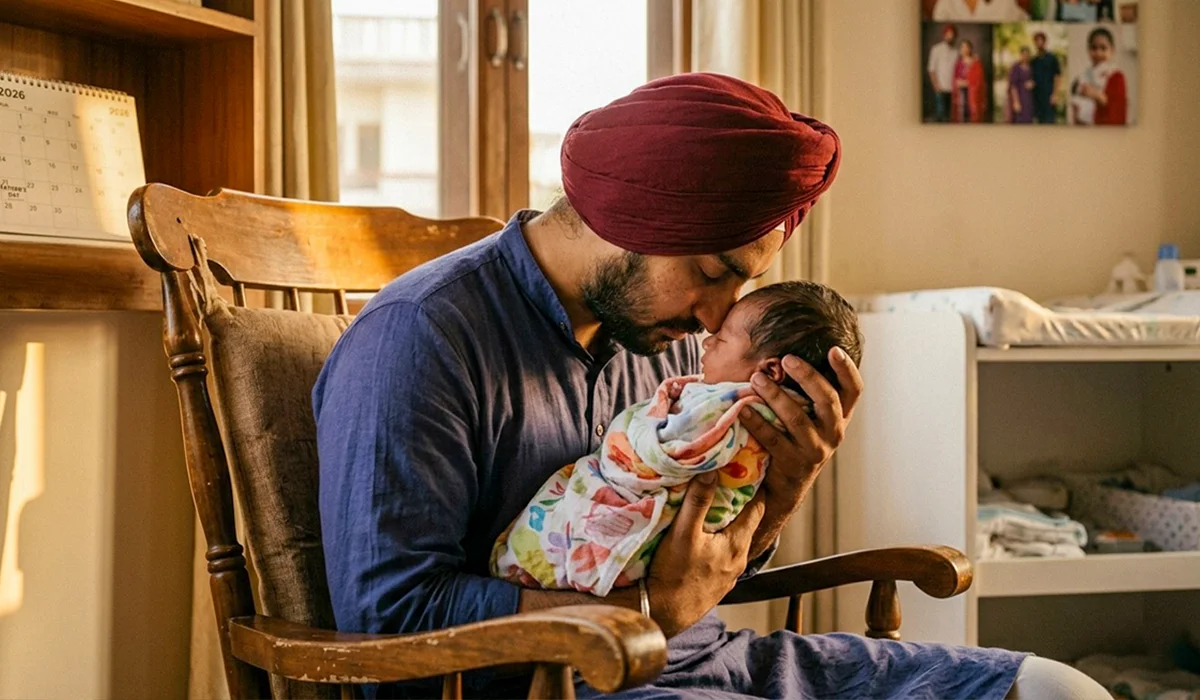

From childhood, men are taught that “men do not cry” or that “men should not appear weak.”
When the cry of a newborn echoes in a home, the entire family lights up with joy. Congratulations begin to pour in, and applause, respect and empathy rightly go to the mother. But amid this happy atmosphere, another important member of the family — the father — often silently enters a new and unseen phase of struggle. Without stopping, without taking a breath, and often without anyone noticing, he hides his emotions and stands like a shield for the family.
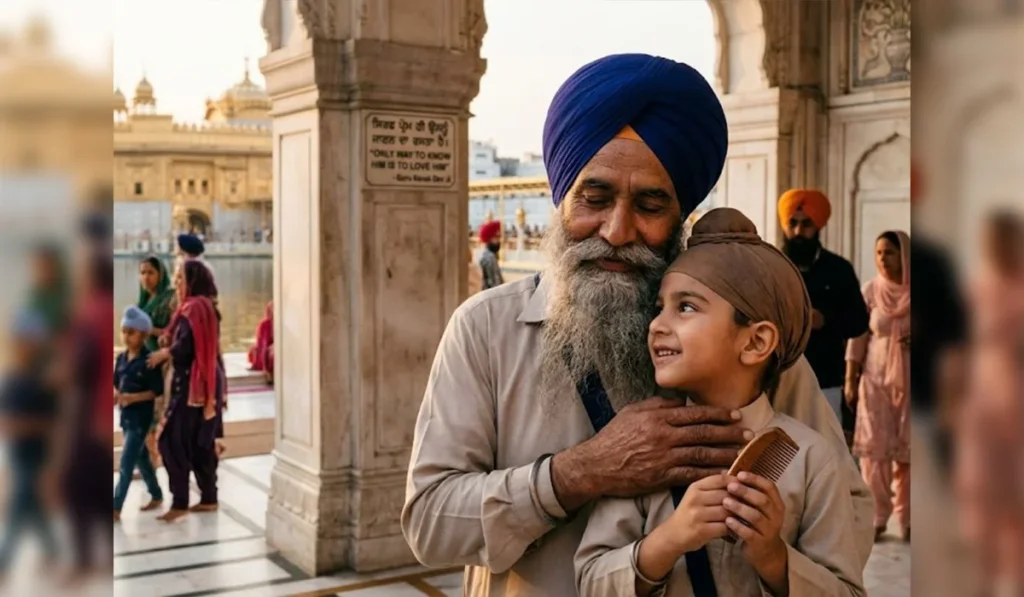
On the special occasion of Father’s Day 2026, a new American study has shed light on this silent reality of fathers. The study raises a serious question before society and policymakers: are we giving fathers’ mental health the seriousness it deserves?
This recent study is based on data from the respected Ohio Fatherhood Survey conducted in the United States during 2022–23. The large-scale research included 4,290 fathers. Researchers used modern scientific measures of mental health to closely examine these men’s experiences and inner struggles.
The Survey Findings Are Deeply Concerning
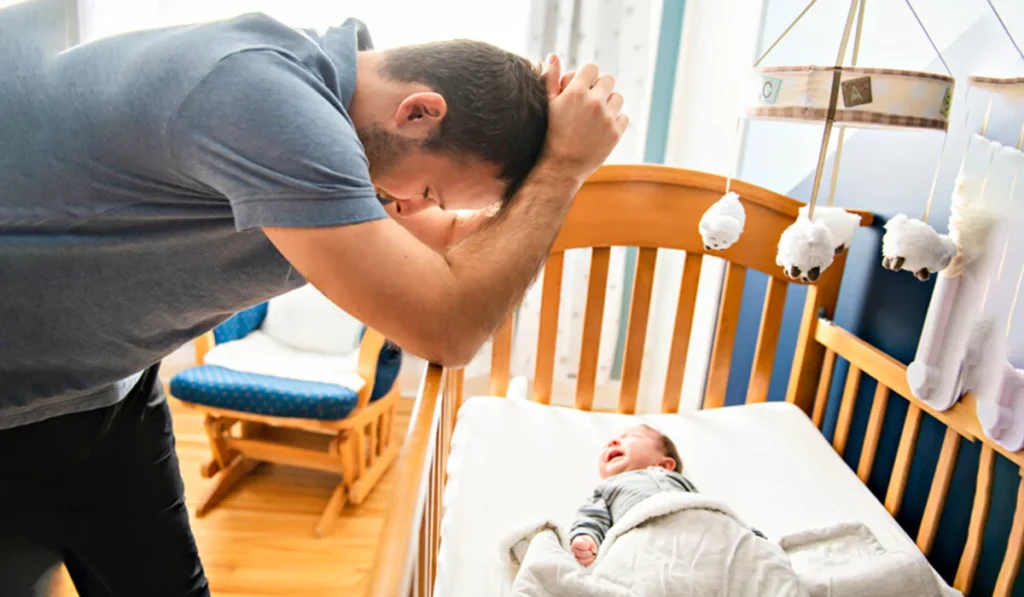
Nearly 6.6% of fathers showed clear symptoms of clinical depression. Around 11% said they were struggling with severe anxiety and mental distress.
On the issue of leave, only 54% of fathers received paid parental leave at the time of their child’s birth. Around 22% had to take unpaid leave to care for their newborn and spouse. The most painful finding was that 15% of fathers did not take even a single day off after the birth of their child and continued going to work.
According to researchers, financial insecurity and workplace pressure are among the biggest reasons behind the worsening mental health of new fathers. The report shows that fathers who took unpaid leave had much higher levels of anxiety and depression than those who received paid leave.
Social Beliefs and Silent Mental Struggles
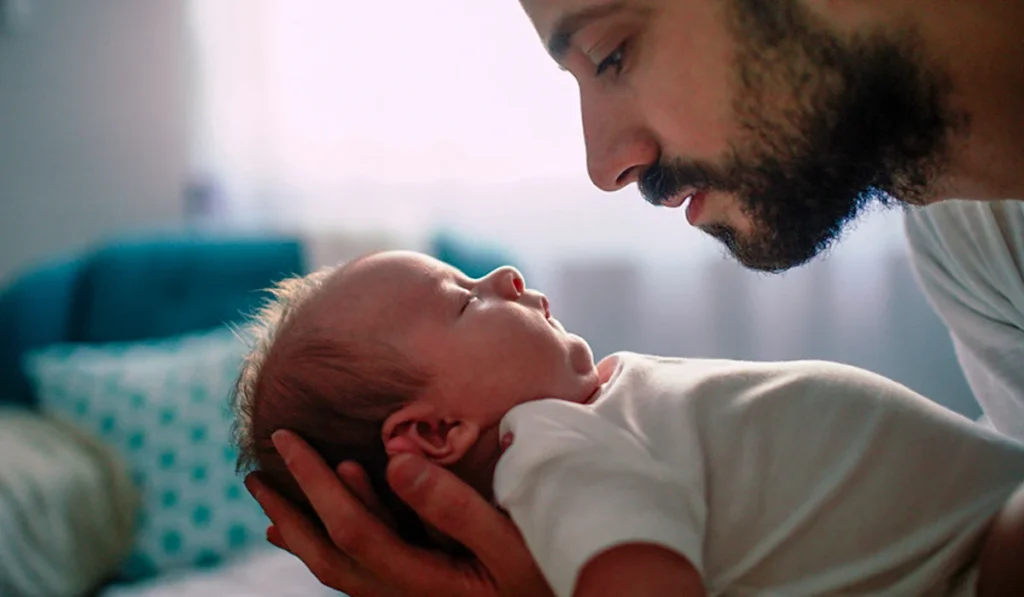
In today’s modern but expensive world, the arrival of a new child suddenly increases medical expenses and the financial burden of childcare. Many fathers stop themselves from taking leave because they fear loss of income, job insecurity or weakening of their position at work.
As a result, they get trapped in a complicated cycle. On one side, there is emotional responsibility toward the family; on the other, there is the fear of financial pressure. This double burden badly affects their mental balance.
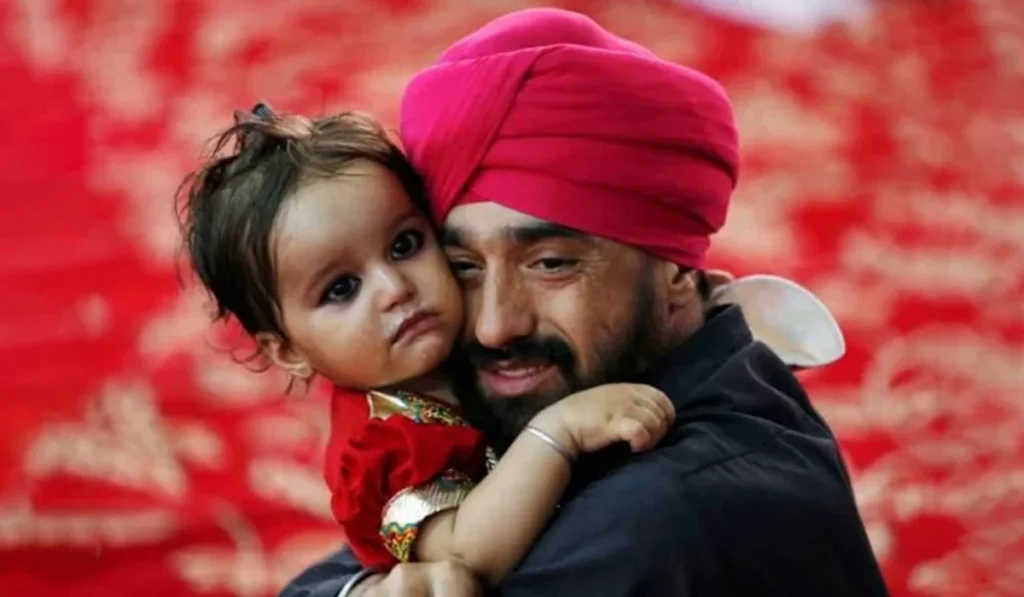
For centuries, society has seen the father mainly as a “provider” and a “strong man.” From childhood, men are taught that “men do not cry” or “men should not look weak.” Because of this social conditioning, many new fathers may look calm and strong on the outside, but inside they are struggling with severe sleep deprivation, worries about the child’s future and the pressure of new family responsibilities.
Experts say this is not simply an individual weakness; it is a failure of the social structure. While conversations around maternal depression have slowly begun, fathers’ exhaustion, loneliness, fear and mental stress are often completely ignored. No one asks them, “How are you?”
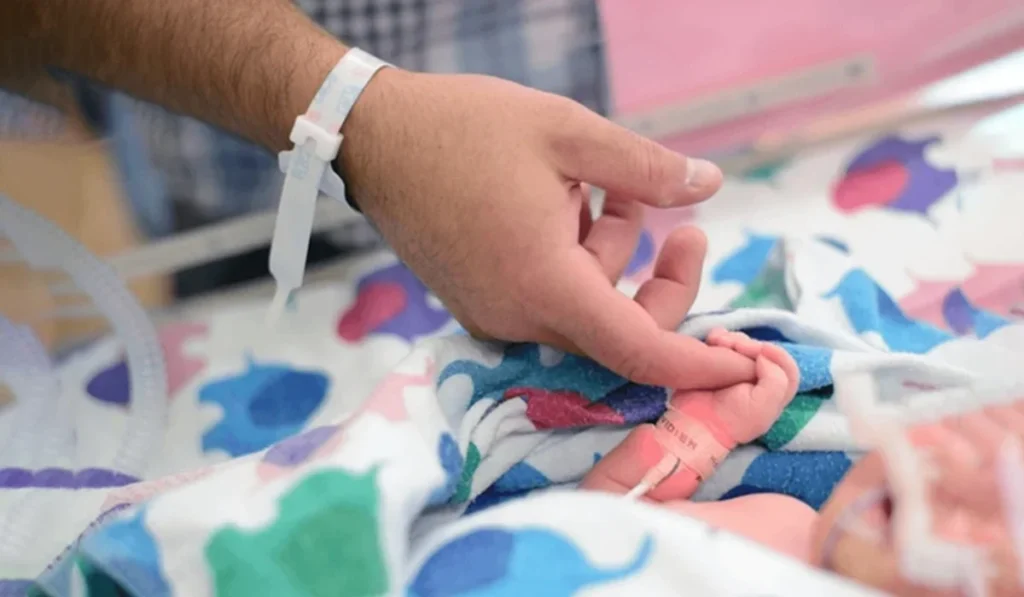
One positive finding of this American study is that when fathers are given proper institutional support, paid paternity leave and financial security, their mental health improves significantly.
When a father is able to stay with the child during the early days, the emotional bond between father and child becomes stronger. He is also able to support his wife and contribute to family stability. This helps men feel that they are not merely machines for earning money, but equal and important participants in nurturing the family.
The Need for Change Around an Unheard Reality
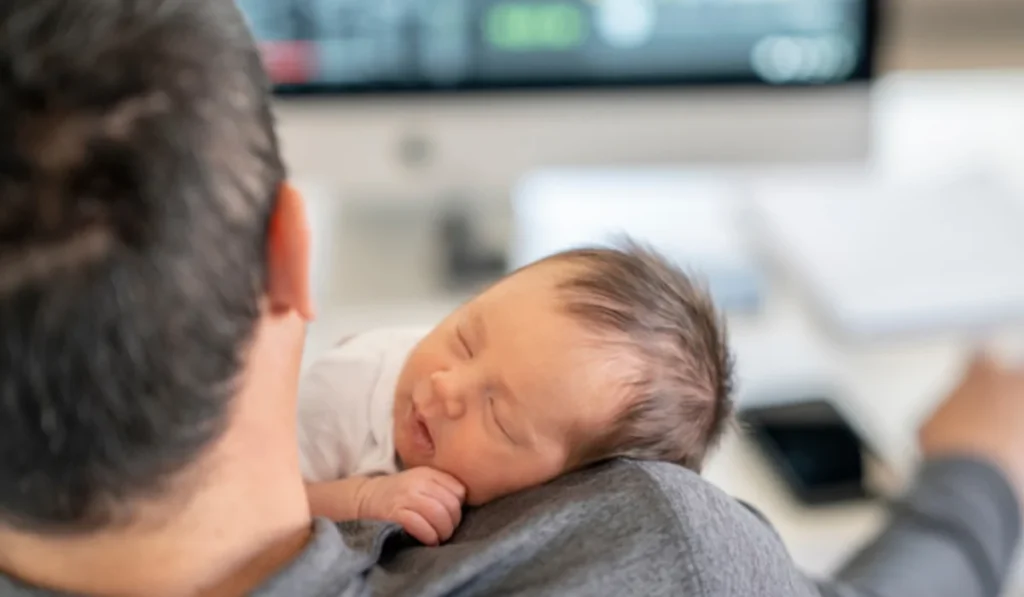
This problem is not limited to America. In developing countries like India, where paternity leave rules in the private sector are weak or almost absent, the situation is even more serious. Many fathers are forced to return to the office or daily-wage work the very next day after their child is born.
Several global studies have also shown that when fathers do not receive mental and emotional support, the risk of family conflict and strain in marital relationships increases. It is time for the corporate world and governments to create more sensitive policies around men’s mental health and work-life balance.
Questions That Still Remain

Father’s Day 2026 is not just an occasion to post pictures on social media or offer formal gifts to fathers. It asks us to seriously think: are we able to understand the heart of the father who silently fights a battle within himself every day?
Are we giving him an environment where he can share his tiredness and mental pain without hesitation?
Perhaps society does not yet have a complete answer. But the good thing is that after this new research, the silence around fathers’ neglected pain is beginning to break, and an important conversation has finally begun.


Leave a Comment