

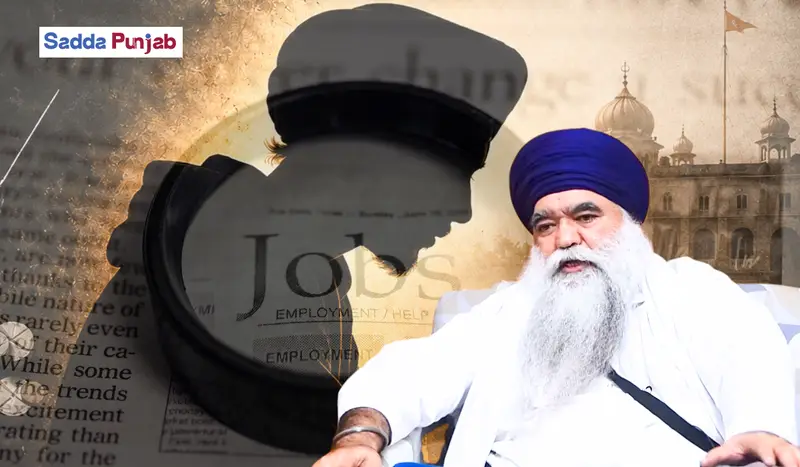

Punjab, the sacred land of five rivers, has a long history of resisting oppression—from the Mughal era to British rule. It is also remembered for the immense sacrifices made by Sikhs during India’s struggle for freedom. Yet today, this land faces a different set of challenges. According to Sant Giani Harnam Singh Khalsa Bhindranwale, the head of Damdami Taksal, Punjab’s most pressing concerns are unemployment, drug addiction, and religious conversions. In his view, these issues are not only weakening the social fabric of the state but also affecting the foundations of Sikh religious and cultural identity.
The Legacy of 1984 and the Wounds of Punjab
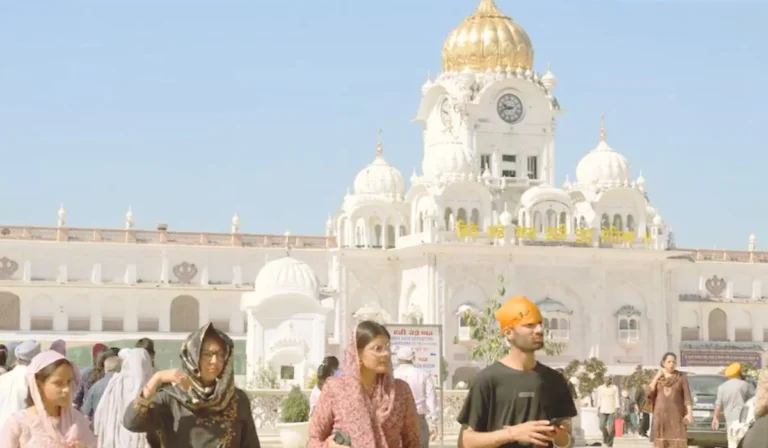
Reflecting on Sikh history and collective memory, Sant Giani Harnam Singh says that Punjab’s contemporary story cannot be separated from the events of June 1984. He describes the military action at Sri Harmandir Sahib (Golden Temple) and Sri Akal Takht Sahib as a deeply painful chapter in Sikh history.
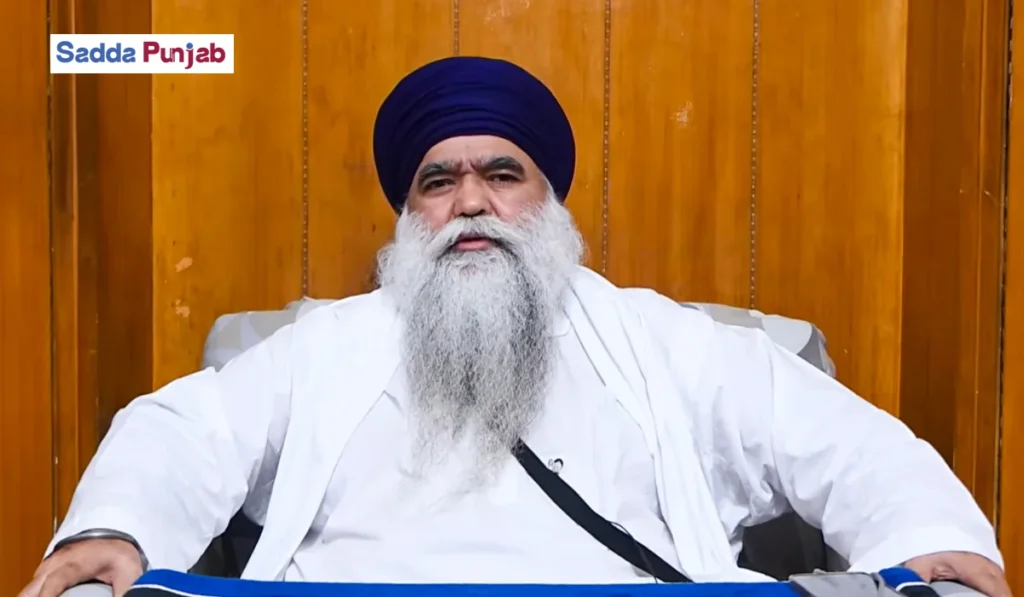
According to him, the attack resulted in the destruction of Sikh religious institutions and led to the deaths of many individuals, including devotees, musicians performing kirtan, and civilians present within the complex.
He recalls that under the leadership of Sant Jarnail Singh Khalsa Bhindranwale, many Sikhs sacrificed their lives in defense of their principles. Every year, when June arrives, those memories resurface for many members of the Sikh community. To preserve historical awareness among younger generations, Damdami Taksal organizes annual commemorative events, including kirtan, religious discourses, and remembrance programs.
Unemployment and the Drug Crisis
Sant Giani Harnam Singh expresses concern over what he describes as a growing sense of despair among Punjab’s youth. He points out that many farmers continue to struggle under debt, while traders, laborers, and other working communities face economic uncertainty.
Despite the hard work of Punjab’s people, he believes sufficient employment opportunities have not been created for young people. The resulting frustration and lack of opportunities, he argues, have contributed to the spread of drug abuse across the state.
He notes that many young Punjabis are selling land, taking loans, and migrating abroad in search of better prospects. Some undertake dangerous migration routes and never achieve the dreams that inspired them to leave. In his view, this trend represents one of the greatest challenges facing Punjab’s future.
Concerns About Religious Conversion
Speaking about religious conversions in rural Punjab, Sant Giani Harnam Singh argues that economically vulnerable communities are often targeted through promises of financial assistance, employment opportunities, or medical support.
He emphasizes that Sikh teachings reject caste discrimination and uphold the equality of all human beings. Quoting the teachings of Guru Nanak Dev Ji, he notes that all people are manifestations of the same Divine Creator.
According to him, social and economic hardships make certain sections of society more vulnerable to such influences. He believes Sikh institutions should support marginalized communities more actively, while governments should develop policies that address concerns related to religious conversion.
Leadership Challenges and the Need for Unity
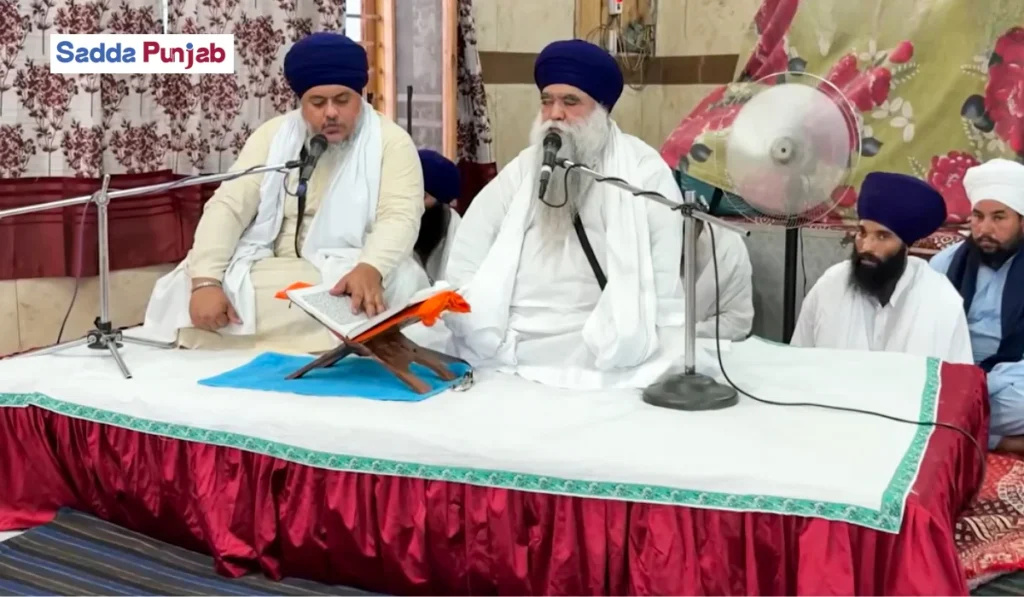
Discussing the state of Sikh and Punjabi leadership, Giani Harnam Singh argues that one of the greatest challenges facing the community is a lack of unity and long-term vision.
He suggests that political and religious leaders have often struggled to adapt to changing circumstances and that personal differences have weakened collective efforts. In his view, mutual respect and cooperation are essential for addressing Punjab’s major social and economic issues.
He believes that stronger democratic engagement and constructive dialogue with governments could have produced better outcomes for Punjab. If leadership fails to provide direction, he says, ordinary citizens and community members must become more aware and take greater responsibility for the future of their society.
The Importance of Shastar Vidya and Spiritual Development
Even in an age dominated by science and technology, Sant Giani Harnam Singh stresses the importance of traditional Shastar Vidya (martial arts and martial training).
According to him, Shastar Vidya is not merely about physical combat. Rather, it strengthens the spirit, character, discipline, and courage of an individual. A spiritually strong person, he argues, is better equipped to stand against injustice and oppression.
At the same time, he emphasizes that genuine spirituality is more important than outward displays of religiosity. Daily recitation of Gurbani, remembrance of God’s name, selfless service, and humility are, in his view, the foundations of personal growth.
He adds that the Sikh ideal of “Halemi Raj”—a society based on humility, justice, and compassion—cannot be realized without cultivating humility at the individual level.
Education as the Key to Punjab’s Future
Looking toward the future, Sant Giani Harnam Singh believes that the coming era will be defined not by land ownership or traditional business alone, but by education and knowledge.
He argues that communities possessing both worldly education and spiritual wisdom will be best positioned to succeed. According to him, the combination of modern learning and religious education offers the strongest path forward for Punjab.
Highlighting the initiatives of Damdami Taksal, he explains that at its headquarters, Gurdwara Gur Darshan Prakash, Mehta, students receive free education, accommodation, and meals from middle-school level through postgraduate studies. The organization is also involved in operating educational institutions, colleges, hospitals, and training academies.
He further notes that during the COVID-19 pandemic, volunteers associated with the Taksal distributed medicines and assistance across thousands of villages without seeking publicity, viewing it as an act of humanitarian service.
A Vision for Punjab’s Future
Sant Giani Harnam Singh concludes that Punjab does not need a miracle to overcome its challenges; it needs collective effort, unity, and social responsibility.
In his view, meaningful change will come only when young people move away from drug addiction, pursue higher education, strengthen their moral and spiritual foundations, and work together for the common good.
He believes that peaceful struggle, education, humility, compassion, and adherence to ethical principles can help Punjab regain its prosperity and social strength in the years ahead.

Leave a Comment