

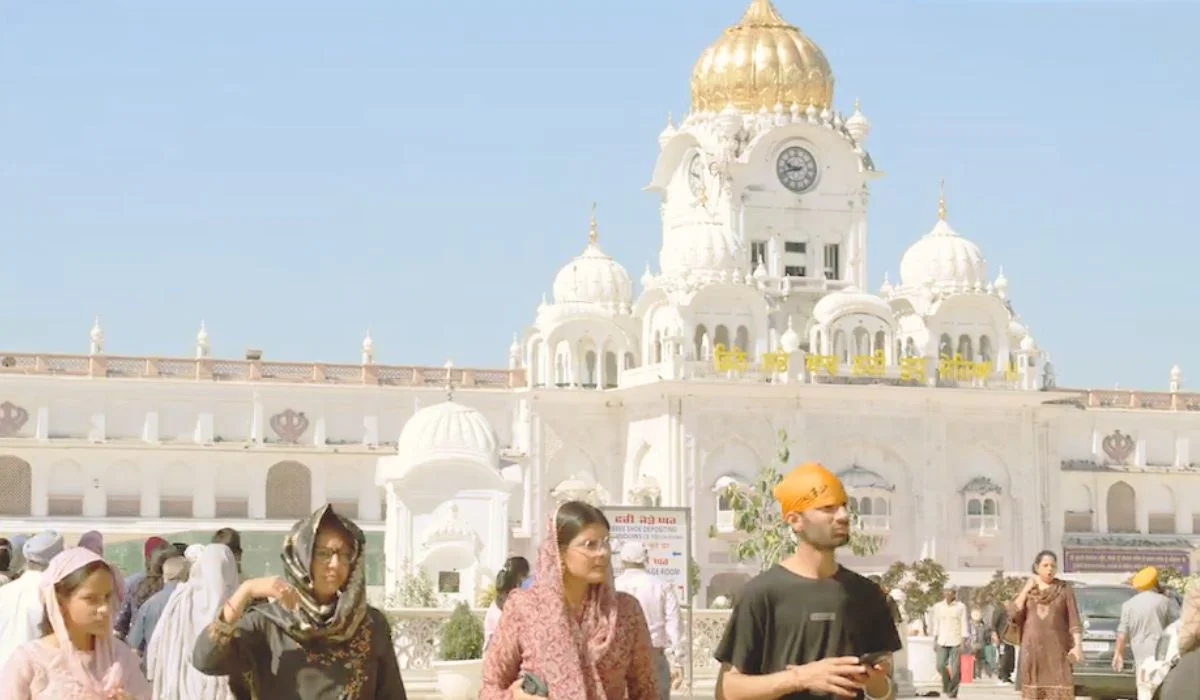

One of the most fascinating aspects of Punjab’s cultural landscape is that the names of its cities are not merely geographical labels—they are living chapters of history. This land of saints, warriors, poets, and kings carries centuries of heritage in the very names of its towns and cities. While these names are part of everyday conversation, few people realize that behind them lie stories of spiritual devotion, royal dynasties, heroic sacrifices, and legendary events.
Amritsar: The City of Divine Nectar
The first name that comes to mind is Amritsar, the spiritual heart of Punjab. The city derives its name from the sacred Amrit Sarovar (Pool of Nectar), which was excavated under the guidance of the fourth Sikh Guru, Guru Ram Das Ji.
Later, the iconic Harmandir Sahib (Golden Temple) was constructed in the middle of this sacred pool, making Amritsar one of the most revered pilgrimage destinations in the world. Beyond its religious significance, the city has witnessed defining moments in Indian history, including the tragic Jallianwala Bagh Massacre, which played a crucial role in India’s freedom struggle.
Faridkot: Named After a Great Sufi Saint
The city of Faridkot owes its name to the revered Sufi saint Baba Farid, whose teachings continue to influence spiritual traditions across Punjab.
According to local tradition, a ruler once attempted to force Baba Farid into performing manual labour. However, a miraculous event occurred when a basket filled with sand reportedly rose into the air without human support, demonstrating the saint’s spiritual power. Over time, the settlement became associated with Baba Farid and came to be known as Faridkot.
Even today, the city remains closely connected with Punjab’s rich Sufi heritage and spiritual traditions.
Jalandhar: A City of Myth and Geography
The origins of Jalandhar are explained through two popular traditions.
One belief links the city to Jalandhar, a powerful demon mentioned in Hindu mythology who was said to dwell in water. According to this tradition, the city inherited his name.
Another explanation is geographical. Jalandhar lies between the rivers Sutlej and Beas, and the term “Jalandhar” is believed to mean “land within waters” or “land surrounded by water.”
Today, Jalandhar is internationally recognized as a major manufacturing hub for sports goods. Equipment used by athletes around the world is produced here, earning the city a global reputation.
Ludhiana: The City of the Lodhis
The name Ludhiana traces its roots to the Lodhi dynasty. Historical records suggest that two chiefs, Yusuf Khan and Nihang Khan, established the settlement during the reign of Sikandar Lodhi.
The city was originally called Lodhiana, meaning “the town of the Lodhis.” Over time, pronunciation changes transformed Lodhiana into Ludhiana.
Today, Ludhiana is Punjab’s largest industrial centre and is often referred to as the “Manchester of Punjab.” The city is renowned for its textile industry, hosiery manufacturing, bicycle production, and engineering enterprises.
Sri Muktsar Sahib: The Land of Liberation
The name Sri Muktsar Sahib is deeply connected to Sikh history and sacrifice.
The city commemorates the historic Battle of Khidrana, where forty Sikhs fought courageously and laid down their lives while defending Guru Gobind Singh Ji. According to Sikh tradition, Guru Gobind Singh Ji blessed these martyrs with spiritual liberation (mukti).
As a result, the place came to be known as Muktsar, meaning “the Pool of Liberation.” Every year, the historic Maghi Mela is held here to honour the memory of these forty liberated Sikhs, known as the Chali Mukte.
Patiala: The Royal City
The princely city of Patiala was founded by Baba Ala Singh, the founder of the Patiala royal dynasty. The city’s name is believed to be derived from the words “Patti” (territory) and “Ala” (Ala Singh), meaning the territory of Ala Singh.
Patiala grew around the historic Qila Mubarak, which became the centre of the Patiala State. The city continues to be known as Punjab’s Royal City and remains famous for its regal traditions.
Patiala’s cultural identity is reflected in its celebrated Patiala turban, Patiala salwar, traditional footwear, and distinctive royal customs. Magnificent landmarks such as Qila Mubarak, Sheesh Mahal, and Moti Bagh Palace continue to showcase the grandeur of its princely past.
A Heritage Written in Place Names
The names of Punjab’s cities are more than historical references—they are reminders of the people, events, and traditions that shaped the region. From the spiritual legacy of Amritsar and Faridkot to the royal grandeur of Patiala, from the industrial strength of Ludhiana to the heroic memories of Muktsar Sahib, each city carries a story that connects modern Punjab with its remarkable past.
Together, these names form a living map of Punjab’s cultural heritage, preserving centuries of faith, courage, resilience, and identity for future generations.

Leave a Comment