

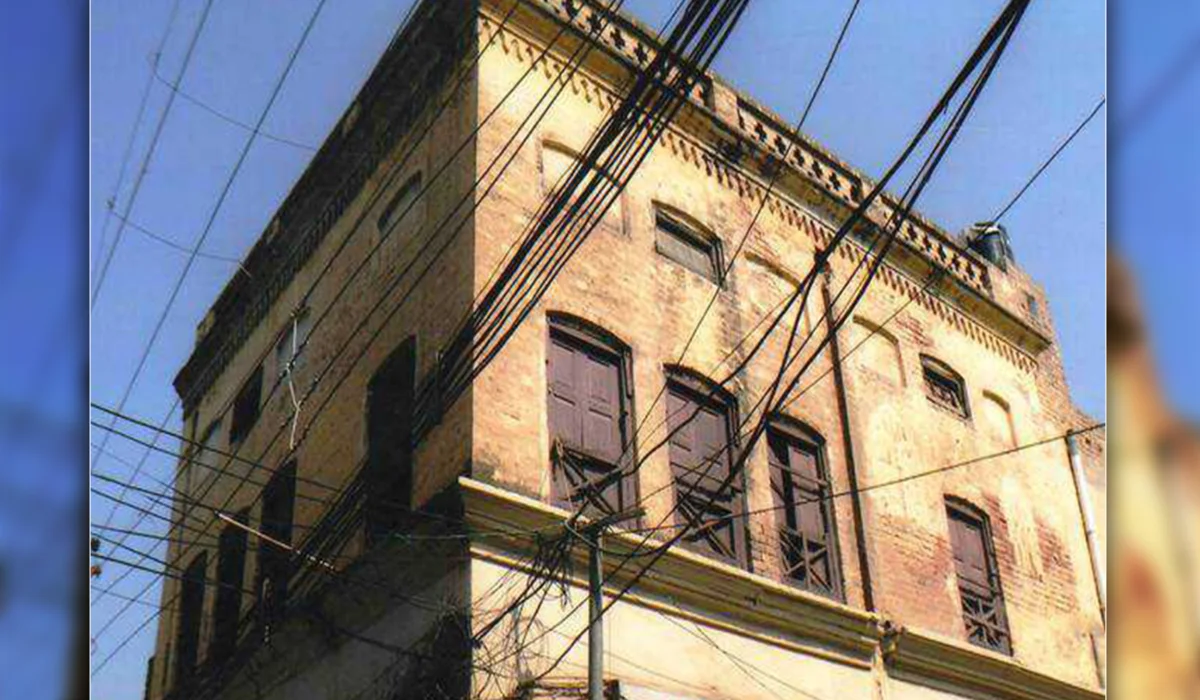

Ferozepur, a city in Punjab, is known as the land of martyrs. In its narrow lanes stands a building whose walls still seem to sing the songs of revolution. This was the secret hideout where Chandrashekhar Azad’s pistol once roared and where Bhagat Singh planned the assassination of Saunders. But did you know that in one of this city’s crowded markets lies buried a revolutionary site that once kept the British administration awake at night?
That place is the secret hideout in Toori Bazaar, which in 1928 served as the Punjab headquarters of the Hindustan Socialist Republican Association.
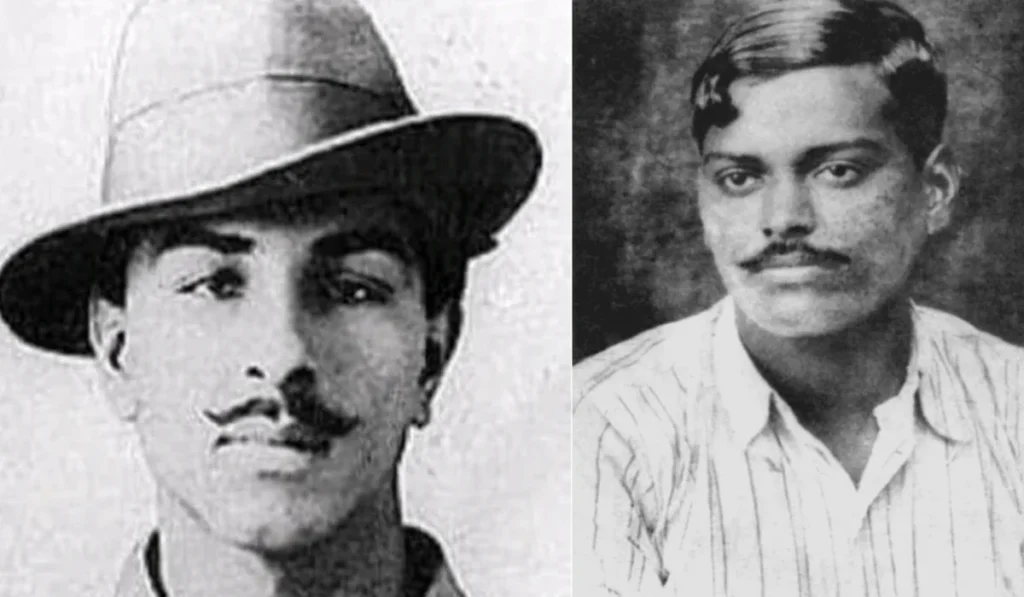
Here, Dr. Gaya Prasad ran what appeared to be a dispensary, but in reality, the upper floor was used to store bomb-making material. For decades, this building remained anonymous until historian Rakesh Kumar brought it before the world through his research. In 2015, it was declared a protected building, but even today this martyrdom-linked site remains neglected by the authorities. Neither has a museum been built here, nor a library.
A Neglected Legacy of Revolution
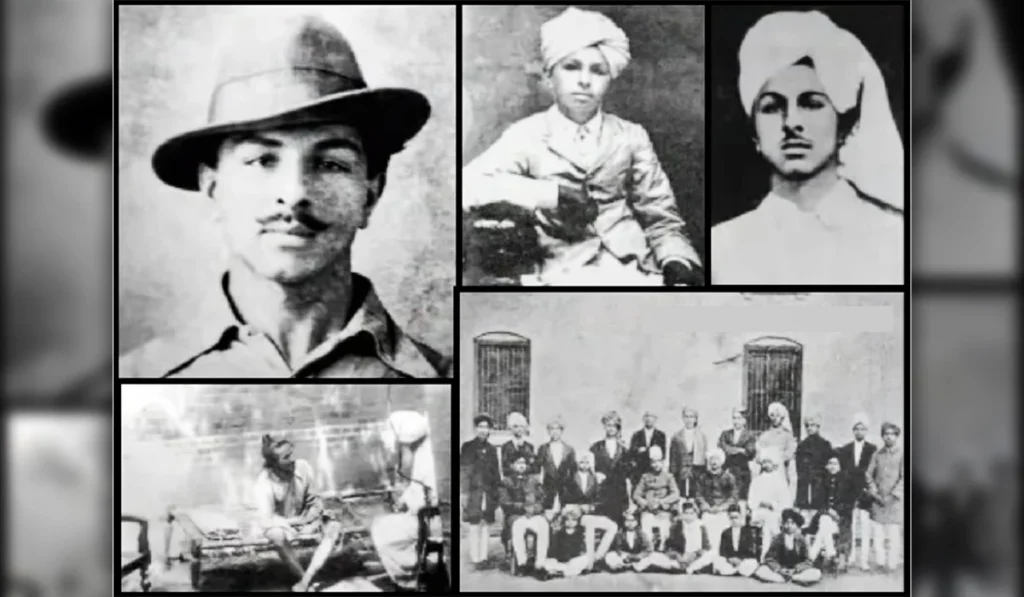
In the history of India’s freedom struggle, the sacrifices of Shaheed-e-Azam Bhagat Singh and his comrades are written in golden letters. Yet it is deeply unfortunate that even decades after independence, many important revolutionary memorials in the country remain lost in obscurity.
One such historical building is this secret hideout located in Toori Bazaar, Ferozepur, which once served as a key center of activity for the Hindustan Socialist Republican Association.
Chosen in August 1928, this site functioned as the revolutionary party’s headquarters in Punjab. To understand its significance, it is necessary to recall a few important events. when the party was planning a treasury raid in Bihar, Bhagat Singh’s hair and beard were cut here by his revolutionary associates in order to hide his identity. The full strategy for avenging the death of Lala Lajpat Rai by killing the British officer Saunders was also prepared under this roof, and revolutionaries practiced marksmanship here.
Dr. Gaya Prasad stored bomb-making material here under the cover of a medical dispensary. It was also here that revolutionary Shiv Verma wrote biographies of martyrs while living in hiding. Chandrashekhar Azad, Sukhdev, Mahavir Singh, and several other revolutionaries stayed here secretly for months at a time.
Even today, nearly even decades after independence, governments have still failed to properly recognize and preserve this historic building. Although the Deputy Commissioner of Ferozepur began proceedings to declare it a protected structure under public pressure, the reality remains disappointing. The building has neither been handed over to the archaeology department, nor turned into a museum or library. Governments that invoke the names of martyrs for political gain have still failed to protect this legacy.
Present-Day Conditions and the Dreams of the Martyrs
Even after independence in 1947, the martyrs’ dream of creating a society free from exploitation remains incomplete. Even today, a large section of the country’s population continues to struggle with poverty and debt, while a handful of corporate groups control major resources. Lakhs of young people in Punjab continue to search for a future amid unemployment.
In these dark times, it is the ideology of the martyrs that can still show us the way. Their legacy is not merely made up of stone buildings, but of a spirit that teaches us to fight for equality and justice.
The need of the hour is to preserve historic places like this secret hideout and turn them into centres of revolutionary education, so that future generations may understand the real dreams of those who sacrificed their lives. In the language of the revolutionaries, “the creation of a society free from exploitation would be the truest tribute to the martyrs.”
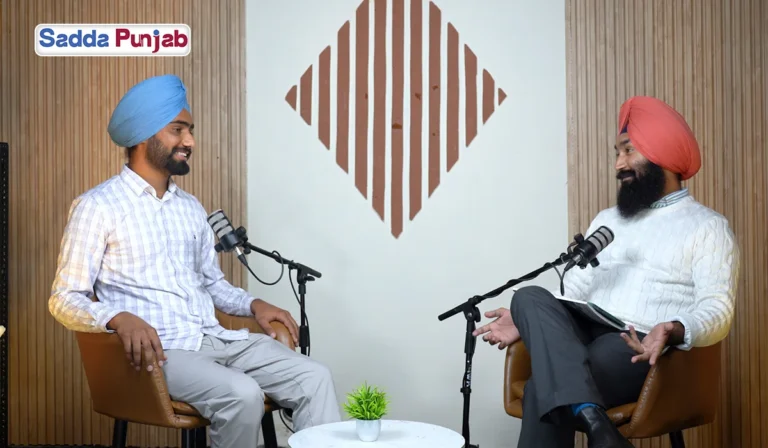
The credit for bringing this historic site before the public goes to Rakesh Kumar, a senior railway engineer and noted historian, whose background is linked with Sunam, the village associated with Shaheed Udham Singh. It is remarkable that no government, university, or archaeology department showed serious interest in locating this site. Rakesh Kumar closely studied the court records related to Bhagat Singh over many years and, through his personal efforts, articles, and thousands of pamphlets, turned this secret hideout into a subject of public discussion.
As he puts it:
“Freedom was not merely the transfer of power from white rulers to brown rulers; freedom meant the creation of a society free from exploitation.”
“The day these marks of history disappear, our future generations will forget their identity.”

Leave a Comment