

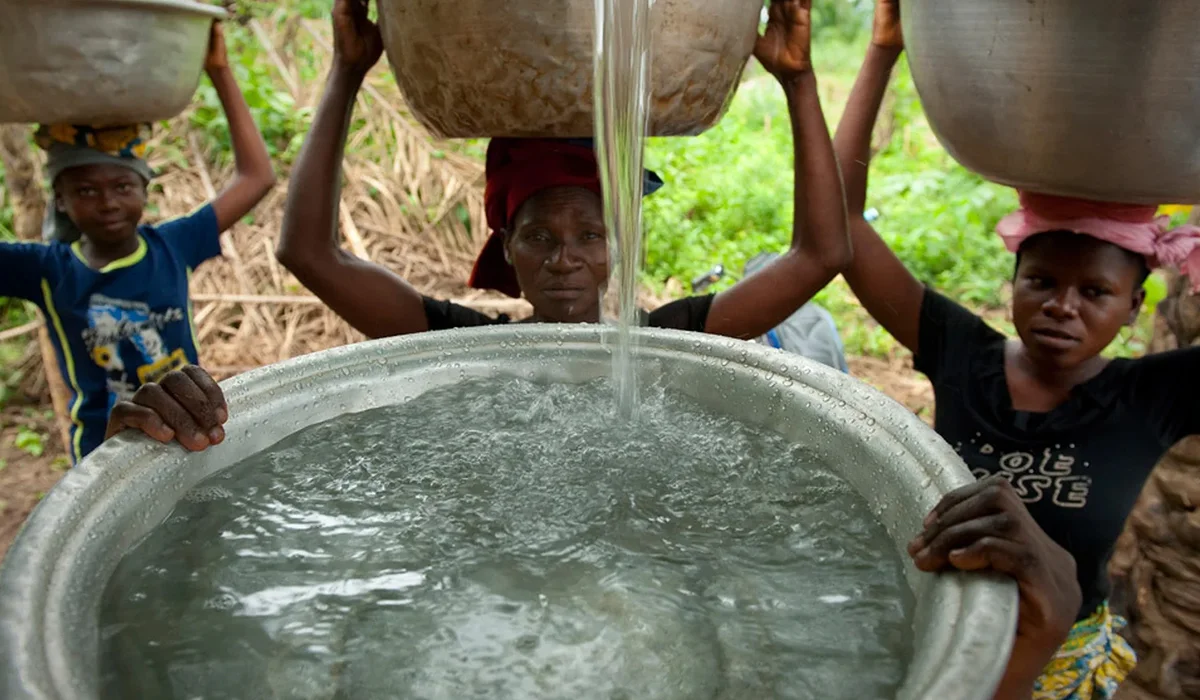

In villages and settlements across the world, the day begins for millions of women even before sunrise. In South Asia, Sub-Saharan Africa, and many other regions, women walk long distances, stand in long queues, and carry containers of water back home. This has become part of their daily routine and an essential necessity. Yet it is also a form of labour that receives no wages, is rarely counted, and is often overlooked by society.
The latest United Nations World Water Development Report 2026 brings this reality into sharp focus. According to the report, what is often described as a “low-cost” water system is, in fact, sustained by the unpaid labour of women. It is labour that keeps households running, but remains invisible in economic statistics.
Precious Time Sacrificed for a Basic Need
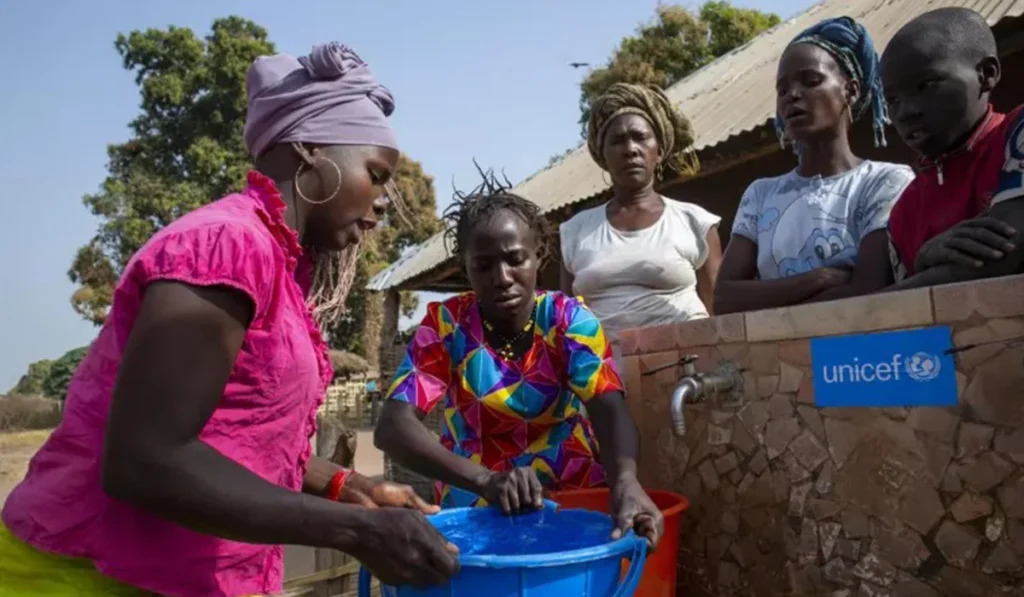
The scale of this neglected labour is staggering. Earlier UNICEF estimates said that women and girls spent around 200 million hours every day collecting water. The new UN report places that figure even higher, at 250 million hours per day worldwide. This is valuable time that could otherwise have gone toward education, paid work, rest, or leisure, but is instead consumed by the basic struggle for survival.
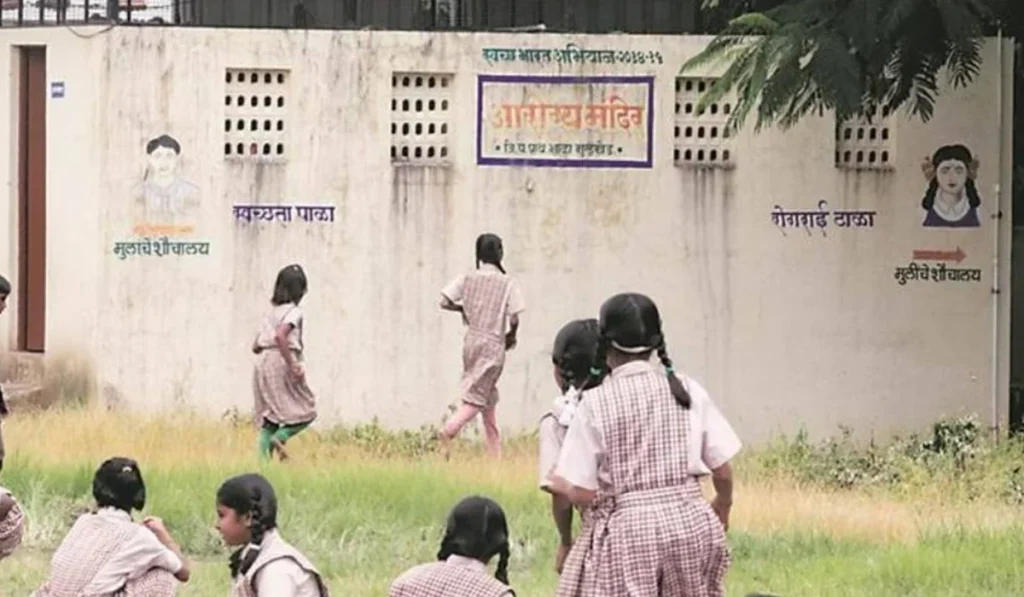
For girls, the consequences are especially severe. A lack of safe water and toilets in schools creates a serious barrier to education. During menstruation, the absence of privacy and hygiene facilities can make school an uncomfortable and exclusionary space. Data from 41 countries show that between 2016 and 2022, an estimated 10 million adolescent girls aged 15 to 19 missed school, work, or social activities because of poor sanitation and hygiene conditions. In this way, a water problem slowly turns into an education crisis, cutting off girls’ opportunities before they can fully begin.
Men Own More Land, Women Carry More Burden
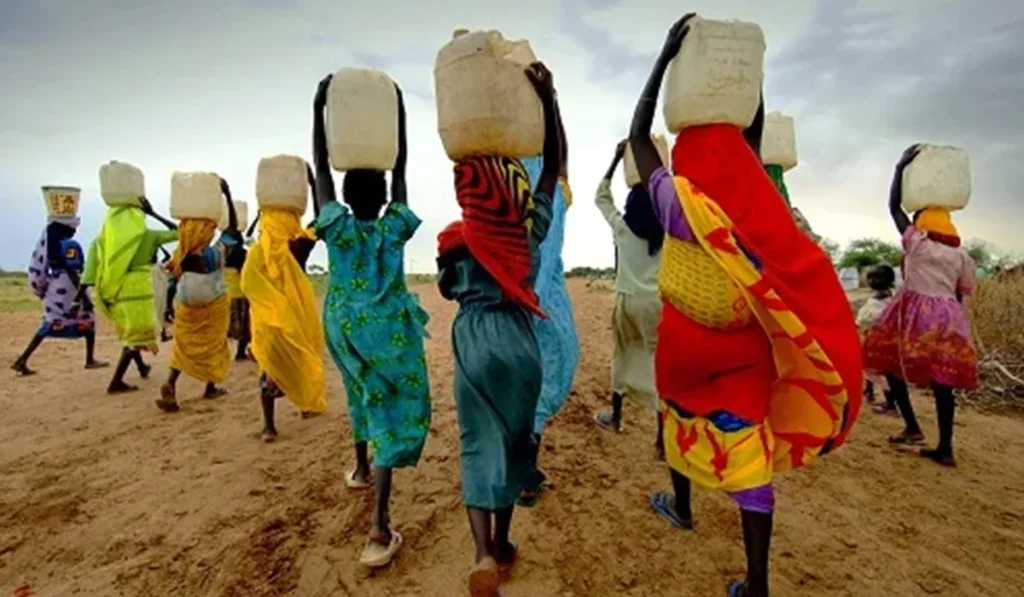
This burden does not remain confined to the home. It extends into agriculture as well. Women care for livestock and crops, yet land and water rights are often not in their hands. In many places, men continue to own substantially more land than women, and when men migrate to cities for work, women assume more responsibility without receiving corresponding control over decisions or income. The report argues that this imbalance is a structural part of water inequality.
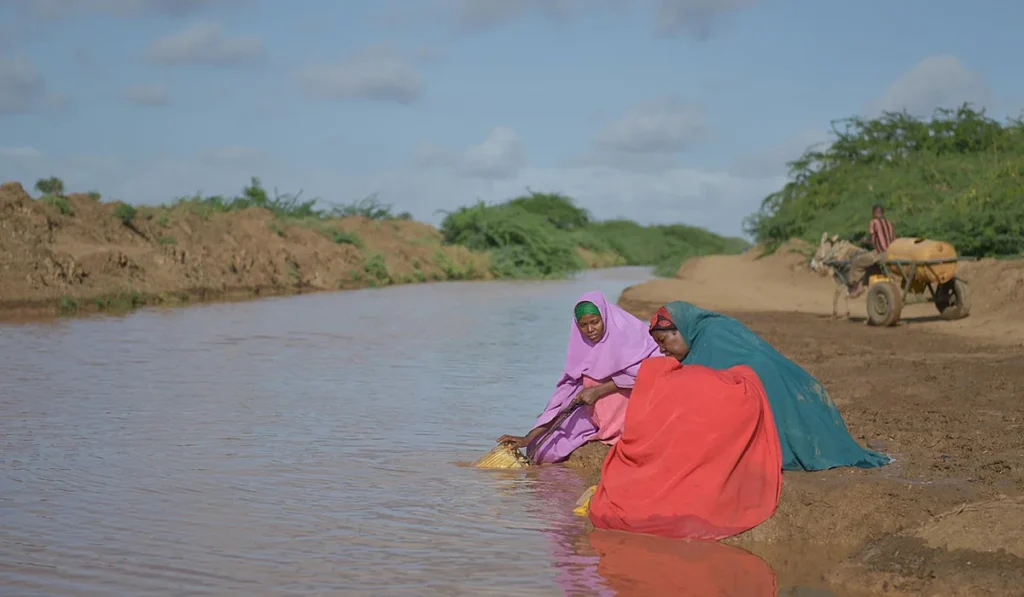
Despite carrying so much of the system on their shoulders, women remain underrepresented in water governance and formal water-sector jobs. In low- and middle-income countries, fewer than one in five workers in water utilities are women, and UNESCO’s 2026 report gives the global figure for utility employees at 17.7% in 2018–2019.
Climate Change Is Making the Burden Worse
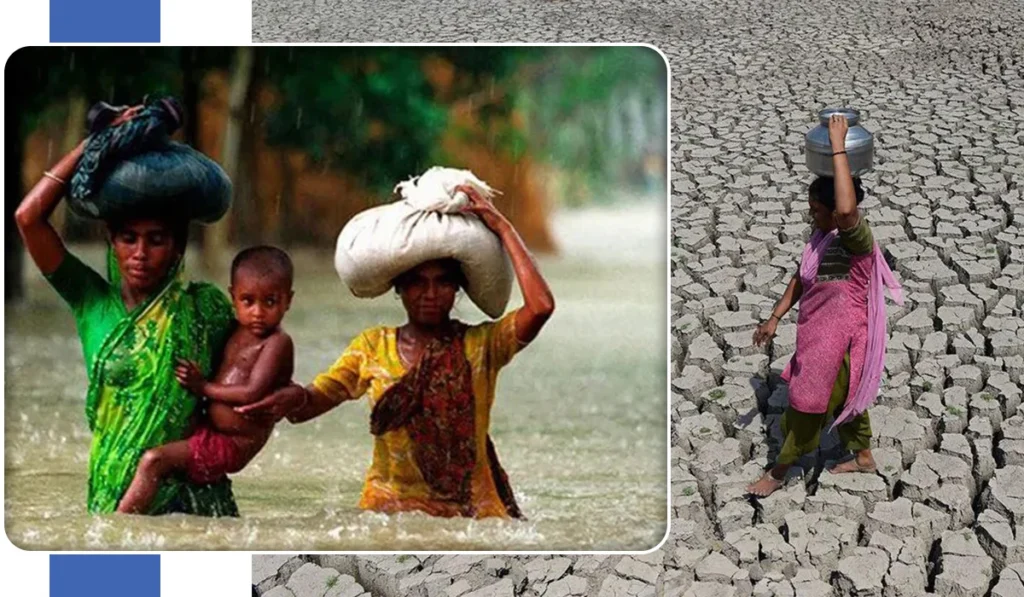
Climate change is now intensifying this inequality. Droughts and floods reduce and destabilize water sources, which in turn increases the time and effort required to obtain water. The report notes that even modest increases in temperature can hit women-headed households harder, especially where access to water is already insecure.
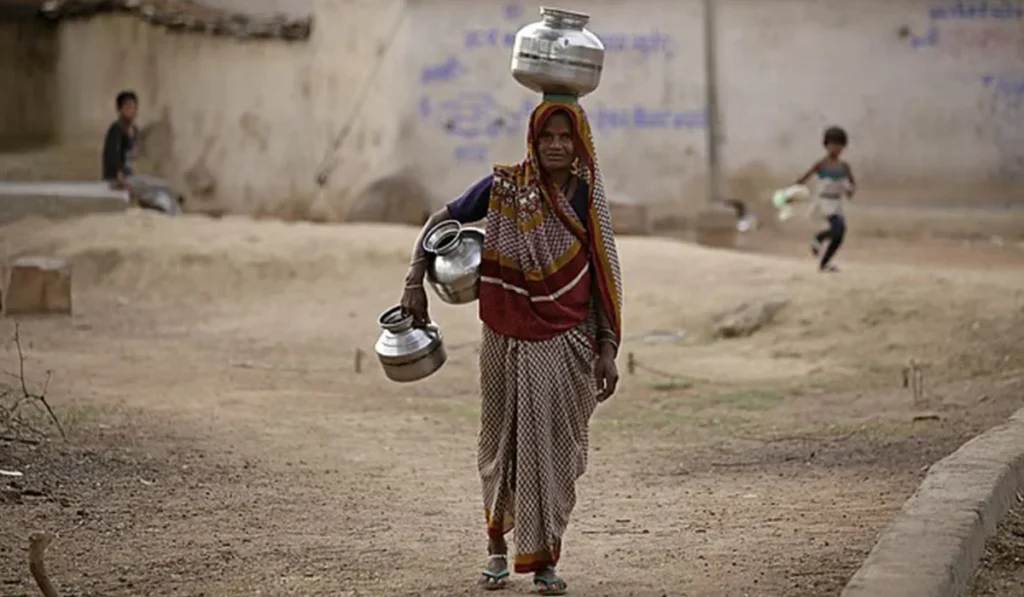
Globally, 2.1 billion people lack safely managed drinking water services, according to the 2026 World Water Development Report facts page. Women and girls bear a disproportionate share of the physical and mental burden this creates. They are not only fetching water, but also managing the survival of households at the cost of their own time, health, and opportunities.
Women’s Labour Must Be Recognized
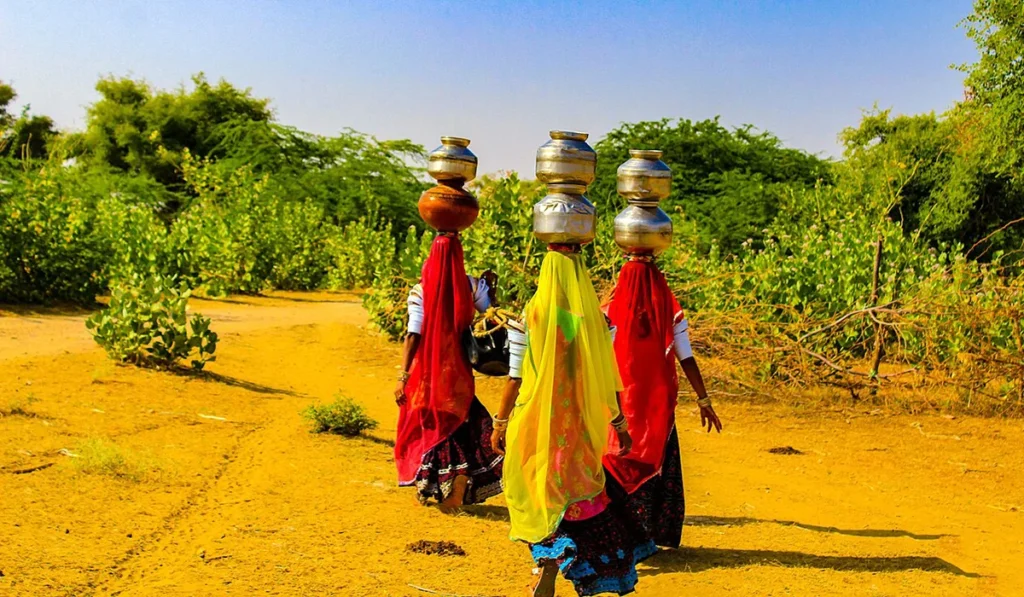
The UN report calls for urgent changes: women’s labour must be recognized, they must have stronger rights over land and water, and they must be given a real role in decision-making. UNESCO has also stressed that sustainable water management is not possible without women’s participation.
Until that happens, one question will remain unavoidable: the issue is not simply who has water, but who is paying its true cost. It is women whose time keeps this system alive. It is girls whose futures are being quietly taken away. And it is a world that continues to run on women’s labour while refusing to fully see it.
Leave a Comment