


The dark day at Lahore Fort when the Kohinoor was taken away
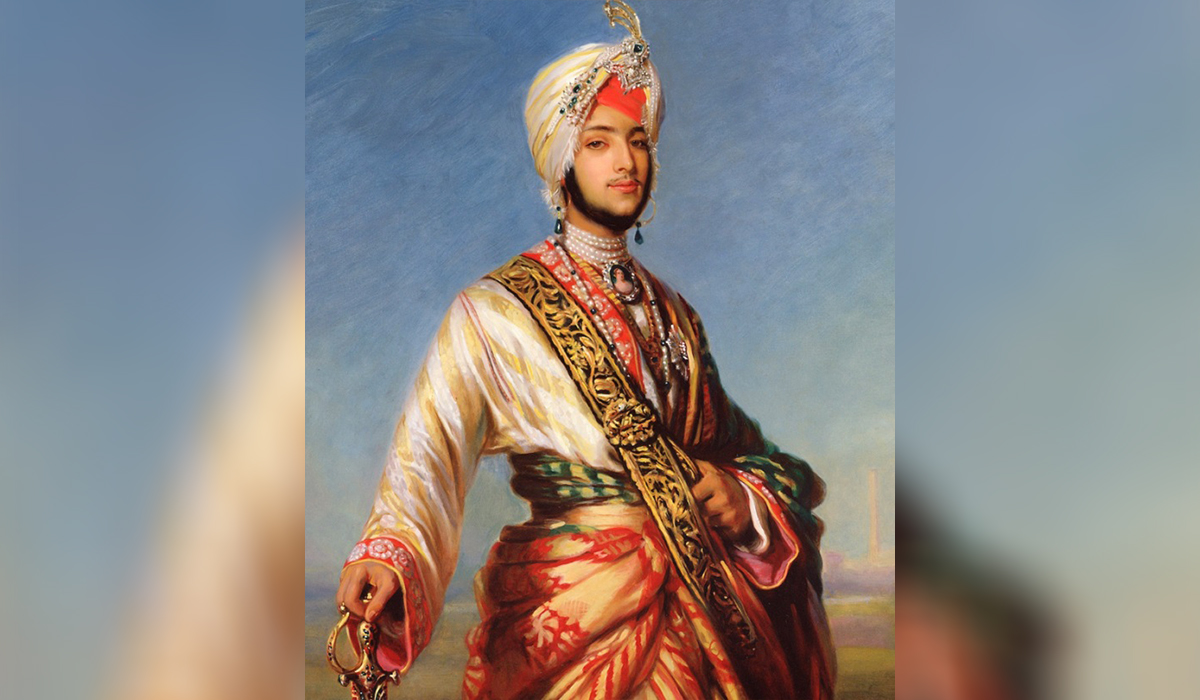
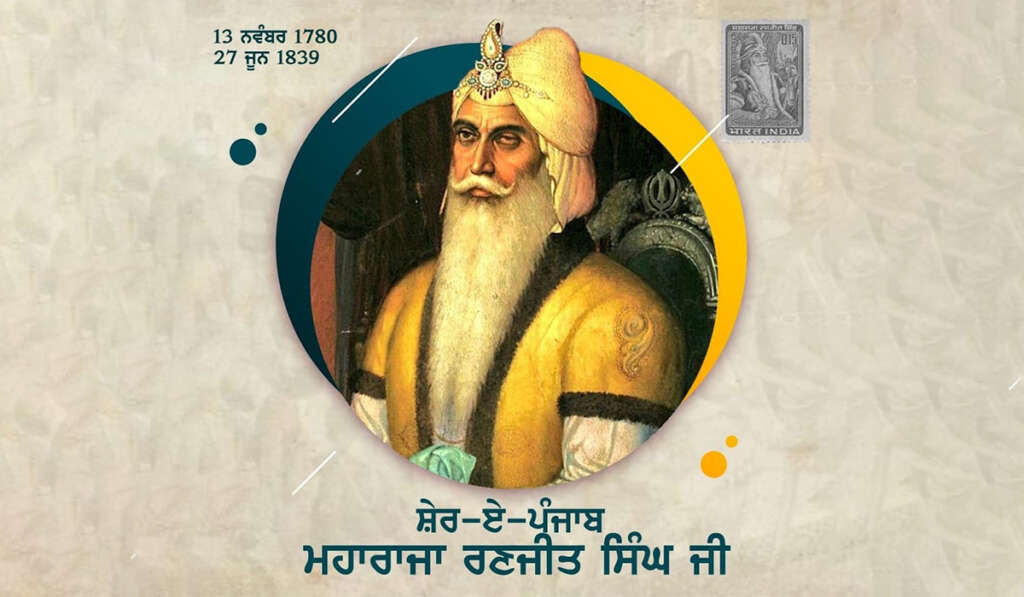
The date was March 29, 1849. The Sheesh Mahal inside Lahore’s historic fort was about to witness an event that would change the course of Indian history. Maharaja Duleep Singh, a child of just 10, was brought to the court. His face perhaps did not carry the seriousness that the moment demanded, because he was still unaware of the cruel games of politics. His father, Sher-e-Punjab Maharaja Ranjit Singh, had died a decade earlier, and his mother, Rani Jind Kaur, had already been forcibly removed from Lahore by the British.
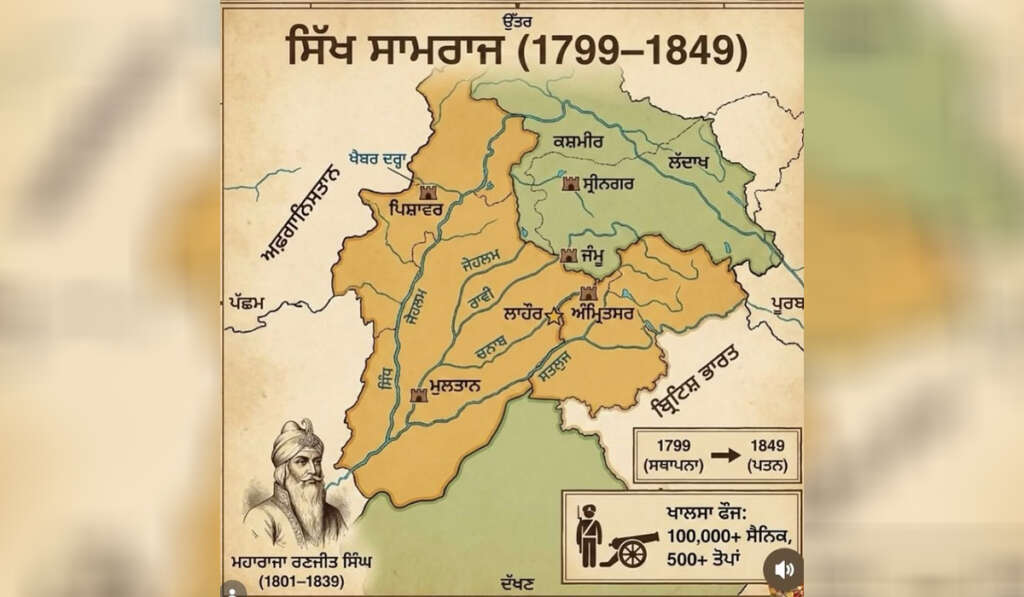
The Sheesh Mahal was surrounded by British soldiers dressed in red coats and hats. During a public ceremony, Duleep Singh signed the document in the presence of his remaining sardars, ending Punjab’s independence. Within minutes, the saffron flag of the Khalsa Raj was lowered from Lahore Fort, and the Union Jack of the East India Company began flying there. With this, the Sikh Empire came to an end, and the world’s most precious diamond, the Kohinoor, passed into British hands.
The bloody history of the Kohinoor diamond
The history of the Kohinoor is filled with mystery and bloodshed. According to a BBC report, it is believed that the diamond was taken from the eye of an idol in a South Indian temple. Historian William Dalrymple notes that its first authentic mention appears around 1750, when Persian historian Muhammad Marvi saw it during Nader Shah’s invasion of India. At that time, the diamond was set in the magnificent Peacock Throne of the Mughal emperors, which reportedly cost twice as much as the Taj Mahal.
When Nader Shah attacked Delhi, he defeated Mughal emperor Muhammad Shah Rangila and ordered a massacre. It is said that a dancer named Noor Bai told Nader Shah that Muhammad Shah had hidden the Kohinoor in his turban. Nader Shah cleverly exchanged turbans in the name of friendship. When the diamond came into his hands and he saw its brilliance, he reportedly exclaimed, “Koh-i-Noor.”
The journey of the Kohinoor from Nader Shah to Maharaja Ranjit Singh
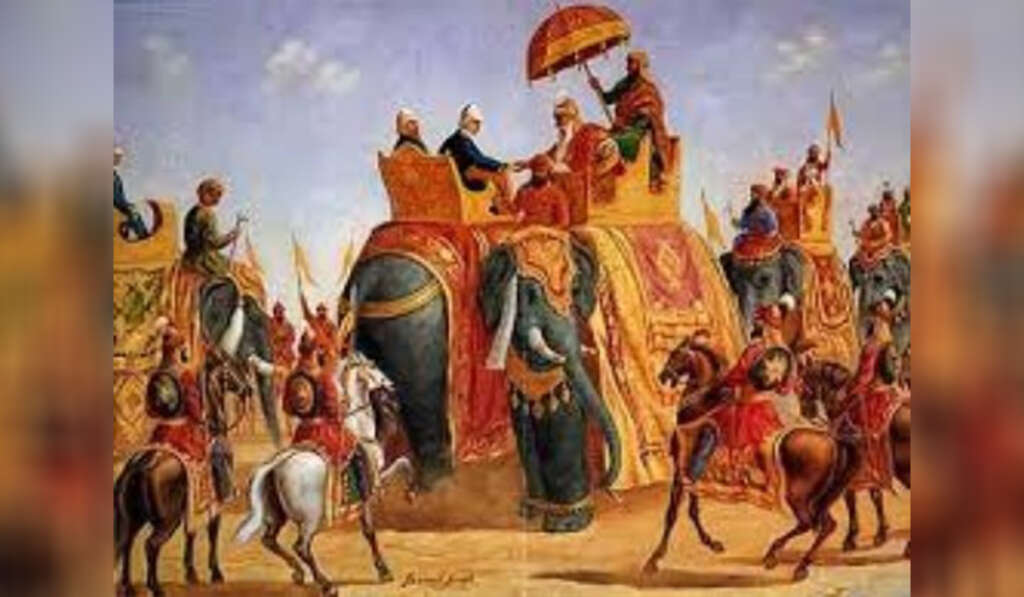
Nader Shah carried Delhi’s accumulated wealth to Iran on 700 elephants, 400 camels and 17,000 horses. But the Kohinoor did not remain with him for long. After his assassination, the diamond passed to Ahmad Shah Abdali and eventually reached Maharaja Ranjit Singh in 1813 through Afghan ruler Shah Shuja.
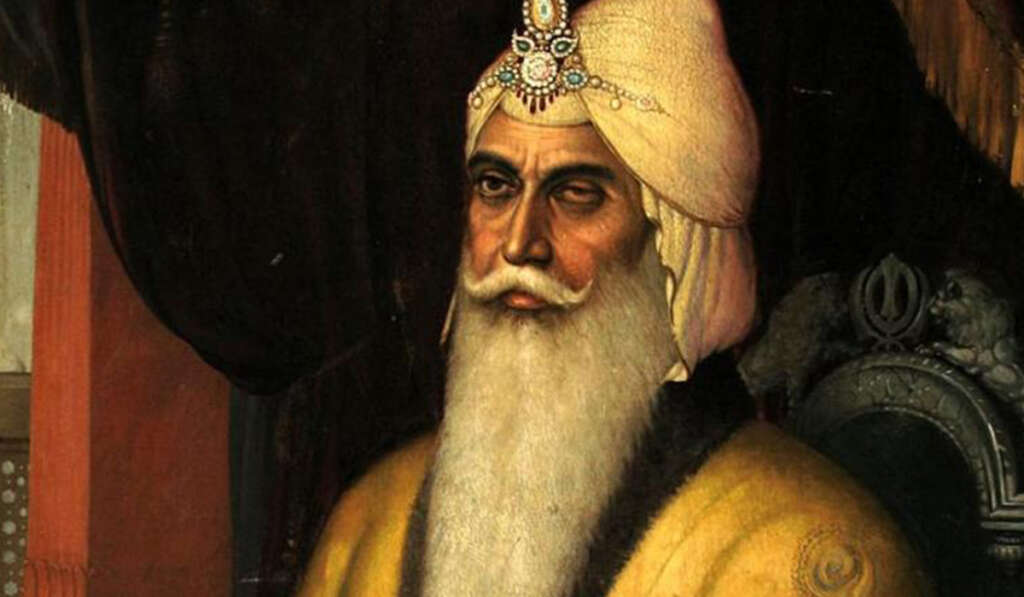
Maharaja Ranjit Singh considered the Kohinoor a symbol of his glory. He would wear it on his arm during major festivals such as Diwali and Dussehra. Whenever a British officer came to meet him, the diamond was specially shown.
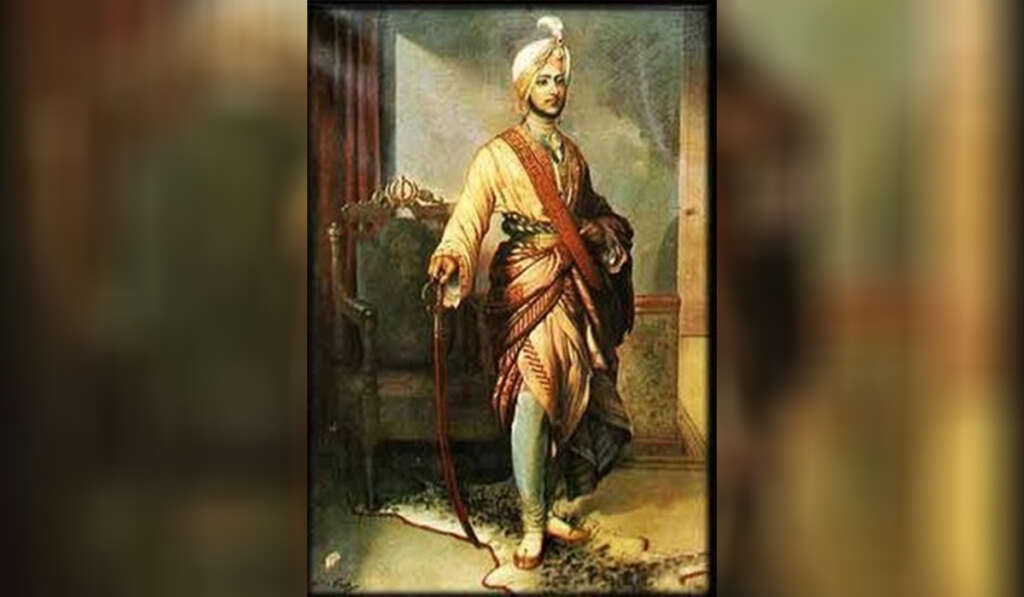
After the British victory in the Anglo-Sikh wars, the Kohinoor came into their possession. After Ranjit Singh’s death in 1839, internal conflict began within the Sikh Empire. In 1843, five-year-old Duleep Singh was made king. After the British victory in the Second Anglo-Sikh War, Lord Dalhousie seized the Kohinoor. At that time, the diamond weighed 190.3 carats.
According to a Wikipedia article, Duleep Singh was separated from his mother and sent to Fatehgarh Fort to live with an English couple. Lord Dalhousie himself came to Lahore to take possession of the Kohinoor. The diamond was taken out of the Lahore treasury and placed in Dalhousie’s hands.
How the Kohinoor reached Britain from India
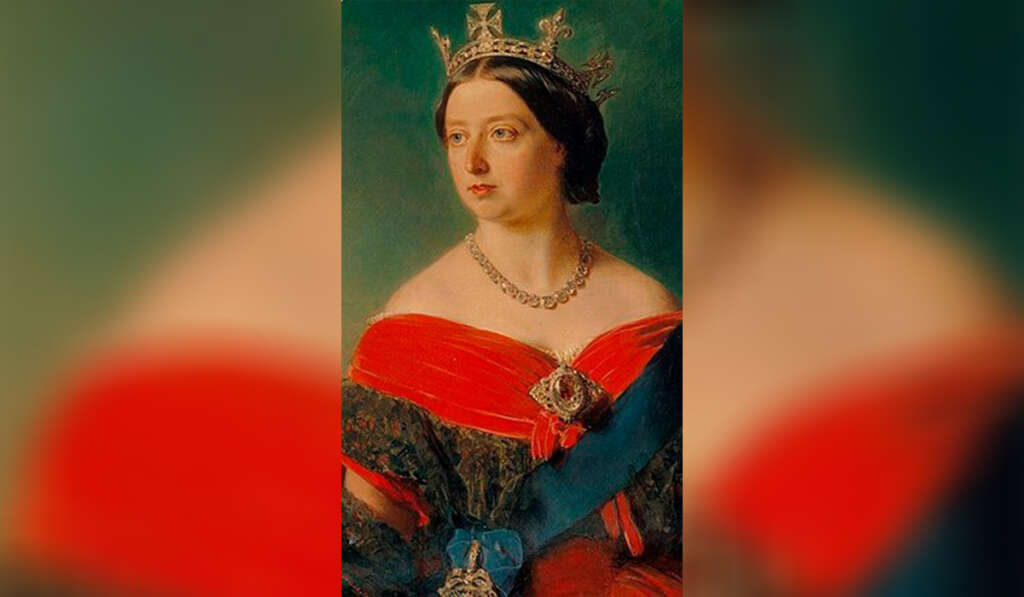
The British did not want to keep the Kohinoor in India. They wanted to take it to England, but the journey was dangerous. Cholera broke out on the ship named Medea, and sea storms almost destroyed it. The crew began to believe that the diamond brought misfortune with it.
After much difficulty, when the Kohinoor reached London, thousands gathered to see it on display. It had become a new symbol of British power.
When Duleep Singh saw the diamond
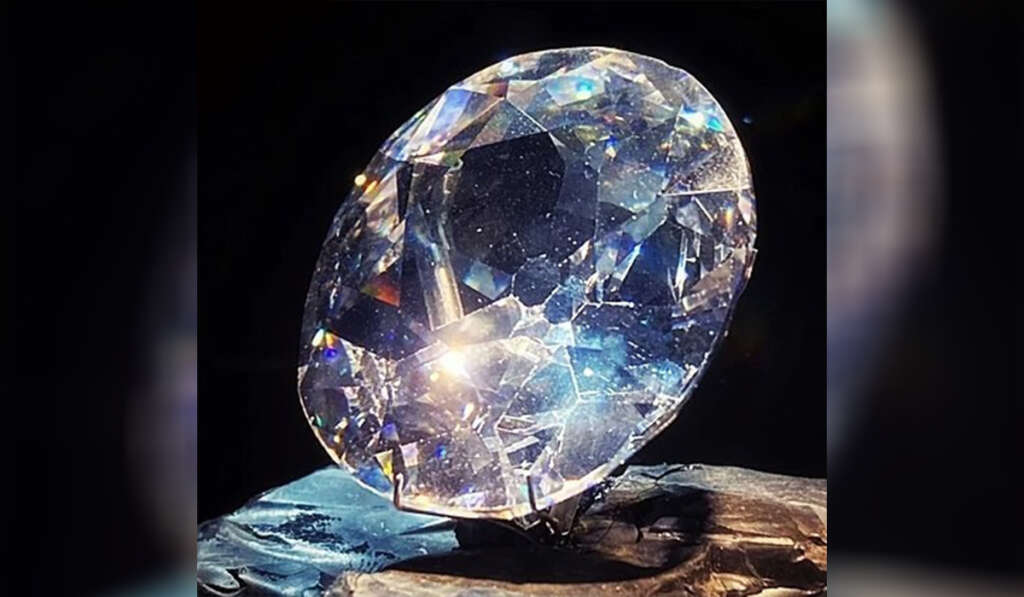
Duleep Singh was converted to Christianity and taken to England. Queen Victoria was very fond of him, and deep down she seemed to understand that her government had done injustice to a child. One day at Buckingham Palace, the Queen showed Duleep Singh the diamond. He held it up to the sunlight by the window. Although it had been recut and made smaller, Duleep Singh respectfully returned it to the Queen as a gift.
When Rani Jindan touched Duleep’s head
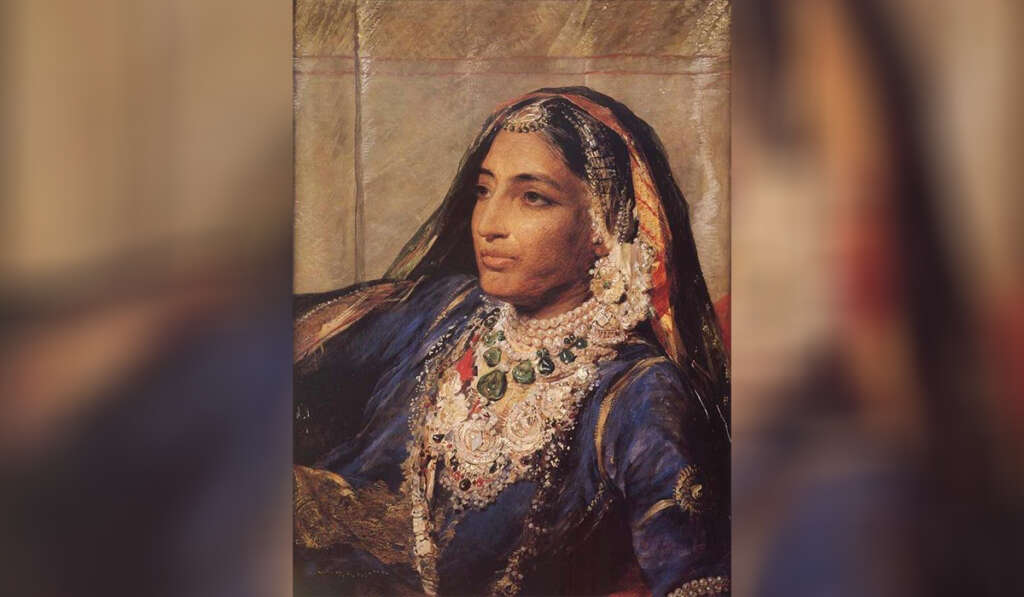
After many years, Duleep Singh came from England to meet his mother, Rani Jindan, who was then living in Nepal. She was brought to Calcutta to meet her son. Rani Jindan, who had lost her eyesight, finally met Duleep. When she placed her hand on his head and realized that he had cut his hair, she cried out in grief.
At that time, some Sikh soldiers were returning from China after taking part in the Opium War. When they learned that Rani Jindan was in Calcutta, they gathered outside Spence’s Hotel, where she was meeting Duleep. They began raising slogans loudly: “Bole So Nihal, Sat Sri Akal.” Alarmed by this, the British sent both Duleep Singh and Rani Jindan to England.
When Duleep Singh and Rani Jindan reached England, he was deeply saddened by his mother’s condition and by hearing from her about the destruction of their family. Reports suggest that in his final years, Duleep Singh realized his mistake and turned against Queen Victoria. He tried to reclaim his kingdom but failed.
He wanted to win back his old empire and even set out for India, but sadly, he was not allowed to go beyond Aden. Historians say that on April 21, 1886, he was arrested at Port Said. He was later released, but everything had been taken from him. On October 21, 1893, Duleep Singh died alone in a hotel in Paris. With him, the lineage of Maharaja Ranjit Singh came to an end forever.
Today, the Kohinoor is kept in the Tower of London
Experts say the Kohinoor is now kept safely in the Tower of London. A superstition is attached to the diamond: it is believed to bring misfortune to any male ruler. For this reason, in the British royal family, it has traditionally been worn only by women.
Even today, the diamond reminds people of the Sikh Empire whose sun once shone from Lahore Fort. The Kohinoor is once again in discussion because New York Mayor Zohran Mamdani reportedly said in the last week of April 2026 that if he ever had a private conversation with Britain’s King Charles, his first demand would be the return of the Kohinoor.


Leave a Comment