

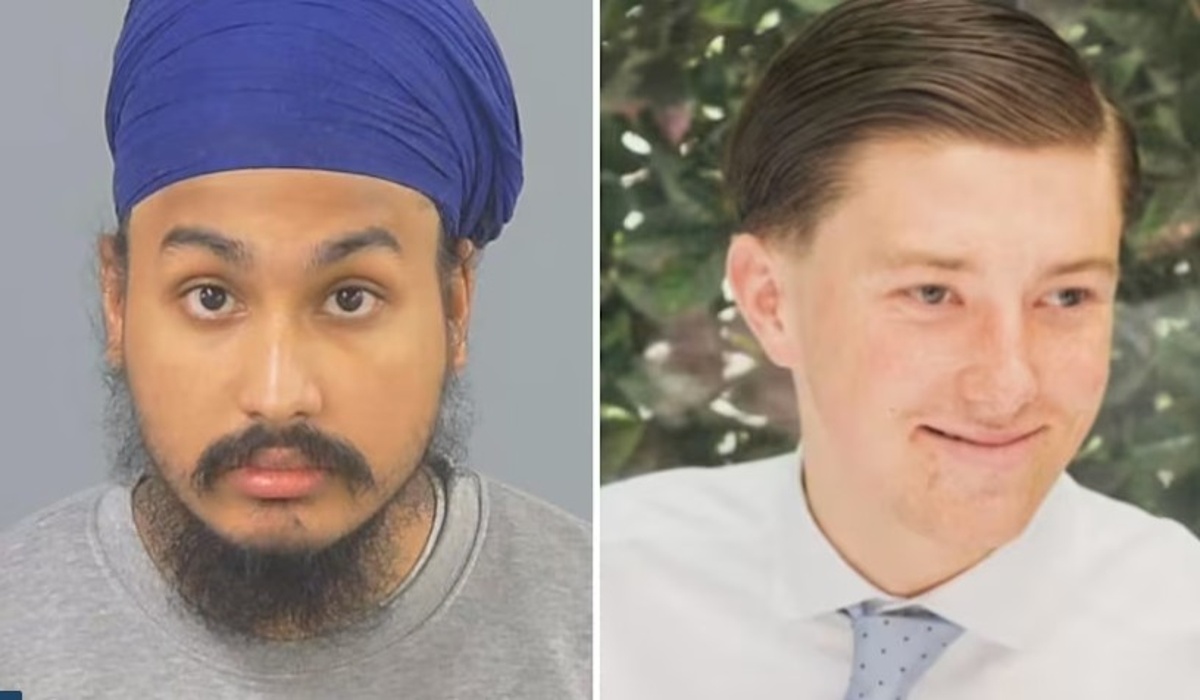

The recent murder of a university student in Southampton, UK at the hands of a kirpan carrying Sikh youth has shone the spotlight on one of Sikhism’s sacred symbols. British-born Vickrum Digwa was sentenced for life with a minimum jail term of 21 years for the killing of an 18-year-old student who was slashed across the chest and face with a ‘bladed article’. Initial media reports pointed to the murder weapon being a kirpan or the Sikh ceremonial dagger.
The incident has sparked a national debate in the UK on the long-standing legal exemptions that allow initiated Sikhs to carry the kirpan, one of the five articles of faith in Sikhism. The far-right Reform UK party, led by Nigel Farage, called for the repeal of the exemptions. Robert Jenrick, Reform’s Treasury spokesman, said people should not be allowed to carry daggers or swords in public because of their religion. “We should be treated equally, and I don’t think that people should be treated differently before the law, that someone, because of the faith that they hold, should be able to carry a sword or a dagger, but somebody who has a different faith doesn’t,” he said.
However, UK Home Secretary Shabana Mahmood, in a statement in the House of Commons, said: “Let me be clear, carrying a knife for the purpose of religious observance is one thing, using it as so tragically occurred in this case is quite another,” she said. “We do not believe in collective punishment in this country. Instead, we stand together against an act of pure evil. We condemn those who committed this heinous crime, not all those who share their faith or their ethnicity.” She expressed her willingness for further talks with Sikh community leaders to help the British government strike the right balance between the religious freedoms of minorities while ensuring public safety.
Knife crime is a serious national problem in the UK much like the gun culture in the United States. Father of the victim, Mark Nowak, in a statement to the court, urged the government to “treat knife crime like the national emergency it is”. Reacting to the sentencing of Digwa, British Prime Minister Keir Starmer said, “We must end the cycle of tragedy by tackling the horror of knife crime.”
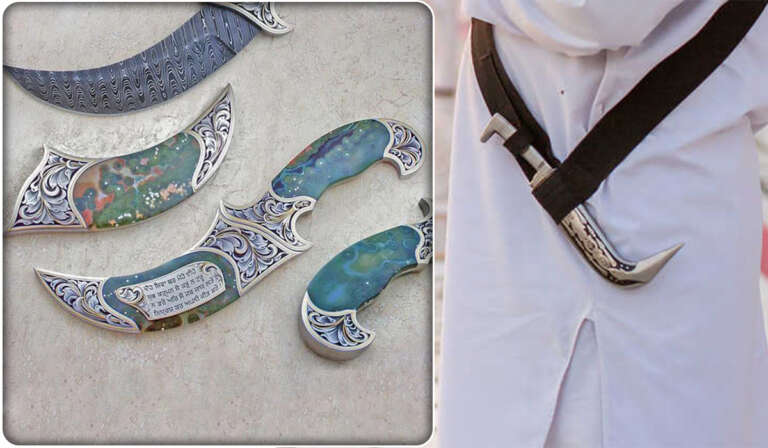
However, the fatal attack is said to have involved a larger blade than the ceremonial kirpan. Judge William Mousley, while handing down the sentence, said Digwa was carrying a large Sikh dagger associated with the Nihang tradition. There has been a controversy over the prosecution’s decision not to release the photograph of the murder weapon even though it admitted in court that the blade used in the attack was larger than the small, curved kirpan.
Sikh community leaders have condemned the murder in the strongest terms while calling for a distinction to be made between the ceremonial carrying and violent use of the kirpan. Jas Singh, of the UK Sikh Federation said, “With that action, he (Digwa) has brought the whole Sikh community into the spotlight. Whether intended or unintended, we now have to deal with that.” A spokesman for the council of Southampton Gurdwara said Digwa’s actions were “in direct contradiction to Sikh teachings and values that have guided Sikh communities for more than five centuries, including in Britain, for more than 150 years”.
The UK Sikh Federation said in a statement: “Fully practising Sikhs who wear a kirpan should continue to recognise the serious responsibility that accompanies it, together with the limited legal protection that exists for wearing it for genuine religious purposes.” Under UK law, a practising Sikh may wear the Kirpan close to the body but drawing it in an act of aggression is illegal.
As the debate rages in the UK, the challenge for the government is to separate criminal misuse from religious practice. The kirpan, for devout Sikhs, is a symbol of duty, justice and protection of the weak. Therefore, any step taken to change or modify any established practice must take into account the religious sentiments of the Sikh community.
Disclaimer: The views expressed in this article are solely those of the author and do not reflect the views or opinions of Sadda Punjab or any affiliated organization.

Leave a Comment